


Antique Silver Fruit Spoons
These antique silver fruit spoons offer the fine craftsmanship and bright presentation that collectors seek for dining and display.
What antique silver fruit spoons are
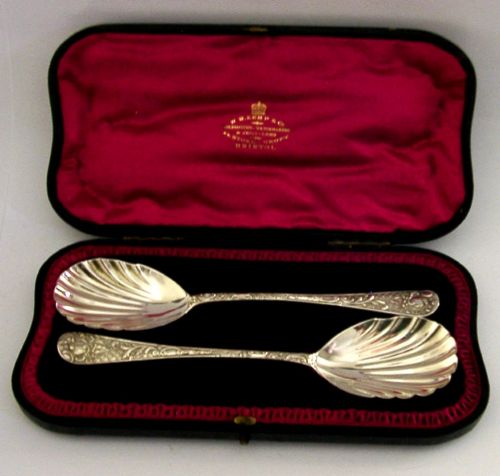
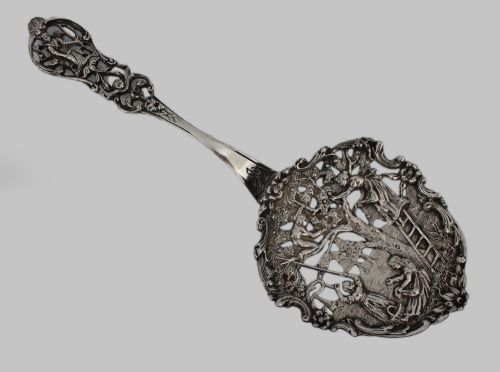
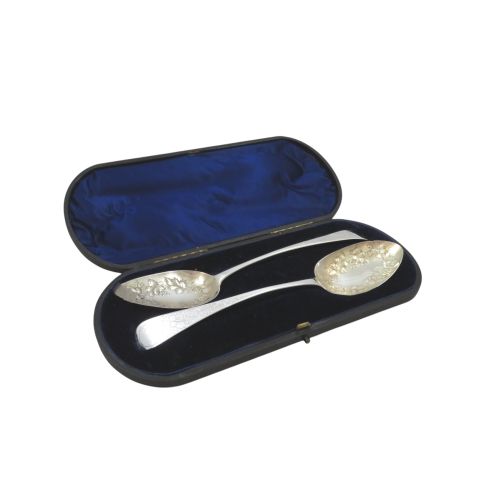
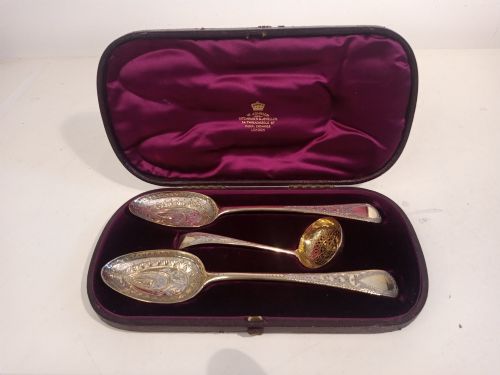
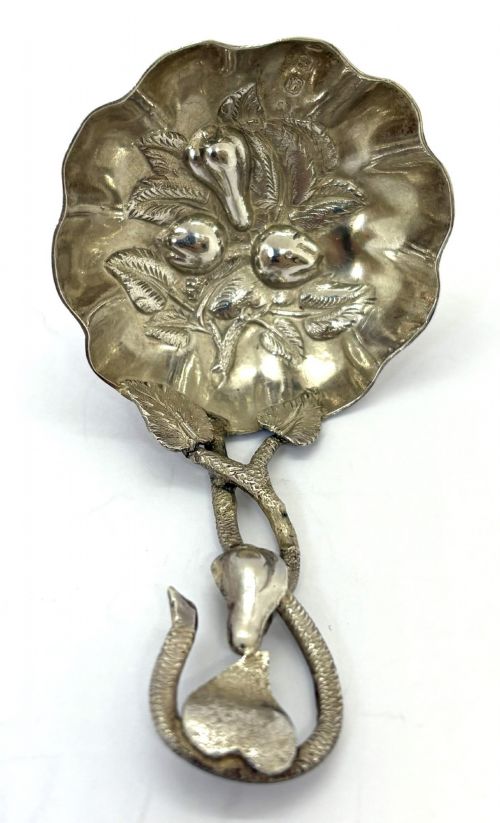
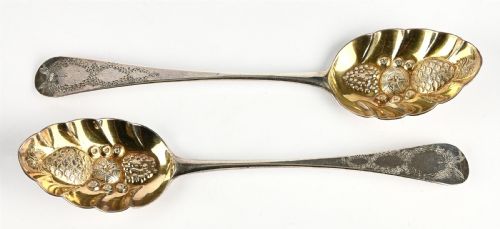
When you search for antique silver fruit spoons, you are looking at specialised tableware designed for serving or consuming citrus and soft produce. The examples met on this page include cased pairs, boxed fruit sets complete with nutcrackers and grape scissors, and individual serving pieces.
The selections span the eighteenth century, the Georgian era, and the Victorian period, reflecting formal dining habits of past centuries. Many items arrive in fitted cases lined with velvet, silk, or leatherette, preserving their surfaces against daily wear.
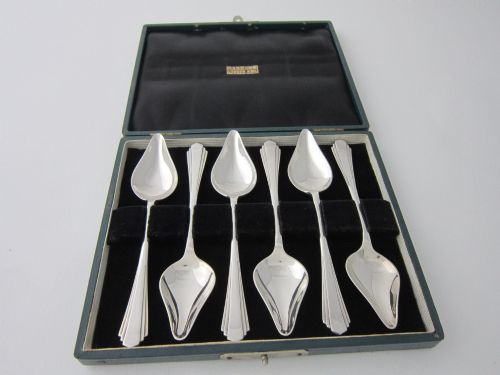
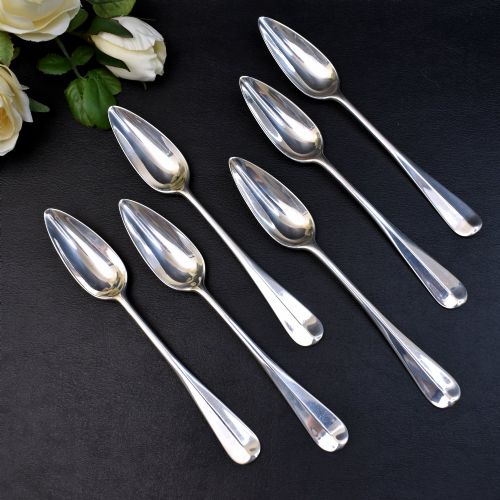
Forms vary from traditional serving spoons and berry spoons to shell-shaped bowls and naturalistic leaf designs. You will also encounter grapefruit and citrus spoons originating from later nineteenth and twentieth century periods.
How they were made
Silversmiths utilised sterling silver, solid silver, and parcel gilt or silver-gilt finishes to achieve rich surface textures and warm metallic tones. Some pieces incorporate silver plate over base metals, while fitted presentation boxes combine wood with protective linings of velvet, silk, and leatherette.
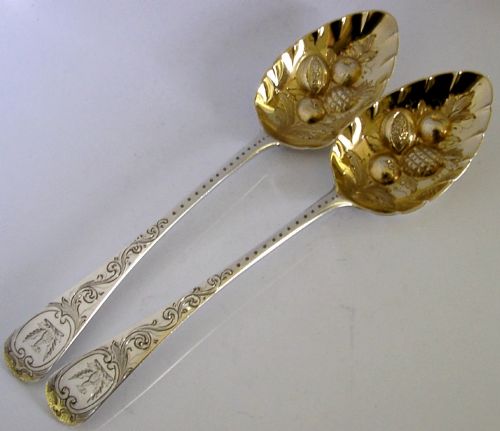
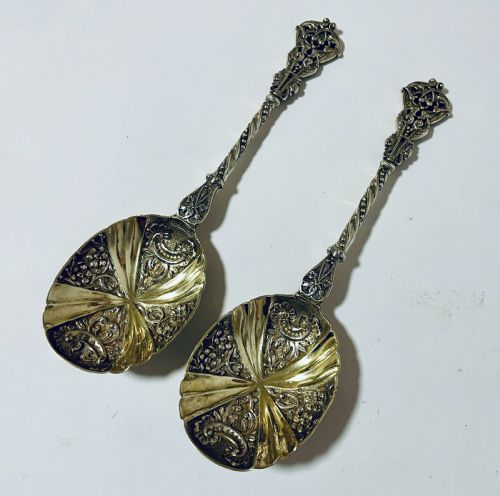
Construction methods range from hand-hammered eighteenth-century forms to Victorian naturalistic leaf motifs and specialised fruit sets. Makers applied gilding to bowls and shaped handles to resemble natural foliage, shells, or geometric Art Deco lines.
Retail Price Guide 2026
Typical UK retail prices for silver fruit spoons, calculated from the Sellingantiques database of over a million retail prices indexed since 2003. This retail price guide relies exclusively on Sellingantiques data; no external sources or auction records are used, so the figures do not describe the wider market.
Listings feature sterling silver, silver plate, and silver-gilt materials across eighteenth, nineteenth, and twentieth century periods.
What varies in quality
The distinction between standard examples and the finest items rests upon the depth of the silversmith's work and the preservation of the original form. Exceptional pieces display crisp chasing, clear hallmarks, and intact gilding within the bowl.
The inclusion of original fitted cases lined in silk or velvet adds considerable character and demonstrates that the set was maintained as a unified whole. Superior execution appears in the balance of the handle and the careful detailing of shell or leaf motifs.
Sebastian Crespell·Hukin & Heath·Walker & Hall
The Antique Silver Fruit Spoons Glossary
- Berry Spoon
- A large serving spoon, often decorated with fruit and leaf motifs chased onto the bowl at a later date. These were popular during the Georgian period for serving fresh produce.
- Silver-Gilt
- Silver that has been coated with a thin layer of gold on its surface. This technique provides a rich two-tone appearance.
- Parcel Gilt
- Partial gilding applied to specific areas of a silver object, such as the interior of a bowl while the handle remains bright silver.
- Hallmark
- An official stamp applied by an assay office to indicate the metal standard, origin, and date of manufacture. These marks help verify the period of the piece.
- Citrus Spoon
- A specialised spoon featuring a pointed or serrated tip designed for sectioning fruit. They appear frequently in cased sets from the nineteenth and twentieth centuries.
Frequently Asked Questions
What were antique silver fruit spoons used for?
These spoons were utilised at the dining table for serving delicate fruits, berries, and citrus sections during formal meals. Their specialised bowls prevented bruising to soft produce while adding elegance to dessert service.
Many were produced in matched pairs or larger cased sets intended for specific dining rituals. They reflect the Victorian and Georgian appetite for elaborate tablescapes and specialised cutlery.
How do I care for antique silver fruit spoons?
Store your spoons in their original fitted cases when not in use to protect the velvet, silk, or leatherette linings. Clean the silver gently with a soft cloth and specialised polish only when necessary to preserve any parcel gilt surfaces.
Avoid abrasive cleaners that can wear down crisp chasing or fine hallmarks. Handling them carefully ensures the metal retains its intended finish over time.
Are cased sets more desirable?
Cased sets that retain their original fitted boxes lined in silk or velvet are frequently sought by collectors. The presence of the case indicates that the spoons were kept together and protected from heavy use.
Complete sets that include matching accessories like nutcrackers and grape scissors offer a complete picture of period dining customs. This preservation adds context to the history of the objects.
How can I tell eighteenth century spoons from Victorian ones?
Eighteenth century spoons often display simpler hand-wrought forms and early hallmarking styles. Victorian examples frequently show more naturalistic decoration, such as leaf motifs or heavily chased berry designs.
Examining the shape of the bowl and the style of the handle provides strong clues regarding the manufacturing period. Assay marks and maker's stamps offer definitive confirmation of the exact date.