



Hukin and Heath Silver
Hukin and Heath silver brings together clean modernist lines and practical utility, offering collectors exceptional metalwork from the late Victorian era through the Art Deco period.
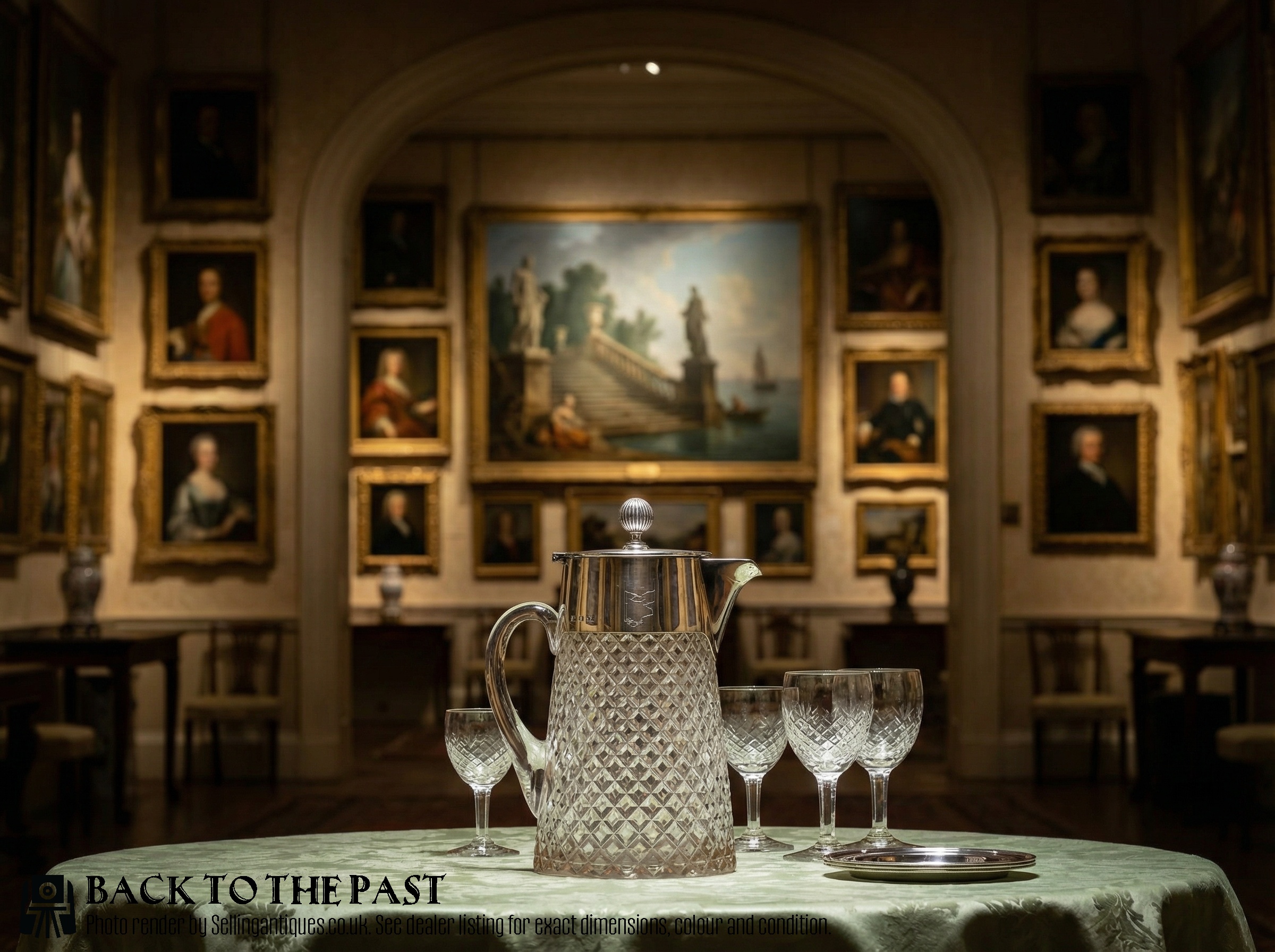
Hukin and Heath silver pieces
When searching for Hukin and Heath silver, buyers encounter functional tableware and desk accessories spanning multiple decades, with whiskey noggins, toast racks, decanters, and serving trays appearing frequently across the inventory.
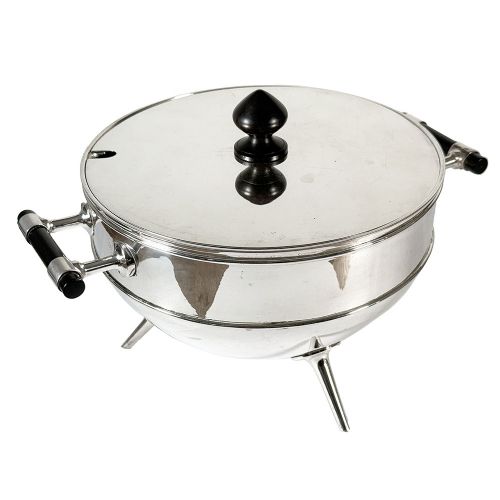
The objects range from late Victorian and Edwardian iterations through to geometric Art Deco and Modernist designs, reflecting the changing aesthetic demands of the late nineteenth and early twentieth centuries.
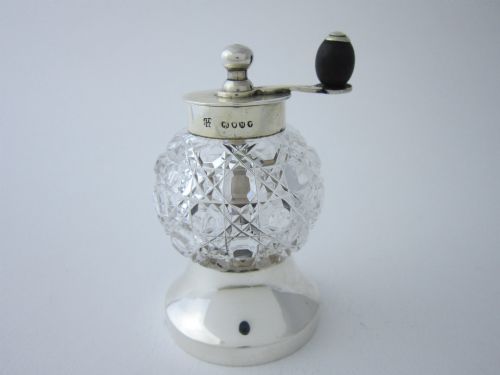
Representative forms include silver-topped glass noggins, elaborate fruit sets, fitted inkwells, and spirit barrels that demonstrate the firm's versatility in metal fabrication and glass pairing.
Quality factors
Superior examples exhibit crisp definition in cast ornamental details, such as acorn and oak leaf motifs, alongside robust structural integrity in hinges, handles, and locking mechanisms.
The preservation of the original electroplate or sterling surface, together with the clarity and undamaged condition of paired glass components like decanter bodies and noggin jugs, determines the standing of an individual piece.
Materials documented across the inventory include sterling silver, silver plate, electroplated nickel silver, glass, wood, and velvet.
Hukin and Heath Ltd·Christopher Dresser
The Hukin and Heath Silver Glossary
- Electroplated nickel silver
- A base metal alloy of copper, nickel, and zinc coated with a layer of pure silver through an electrolytic process, serving as the foundation for many nineteenth-century domestic items.
- Whiskey noggin
- A small vessel designed for holding and pouring single measures of spirits, usually featuring a fitted silver top and handle.
- Toast rack
- A table accessory constructed with vertical metal loops to hold slices of toast upright, sometimes doubling as a letter rack.
- Claret jug
- A pouring vessel for wine typically combining a glass body with an articulated silver lid, handle, and collar mount.
- Spirit barrel
- A cylindrical container mounted on a stand with a functional spigot, utilised for dispensing liqueurs or spirits from a tap.
Frequently Asked Questions
What is a whiskey noggin?
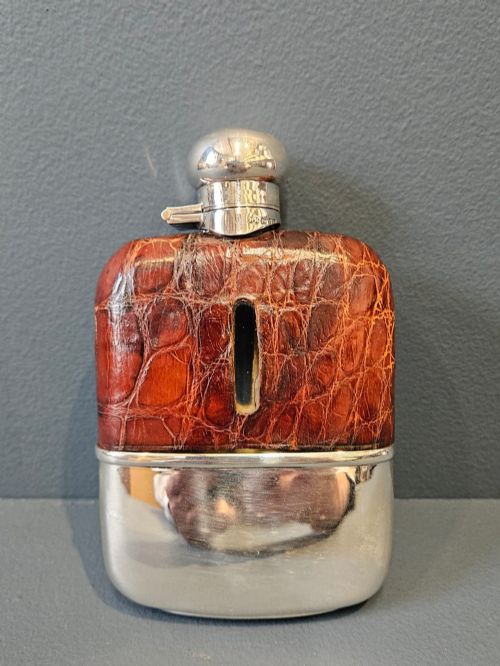
A whiskey noggin is a small personal decanter designed to hold a single measure of spirits at the dining or desk table. They typically feature a sturdy glass body fitted with a hinged silver top and handle.
In period settings, these compact vessels allowed hosts to serve spirits without passing a heavy decanter around the company. The silver mounts frequently carry the marks of the maker and the assay office date letter.
How do I date Hukin and Heath pieces?
Dating relies heavily upon stamped maker marks, registration numbers, and stylistic shifts visible across the items. Pieces range from late Victorian aesthetic designs to geometric Art Deco forms.
Design registrations from the nineteenth century provide specific baseline years, while sterling items bear official hallmarks that record the exact year of assay. Silver plated wares depend more upon style evolution and stamped registry marks for chronological placement.
What materials did they combine with silver?
Production frequently paired silver and silver plate with clear, cut, or coloured glass components such as cranberry glass barrels and decanter bodies. Secondary materials also included wood bases and velvet linings for fitted presentation boxes.
These contrasting textures enhanced the utilitarian function of items like inkstands, fruit sets, and desk accessories. The synergy between metalwork and glass remains a defining characteristic of the firm's output.
How were toast racks used?
Toast racks served breakfast tables by holding individual slices of toast upright in separate metal loops, which allowed air circulation to prevent the toast from becoming soggy.
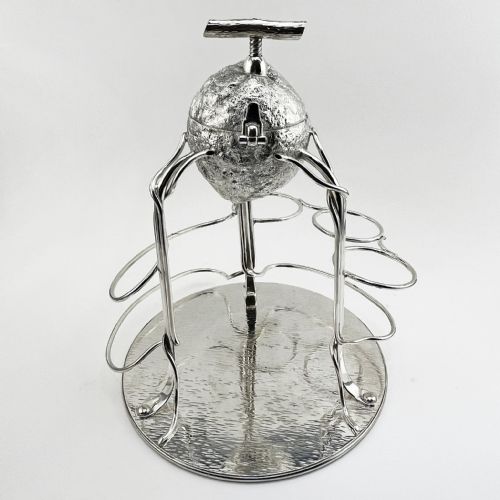
Some larger configurations were versatile enough to function as letter or stationery racks on writing desks. The architectural wirework often reflects the modernist design ethos championed by designers associated with the firm.