


Vintage Cocktail Tray
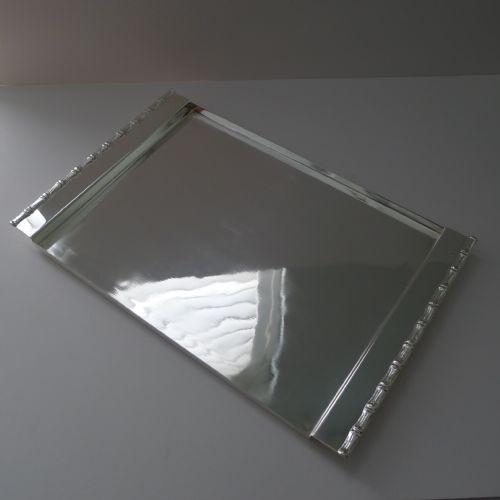
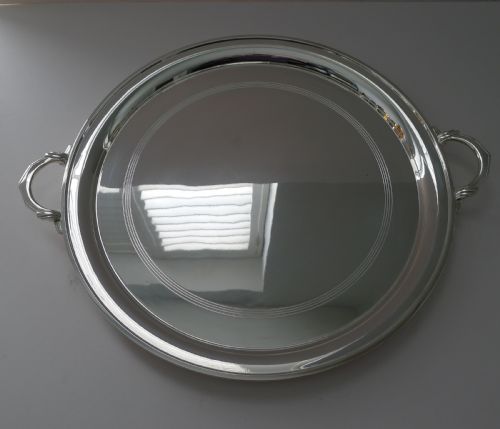
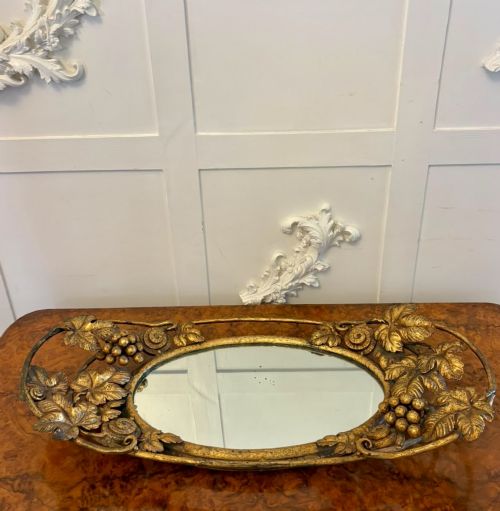
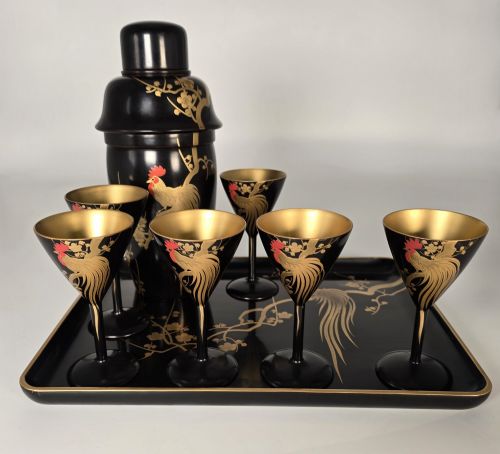
A vintage cocktail tray brings immediate character to a room, offering both practical surface space and a distinct period look.
What They Are
A vintage cocktail tray serves glasses, decanters, and barware, functioning as both a portable surface and a display piece for entertaining. The selection spans the Edwardian era through the Art Deco period, capturing decades of changing social habits.
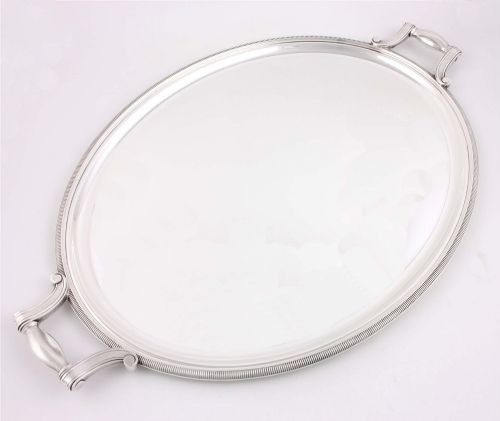
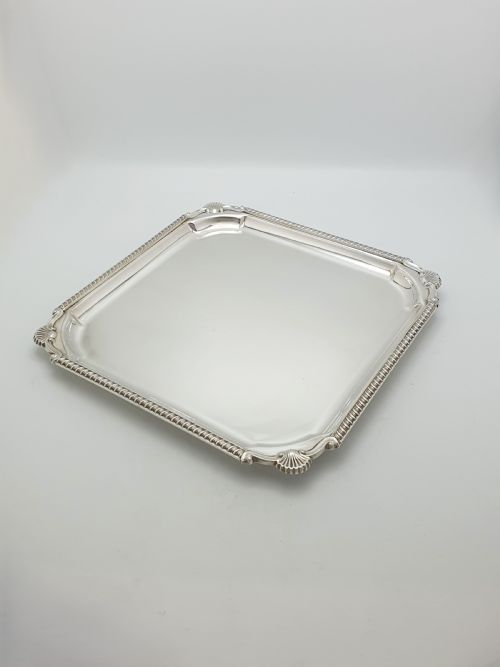
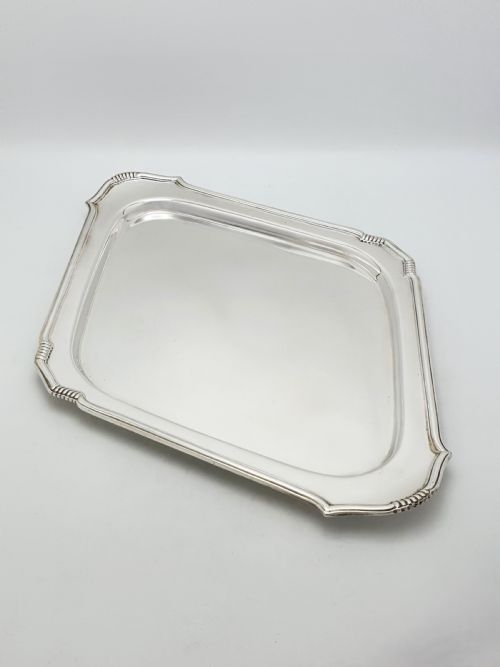
Most pieces on offer are silver plated or mirrored glass trays, often shaped by Art Deco design principles. Forms include serving trays, drinks trays, and novelty barware items depicting figures like Charlie Chaplin.
Origins stretch from early twentieth-century workshops to large commercial makers, reflecting standard British dining and entertaining traditions across the Edwardian and interwar periods.
How They Were Made
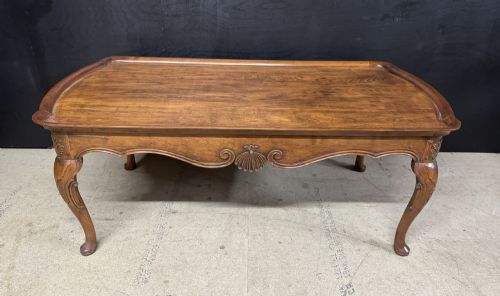
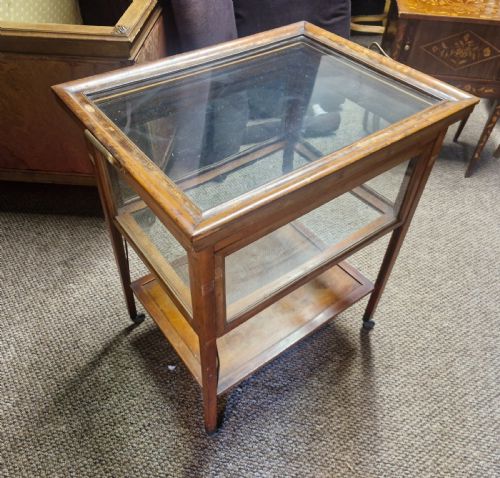
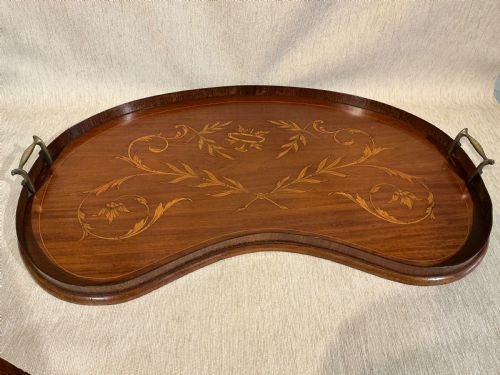
Construction relies on a combination of base metals and applied finishes, utilising silver plating over metal foundations alongside chrome and structural timbers. Wooden elements incorporate walnut veneer, mahogany, and satinwood inlay.
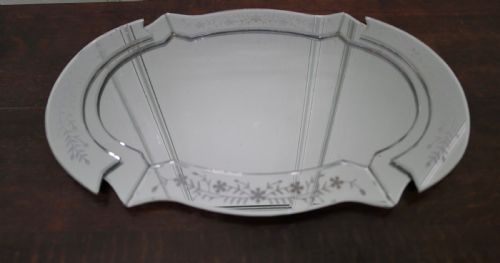
Mirrored glass forms the base of many pieces, frequently featuring etched designs or bevelled edges. Metal surfaces often display engine turned decoration, creating geometric patterns across silver plated bodies.
Retail Price Guide 2026
Typical UK retail prices for vintage cocktail tray, calculated from the Sellingantiques database of over a million retail prices indexed since 2003. This retail price guide relies exclusively on Sellingantiques data; no external sources or auction records are used, so the figures do not describe the wider market.
One novelty tray depicts Charlie Chaplin, proving that even interwar cocktail hour appreciated a touch of silent film comedy.
What Varies in Quality
Quality rests upon the weight of the metal, the precision of the silver plating, and the crispness of decorative techniques such as engine turning or etching. Heavier silver plated mounts and solid timber frames indicate superior manufacture.
Artistic execution distinguishes standard production items from specialised commissions, particularly in mirrored glass trays with detailed Venetian etching or novelty figural work.
Hukin & Heath·Elkington·Harrods
The Vintage Cocktail Tray Glossary
- Silver Plate
- A thin layer of silver bonded to a base metal core such as brass, copper, or nickel silver. This technique allowed manufacturers to produce domestic items with the appearance of solid silver at a lower cost.
- Engine Turned
- A mechanical decoration technique that cuts intricate geometric patterns into metal surfaces using a specialised lathe. It creates precise textures that catch the light during use.
- Venetian Mirror
- Silvered glass featuring decorative bevelling, etching, or tinted panels associated with traditional glassmaking techniques. These surfaces form the reflective base of many decorative serving trays.
- Walnut Veneer
- A thin layer of walnut timber applied over a secondary wood substrate to provide decorative grain patterns. It provides the visual warmth characteristic of mid-century and Art Deco furniture.
Frequently Asked Questions
How do I clean a silver plated tray?
Use a soft cloth and a specialised silver polish formulated to remove tarnish without abrading the plated surface. Avoid harsh scouring pads that can wear down the metal layer.
Store the tray in a dry environment to slow down future tarnishing and protect any underlying wooden framing or mirrored glass.
Can I use these trays for serving drinks?
Most pieces are built sturdy enough to carry glasses and bottles, especially silver plated and metal varieties with raised rims. Care should be taken with mirrored glass bases to prevent scratching.
Using coasters or liners helps protect delicate surfaces from moisture rings and condensation during actual serving use.
How do I identify an Art Deco tray?
Look for geometric motifs, streamlined forms, engine turned patterns, and combinations of chrome, mirrored glass, and walnut veneer. These design traits reflect the aesthetic of the interwar period.
Edwardian pieces tend to feature inlaid wood and softer decorative curves compared to the sharper angles found in later Art Deco items.
What materials are most common?
Silver plate and mirrored glass appear frequently across the selection, often supported by metal or chrome frames. Wooden elements like walnut veneer and mahogany also feature prominently.
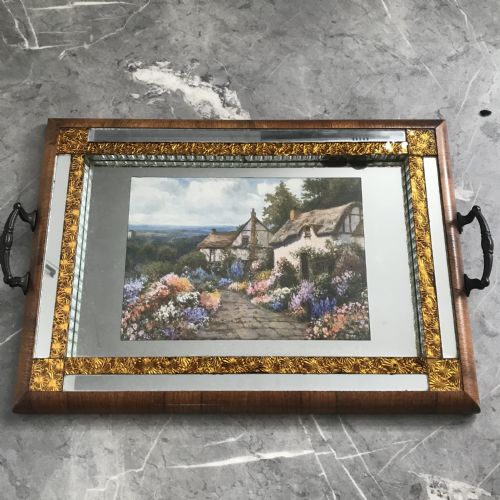
Combination pieces blend reflective glass bases with metal galleries and wooden handles for practical durability.