

Vintage Drinks Tray
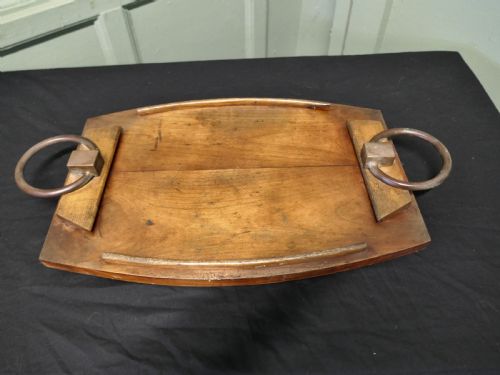
A vintage drinks tray brings period craft to the table, offering a practical surface for serving spirits or displaying glassware with genuine style.
Vintage Drinks Tray
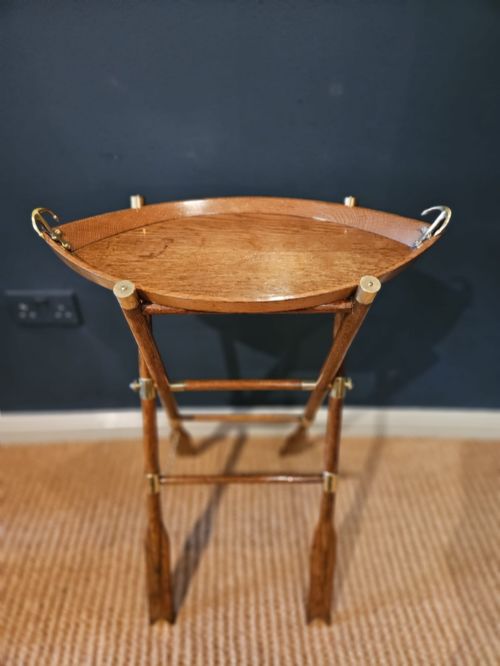
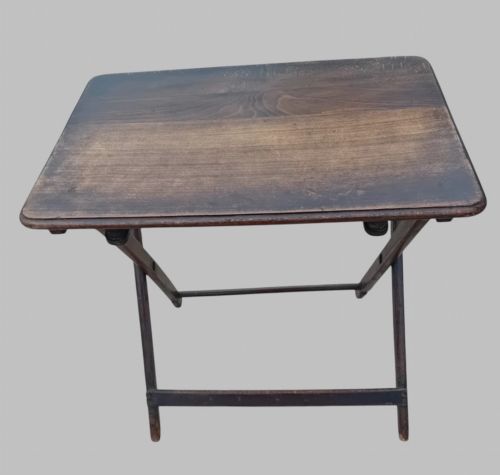
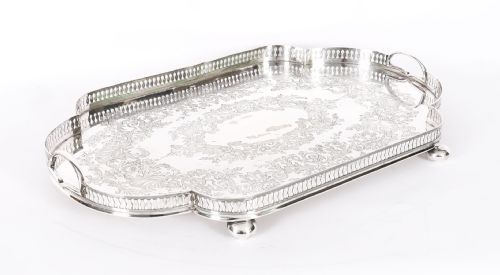
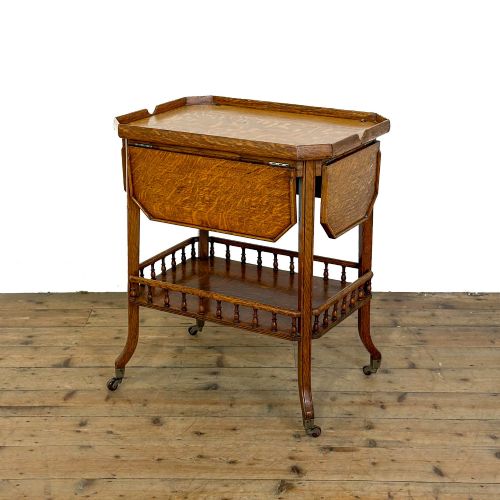
A vintage drinks tray encompasses a broad selection of serving pieces, butler trays on stands, tea trolleys, and occasional tables designed for hospitality. These objects range from sturdy timber serving boards to elaborate silver plated gallery designs suited for formal entertaining.
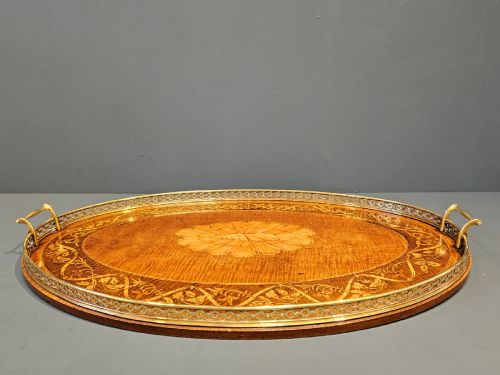
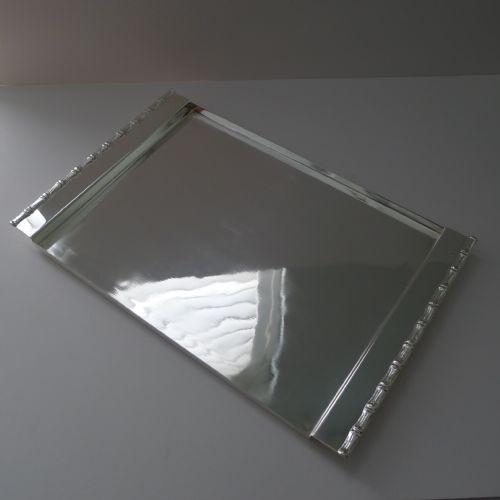
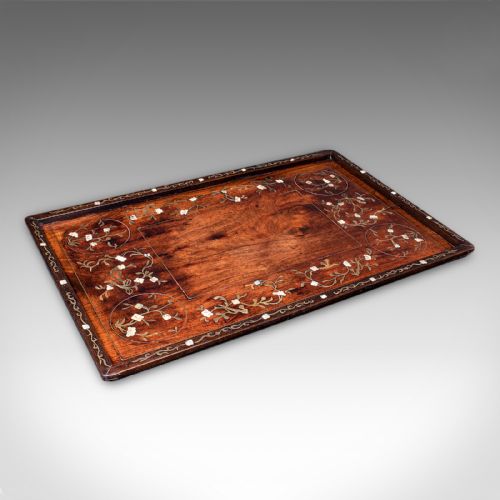
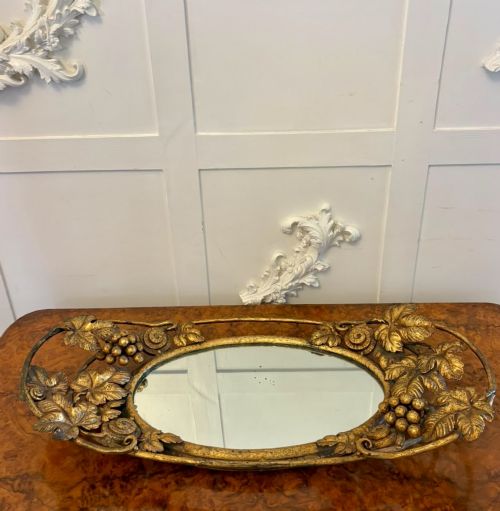
The pieces appearing most frequently span the Victorian, Edwardian, and Art Deco periods, drawing on styles from Georgian classicism to Campaign practicality. Buyers encounter everything from inlaid mahogany ovals to mirrored glass surfaces fitted with bamboo or metal handles.
Origins vary widely across British workshops, continental makers, and colonial production sites like Anglo-Indian workshops. This diversity ensures that forms adapt easily to contemporary interiors while retaining their original utilitarian function.
Materials and construction methods
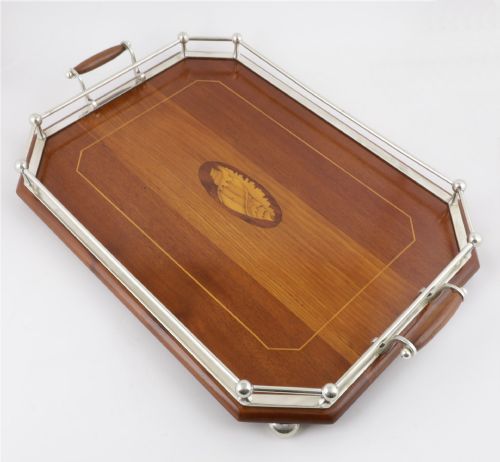
Makers utilised dense hardwoods such as mahogany, oak, walnut, and satinwood, frequently employing fine veneers, marquetry inlay, and oyster veneer to create decorative geometric or floral patterns. Brass handles, coppered banding, and silver plating on base metals provided durable, gleaming borders for heavy use.
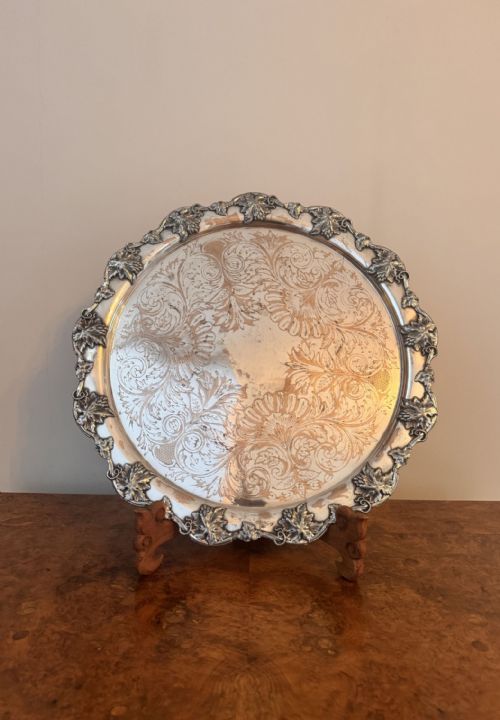
Silver plating techniques, EPNS, and gilt metal details were applied to copper or alloy foundations, often complemented by pierced galleries, engraved decoration, or cut glass mirror inserts. Folding stands and campaign frames utilised robust hinges and X-frame supports for portability and stability.
Vintage Drinks Tray Retail Price Guide 2026
Typical asking prices for vintage drinks tray among the pieces listed under this phrase on Sellingantiques today, from the lower quarter to the upper quarter. They describe what is for sale here now, not the wider market.
Golden elm ship's trays were built with slightly deeper lips to keep gin glasses upright during rough coastal swells.
Determinants of quality
Quality rests upon the precision of the timber joinery, the crispness of marquetry inlay, and the integrity of silver plating over the base metal. Superior examples exhibit tightly fitted mitres, substantial gauge metals that resist bending, and hand-engraved detailing rather than superficial stamping.
The refinement of ancillary elements, such as solidly seated mirrored glass panels, robust brass gallery rails, and smoothly functioning folding stands, separates ordinary utility items from superior collector pieces.
Keith Murray For Mappin & Webb·James Deakin·William Hutton & Sons·Mappin & Webb·Christofle·Edwards and Roberts
The Vintage Drinks Tray Glossary
- Gallery tray
- A serving tray featuring a raised pierced or solid metal border designed to prevent items from sliding off the edge. These borders are often cast or pierced with delicate geometric motifs.
- Marquetry
- The art of applying thin slices of decorative wood veneer to a structural timber base to form pictorial or geometric designs. Craftsmen select contrasting timbers to achieve natural colour variations.
- EPNS
- Electroplated nickel silver, a common base metal composition used beneath a silver coating to provide the appearance of solid silver at a manageable weight.
- Butler's tray
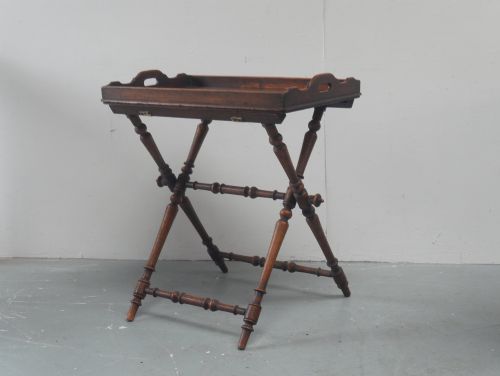
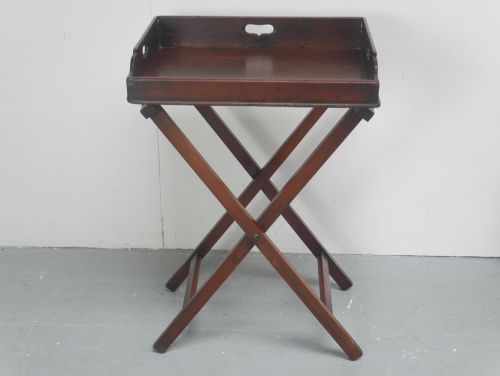
- A removable wooden tray with hinged or panelled sides, historically designed to sit upon a folding wooden X-frame stand for domestic service.
- Salver
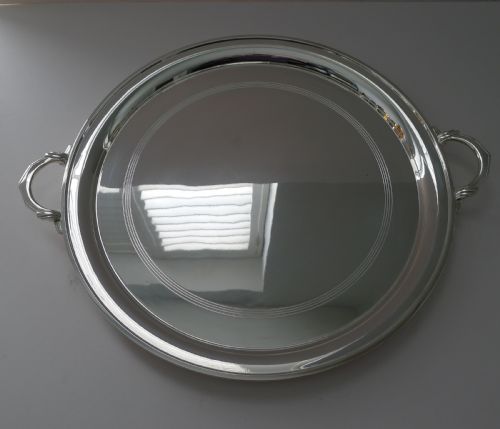
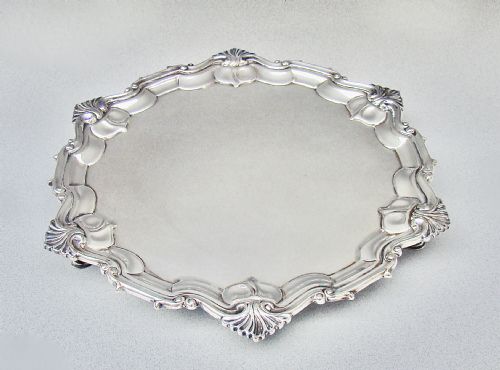
- A flat, solid metal serving platter, typically circular and raised upon small feet, used traditionally for presenting glasses, letters, or calling cards.
Vintage Drinks Tray: Frequently Asked Questions
What is a butler's tray?
A butler's tray is a portable wooden serving surface featuring raised sides, often designed to lift off a folding X-frame stand for easy storage.
Historically used by household staff to transport tableware from kitchens to living quarters, these sturdy items now serve as convenient coffee tables or side surfaces in domestic interiors.
How do I clean a silver plated tray?
Silver plated trays require gentle cleaning with a specialised silver polish and a soft microfibre cloth to remove tarnish without abrading the thin metallic coating.
Avoid harsh chemical dips that strip away underlying layers of plating, and ensure the piece is dried thoroughly after cleaning to prevent moisture damage.
Are these trays suitable for daily use?
Many solid wood and sturdy metal trays remain robust enough for regular serving duties, provided they are protected from excessive moisture and heat.
Mirrored glass or delicate marquetry pieces benefit from careful handling and protective coasters to preserve their decorative surfaces during entertaining.
How do I date an Edwardian tray?
Edwardian trays dating between nineteen hundred and nineteen ten typically display lighter satinwood inlays, neoclassical motifs, or bright silver plating with floral or scroll engraving.
Examining maker marks stamped onto the metal borders or reviewing the construction methods of the timber base helps confirm the manufacturing era.