

Antique Mahogany Tray
When you search for an antique mahogany tray, you find practical serving pieces and folding table stands shaped by Georgian, Victorian, and Edwardian hands.
Antique Mahogany Tray
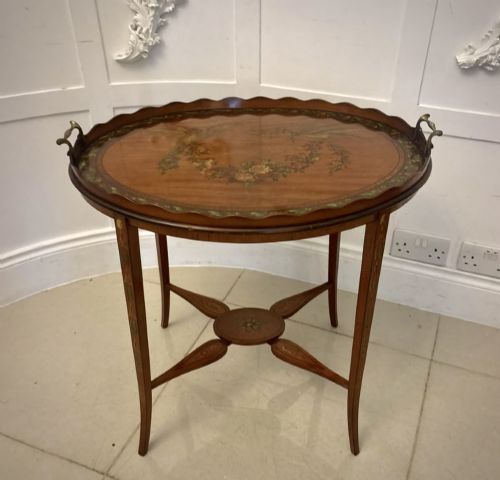
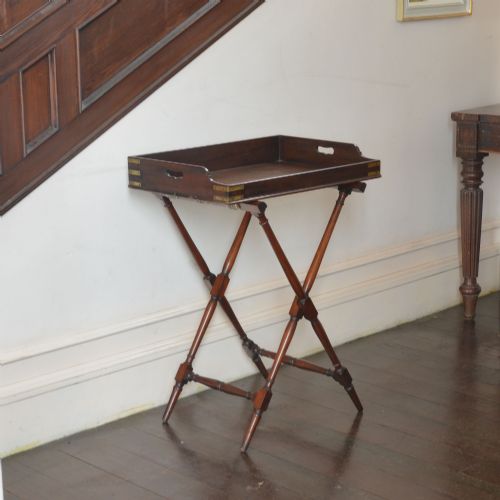
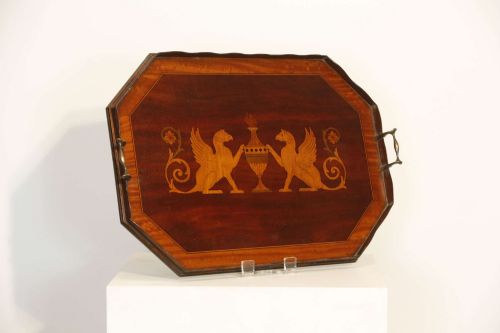
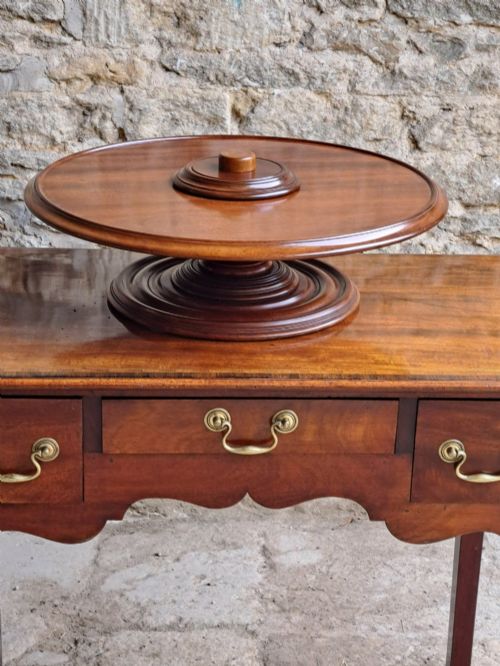
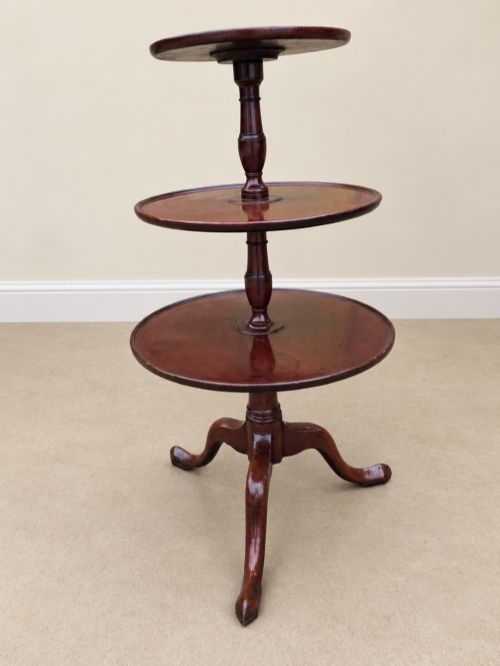
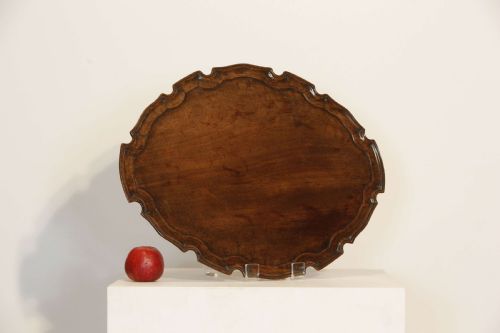
An antique mahogany tray serves several distinct domestic purposes, appearing as a handheld tea vessel, an oval serving platter with brass handles, or a heavy butler's tray resting on a folding wooden stand. Many examples span the Georgian and Victorian eras, while Edwardian pieces often incorporate delicate marquetry and satinwood details.
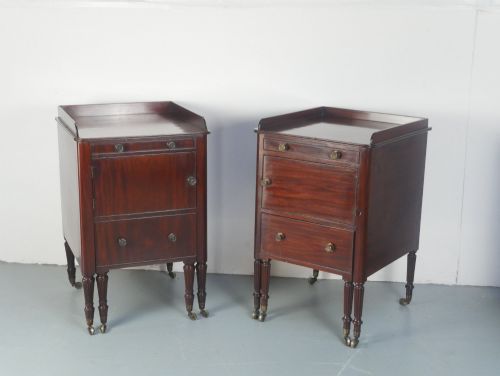
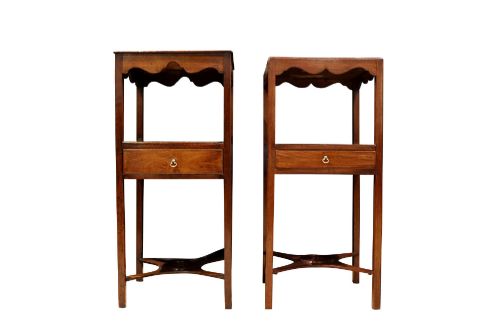
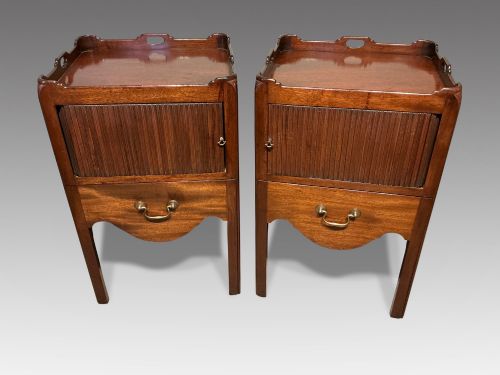
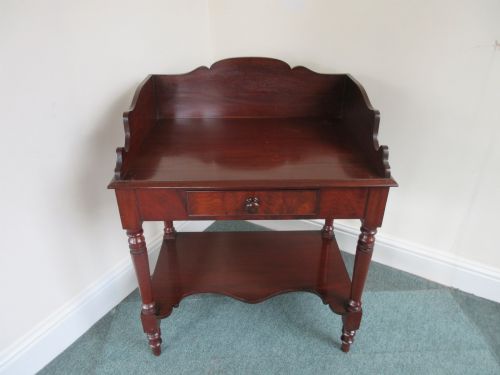
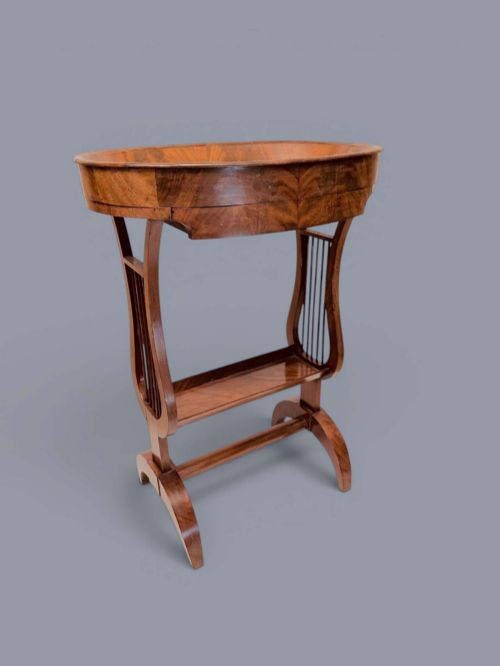
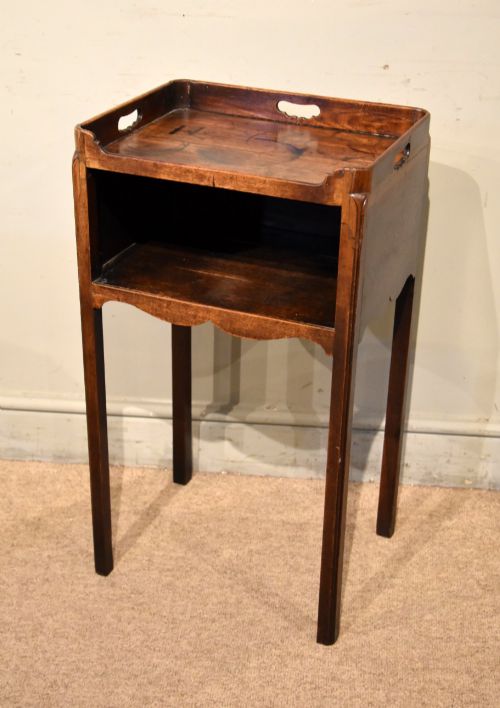
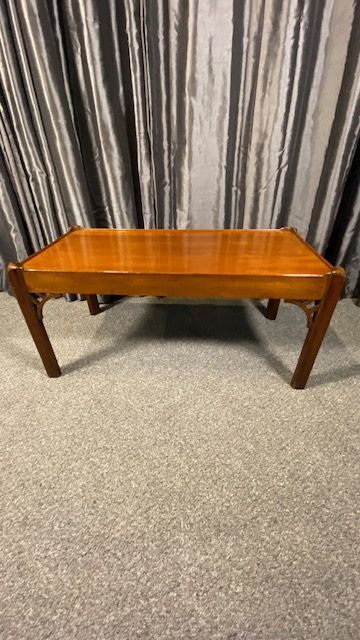
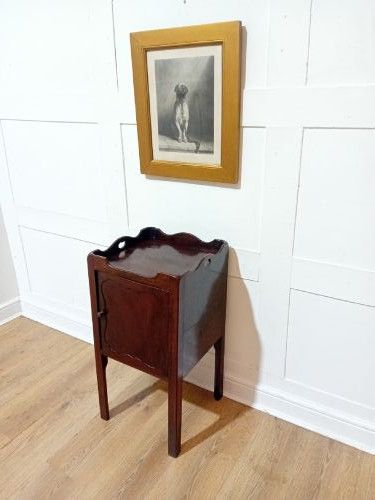
The form extends naturally into furniture, combining the tray concept with occasional tables, bedside cupboards, and nightstands featuring raised gallery edges. These variations reflect how functional kitchen and dining equipment transitioned into decorative reception room furniture over successive centuries.
How they were made
Cabinetmakers constructed these pieces primarily from solid or figured mahogany, frequently enhancing the warm timber with contrasting boxwood and satinwood inlay in geometric or floral motifs. Structural strength often relied on secondary woods like oak, while functional serving versions incorporated brass carrying handles and coopered joints.
Surface detailing ranges from simple brass-bound edges to intricate shell inlays and fine stringing. Stand-mounted variants utilised folding X-frames or four-legged timber bases designed to support heavy silver or ceramic tea services.
Antique Mahogany Tray Retail Price Guide 2026
Typical asking prices for mahogany tray among the pieces listed under this phrase on Sellingantiques today, from the lower quarter to the upper quarter. They describe what is for sale here now, not the wider market.
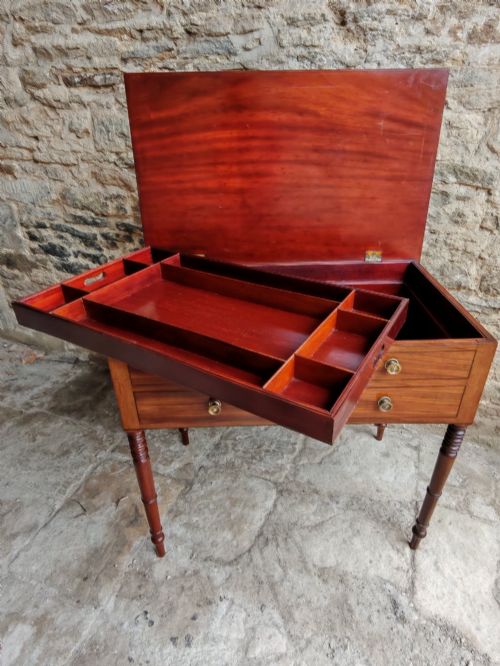
Form variations range from portable tea and cutlery trays to fixed nightstands, occasional tables, and folding butler's tray stands.
What varies in quality
The standard of a piece depends heavily on the selection of the timber grain, with highly figured flame mahogany commanding greater visual depth than plain stock. Crispness in the inlaid borders and precise mitring around gallery corners demonstrate superior workshop skill.
Original hardware, such as solid brass drop handles and secure coopered assembly, elevates an example above later utility replacements. The overall crispness of the carved edges and the stability of the matching stand indicate the original tier of production.
The Antique Mahogany Tray Glossary
- Butler's tray
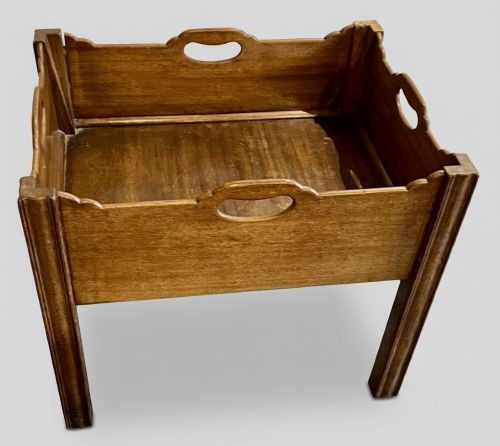
- A removable rectangular tray with hinged or panelled sides, usually designed to sit upon a folding wooden stand. These pieces functioned as portable sideboards during the eighteenth and nineteenth centuries.
- Tray top
- A furniture edge design featuring a raised moulded rim around the perimeter of a table or nightstand. This lip prevented items from rolling off the surface.
- Marquetry
- The decorative technique of applying thin veneers of different coloured woods to form intricate pictorial patterns. Edwardian makers utilised this method extensively on tea trays.
- Coopered
- A construction method utilising curved wooden staves bound tightly together with metal bands, similar to barrel making. This technique appears on round serving trays.
- Gallery
- A raised pierced or solid border surrounding the edge of a tray to secure glassware and ceramics. They are frequently fashioned from brass or shaped mahogany.
Antique Mahogany Tray: Frequently Asked Questions
How do I use a butler's tray today?
These pieces function well as low coffee tables or portable drinks stations in modern living spaces. The removable top lifts easily from the folding stand for serving.
Position the stand in a corner or beside seating to maintain the historic domestic arrangement. Ensure the folding mechanism is secure before placing heavy items on the surface.
Are these trays suitable for serving food?
Most antique wooden trays accommodate dry goods, bottled beverages, and teapots rather than direct contact with uncovered food. Modern maintenance involves using liners or cloths to protect historic finishes.
Avoid submerging timber trays in water or exposing them to excessive moisture during cleaning. Wipe surfaces gently with a dry or barely damp cloth.
How do I distinguish Georgian from Edwardian trays?
Georgian examples rely on understated proportions, solid timber construction, and occasionally brass binding or simple handles. The focus rests primarily on the quality of the mahogany grain itself.
Edwardian pieces frequently display lighter satinwood inlays, complex marquetry, and kidney shapes influenced by Sheraton revival styles. These later iterations often form part of matched tea sets with stands.
What is a tray top bedside table?
This furniture form combines a traditional nightstand cupboard with a raised gallery edge derived from serving trays. The rim prevents items placed on the night table from slipping off during use.
Cabinetmakers produced these variations across the Georgian, Victorian, and Edwardian periods in response to changing bedroom conveniences. They coordinate easily with modern bed heights.