

Vintage Serving Tray
These vintage serving tray pieces range from mahogany Butler's tables to silver-plated Edwardian galleries, offering practical utility and period charm for modern interiors.
Vintage Serving Tray
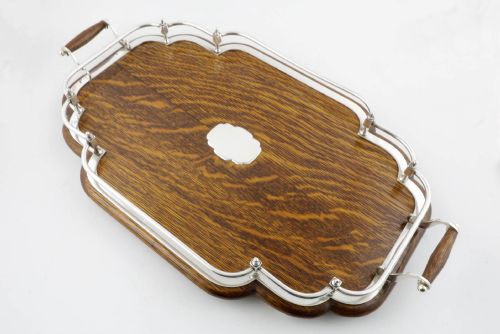
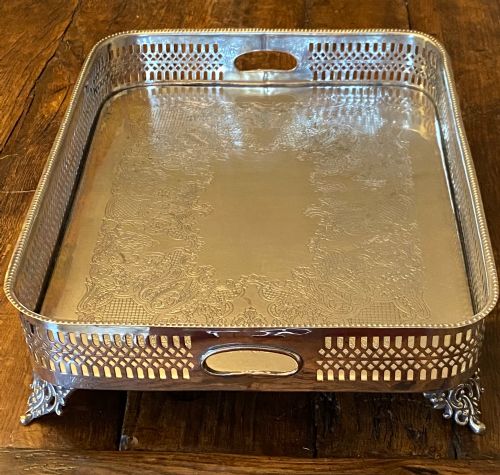
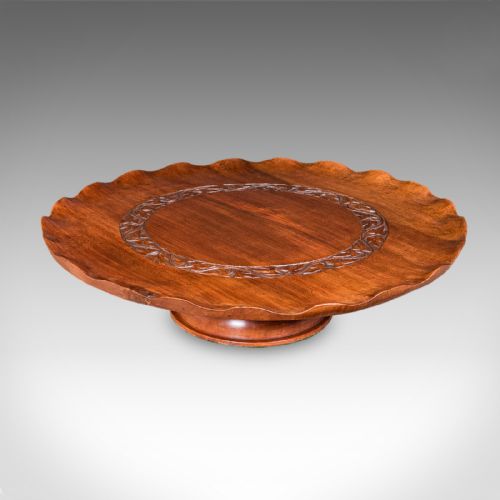
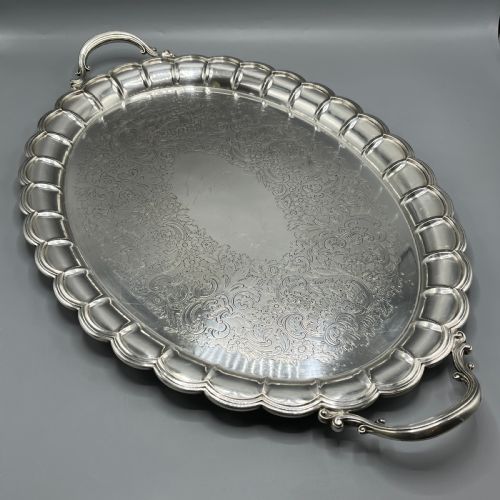
A vintage serving tray brings together functional domestic objects spanning periods from the eighteenth century through to mid-century modern designs. When searching for a vintage serving tray, buyers encounter forms ranging from heavy mahogany butler trays on folding stands to silver-plated gallery trays with pierced brass or metal rims.
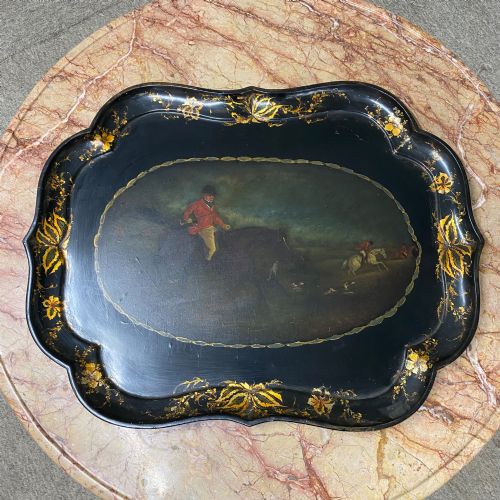
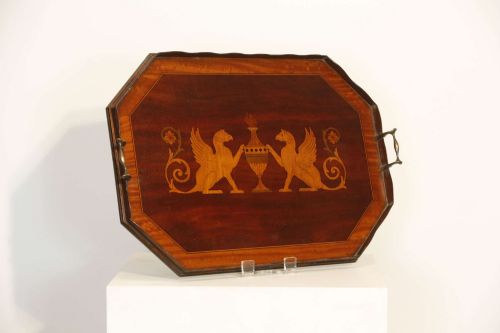
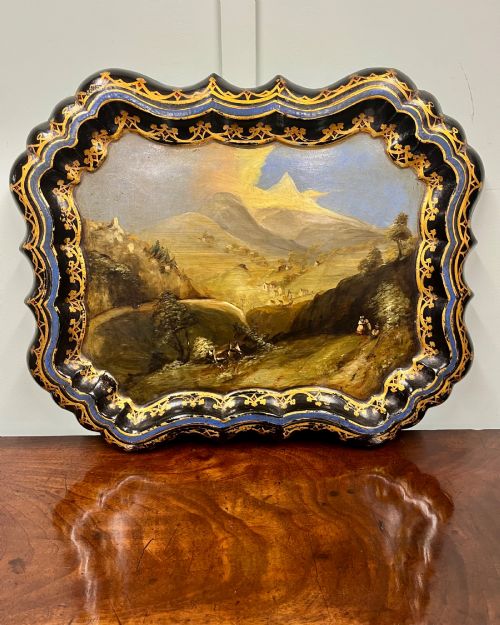
The selection includes lacquered papier-mâché surfaces from the Regency era alongside inlaid satinwood and oak pieces produced during the Edwardian period. Many items double as side tables or tea trolleys, designed to transport drinks and food while serving as permanent fixtures in a room.
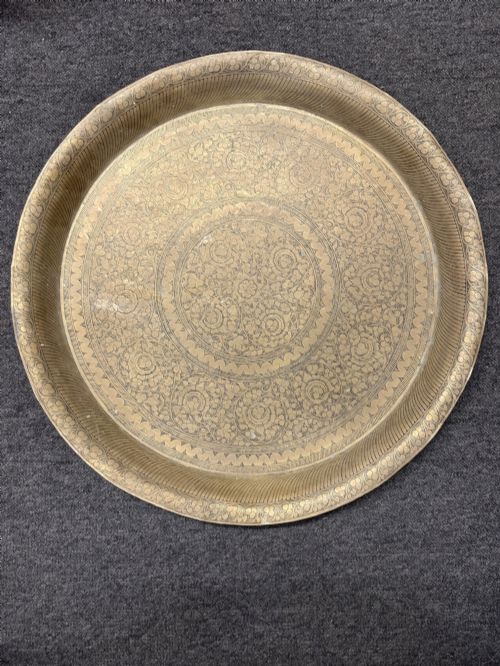
Origin and material vary considerably across the selection, encompassing Anglo-Indian teak, French lacquer work, and Kashmiri decorative items. Buyers find everything from utilitarian oak trays to elaborate silver-plated salvers bearing detailed engraving and intricate handles.
Materials and construction methods
Makers utilised timber such as mahogany, oak, walnut, and satinwood, often employing oyster veneering, marquetry, and shell inlay to decorate the surfaces. Coopered wooden trays utilise tightly fitted stave construction held together with brass bands, while papier-mâché examples rely on layered paper pulp built up and finished with lacquer and gold leaf.
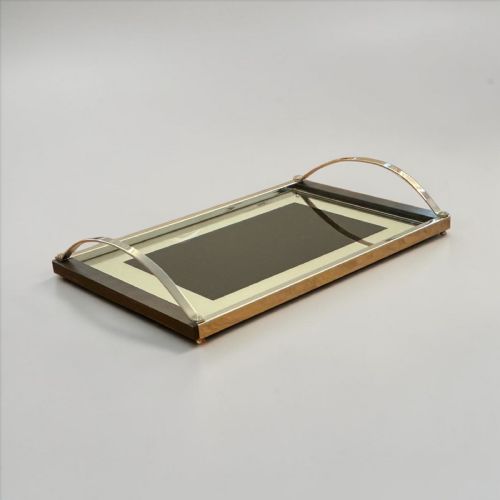
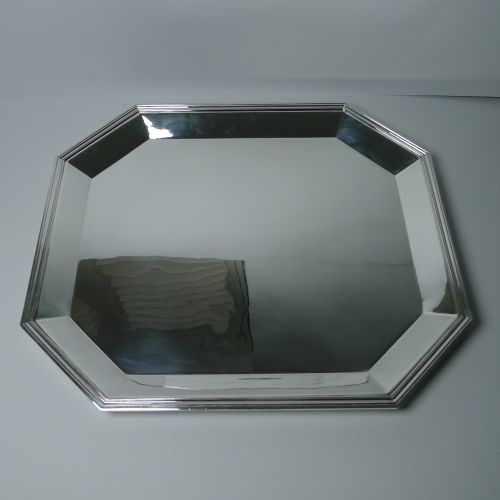
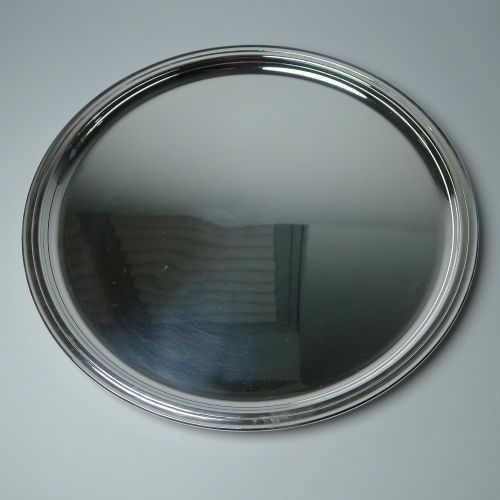
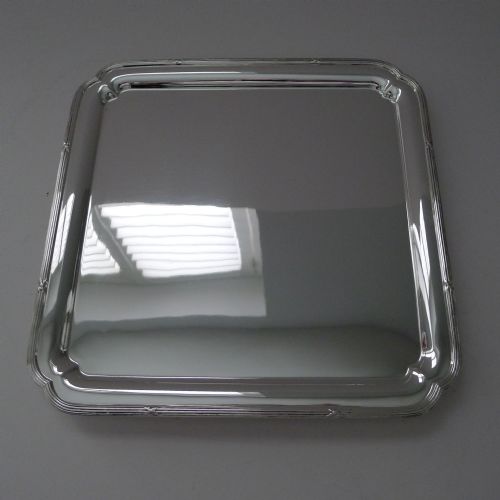
Metal items rely heavily on silver plate, EPNS, and brass, featuring applied galleries, cast grapevine borders, and etched or engraved pictorial scenes. Artisans combined these base metals with mirrored glass bases or integrated bamboo and gilt metal handles to create durable yet ornamental serving pieces.
Vintage Serving Tray Retail Price Guide 2026
Typical asking prices for vintage serving tray among the pieces listed under this phrase on Sellingantiques today, from the lower quarter to the upper quarter. They describe what is for sale here now, not the wider market.
Styles represented in the archive and current listings include Edwardian, Victorian, Regency, Art Deco, and Anglo-Indian designs.
Indicators of quality and finish
Quality rests in the crispness of the chasing on silver-plated items and the precision of the marquetry and inlay work on wooden examples. Superior pieces maintain their original gallery railings, mirrored plates, and folding stands without structural alteration or excessive wear to the plating.
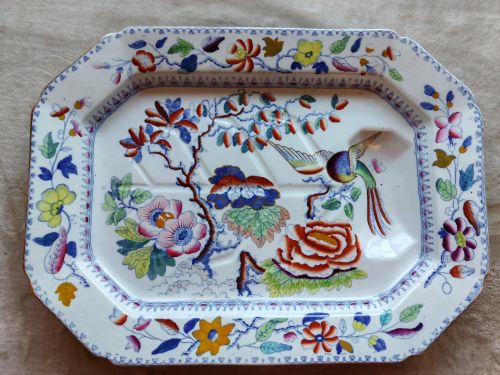
The integrity of the lacquer on papier-mâché and the depth of the timber grain on mahogany and satinwood define the upper tier of manufacturing. Items retaining authentic makers' marks or bearing distinct attribution to known silversmiths and potteries demonstrate higher workshop standards.
Mappin & Webb·James Deakin·William Hutton & Sons·Viners of Sheffield·Christian Dior·Christofle
The Vintage Serving Tray Glossary
- Gallery tray
- A tray featuring a raised pierced or solid metal border around the edge to prevent items from sliding off during transport. These borders are frequently cast in brass or silver plate.
- Butler tray
- A removable wooden tray designed to sit atop a folding X-frame stand, serving as a portable table for tea or drinks. Many retain hinged handles or sides that fold flat.
- Papier-mâché
- A composite material made from paper pulp or layers of paper mixed with glue and resin, moulded and heavily lacquered. It provides a smooth, dark surface suited to gilding and hand-painted decoration.
- Salver
- A flat plate or tray, typically made of silver or silver plate on feet, used for presenting food, drinks, or visiting cards. They often feature shaped rims and engraved central crests.
- EPNS
- Electroplated Nickel Silver, a common base metal method where a thin layer of silver is deposited onto a nickel-copper-zinc alloy. It became widely used for domestic tableware from the mid-nineteenth century onwards.
- Coopered
- Constructed from wooden staves joined edge to edge and bound with metal hoops, mimicking the traditional method used for making barrels and buckets.
Vintage Serving Tray: Frequently Asked Questions
How do I use a vintage serving tray?
These trays function practically for carrying drinks, cocktails, and afternoon tea when paired with their original stands or used independently on sideboards. They also serve as permanent display surfaces on coffee tables for grouping glassware, books, and decorative objects.
Larger butler trays on folding stands convert easily into occasional side tables in living spaces or studies. Their sturdy construction supports everyday domestic use while adding period character to a room.
How do I care for silver plated trays?
Silver-plated items require gentle cleaning with a soft cloth and a dedicated silver polish to maintain the finish without wearing through the plating. Avoid abrasive materials that can scratch the delicate surface or damage engraved details.
Store them away from direct sunlight and damp environments to prevent tarnishing and oxidation of the underlying base metal. Regular, light dusting keeps the decorative borders and handles free from grime.
How do I identify a papier-mâché tray?
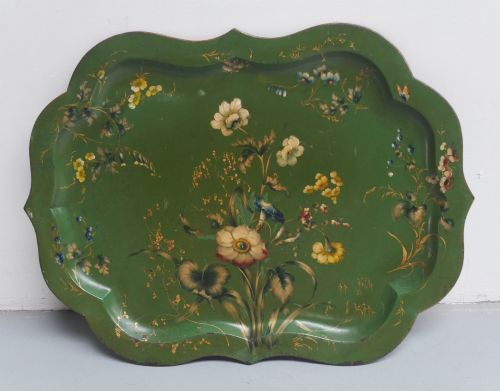
Papier-mâché trays feel surprisingly light yet rigid, constructed from compressed paper layers finished with a deep black lacquer. They often display hand-painted floral motifs, Chinoiserie scenes, or gilded detailing across the surface.
Originating largely from the Regency and Victorian periods, these pieces require gentle handling to preserve the brittle lacquer finish from chipping or moisture damage.