

19th Century Tray
A 19th century tray brings functional historical craft into modern spaces, offering diverse materials from mahogany to papier-mâché.
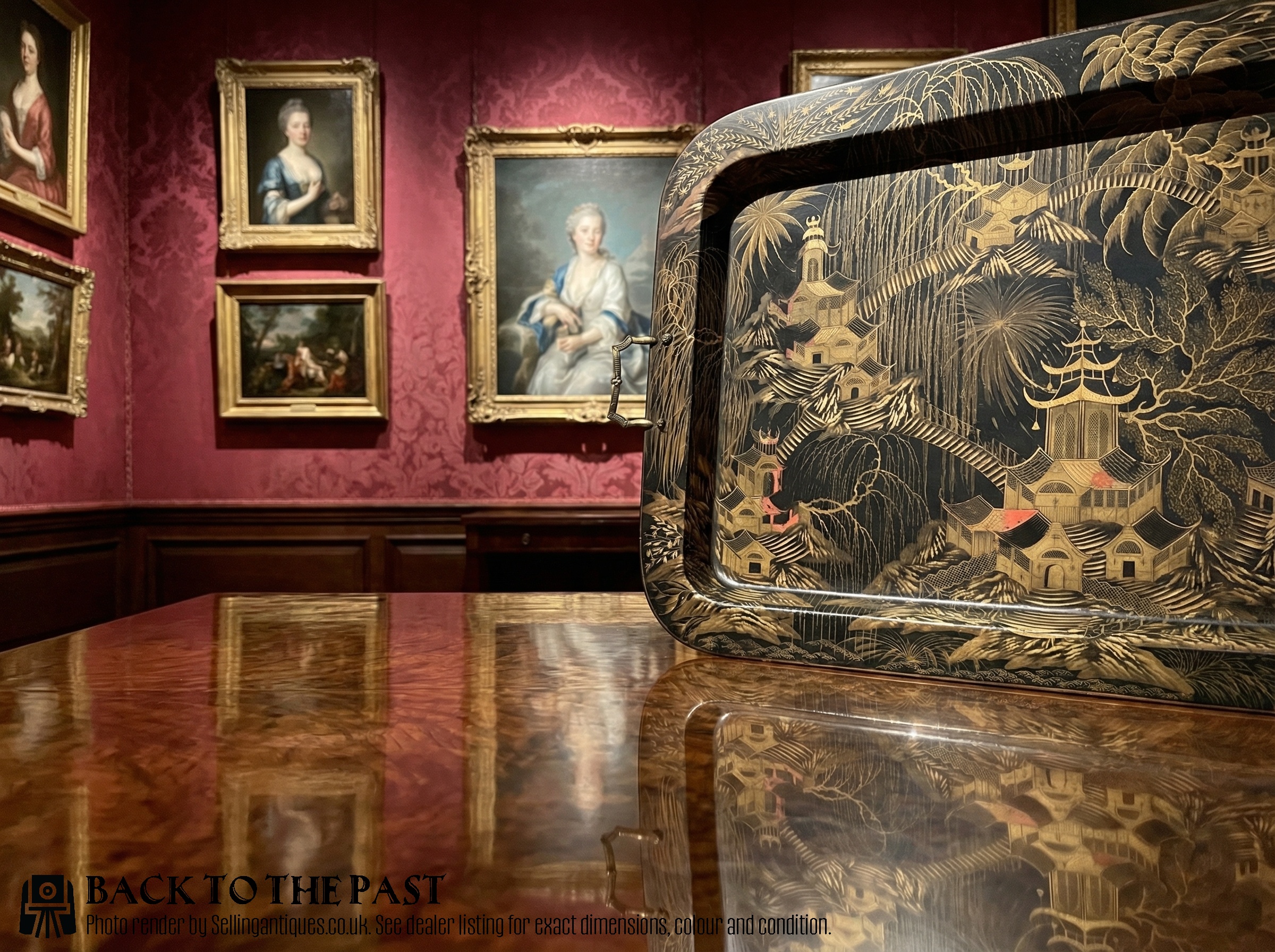
19th Century Tray
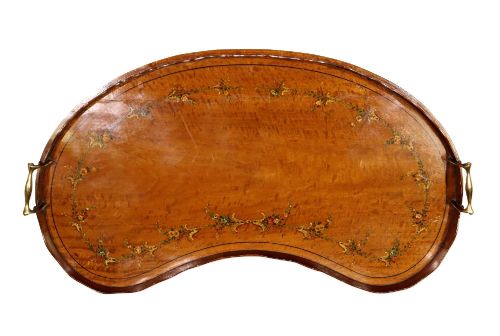
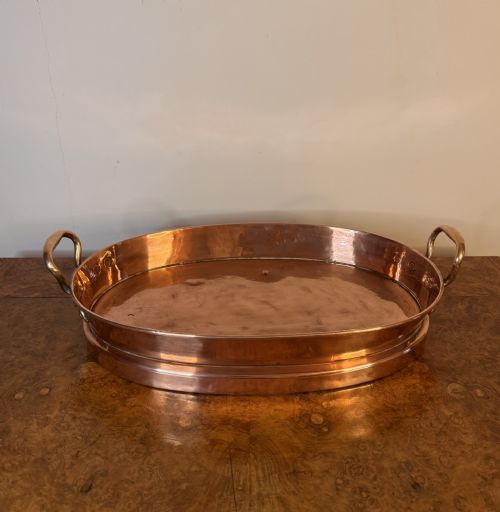
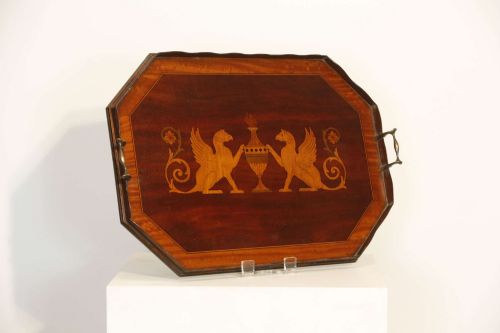
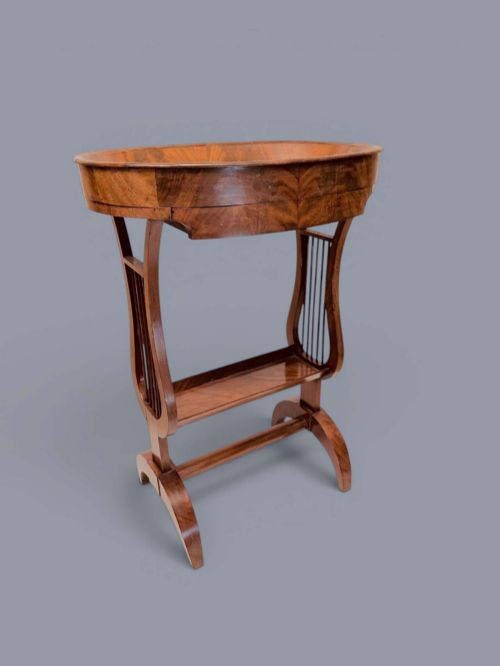
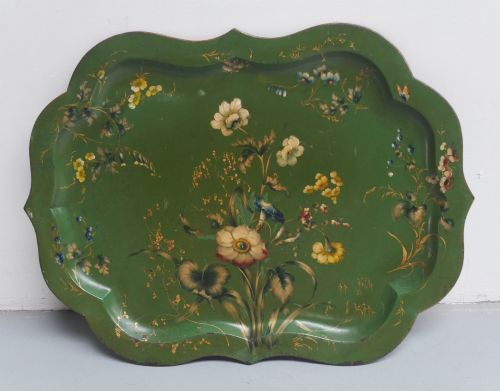
A 19th century tray encompasses serving pieces, butler's trays on folding stands, and decorative toleware items designed for domestic use. Mahogany examples often feature brass binding and handles for carrying across rooms.
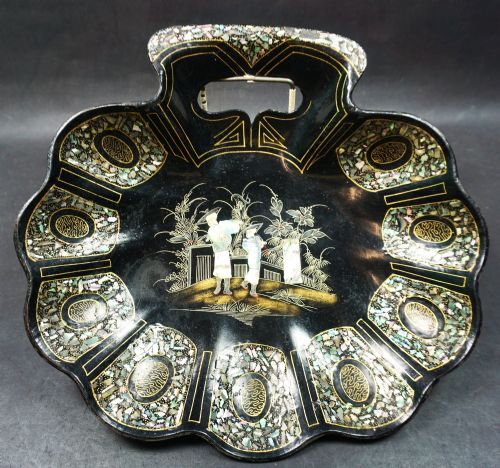
Papier-mâché and japanned surfaces display painted or inlaid decoration, sometimes mounted later as low coffee tables. These pieces originate from Georgian, Regency, and Victorian periods.
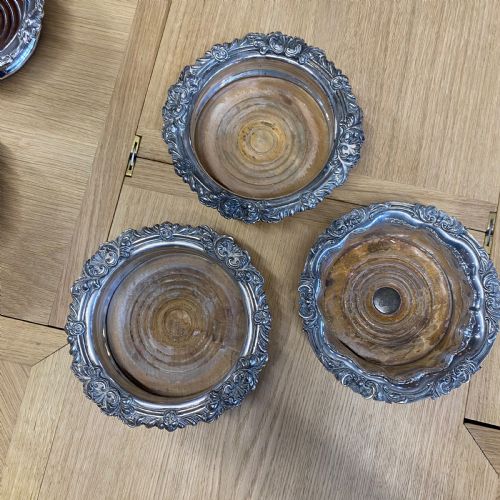
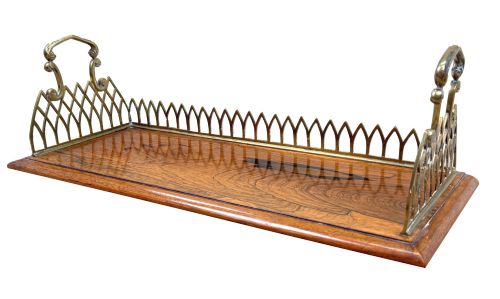
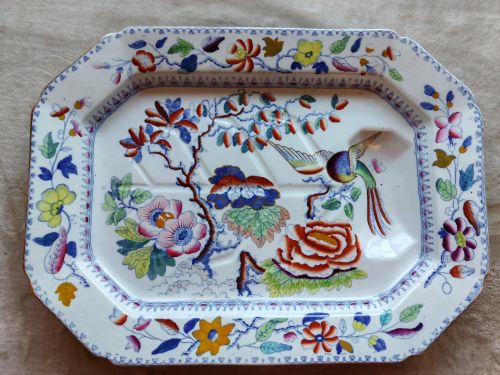
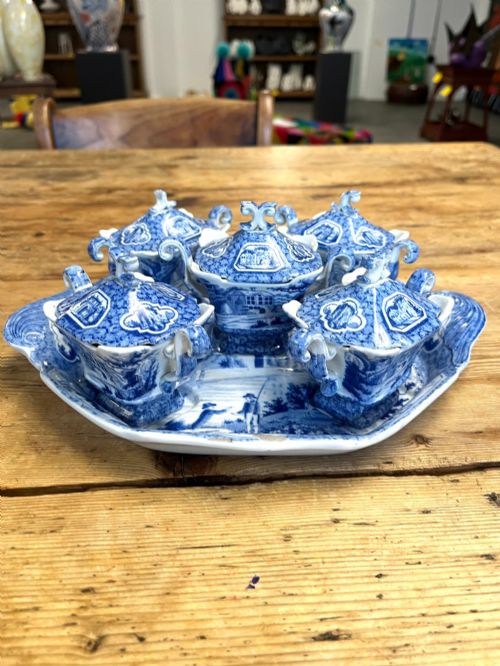
Alternative forms include silver-plated gallery trays with pierced rims and porcelain dishes originating from English and continental factories. Buyers encounter both utilitarian serving boards and decorative display pieces.
Materials and construction
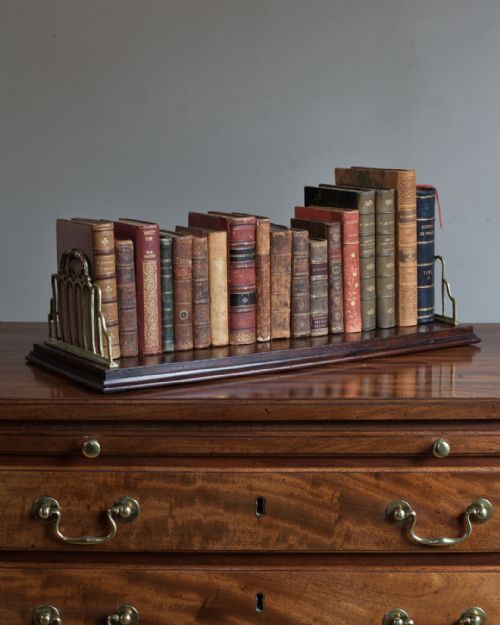
Timber construction relies heavily on mahogany, walnut, and pine, often incorporating satinwood inlay or brass bound edges. Cabinetmakers joined folding stands with hinges to support removable serving tops.
Papier-mâché trays combine paper pulp, glue, and resin pressed in moulds, then finished with dark lacquer and gold leaf or mother-of-pearl inlay. Toleware items utilise painted iron sheet metal.
Metal pieces involve silver plating over base metals, cast bronze, and brass, while ceramic items use porcelain and earthenware bodies painted with transfer prints or hand-applied enamels.
19th Century Tray Retail Price Guide 2026
Typical asking prices for 19th century tray among the pieces listed under this phrase on Sellingantiques today, from the lower quarter to the upper quarter. They describe what is for sale here now, not the wider market.
Evaluating the craftsmanship
Quality depends on the crispness of hand-painted details, the tightness of wood joinery, and the preservation of original japanned or lacquered surfaces. Finer items retain makers' stamps or paper labels on the underside.
Materials dictate durability, where thick mahogany boards and heavy gauge brass outlast thinner veneers and pressed iron. The survival of original folding stands or matched bases adds historical integrity.
Thomas Bradbury And Sons·Elkington·B Walton And Co·Jennings And Bettridge·Benetfink And Co
The 19th Century Tray Glossary
- Toleware
- Painted or lacquered sheet metal items produced for domestic serving or display. These objects often feature black grounds with floral motifs.
- Butler's tray
- A portable wooden tray with hinged or cutout sides designed to lift onto a folding X-frame stand. They saw frequent use in nineteenth-century dining rooms.
- Japhaned
- European furniture and metalwork decorated in imitation of East Asian lacquerware. Artisans applied dark varnishes and gilt designs to papier-mâché or wood.
- Gallery tray
- A serving tray featuring a raised pierced metal or wooden rim around the edge. This railing prevented glassware and decanters from sliding off during transit.
- Transferware
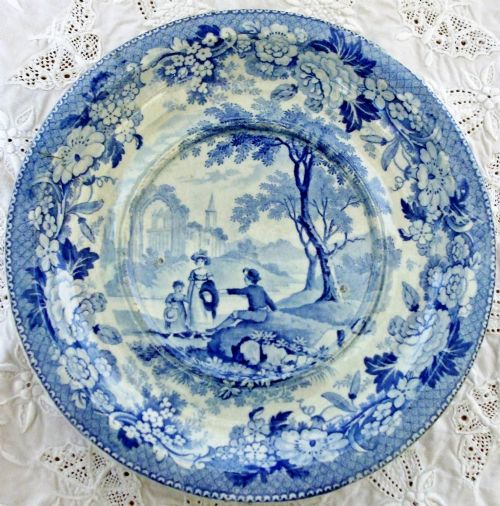
- Pottery decorated by applying a printed ink design from an engraved copper plate onto the ceramic body. This technique allowed repeatable blue and white patterns.
19th Century Tray: Frequently Asked Questions
How were butler's trays used?
Servants used them to carry food and drink from kitchens to dining areas before placing the tray onto a collapsible wooden stand. This setup saved space in domestic interiors.
Today, many of these trays sit on lower stands to function as coffee tables in living rooms.
Are papier-mâché trays fragile?
They consist of compressed paper pulp and binding agents treated with heavy lacquer, making them surprisingly robust for daily service. However, moisture and high heat can damage the painted finish.
Owners generally avoid submerging them in water and use soft cloths for cleaning.
What is toleware?
Toleware refers to enamelled or japanned metal objects, typically made from sheet iron, decorated with painted scenes or floral patterns. They served practical domestic functions.
Victorians prized them for their durability and colourful decorative schemes.
How do I identify a Regency tray?
Regency pieces often incorporate classical neoclassical motifs, papier-mâché construction with dark glossy finishes, or mahogany with precise brass stringing. Makers during this era favoured clean geometric forms.
Matching these traits with period construction techniques helps confirm the date.