


Antique Metal Tray
An antique metal tray brings centuries of practical craftsmanship and decorative presence into a room, offering both utility and surface character.
Antique Metal Tray
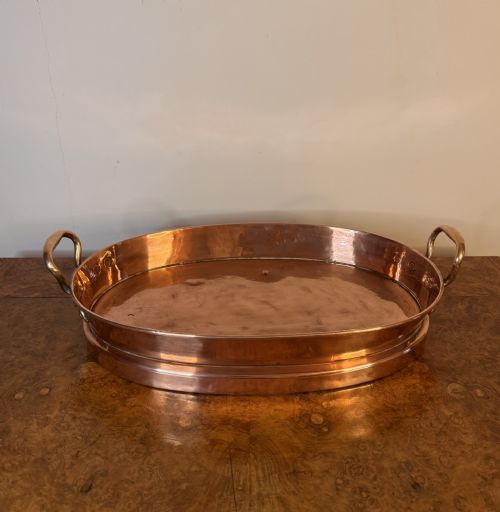
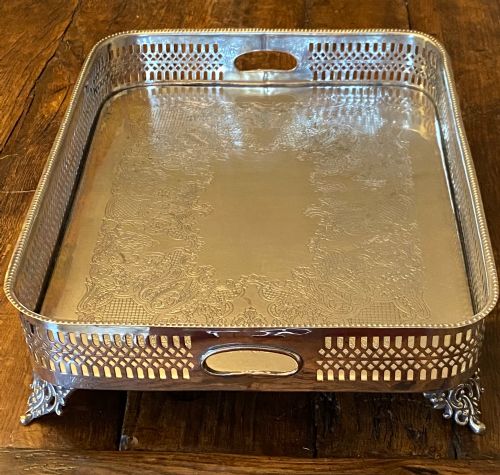
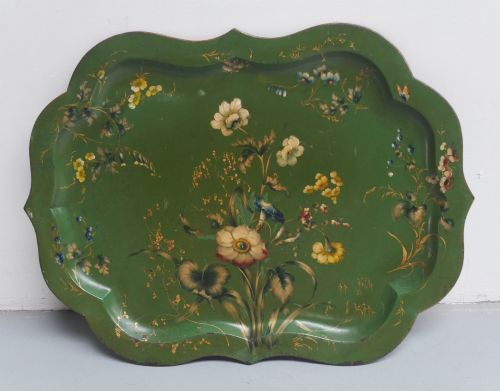
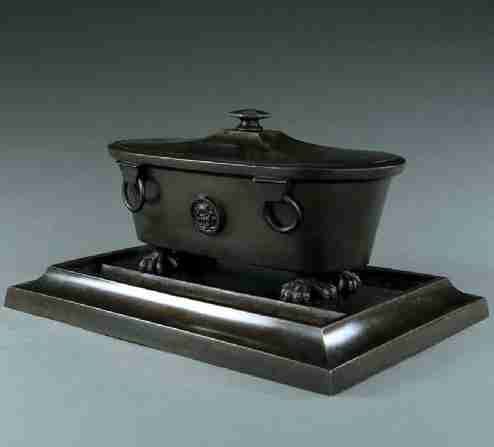
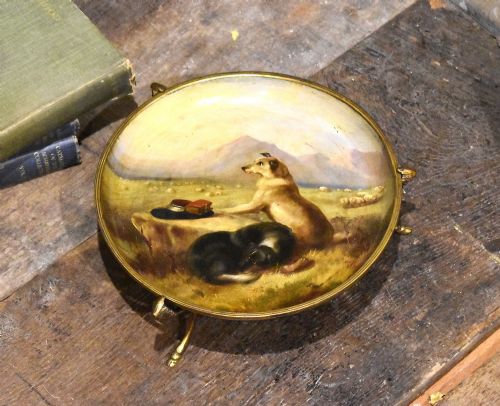
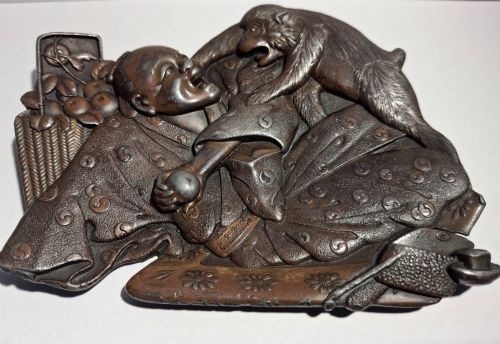
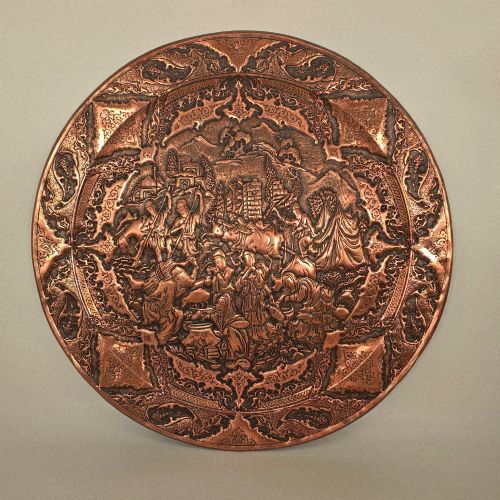
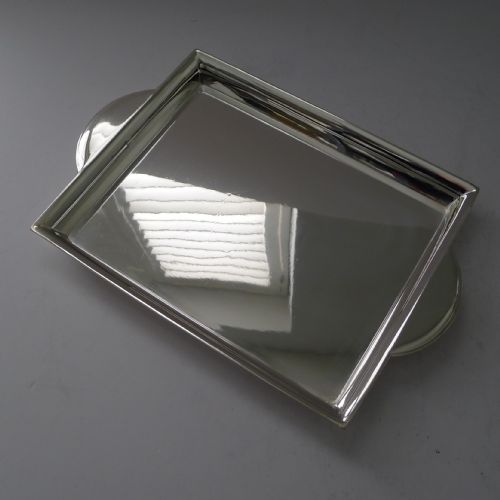
An antique metal tray encompasses practical serving pieces and decorative items shaped from copper, silver plate, brass, and painted sheet iron. When you examine an antique metal tray on this page, you encounter forms ranging from circular salvers and oval serving vessels to bread trays and Chinoiserie decorated pieces.
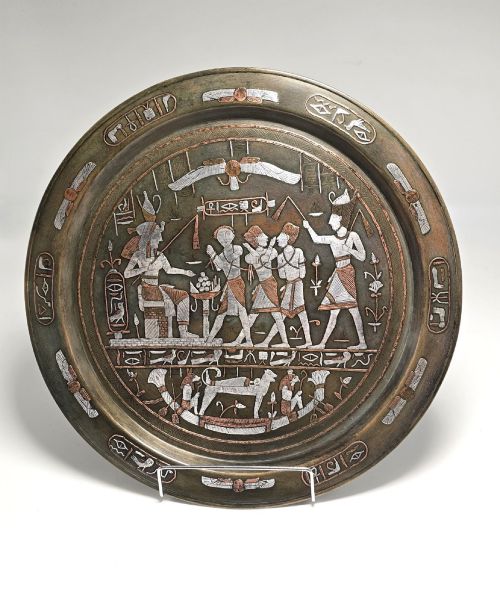
The selections span the nineteenth century, nineteen hundred, and nineteen twenty, reflecting Victorian, Art Nouveau, Rococo Revival, and Chinoiserie styles. Origin points include English, French, and Swedish workshops, alongside specialised items like cairoware mixed metal trays.
How they were made
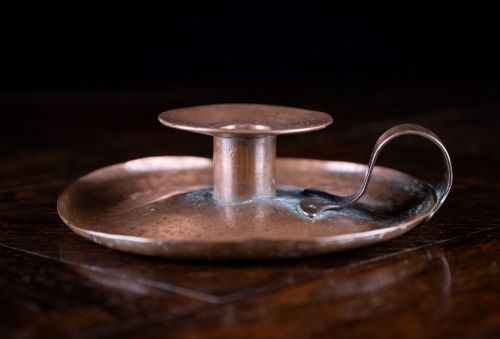
Makers utilised copper, silver plate, Sheffield plate, brass, cast white metal, and painted sheet iron to construct these vessels. Techniques involved hammering, casting, and plating base metals to achieve durable and lustrous surfaces.
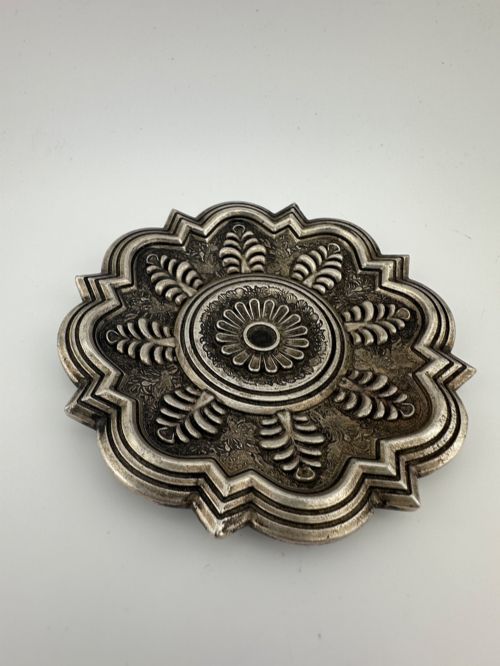
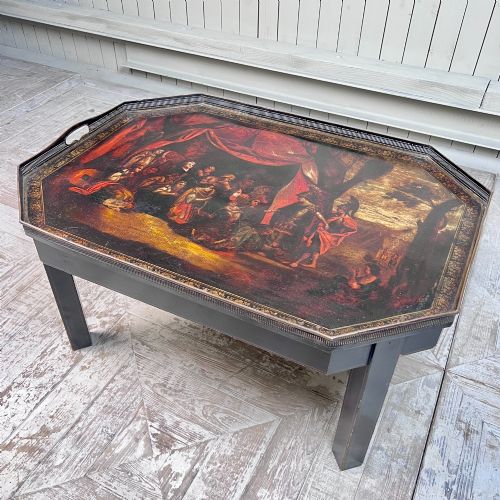
Decoration required specialised skills such as hand painting for Chinoiserie and tôle peinte examples, or mixed metal inlay work seen in cairoware pieces. Surfaces were shaped into specific outlines like baguettes, circular platters, and oval trays.
Antique Metal Tray Retail Price Guide 2026
Typical asking prices for metal tray among the pieces listed under this phrase on Sellingantiques today, from the lower quarter to the upper quarter. They describe what is for sale here now, not the wider market.
Listings feature items from the nineteenth century, nineteen hundred, and nineteen twenty, employing silver plate, copper, and painted sheet iron.
What varies in quality
Quality rests in the precision of the metalworking, the integrity of the plating, and the crispness of applied decoration like hand-painted motifs or mixed metal inlays. Pieces bearing identifiable maker stamps or originating from recognised workshops demonstrate superior execution.
The depth of relief work, the stability of handles and rims, and the preservation of original painted surfaces distinguish standard production items from finer decorative examples.
Padley Parkin·Fenton Russel
The Antique Metal Tray Glossary
- Sheffield Plate
- A composite material made by fusing a thin sheet of silver to a thicker copper base, common in nineteenth century manufacturing.
- Tôle Peinte
- Painted sheet iron or steel, often finished with lacquer and detailed ornamental painting.
- Salver
- A tray, usually made of silver or silver plate, used for presenting items or serving drinks.
- Cairoware
- Metalwork featuring complex inlaid patterns of silver, copper, and brass, popular during the Victorian period.
- Chinoiserie
- European decorative style reflecting Chinese artistic traditions, often seen on painted trays.
Antique Metal Tray: Frequently Asked Questions
What are antique metal trays made of?
These pieces are constructed from materials including silver plate, copper, Sheffield plate, painted metal, lacquer, painted sheet iron, tin, and brass. Makers selected these metals for their durability, malleability, and suitability for decorative finishes.
Working methods included casting, hammering, and plating to form structured trays and salvers.
How do I date an antique metal tray?
Dating relies on stylistic indicators such as Victorian, Art Nouveau, Rococo Revival, or Chinoiserie design motifs. Maker marks, stamps, and material combinations like Sheffield plate also provide chronological markers.
Periods represented on this page span the nineteenth century up to nineteen twenty.
What is tôle peinte?
Tôle peinte refers to painted sheet iron, typically finished with lacquer and detailed hand-painted decoration. This technique allowed makers to create colourful, ornate designs on a stable metal base.
Examples on this page include oval serving trays decorated in this manner.