




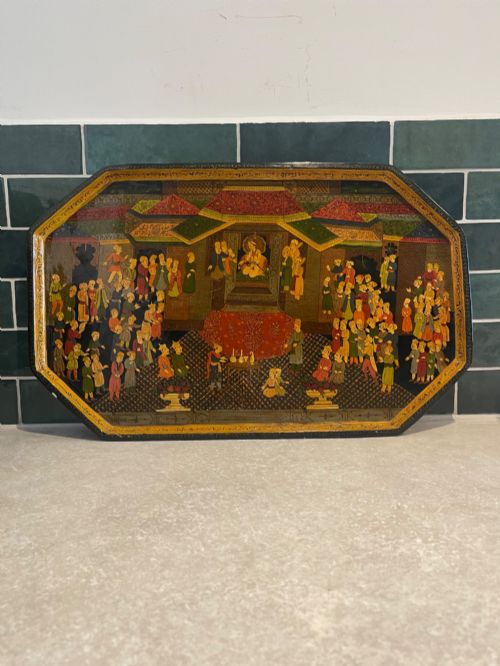
Black Lacquer Tray
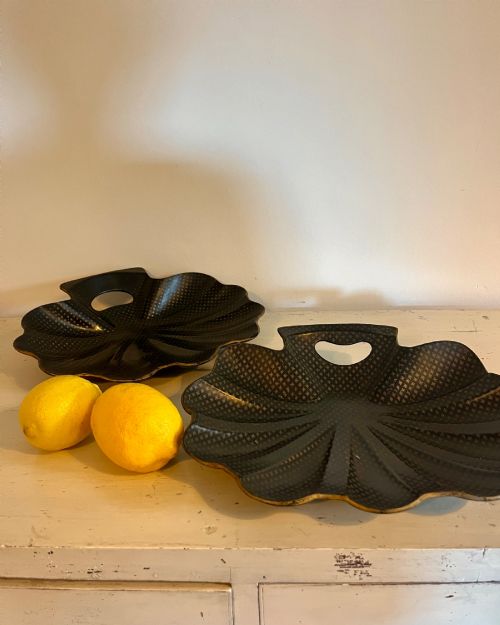
These black lacquer tray examples offer striking surfaces and deep historical character, bringing genuine warmth and utility into a room.
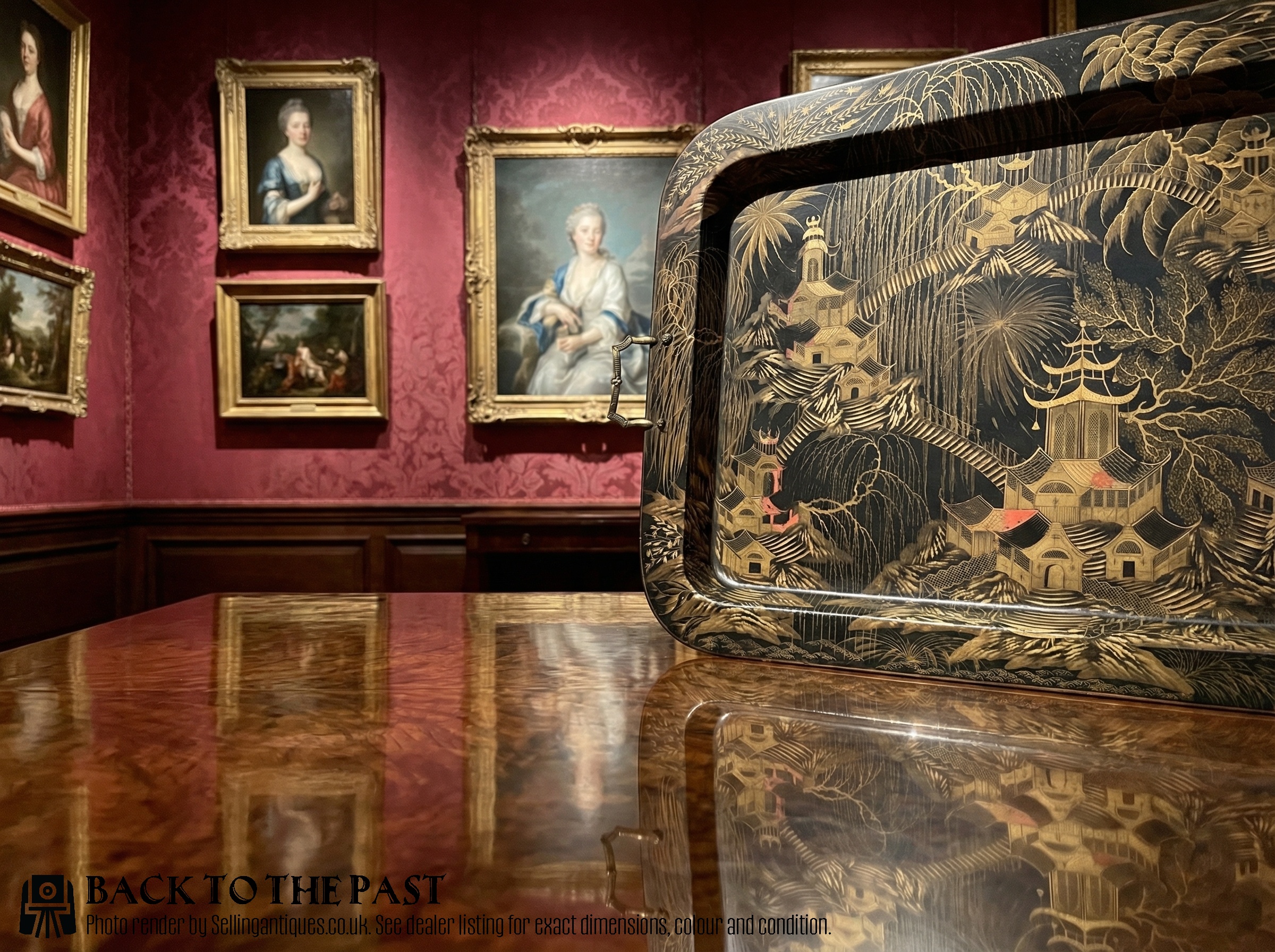
Black Lacquer Tray
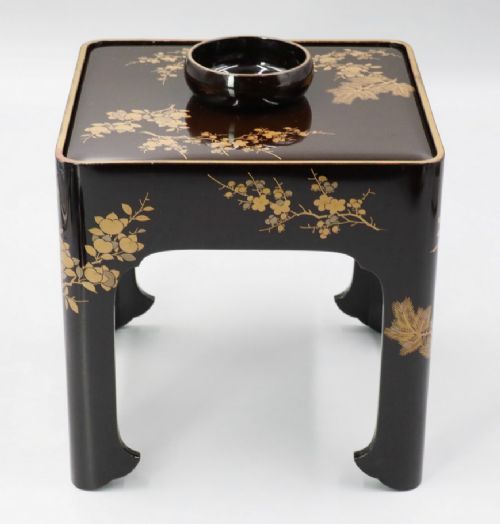
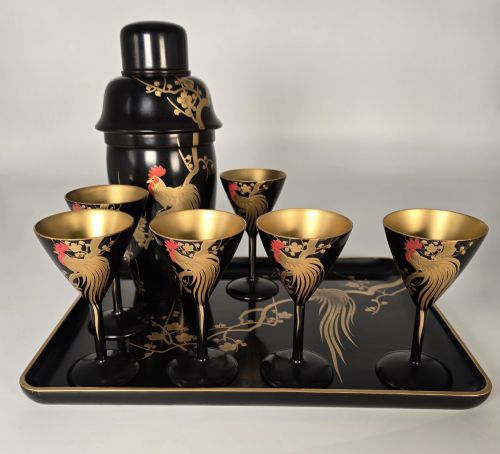
A black lacquer tray is a versatile furnishing form found across the Regency, Georgian, Victorian, and later periods. The selection on this page demonstrates various applications, ranging from traditional serving pieces to decorative surfaces and fitted tray tables.
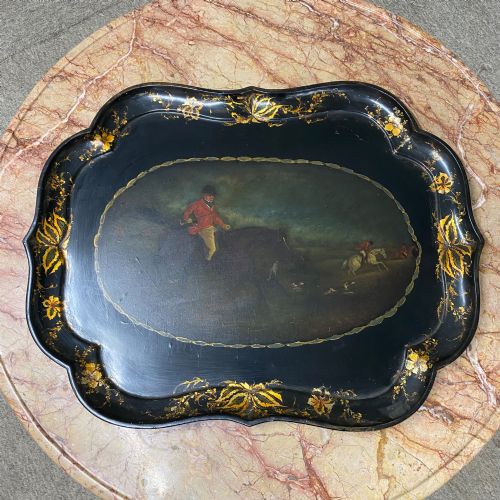
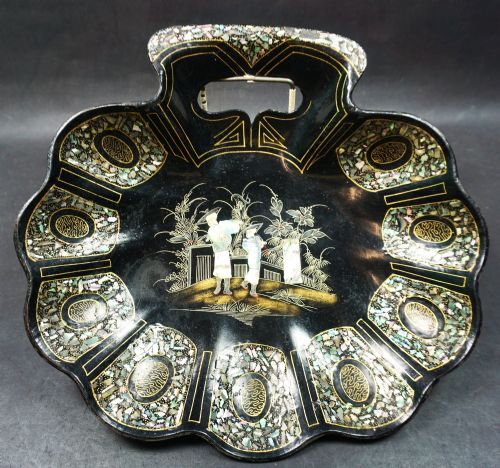
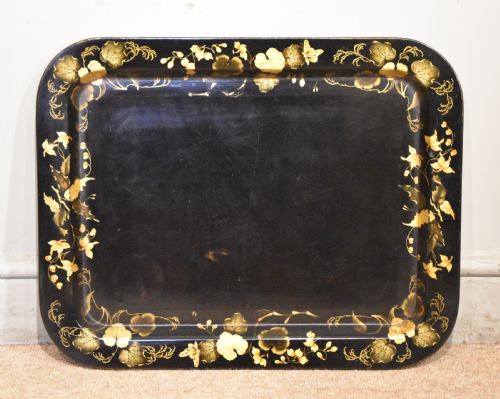
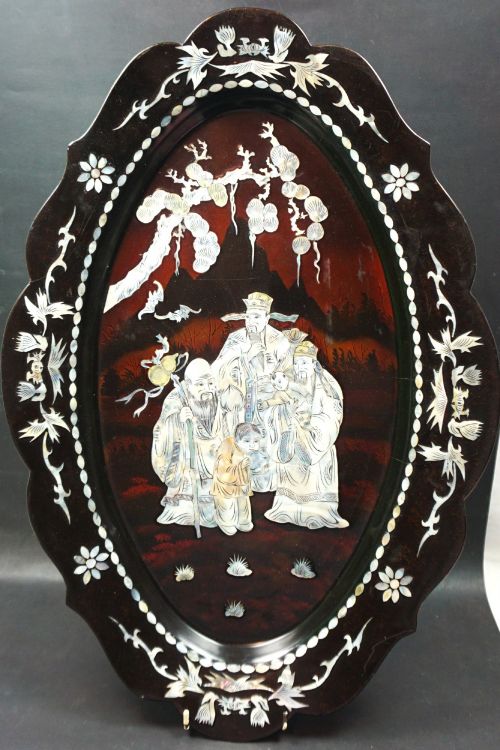
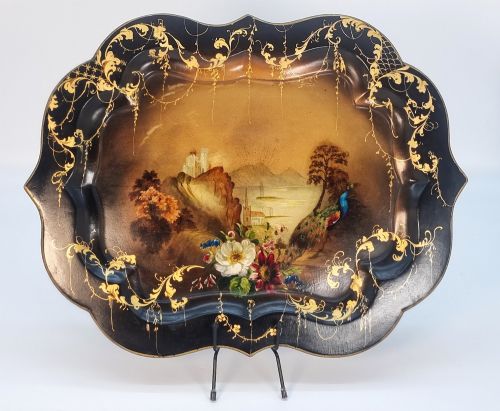
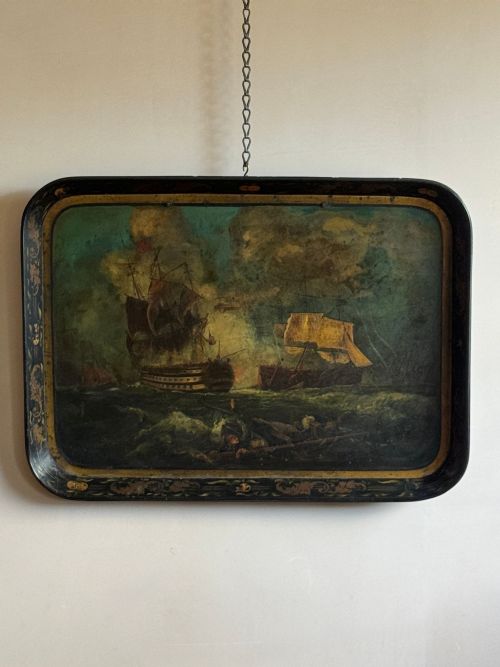
English Chinoiserie and Japanese export pieces represent prominent stylistic traditions within these listings. Buyers frequently encounter oval and rectangular papier-mâché forms alongside wooden examples designed for domestic display or daily service.
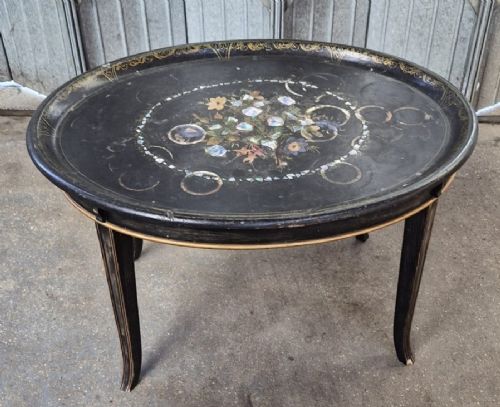
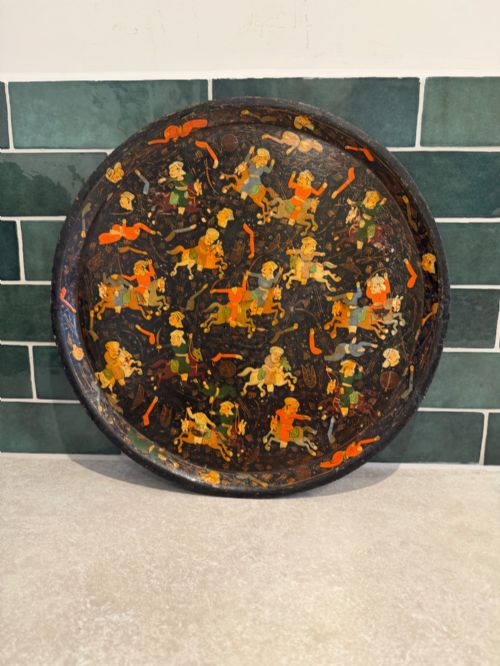
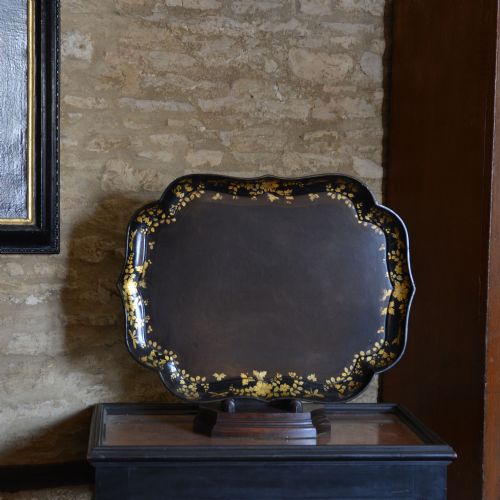
Origins span from early nineteenth-century English workshops to Japanese export production and Victorian manufacturing. Many pieces survive in forms adapted later as coffee tables or mounted on dedicated stands.
Materials and construction
Papier-mâché serves as the primary substrate for numerous early examples, providing a remarkably strong yet light foundation for smooth lacquer application. Wood also appears across various centuries as a sturdy core material for larger serving forms.
Makers applied layers of black lacquer to achieve a deep, reflective finish before embellishing the surface. Artisans integrated gold leaf, gilding, and mother of pearl inlay to build intricate decorative motifs, occasionally supported by brass hardware.
Black Lacquer Tray Retail Price Guide 2026
Typical asking prices for black lacquer tray among the pieces listed under this phrase on Sellingantiques today, from the lower quarter to the upper quarter. They describe what is for sale here now, not the wider market.
Materials across these listings include papier-mâché, wood, mother of pearl, brass, and gold leaf.
Assessing quality and execution
Quality rests heavily on the depth of the lacquer finish and the precision of the hand-painted or gilded decoration. Superior examples display crisp Chinoiserie detailing and secure inlay work that has remained stable through generations of use.
The integrity of the underlying papier-mâché or wood core dictates structural longevity. Pieces retaining their original stands or demonstrating maker attributions tend to command stronger interest from collectors.
Clay·Heian Zohiko
The Black Lacquer Tray Glossary
- Papier-mâché
- A composite material made from paper pulp or layers of paper mixed with glue, heavily compressed and dried to form a durable base for lacquer.
- Chinoiserie
- European decorative style reflecting Chinese artistic influences, frequently featuring idyllic landscapes, figures, and pavilions rendered in gold on dark grounds.
- Tôle peinte
- Painted sheet metal fashioned into decorative domestic objects, sharing display roles with traditional lacquered wares.
- Japanese export
- Goods produced in Japan specifically for Western markets, often combining traditional lacquer techniques with European forms.
- Gilding
- The application of gold leaf or powder onto a prepared surface to create luminous decorative highlights.
Black Lacquer Tray: Frequently Asked Questions
How do I clean a papier-mâché tray?
Dust the surface gently with a soft, dry cloth to remove loose particles.
Avoid using water, chemical cleaners, or abrasive polishes, as these can permanently damage the delicate lacquer finish.
Can I use these trays for serving drinks?
Many historical trays were built to function as active serving vessels, particularly robust papier-mâché and wooden examples.
However, modern users often protect the finish by placing linens underneath hot or wet items.
Why are some trays mounted on stands?
Larger serving trays were frequently converted into low tables during the Victorian period or later to suit domestic living spaces.
These tray tables offer a practical way to display decorative surfaces while serving as functional furniture.
How do I distinguish Regency from Victorian examples?
Regency pieces often feature refined Chinoiserie motifs and fine papier-mâché construction associated with early nineteenth-century workshops.
Victorian iterations frequently lean towards heavier hand-painted floral ornamentation and broader utility as table tops.