
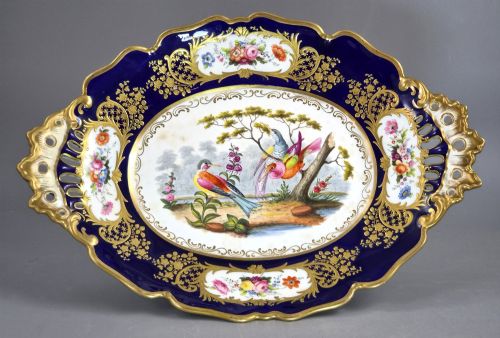
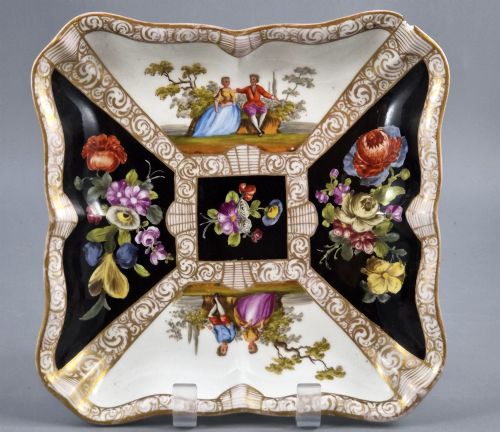
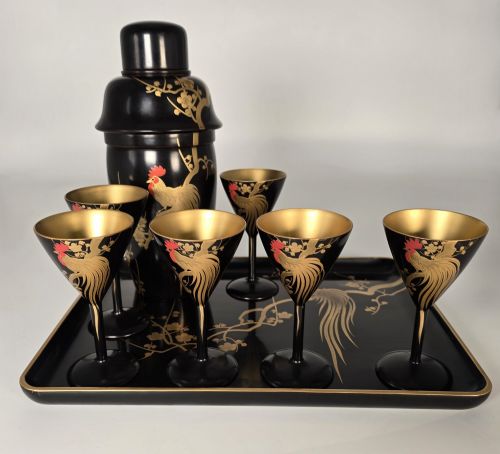
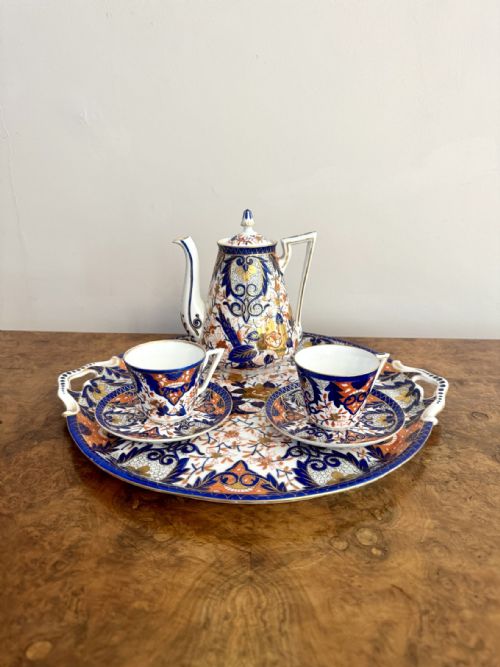
Hand Painted Tray
When you select a hand painted tray, you bring home a surface carrying centuries of brushwork on porcelain, papier-mâché, and toleware.
Hand Painted Tray
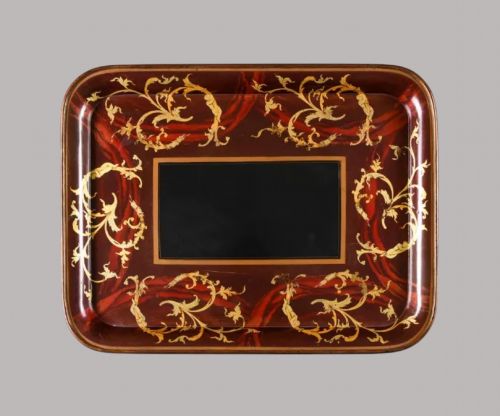
A hand painted tray serves as both a functional serving vessel and a decorative display piece, drawing from centuries of domestic utility. You will frequently encounter lightweight papier-mâché examples alongside robust tin toleware and fine porcelain dishes.
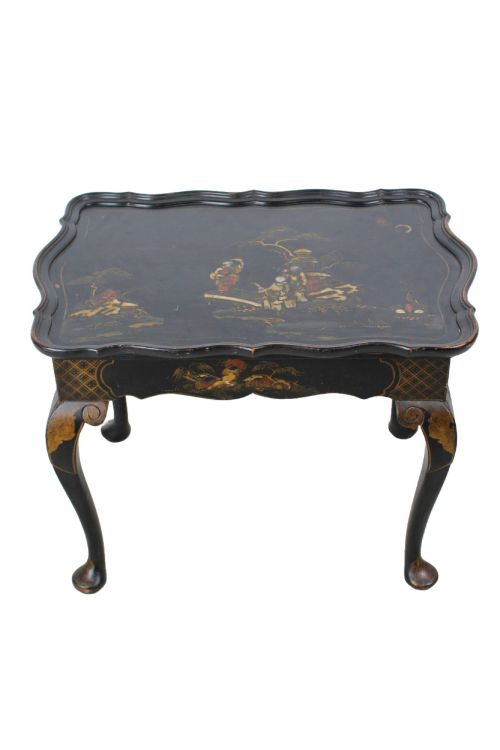
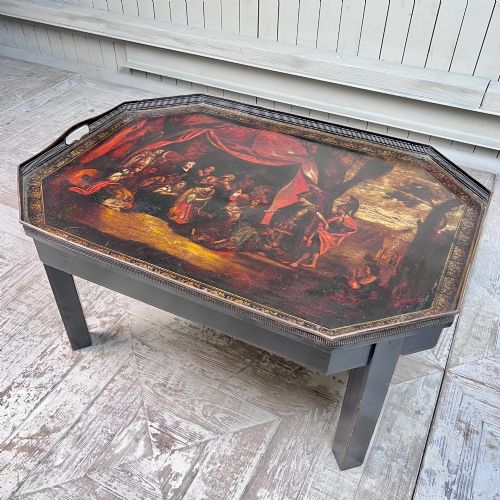
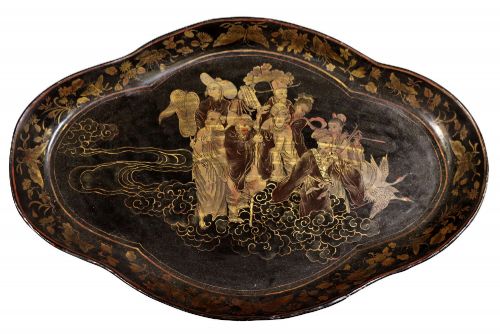
The selections span distinct periods from the Georgian era through to the early twentieth century, showing global influences from Chinese Canton and Japanese lacquer to European floral traditions. Many items survive mounted on custom stands as coffee tables or side tables.
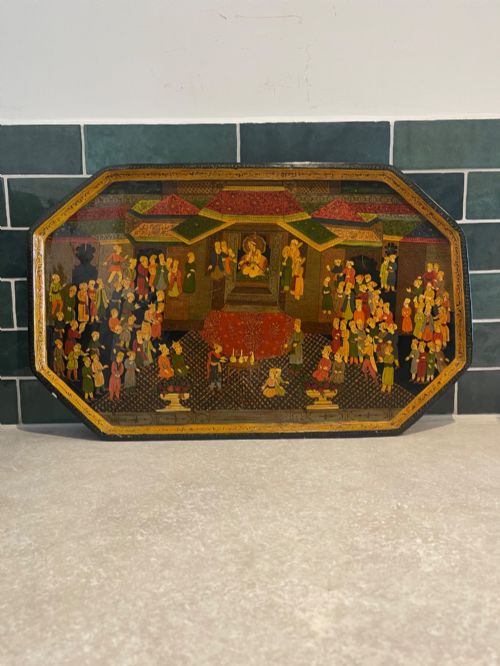
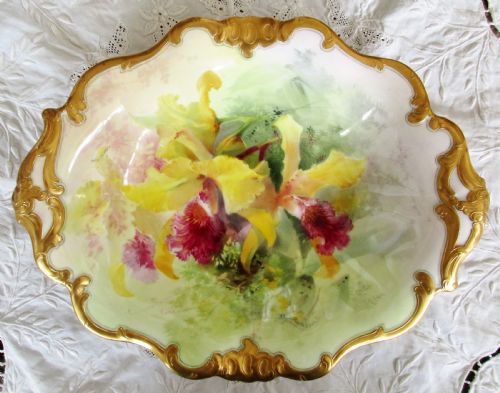
Makers utilised these surfaces for elaborate pictorial scenes, botanical studies, and Chinoiserie motifs. The surviving pieces record diverse scales, from small pin trays to large serving platters.
Materials and construction techniques
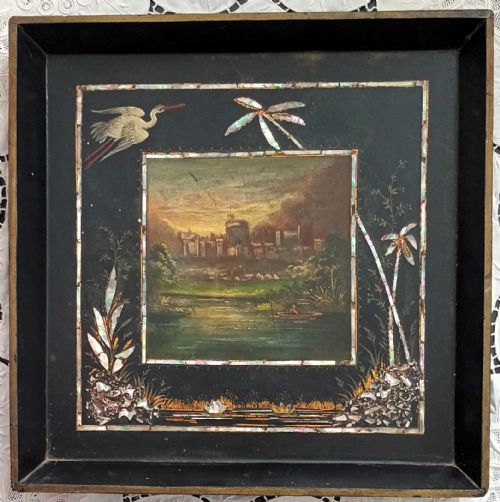
Papier-mâché pieces relied on layers of paper pulp or sheets pressed and dried into rigid forms, then finished with dark lacquers and varnishes. Artisans frequently added gilding or mother-of-pearl inlay directly into the damp base layers before painting.
Toleware objects began as sheet metal, usually iron, which workers shaped into trays and coated with heavy japanned finishes. Painters applied oil-based pigments over these dark grounds, often sealing the pictorial scenes with clear protective coats.
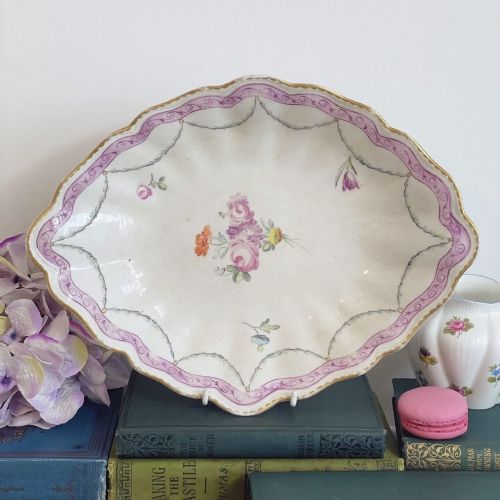
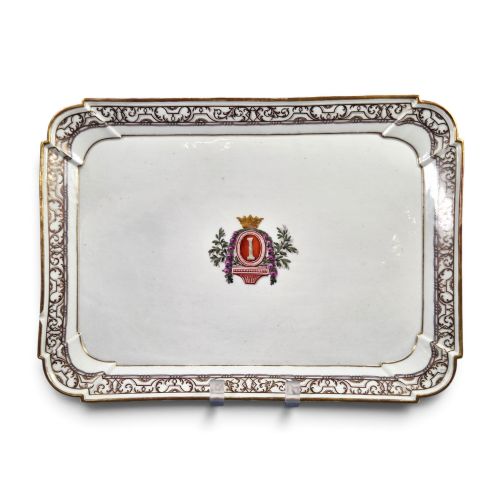
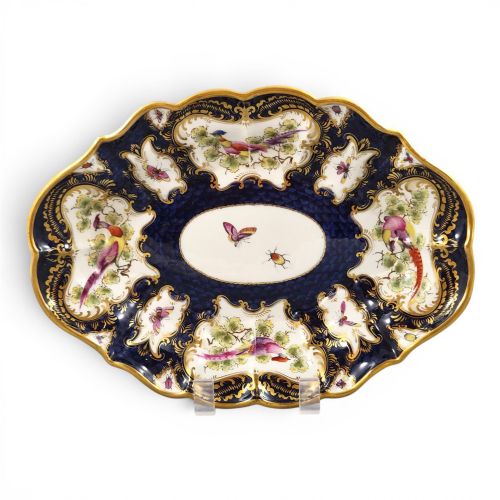
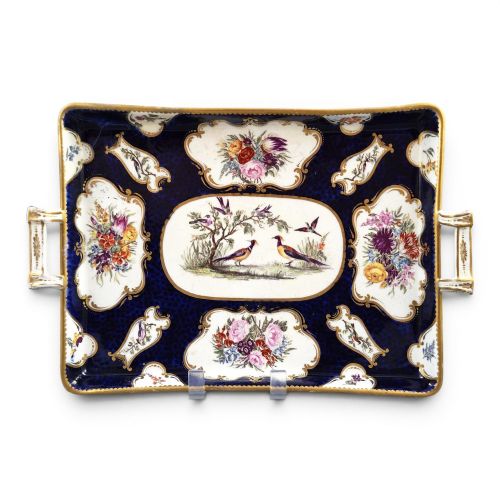
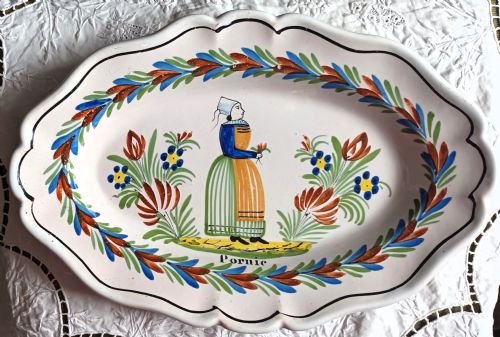
Porcelain and earthenware bodies required high-firing in kilns before artists applied polychrome enamel paints and gold leaf accents. Multiple firings fused the delicate brushwork of botanical sprays or figurative panels permanently to the ceramic glaze.
Materials span papier-mâché, porcelain, enamel, toleware, and lacquer, reflecting diverse global manufacturing traditions from the eighteenth to the twentieth century.
Distinctions in execution and preservation
The distinction between standard domestic items and superior examples lies primarily in the precision and complexity of the brushwork. Master painters executed detailed historical narratives, intricate bird studies, or multi-figure landscapes with fine tonal gradation.
The durability of the underlying material and the integrity of the original surface finish dictate longevity. Pieces that retain their unblemished japanning, original gilding, and crisp polychrome details command greater appreciation among collectors.
Royal Worcester·Coalport·Meissen·Royal Doulton
The Hand Painted Tray Glossary
- Toleware
- Painted or lacquered sheet metal items produced extensively during the eighteenth and nineteenth centuries. These objects frequently display japanned grounds with floral or figural motifs.
- Papier-mâché
- A composite material made from paper pulp or reinforced paper sheets moulded under pressure. It provides a lightweight yet durable base for lacquering and hand-painted decoration.
- Japannng
- A European imitation of East Asian lacquerwork involving layered varnishes baked onto metal or wood substrates. The process typically yields a glossy black or dark ground.
- Famille Rose
- A major palette of Chinese ceramic glazes introduced in the eighteenth century, distinguished by opaque pink or purple enamel colours. It frequently decorates export porcelain dishes and planters.
Hand Painted Tray: Frequently Asked Questions
How do I clean an antique papier-mâché tray?
Dust the surface gently with a soft, dry cloth to remove loose particles. Avoid using water, liquid cleaners, or abrasive agents that might damage the fragile lacquer and painted decoration.
Keep the item away from direct sunlight and damp environments to prevent the paper composite from warping or cracking over time.
Were toleware trays used for serving food?
Many toleware pieces functioned primarily as ornamental items or for carrying dry goods and teaware rather than wet food. The metal substrates could rust if exposed to moisture over prolonged periods.
Historical examples often decorated drawing rooms or sat upon stands when not in active service.
Can I use a tray table for daily coffee service?
Many historical trays mounted on stands serve adequately as occasional side tables for light items. Care should be taken to protect the antique painted surface from heat rings and moisture.
Utilising coasters and placemats helps preserve the delicate artwork from accidental scratches during everyday use.