


Bleu De Roi Porcelain
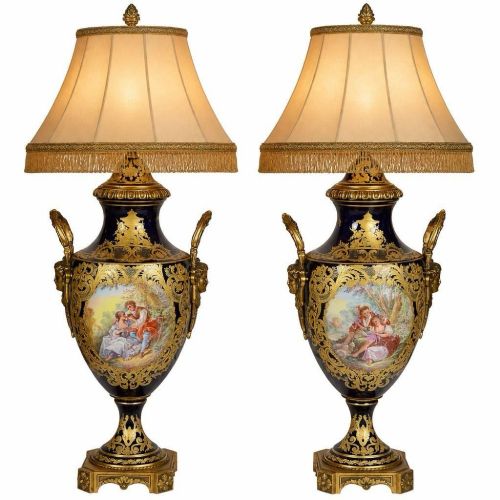
Bleu de roi porcelain objects are deep cobalt ceramics mounted in ormolu and gilt bronze, prized for their rich French aesthetic.
Bleu De Roi Porcelain
Bleu de roi porcelain encompasses decorative objects and utilitarian vessels finished in a striking royal blue glaze. Pieces span the eighteenth century through the early twentieth century, reflecting enduring French revivals.
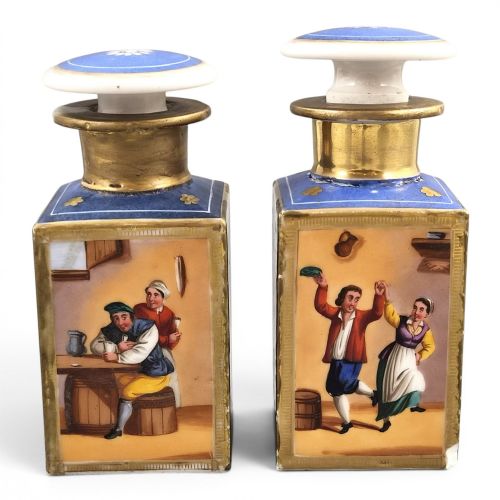
Buyers encounter table lamps, perfume bottles, decorative trays, and monumental lidded vases mounted in gilt bronze and ormolu. These items frequently channel French Rococo, Louis XVI, and neoclassical design idioms.
How they were made
Makers utilised hard-paste porcelain as the primary ceramic body, applying the distinctive royal blue glaze before firing. Artisans then enriched the surfaces with gold leaf and detailed enamel work.
Metalworkers cast ormolu and gilt bronze mounts to encase and elevate the porcelain bodies. Silk elements and glass components occasionally appear in tandem with these ceramic and metal assemblies.
Bleu De Roi Porcelain Retail Price Guide 2026
Typical asking prices for bleu de roi porcelain among the pieces listed under this phrase on Sellingantiques today, from the lower quarter to the upper quarter. They describe what is for sale here now, not the wider market.
Perfume bottles in this collection survived two centuries of vanity service to keep their nineteenth-century lids intact.
What varies in quality
Quality rests upon the depth and uniformity of the cobalt glaze alongside the precision of the hand-painted enamel decoration. Superior examples display crisp figural scenes or floral motifs that remain intact across the ceramic surface.
The execution of the ormolu and gilt bronze mounts distinguishes finer pieces from simpler counterparts. Heavier, more deeply chased metalwork indicates superior craftsmanship and adds substantial presence to clocks, vases, and garniture sets.
Jacob Petit
The Bleu De Roi Porcelain Glossary
- Bleu de roi
- A deep royal blue ceramic glaze developed at the Sevres factory. It provides a dark, uniform ground for subsequent gilding and enamel painting.
- Ormolu
- Finely chopped high-karat gold applied to a bronze base using a mercury amalgamation process. This technique creates a durable, golden metallic finish on furniture and porcelain mounts.
- Garniture
- A matched set of ornamental vases, urns, or figures designed to display together on a mantelpiece or sideboard. They typically comprise a central piece flanked by smaller matching companions.
- Hard-paste porcelain
- A true ceramic composition fired at high temperatures using kaolin and petuntse. This creates a dense, vitrified body that resists scratching and absorbs glazes evenly.
- Comport
- A decorative pedestal dish or bowl elevated on a foot. These pieces served fruit or sweetmeats during formal nineteenth-century dining.
Bleu De Roi Porcelain: Frequently Asked Questions
What is bleu de roi porcelain?
Bleu de roi porcelain refers to ceramics finished in a saturated royal blue glaze, heavily associated with French production and decorative arts.
These pieces often feature ornate gilt bronze mounts and hand-painted scenes reflecting neoclassical or rococo tastes.
How do I identify a Sevres style piece?
Sevres style items typically combine rich blue or pastel grounds with intricate gilding and detailed pastoral or courtly figural panels.
Makers across France emulated these royal aesthetics throughout the nineteenth century, producing lamps, urns, and comports.
Where were these porcelain objects displayed?
Nineteenth-century households placed mantel clocks, garniture sets, and vases on prominent reception room surfaces.
Smaller items like perfume bottles and trays rested on dressing tables or display cabinets.
How should I clean ormolu mounts?
Ormolu requires gentle dusting with a soft, dry cloth to preserve the historical surface and gold leaf.
Avoid commercial metal cleaners, which can strip away the original mercury gilding or damage the adjacent porcelain glaze.