

Gilded Porcelain Platter
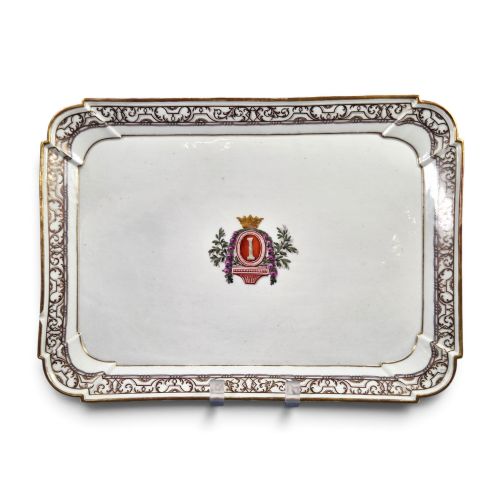
These gilded porcelain platter selections bring together fine ceramic serving pieces finished with gold leaf.
Gilded Porcelain Platter
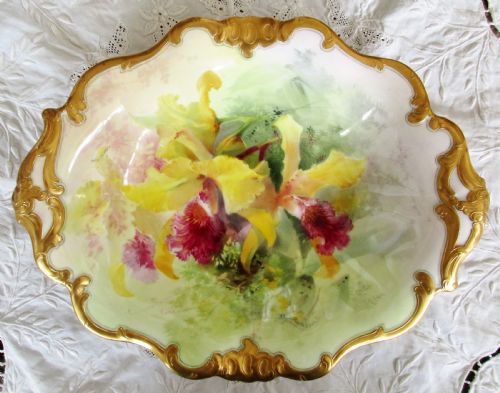
A gilded porcelain platter serves as a decorative or functional surface for display and service, often taking the form of chargers, serving dishes, and cabinet plates. The pieces appearing here span from the 18th century through the Victorian and Meiji periods, reflecting both European manufactories and Japanese traditions.
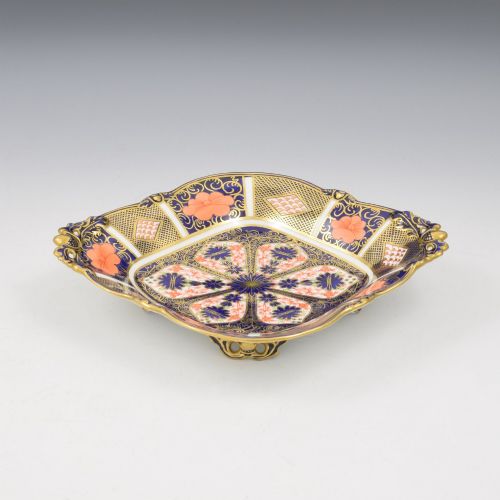
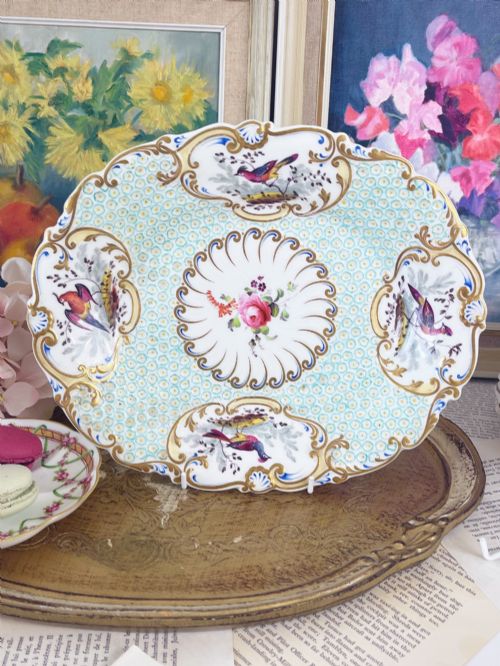
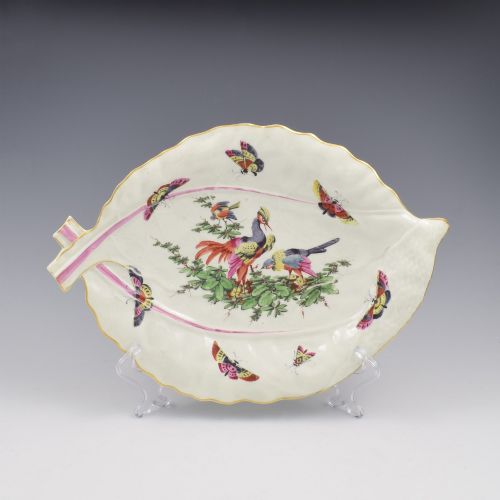
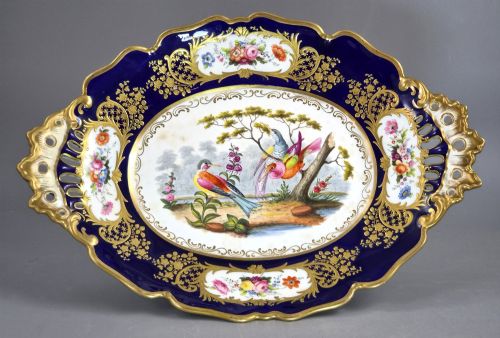
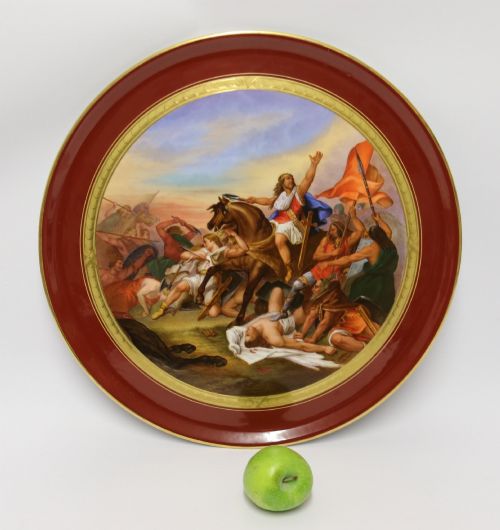
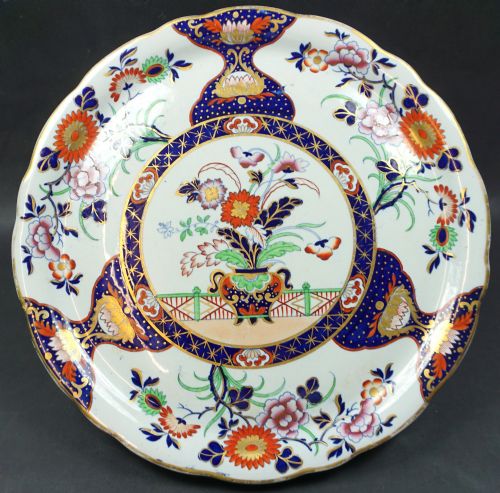
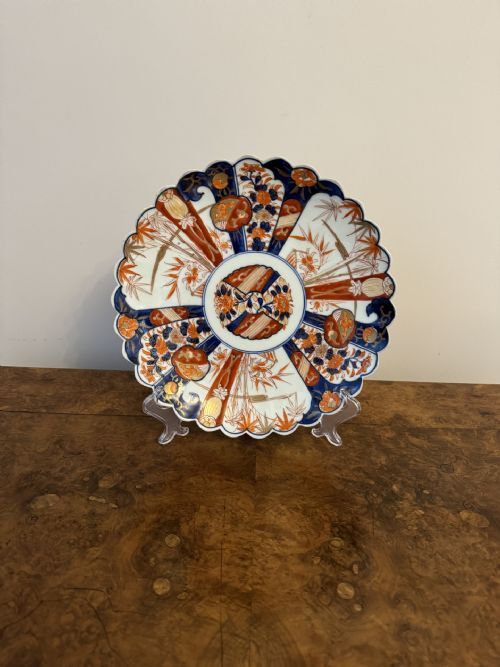
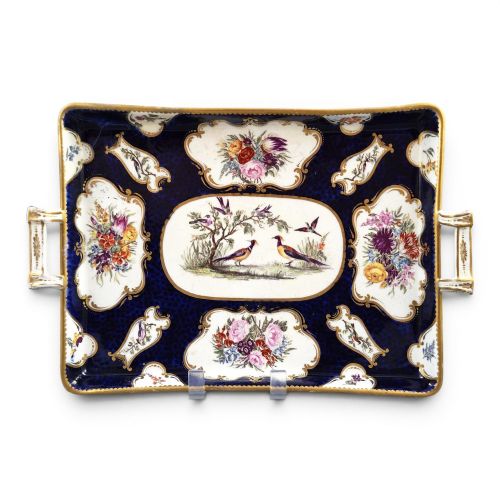
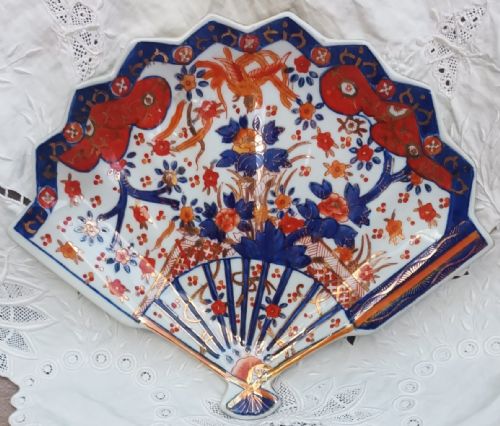
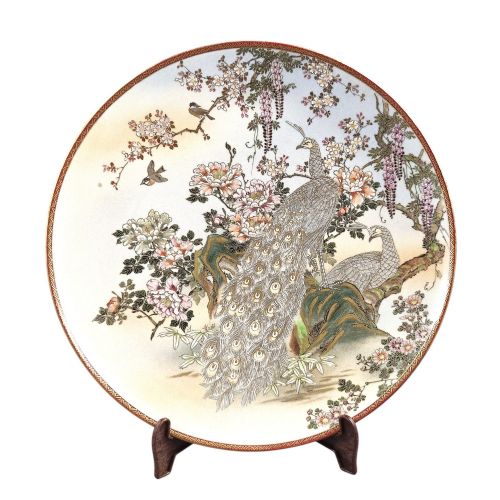
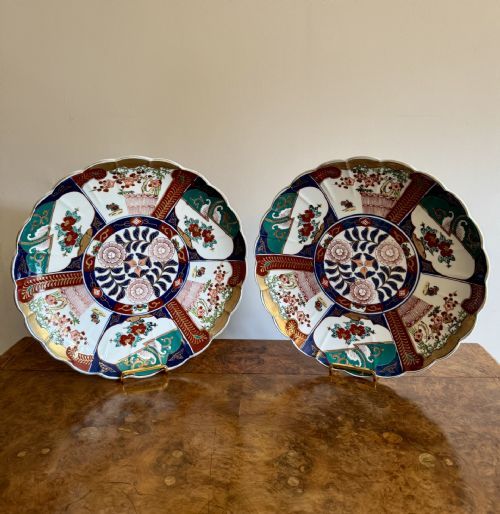
Buyers will most frequently encounter Japanese Imari chargers alongside 19th-century English and French porcelain service dishes. These items range from large painted platters featuring birds and florals to elaborate cabinet plates bearing cobalt blue and gold highlights.
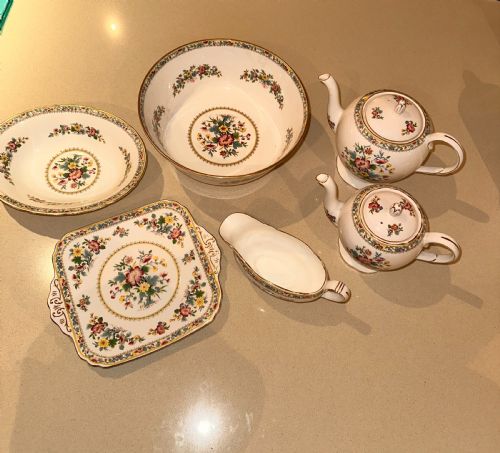
Originating from periods such as the Georgian, Regency, and late 19th century, these ceramic pieces demonstrate the enduring appeal of gilt detailing upon hard and soft paste bodies.
How they were made
Potters shaped porcelain, bone china, earthenware, and ceramic bodies before applying enamel paints and metallic finishes. Artisans utilised gold leaf and gilding techniques to accent rims, handles, and painted scenes.
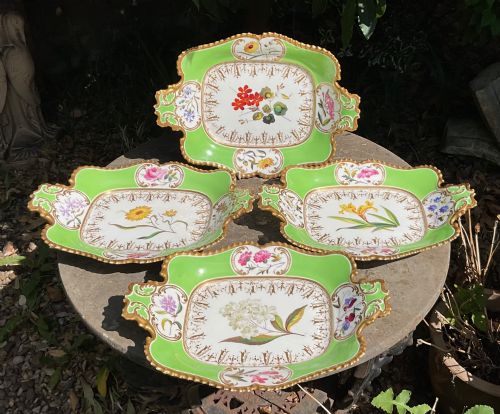
Hand-painting remained central to production, seen in botanical studies, exotic birds, and intricate Imari patterns. Firing processes fixed the cobalt blue, enamels, and gilt layers onto the ceramic surface.
Materials documented across the inventory include gold leaf, enamel, gilt bronze mounts, and ceramic bodies.
What varies in quality
The precision and detail of the hand-painted brushwork separate standard production from exceptional examples, particularly in complex floral or avian subjects. The crispness of the porcelain moulding and the richness of the applied gold leaf further distinguish individual pieces.
Attribution to notable factories such as Worcester, Coalport, Sevres, or specific Japanese export periods influences the standing of a piece. Preservation of the original gilding and enamel colours without excessive rubbing determines the physical integrity of the serving dish.
Royal Crown Derby·H & R Daniel·Chamberlains Worcester·Hicks & Meigh·Royal Doulton·Coalport·Paris Porcelain·Minton·Carlton Ware·Sevres·Rockingham Pottery·Pucher Deroche
The Gilded Porcelain Platter Glossary
- Charger
- A large decorative plate or platter typically used for service or display rather than direct dining. These substantial pieces often feature extensive hand-painted designs and gilt borders.
- Imari
- A style of Japanese porcelain featuring a distinct palette of cobalt blue, iron red, and abundant gold. Originating during the Edo period, this aesthetic influenced many European potteries.
- Cabinet plate
- A decorative ceramic plate intended for display in a cabinet rather than functional table use. They frequently showcase detailed artistic scenes, botanical studies, or topographical views.
- Gilding
- The application of gold leaf or powdered gold to the surface of porcelain or ceramic wares. This technique highlights rims, handles, and specific design elements.
- Enamel
- Opaque glass-like material fused to the ceramic body through firing to create coloured decorations. Enamels provide the vibrant hues found across 18th and 19th-century serving dishes.
Gilded Porcelain Platter: Frequently Asked Questions
How were serving platters used historically?
Serving platters and chargers occupied a central place on dining tables and sideboards for presenting large joints of meat, fruits, or sweet courses during formal meals.
Over time, many of these decorative pieces transitioned to display roles in cabinets or on walls, particularly when the painted scenes and gold highlights became too delicate for everyday hospitality.
How do I identify a Meiji period Imari charger?
Meiji period Imari chargers typically display dense patterns of blues and reds augmented by heavy gold highlights, often depicting floral motifs, birds, or landscapes.
These Japanese export pieces generally date from the late 19th to early 20th century, displaying robust porcelain bodies and characteristic firing marks on the base.
Can I use antique porcelain platters for food?
While these platters were originally created for culinary service, older enamels and historic glazes can be sensitive to modern dishwashers, acidic foods, and cutlery marking.
Most collectors choose to utilise them for dry display or gentle occasional service to preserve the hand-painted details and delicate gold leaf.
What is the difference between a charger and a cabinet plate?
A charger is a noticeably larger plate, historically designed to sit beneath smaller dining courses or act as a grand centrepiece on a table.
Cabinet plates are standard dinner plate size or smaller, created specifically for visual appreciation and often featuring intricate artist-signed vignettes.