
Antique French Tray
When you search for an antique french tray, you encounter an array of serving pieces, desk accessories and decorative dishes spanning several centuries of craftsmanship.
Antique French Tray
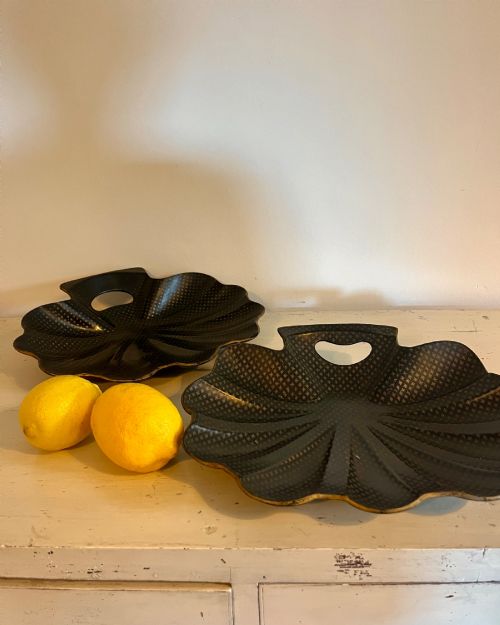
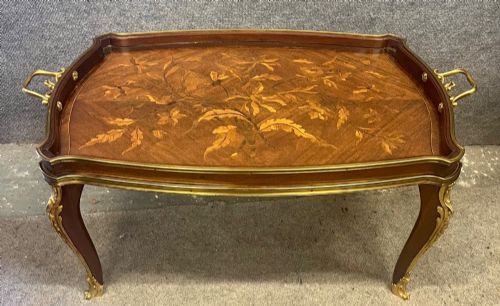
An antique french tray encompasses a diverse group of domestic objects designed for serving, display or organisation, originating from the eighteenth, nineteenth and early twentieth centuries. These pieces appear in forms ranging from porcelain serving platters and silver-plated cocktail trays to gilt bronze centrepieces and inlaid wood desk trays.
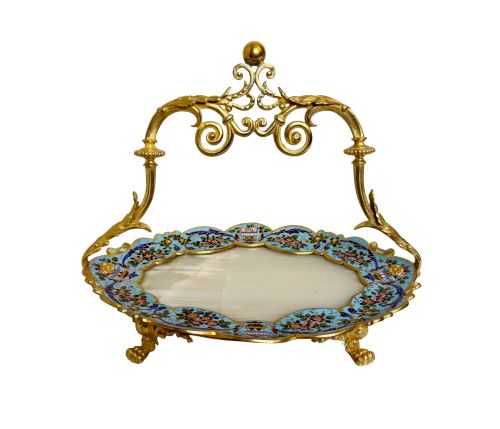
The selection on this page frequently includes nineteenth-century pieces alongside items from the Art Nouveau and Art Deco periods, reflecting changing social rituals around dining, correspondence and interior decoration. Makers utilised materials such as ormolu, champlevé enamel, porcelain and Toleware to create functional items that doubled as decorative accents.
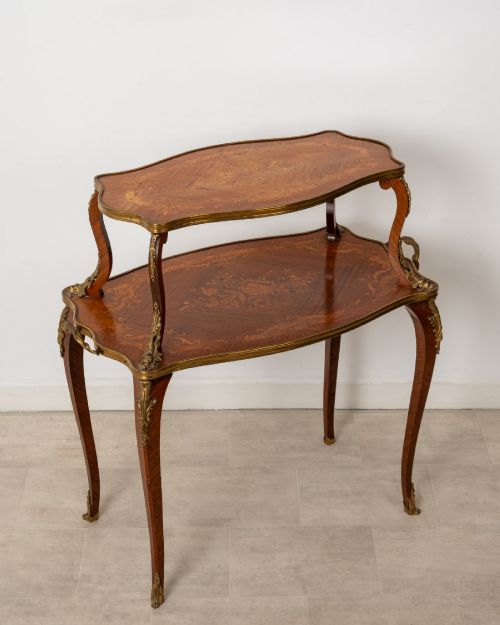
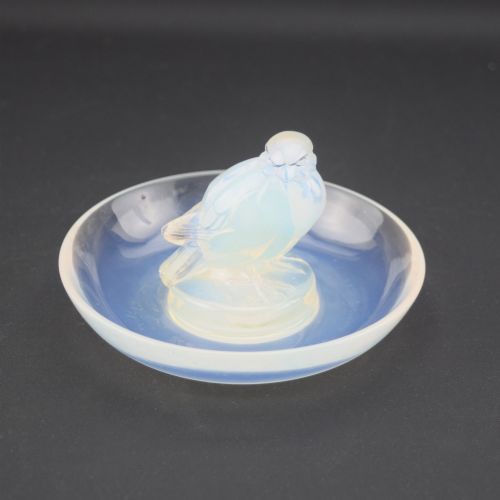
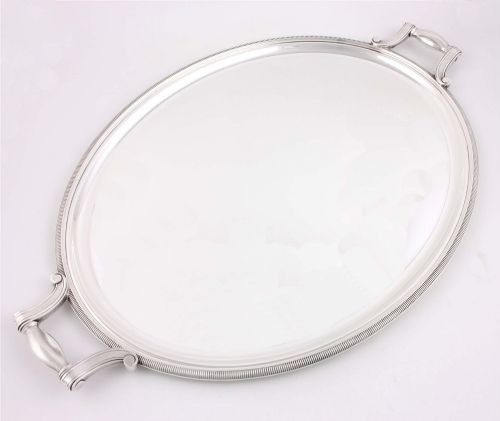
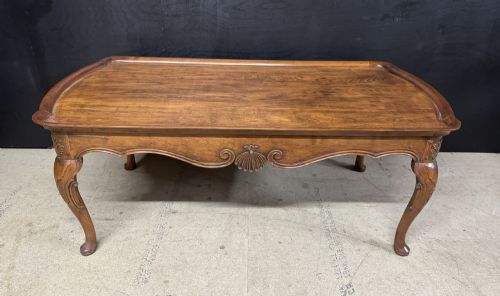
Buyers seeking an antique french tray find items that range from small pin dishes and pen trays to large oval serving trays with handles and tray-top tables. The regional and stylistic variety spans French Rococo Revival, Napoleon III, French Provincial and clean modernist lines.
Materials and construction techniques
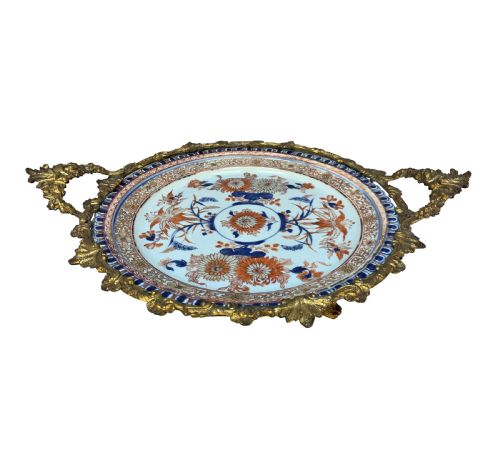
The construction of these pieces relies on traditional metalworking, ceramic production and cabinet-making techniques recorded across the periods. Artisans cast ormolu, bronze and brass, frequently combining them with hand-painted porcelain panels, champlevé enamel or cut crystal inserts.
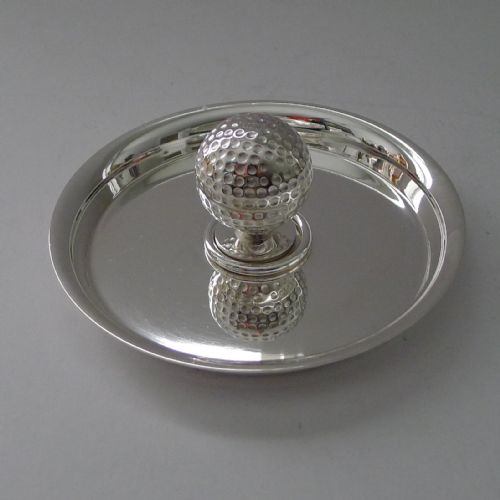
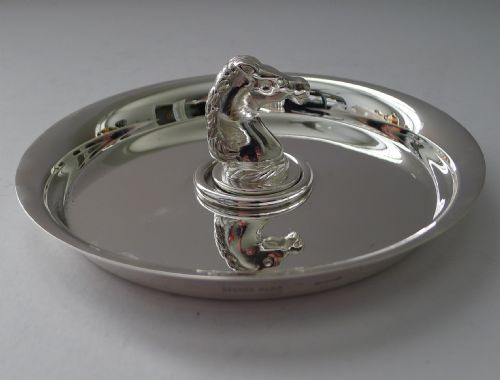
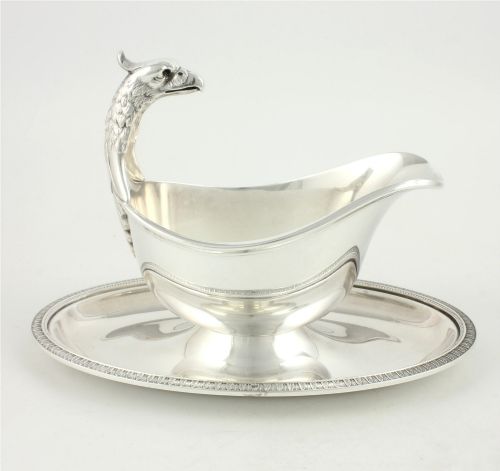
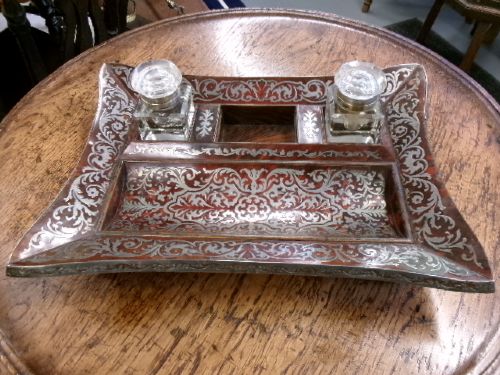
Wooden examples demonstrate marquetry, parquetry and boulle work using kingwood, fruitwood and walnut, often accented with brass stringing or faux bamboo framing. Silver-plated pieces involve heavy metal plating over base metals, sometimes bearing maker marks from firms such as Christofle.
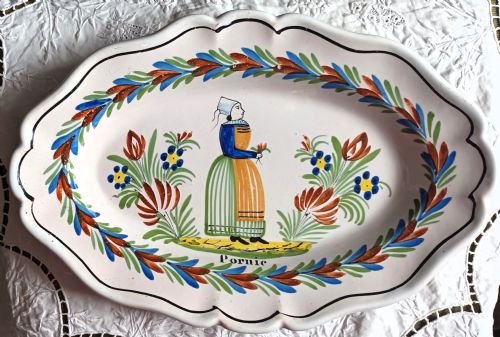
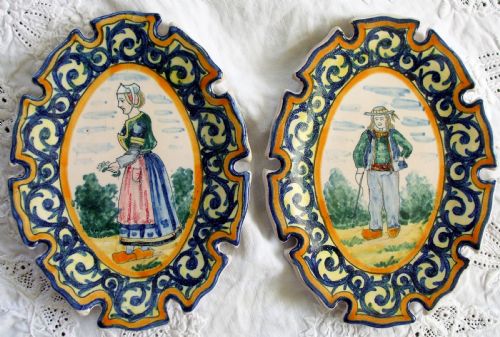
Ceramic trays and dishes employ earthenware, faience and hard-paste porcelain, painted by hand with floral motifs, pastoral scenes or blue and white designs typical of regional potteries like Quimper and Marseille.
Listings span from the 18th Century through the Art Deco era, encompassing porcelain, silver plate, ormolu, and inlaid wood.
Distinctions in quality
Quality in an antique french tray reveals itself in the crispness of the casting on bronze and ormolu mounts, the precision of the marquetry in wood pieces, and the delicacy of hand-painted details on porcelain. Superior items display meticulous attention to secondary surfaces and mounts that fit their substrates precisely without gaps.
The integration of materials dictates the tier of the piece, such as the depth and firing quality of champlevé enamel or the weight and thickness of silver-plated copper. Finer examples retain their original gilding, clear signatures or attribution marks, and structural integrity across joints and handles.
Christofle·Samson·Lefebvre
The Antique French Tray Glossary
- Ormolu
- Gilded bronze or brass applied to furniture, clocks and decorative objects as mounts. This technique was widely utilised in French decorative arts during the eighteenth and nineteenth centuries.
- Champleve enamel
- Enamelling technique where troughs or cells are sunk into the surface of a metal object and filled with vitreous enamel before firing. It frequently decorates nineteenth-century desk sets and centrepiece trays.
- Toleware
- Lacquered or enamelled sheet metalware produced in Europe, particularly popular in France during the eighteenth and nineteenth centuries. These items often feature hand-painted floral designs on dark grounds.
- Faience
- Tin-glazed earthenware produced in France, notably at centres such as Quimper and Marseille. It is recognised for its opaque white glaze and painted blue or polychrome decoration.
- Boulle work
- Elaborate marquetry style utilising tortoiseshell and brass inlaid in a counterpart or direct pattern. Named after the cabinetmaker André-Charles Boulle, it appears on nineteenth-century desk stands and trays.
Antique French Tray: Frequently Asked Questions
How were antique french trays used originally?
These trays served practical and social functions in domestic interiors, from carrying drinks and serving tea to holding calling cards, writing instruments and vanity items on desks.
Larger versions accommodated dining and cocktail service, while smaller pin trays and vide-poche dishes kept everyday pocket items organised in hallways and bedchambers.
What materials are most common in these pieces?
The listings show a prevalence of metals including brass, bronze, silver plate, ormolu and Toleware, alongside ceramics such as porcelain and faience.
Wood is also prominent, featuring marquetry in walnut, fruitwood and kingwood, frequently combined with glass, enamel and mother-of-pearl.
How can I tell the difference between periods?
Stylistic indicators guide dating, such as the elaborate curves and gilt bronze of nineteenth-century Rococo Revival and Napoleon III pieces, or the geometric restraint of Art Deco items from the nineteen-thirties.
Earlier eighteenth-century items often exhibit hand-painted regional porcelain and softer forms, while Edwardian and later twentieth-century pieces shift toward functional silver plate and simplified woods.
How do I care for an antique tray at home?
Care depends entirely on the specific material, requiring soft dusting for wood and marquetry, and gentle cleaning for glass and ceramics without abrasive agents.
Silver-plated and gilt bronze pieces benefit from minimal handling and occasional light cleaning using appropriate non-abrasive metal care suited to historic surfaces.