


Gilt Porcelain Charger
A gilt porcelain charger offers deep resonance and heavy gilding, bringing together fine European and Japanese design traditions for the table or wall.
What they are
A gilt porcelain charger stands as a large decorative plate or serving dish, created to command attention in a formal interior. These grand presentation pieces span the eighteenth and nineteenth centuries, drawing on diverse stylistic traditions from European royal houses to Japanese ateliers.
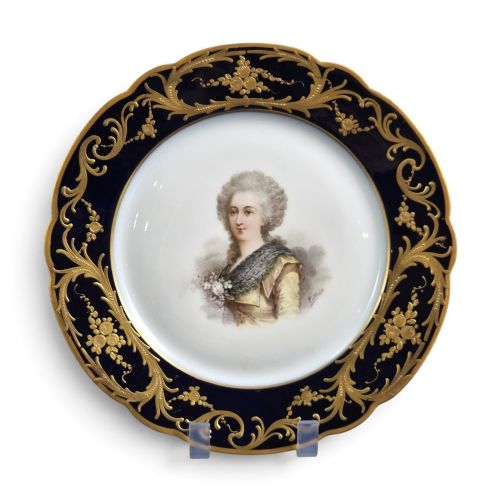
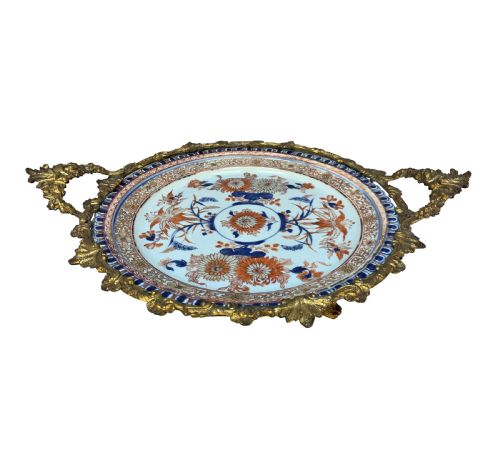
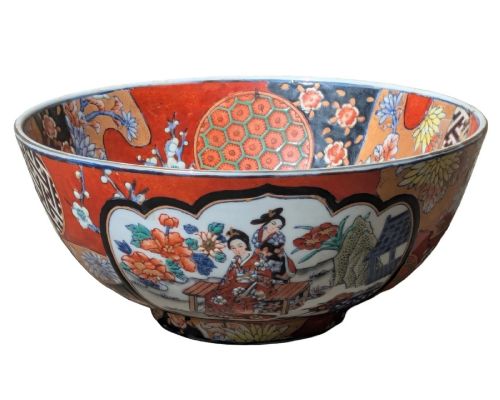
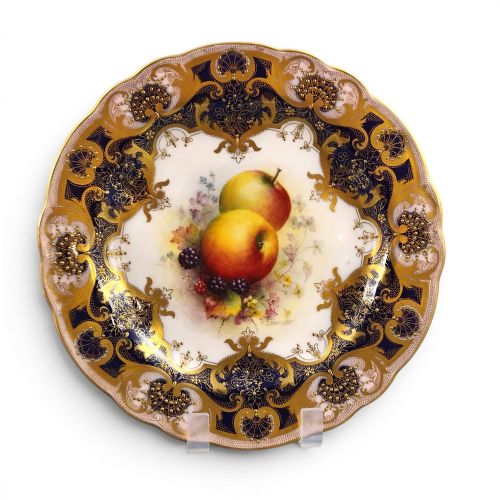
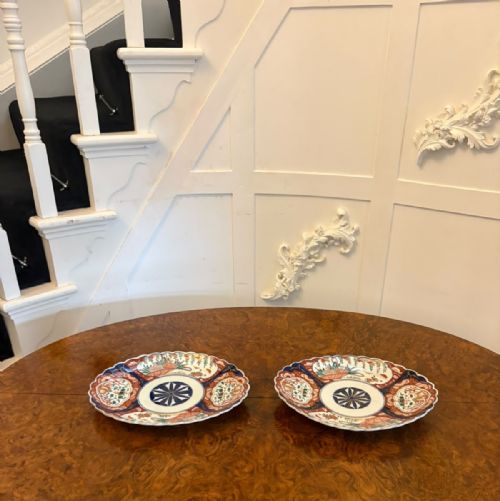
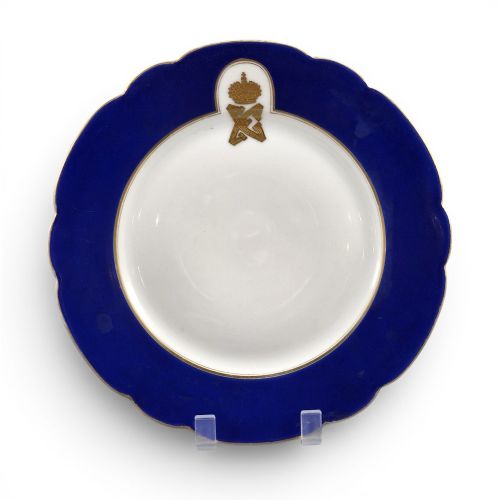
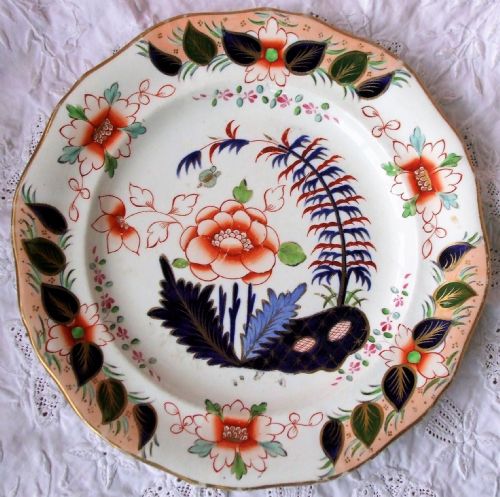
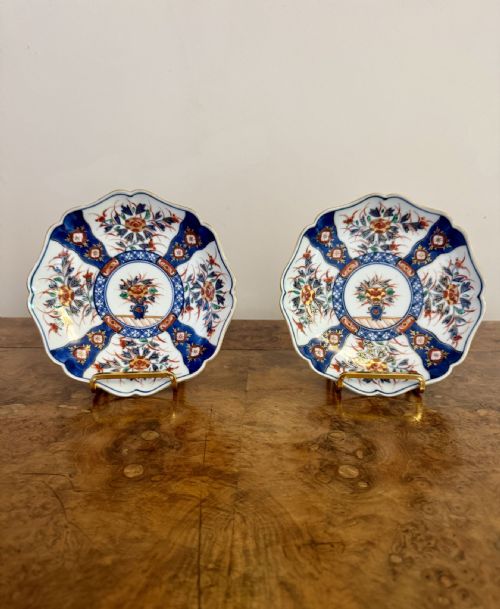
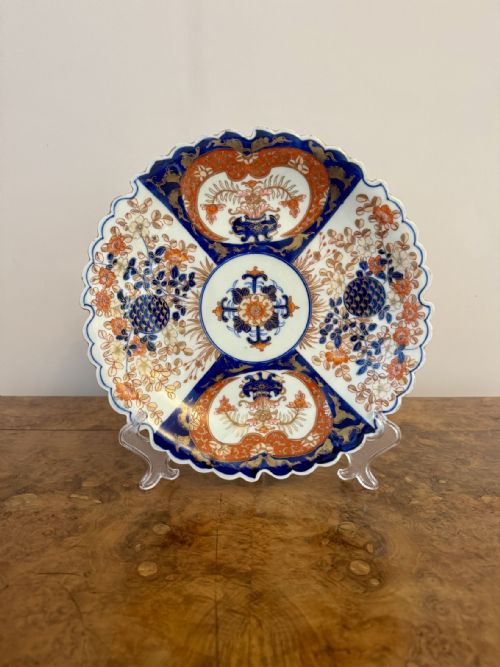
The pieces appearing on this page include impressive nineteenth-century Vienna style chargers painted with mythological and historical scenes, large Japanese Kutani examples, and eighteenth-century French Sevres dishes. Royal Vienna porcelain plates and Romanov service plates also represent the category.
Most examples originate from the nineteenth century, adhering to Neoclassical, Imperial Russian, Japanese Meiji, and Vienna Historicism aesthetics. They function primarily as cabinet plates and decorative chargers rather than everyday tableware.
How they were made
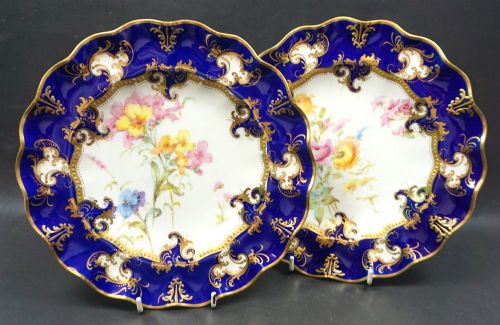
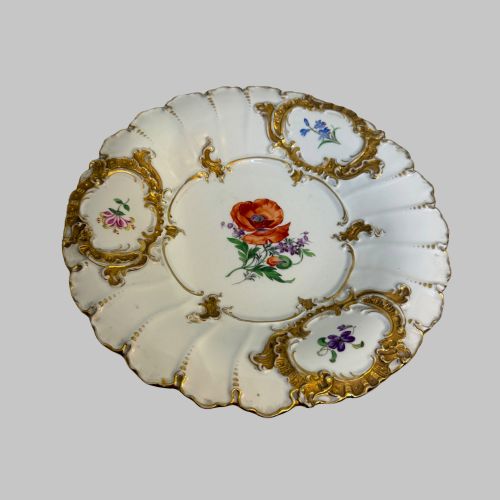
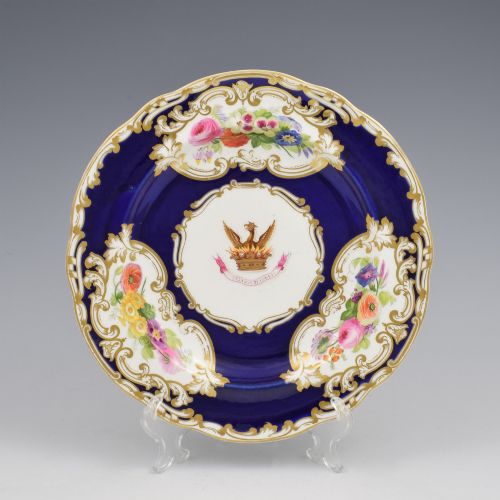
Makers shaped fine ceramic bodies from porcelain, employing cobalt glaze and enamel to build intricate pictorial surfaces. Artisans then applied gold leaf and rich gilding by hand to borders and central reserves.
Painters executed detailed figural subjects such as mythological narratives and historical scenes directly onto the glazed ceramic body before a final kiln firing. The combination of brilliant enamel pigments and dense gold leaf creates the characteristic heavy lustre of these pieces.
Retail Price Guide 2026
Typical UK retail prices for gilt porcelain charger, calculated from the Sellingantiques database of over a million retail prices indexed since 2003. This retail price guide relies exclusively on Sellingantiques data; no external sources or auction records are used, so the figures do not describe the wider market.
Materials recorded across the available pieces include cobalt glaze, enamel, gold leaf, and fine porcelain.
What varies in quality
The standard of a gilt porcelain charger rests upon the precision of the hand-painted narrative and the density of the gilding. Master painters working in the Vienna and Sevres traditions achieved remarkable depth in figural subjects, whereas lesser pieces display rigid linework and mechanical ornamentation.
Scale and presence also dictate distinction, with large chargers requiring exceptional ceramic control during high-temperature firing to prevent warping. The purity of the porcelain body and the richness of the cobalt glaze underneath the gold leaf further separate standard production from exceptional examples.
The Gilt Porcelain Charger Glossary
- Charger
- A large decorative plate or platter, traditionally used for formal display rather than serving food. These pieces measure significantly wider than standard dinner plates.
- Gilding
- The application of gold leaf or powdered gold to the surface of porcelain. This technique creates shimmering borders and highlights that frame painted scenes.
- Enamel
- Vitreous coloured glass fused to the porcelain surface during firing. It provides the vibrant hues found in nineteenth-century narrative scenes.
- Cobalt Glaze
- A deep blue mineral pigment applied under the glaze before firing. It frequently forms the rich background colour against which the gold leaf stands.
- Cabinet Plate
- A fine decorative ceramic piece intended for display in a cabinet or on a wall rather than practical use. These items showcase the highest artistic ambitions of the kiln.
Frequently Asked Questions
How were gilt porcelain chargers used?
These large dishes served primarily as decorative showpieces for grand dining rooms, sideboards, and cabinets rather than functional tableware. Royal courts and wealthy households displayed them to demonstrate status and appreciation for fine art.
Over time, many found their way onto walls or into specialised display cabinets where their intricate painted scenes and heavy gold leaf could be examined closely without risk of damage.
How do I hang a heavy charger safely?
Displaying a large charger on a wall requires a dedicated plate hanger with rubber-coated spring prongs that distribute weight evenly across the rim. Avoid wire-only hangers that put stress on a single point.
Alternatively, a sturdy table easel designed specifically for heavy cabinet plates provides a secure resting place on a mantelpiece or sideboard.
How do I identify a Vienna porcelain charger?
Nineteenth-century Vienna style pieces typically feature elaborate hand-painted mythological or historical subjects, rich cobalt borders, and heavy raised gilding. Many bear impressed or painted beehive marks on the reverse.
Comparing the finesse of the brushwork in the central figural scene helps distinguish genuine nineteenth-century Vienna Historicism work from later reproductions.