





Vienna Porcelain Charger
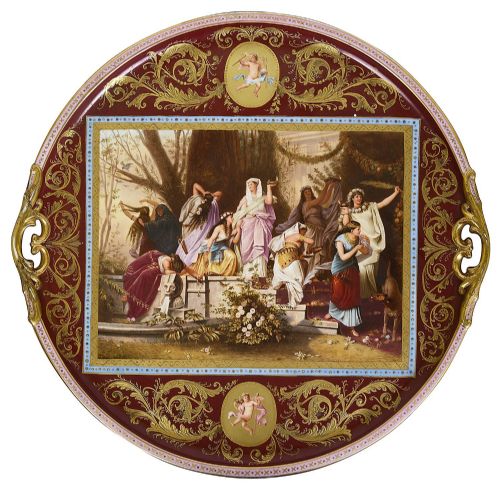
A vienna porcelain charger is a large painted ceramic display piece, desired for its elaborate mythological or historical narrative scenes executed in rich enamels and gilding.
Vienna Porcelain Charger
A vienna porcelain charger represents large-scale ceramic artistry from the nineteenth century, taking the form of impressive cabinet plates and decorative trays. These pieces frequently measure significant diameters and serve primarily as decorative centerpieces rather than functional tableware.
The subjects depicted across these chargers draw heavily from classical mythology, historical narratives, and dramatic literary scenes such as King Tristan's Death or the Birth of Adonis. Most examples belong to the nineteenth century, spanning periods of historicism, neoclassical revival, and grand regency styles.
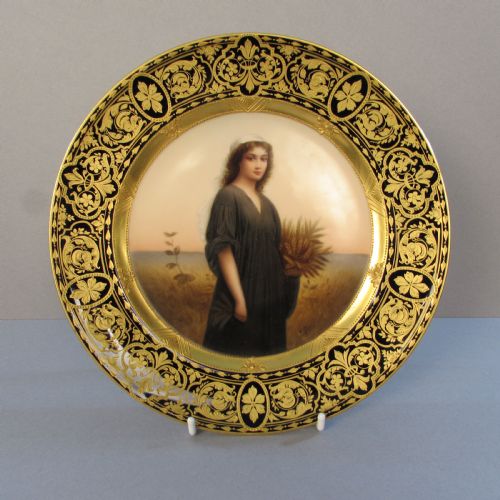
Makers often signed their painted scenes or applied distinctive cobalt blue grounds paired with extensive gilding. Collectors encounter various forms ranging from standard cabinet plates to enormous chargers spanning up to sixty centimetres.
Materials and Technique
Makers utilised high-fired porcelain as the base body for each charger, applying smooth glazes to create an ideal surface for miniature painting. Artisans then built up intricate pictorial compositions using finely ground mineral enamels.
Decoration relied heavily on applied gold leaf and liquid gilding, often framing the central narrative panels with ornate metallic borders. Cobalt glaze provided a deep blue background on select pieces, contrasting sharply against the bright white porcelain and metallic highlights.
Vienna Porcelain Charger Retail Price Guide 2026
Typical asking prices for vienna porcelain charger among the pieces listed under this phrase on Sellingantiques today, from the lower quarter to the upper quarter. They describe what is for sale here now, not the wider market.
Othello glowers from fifty centimetres of porcelain while Bacchus and Ariadne share space with historical emperors on the dining table.
Judging Quality and Execution
Quality rests primarily in the execution and detail of the hand-painted figural scenes. Superior pieces exhibit precise anatomical drawing, nuanced facial expressions, and complex multi-figure compositions signed by accomplished studio artists.
The richness and application of the gilding further distinguish finer examples, where chased or burnished gold work frames the central artwork. Heavy cobalt grounds and intricate border patterns require greater technical skill during firing than plain white or simply decorated surfaces.
S. Stanley·Sibl·Wagner
The Vienna Porcelain Charger Glossary
- Charger
- A large decorative plate or tray intended for display on a wall, cabinet, or stand rather than for dining purposes. These items command visual attention through their substantial size and elaborate decoration.
- Cabinet Plate
- A smaller display ceramic created specifically for viewing within a cabinet or on a mantelpiece. These pieces share the artistic ambition and painting quality of larger chargers.
- Cobalt Glaze
- A deep blue metallic oxide pigment applied under or over the glaze to impart a rich background colour. It provides a striking contrast to white porcelain and gold gilding.
- Gilding
- The application of gold leaf or powdered gold to ceramic surfaces for decorative emphasis. Artisans burnish this metal to achieve a brilliant reflective shine.
- Historicism
- An artistic movement during the nineteenth century that consciously revived and reinterpreted historical styles from classical and Renaissance periods. Vienna porcelain makers frequently adopted this approach for their narrative subjects.
Vienna Porcelain Charger: Frequently Asked Questions
How were these chargers displayed?
These large decorative pieces were traditionally exhibited on sideboard shelves, hung on walls, or placed on specialist stands within drawing rooms.
Their substantial diameters ensured they functioned as primary decorative focal points rather than functional tableware.
What subjects appear on the painted scenes?
Painters drew inspiration from classical mythology, ancient history, and dramatic literary narratives such as Bacchus and Ariadne or Caesar at the grave of Alexander the Great.
Religious and allegorical themes also feature prominently across nineteenth century examples.
How do I identify nineteenth century pieces?
Dating relies on stylistic markers associated with nineteenth century historicism, neoclassical revival movements, and typical nineteenth century forms.
Signatures from recorded painters provide further chronological context alongside specific decorative motifs.
How do I care for antique porcelain?
Display these items away from direct sunlight to protect the stability of the hand-painted enamels and gold leaf.
Dust surfaces gently with a soft dry cloth and avoid exposing the ceramic to moisture or chemical cleaners.