
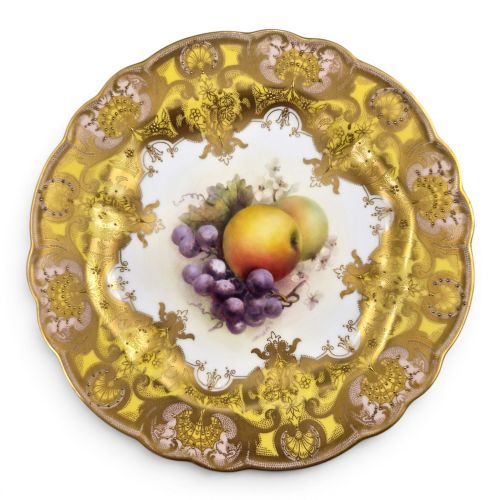
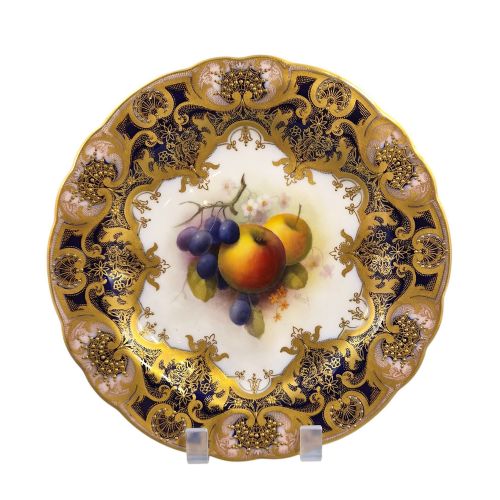
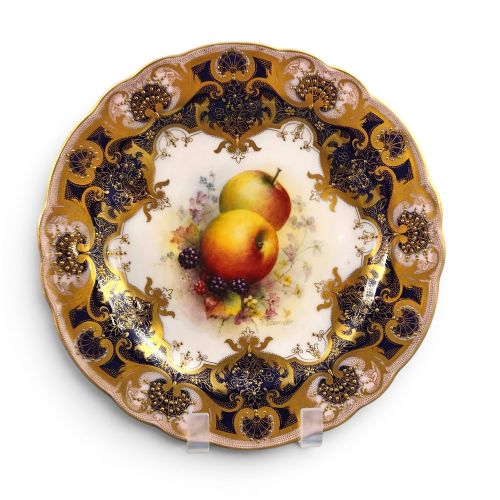
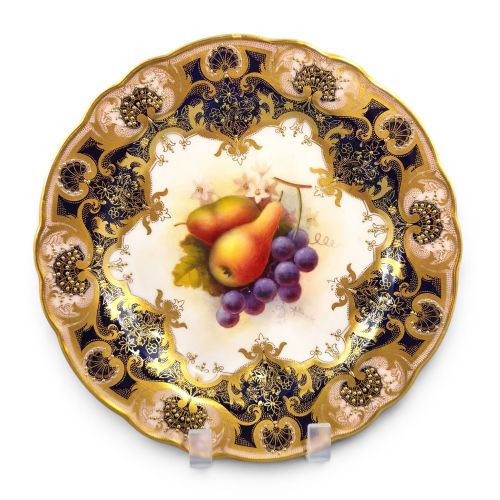
Gilded Porcelain Cabinet Plate
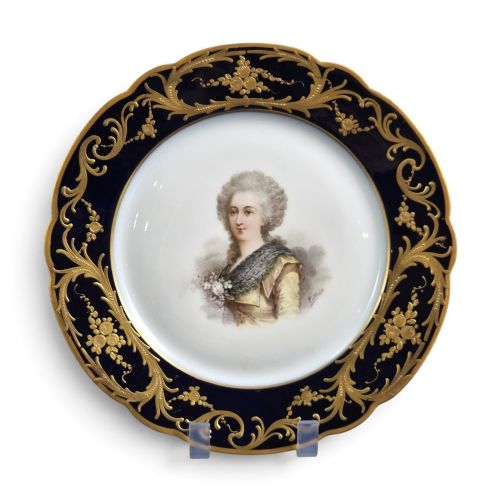
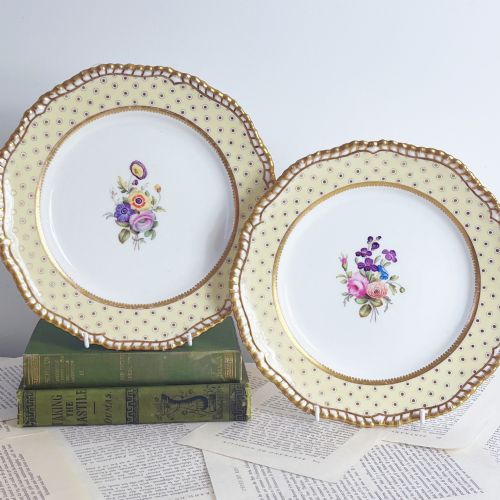
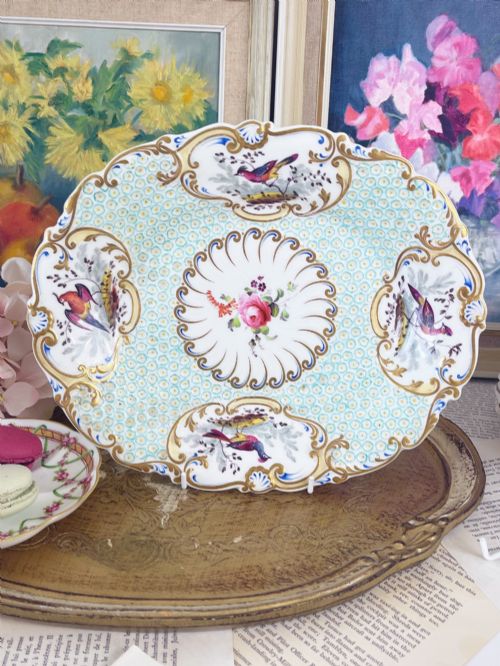
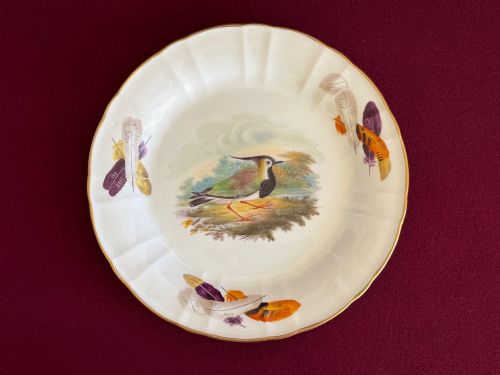
A gilded porcelain cabinet plate brings heavy hand-painting and lustrous gold leaf straight into a display setting.
What these pieces are
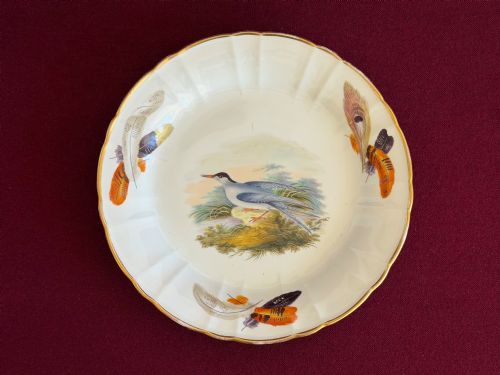
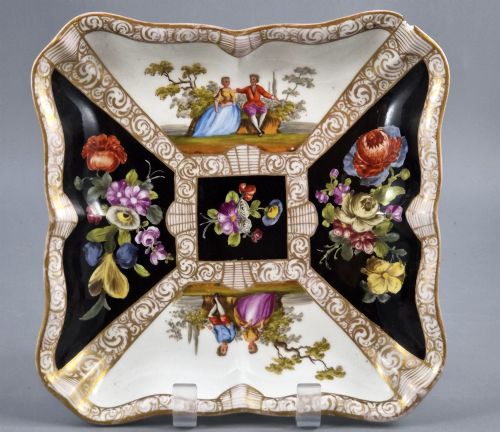
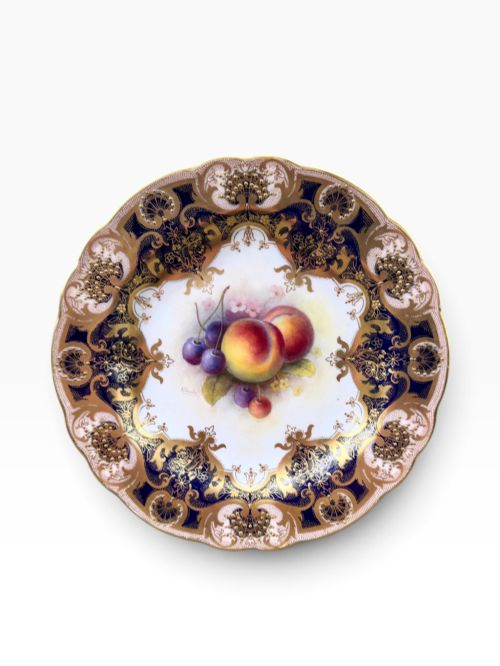
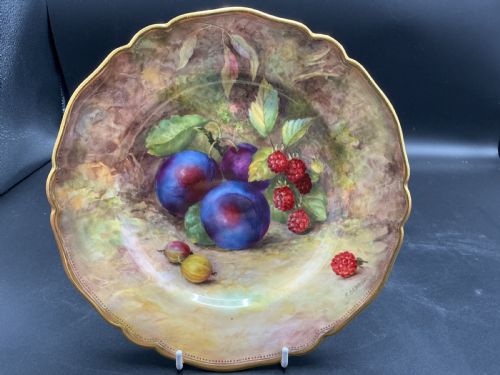
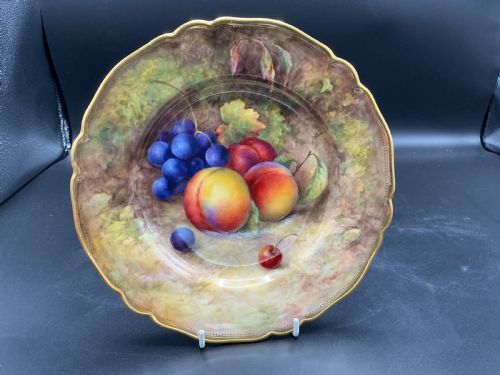
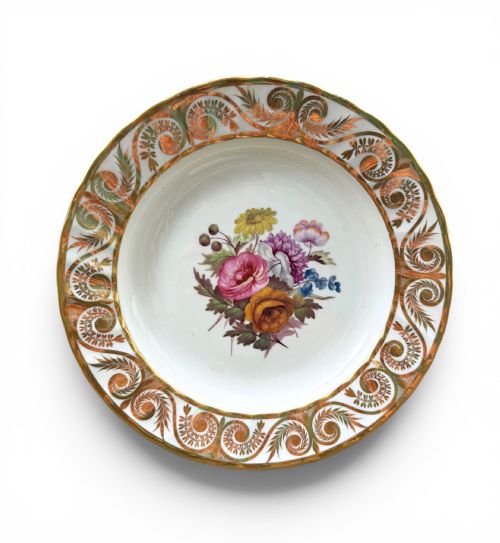
The gilded porcelain cabinet plate category centres on decorative plates designed entirely for display rather than dining use. Pieces encountered on this page span the Georgian and Victorian eras, alongside 19th Century Neoclassical and 20th Century examples.
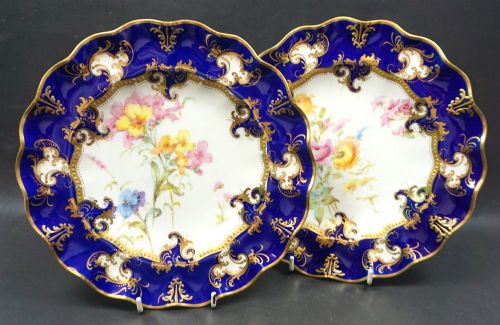
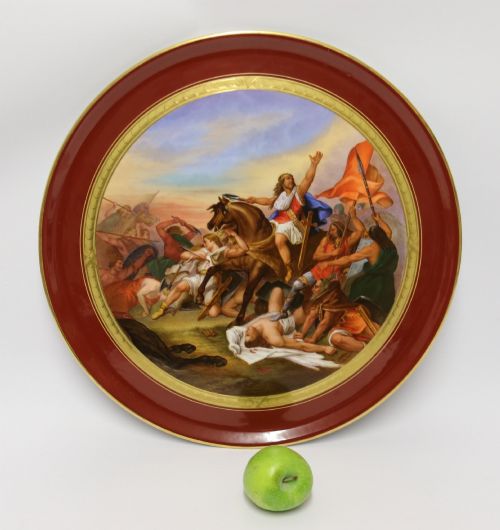
Makers and artists applied elaborate cobalt grounds, handpainted floral arrangements, and figurative scenes featuring fairies, squirrels, and mother-and-child embraces. Forms range from standard cabinet plates to large chargers and pierced porcelain plates.
Origins include notable English and continental potteries, uniting traditional English styles, Neoclassical design, Regency taste, English Rococo Revival, and the Aesthetic Movement.
How they were made
Potters shaped fine porcelain and bone china before applying intricate hand-painting in coloured enamel. Artisans then added gold leaf, gilt, and gold gilt accents to enrich the surface design.
Firing techniques locked the vibrant enamels and metallic leaf onto the ceramic body, creating durable decorative surfaces intended purely for visual admiration.
Retail Price Guide 2026
Typical UK retail prices for gilded porcelain cabinet plate, calculated from the Sellingantiques database of over a million retail prices indexed since 2003. This retail price guide relies exclusively on Sellingantiques data; no external sources or auction records are used, so the figures do not describe the wider market.
Listings span the Georgian, Victorian, 19th Century, 1920, and 1960 periods, utilising porcelain, bone china, enamel, gold leaf, and gilt.
What varies in quality
Quality rests heavily on the skill of the hand-painted artistry, distinguishing basic floral patterns from complex figurative scenes by named artists. The richness and precision of the gold leaf application further separate standard items from exceptional cabinet plates.
The complexity of the porcelain body itself, such as intricate piercing work or large scale chargers, dictates the level of craftsmanship achieved by the maker.
Samuel Alcock·Royal Worcester·Minton·Copeland·Vienna
The Gilded Porcelain Cabinet Plate Glossary
- Cabinet plate
- A decorative ceramic dish made for display in a cabinet or on a wall rather than for table service. These pieces usually feature elaborate painted details and rich gilding.
- Bone china
- A type of soft-paste porcelain containing animal bone ash, producing a strong, highly white and translucent body. It allowed makers to achieve delicate forms and fine detail.
- Enamel
- Opaque glass fused to the porcelain surface through firing, providing brilliant colours for hand-painted decoration. Enamels retain their vibrancy over centuries.
- Gilt
- A thin layer of gold applied to the porcelain surface to highlight borders, motifs, and backgrounds. It catches the light in a display setting.
- Charger
- A large decorative plate or tray used historically for ceremonial purposes or prominent display. In porcelain, these showcase expansive painted scenes and extensive gilding.
Frequently Asked Questions
How were cabinet plates used historically?
Cabinet plates served strictly as ornamental art objects to demonstrate wealth, taste, and an appreciation for fine craftsmanship in a domestic interior.
Owners displayed them prominently in reception rooms, dining parlours, and specialised display furniture alongside other prized ceramics.
How do I live with a cabinet plate?
Living with these pieces involves placing them securely in dedicated wall brackets, plate racks, or enclosed cabinets where they are safe from accidental knocks.
Keep them away from direct, harsh sunlight to protect the hand-painted enamels and delicate gold leaf from fading over time.
How do I tell periods apart?
Distinguishing periods relies on observing the changing artistic styles, from Georgian and Regency formal elegance to Victorian and Aesthetic Movement ornamentation.
Later 20th-century pieces often reflect distinct artist signatures and refined twentieth-century porcelain bodies compared to their 19th-century counterparts.