

Royal Worcester Cabinet Plate
These royal worcester cabinet plate examples bring hand-painted artistry and fine porcelain to a room, offering a glimpse into British ceramic heritage.
Identifying Royal Worcester Cabinet Plates
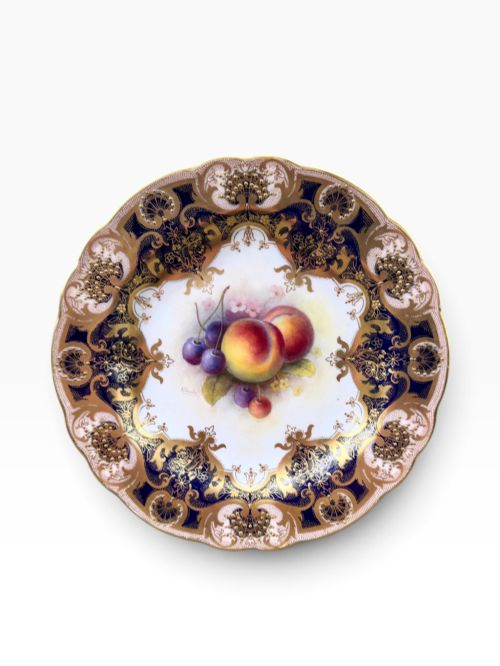
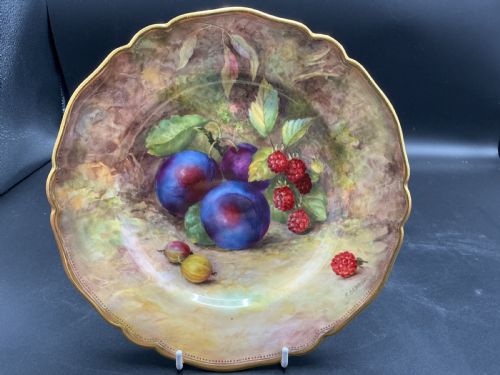
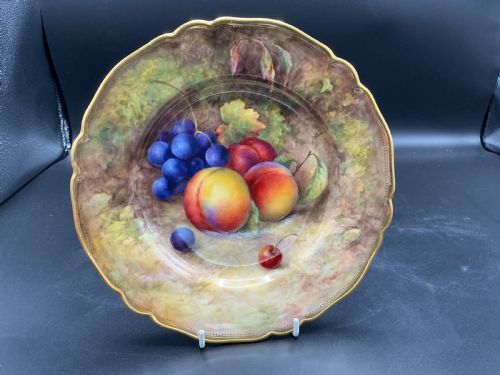
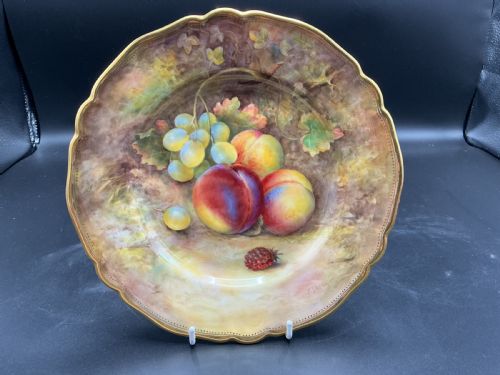
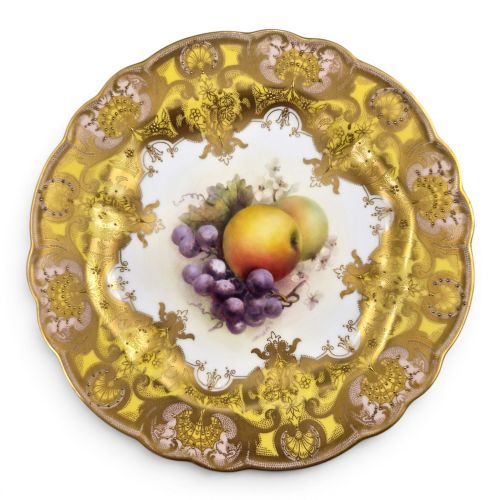
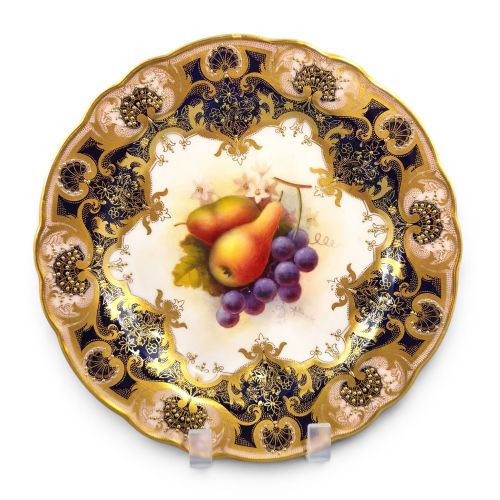
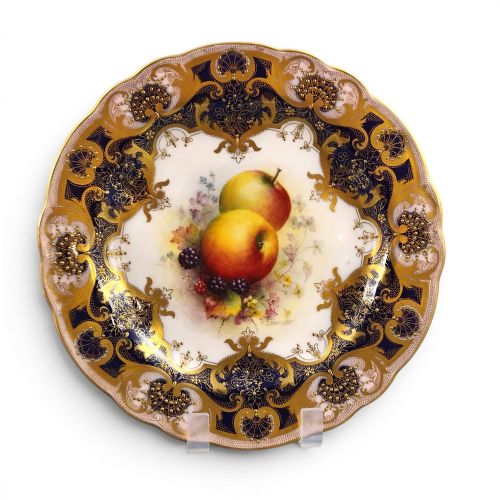
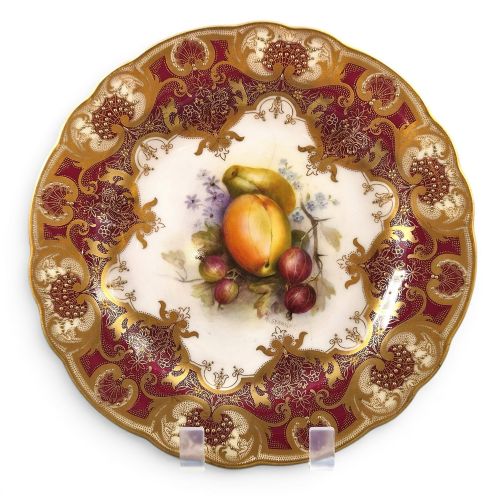
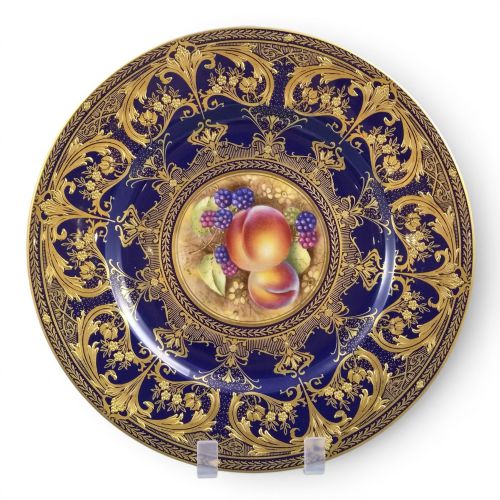
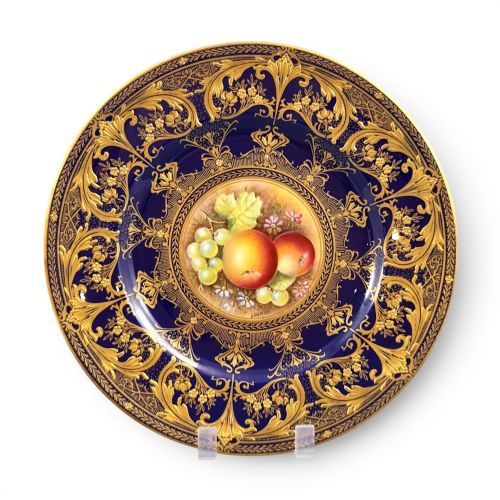
A royal worcester cabinet plate is a decorative ceramic piece designed for display rather than dining, emerging from periods spanning the Victorian era through the mid-twentieth century. Collectors encounter various forms, including standard cabinet plates, large rope-edge variations, and soup dishes.
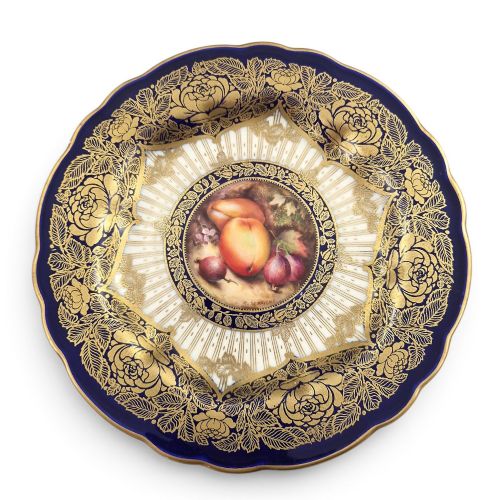
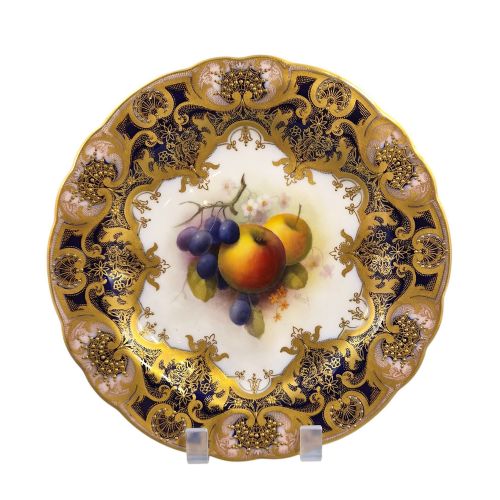
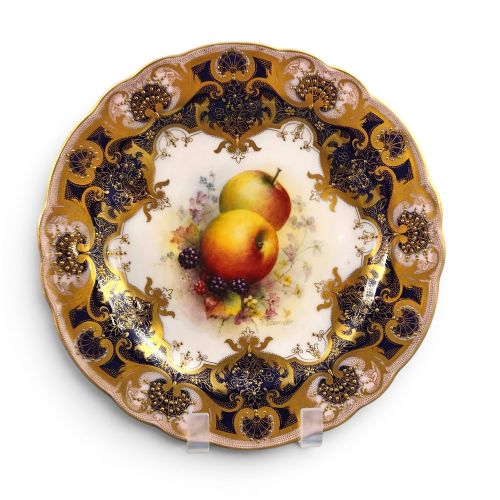
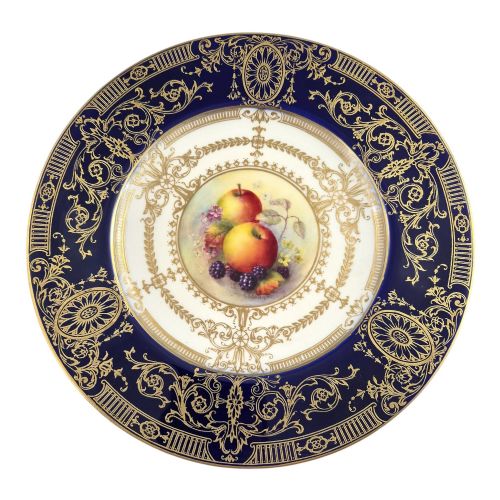
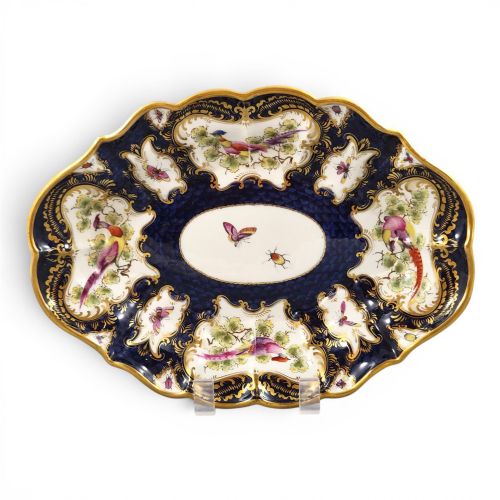
The decorative subjects vary considerably across the pieces, featuring hand-painted fruit, floral studies, and animal scenes such as sheep, peacocks, and swans. These works often bear the signatures of notable factory artists, connecting the individual object directly to the studio traditions of the period.
Pieces span from the early twentieth century, including Edwardian examples, through to later decades like the nineteen-fifties and nineteen-seventies. Styles range from traditional English designs to neo-rococo flourishes and cobalt grounds with tooled gilt.
Materials and Techniques
The bodies are formed from porcelain, bone china, and fine bone china, providing a smooth white ground suited to detailed miniature painting. Makers applied delicate enamels by hand to render naturalistic subjects with subtle colour transitions.
Gilding and gold leaf feature extensively on these works, often applied as tooled borders or intricate frames around the central painted scene. Some iterations incorporate jewelled elements, adding raised enamel dots to enrich the decorative surface.
Retail Price Guide 2026
Typical UK retail prices for royal worcester cabinet plate, calculated from the Sellingantiques database of over a million retail prices indexed since 2003. This retail price guide relies exclusively on Sellingantiques data; no external sources or auction records are used, so the figures do not describe the wider market.
Sheep and peacocks frequently gaze out from the painted centres of these formal display dishes.
Assessing Quality
Quality rests primarily on the skill of the artist and the complexity of the painted subject, with signed works by known factory painters commanding higher regard. The precision of the hand-painted details, from fruit textures to feather patterns, distinguishes finer examples from simpler decorated wares.
The application of precious materials also dictates the standing of a piece, particularly heavy tooled gilding, cobalt grounds, and jewelled enamel work. The weight and refinement of the porcelain or bone china body further separate standard production items from elite cabinet specimens.
Royal Worcester·Grainger and Co
The Royal Worcester Cabinet Plate Glossary
- Cabinet plate
- A decorative ceramic plate intended for display in a cabinet or on a wall rather than for table service.
- Bone china
- A type of porcelain incorporating animal bone ash, producing a strong, milky-white ceramic body.
- Gilding
- The application of gold leaf or gold powder to ceramic surfaces for decorative borders and highlights.
- Enamel
- Opaque or translucent glass-based paint fused to the porcelain surface during firing.
- Rope edge
- A moulded plate rim featuring a twisted rope relief pattern, often paired with painted decoration.
Frequently Asked Questions
What is a royal worcester cabinet plate?
A royal worcester cabinet plate is an ornamental ceramic dish created for display rather than everyday use. These pieces showcase hand-painted scenes by factory artists, framed by gilded borders.
They reflect the artistic output of British ceramic production across the Victorian and Edwardian eras, extending into the mid-twentieth century.
How were cabinet plates used?
These plates were made to be shown off in drawing rooms, mounted on walls, or housed inside glass-fronted cabinets. They served as conversation pieces rather than functional tableware.
Because of their delicate painted surfaces and gold leaf work, owners kept them away from active dining use.
How do I identify the artist?
Many plates feature a signature written directly into the painted scene near the edge. Names of painters often appear alongside factory backstamps on the underside of the porcelain.
Signatures connect the object to specific studio hands who specialised in fruit, flowers, or wildlife.
How should I display them?
Display these plates using secure wall hangers designed for porcelain or stable plate stands inside enclosed cabinets. Keep them away from direct sunlight to protect the hand-painted enamel colours from fading over time.
Gentle dusting with a soft, dry cloth is usually sufficient for ongoing maintenance.