


Edwardian Royal Worcester Plate
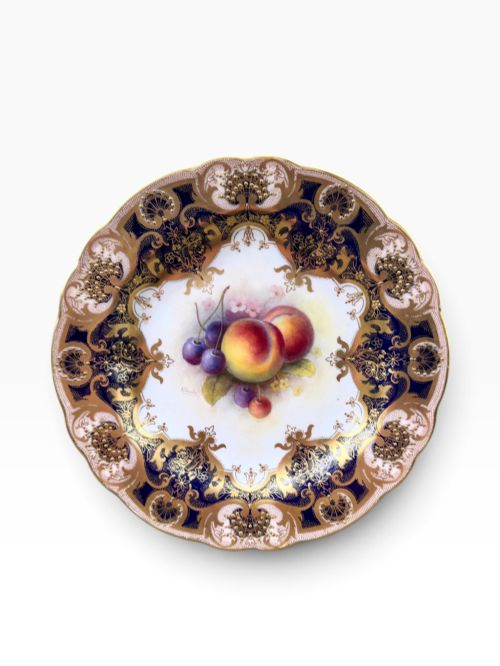
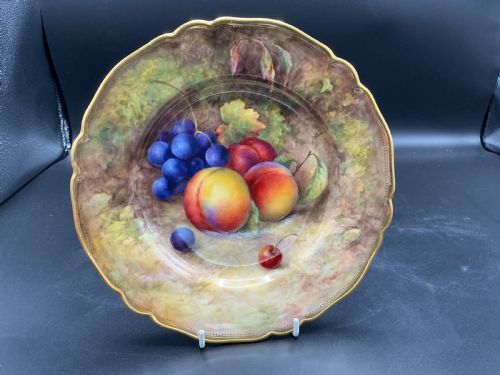
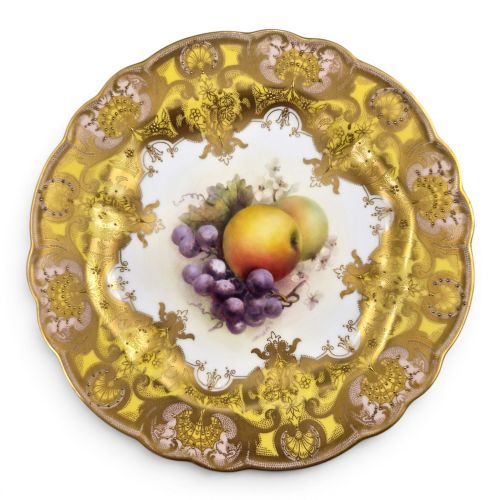
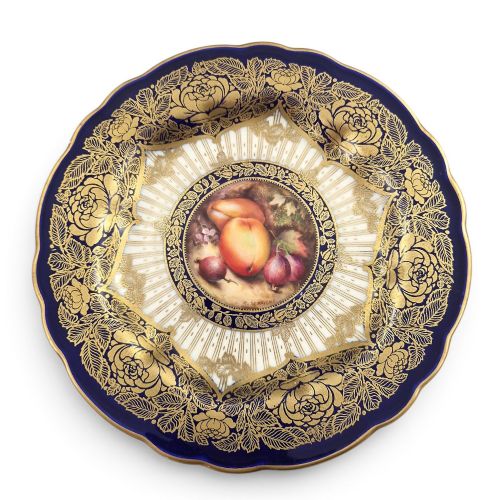
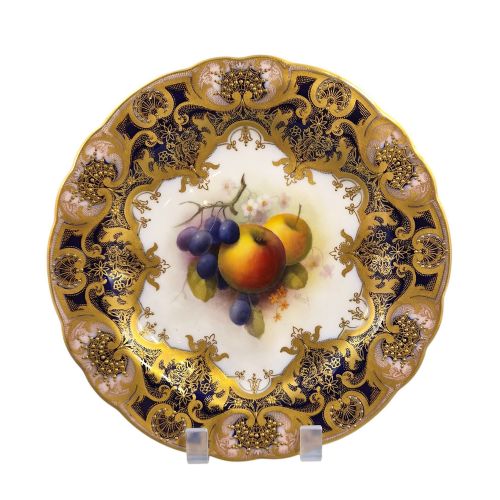
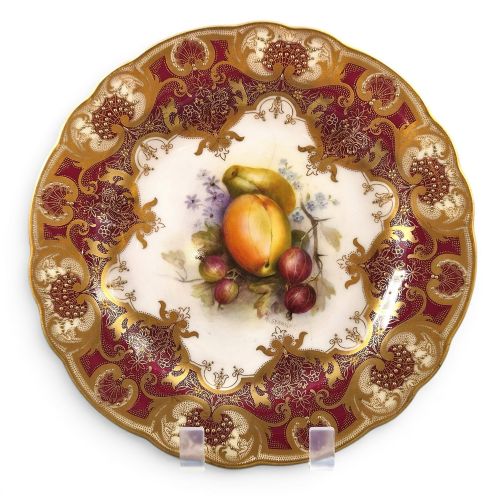
An edwardian royal worcester plate brings hand-painted fruits, swans, and delicate gilding straight to the table from the famous factory.
Edwardian Royal Worcester Plate
When someone searches for an edwardian royal worcester plate, they encounter fine porcelain tableware and decorative dishes produced around the turn of the twentieth century. These pieces encompass cabinet plates, dessert dishes, and soup dishes featuring delicate hand-painted motifs.
The versions most commonly met on this page showcase botanical studies, game birds, swans, and fruit scenes. They span periods from the Edwardian era into the nineteen twenties and thirties, often retaining factory date marks and artist signatures.
How they were made
Makers utilised porcelain and bone china as the primary ceramic body for these pieces, shaping them into plates, dishes, and trays. Artisans then applied intricate hand-painted designs using enamel and pigments.
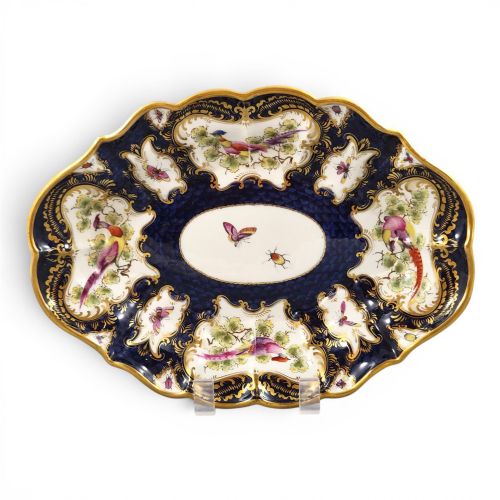
Finishing touches involved the application of gold leaf and gilding to rims and borders, sometimes including raised or tooled details. Certain items incorporated blue scale patterns or pierced edges to enhance their decorative appeal.
Swans and game birds stare out from these plates with an intensity that suggests they knew they were posing for posterity.
What varies in quality
The distinction between standard production wares and superior examples rests upon the skill of the painter. Signed works by noted artists command greater attention due to the meticulous detail in subjects like fruit, birds, and swans.
The application of the gilding and the complexity of the porcelain blank also dictate the grade of the piece. Heavy tooled gilding and elaborate mouldings indicate higher tier factory output.
Royal Worcester·Grainger and Co
The Edwardian Royal Worcester Plate Glossary
- Cabinet plate
- A decorative ceramic plate intended for display rather than for serving food. These pieces frequently feature intricate hand-painted scenes and gilt borders.
- Bone china
- A type of soft-paste porcelain containing bone ash, known for its high strength, chip resistance, and translucent white appearance.
- Gilding
- The application of gold leaf or gold powder to the surface of porcelain. It highlights rims, handles, and decorative borders.
- Enamel
- Vitreous material fused to the ceramic surface during firing to provide colour and decoration. It creates vibrant, durable painted details.
Edwardian Royal Worcester Plate: Frequently Asked Questions
Are these plates meant for daily dining?
These delicate ceramic items are primarily designed for display as cabinet pieces or for light dessert use. Their hand-painted surfaces and gilt details require gentle handling rather than heavy everyday service.
Wash them by hand in warm soapy water and avoid abrasive sponges to preserve the enamel and gold leaf over time.
How do I date an edwardian royal worcester plate?
The factory used a system of dots, letters, and symbols stamped on the underside to indicate the year of manufacture. Examining the base often reveals these precise markings alongside the purple or green factory crown stamp.
Artist signatures and stylistic cues such as blush ivory grounds or raised paste gilding also help place the piece within its historical period.
What subjects appear on these plates?
Artists painted a wide variety of natural history subjects, with botanical studies, game birds, and swans being particularly common. Elaborate fruit compositions signed by specialists are also frequently encountered.
Backgrounds often include soft pastel tones or deep cobalt borders paired with intricate gold tooling.
What is blush ivory?
Blush ivory is a soft, matte cream-coloured ceramic body developed by the factory to mimic the appearance of real ivory. It served as a popular background for delicate floral and botanical hand-painting.
Pieces utilising this finish often feature subtle pastel tints and gilt highlights that enhance the warm, tactile quality of the porcelain.