
Cobalt Porcelain Cabinet Plate
Cobalt porcelain cabinet plates deliver deep blue grounds and gilt detail, offering rich display pieces shaped by 19th-century and later traditions.
Cobalt Porcelain Cabinet Plate
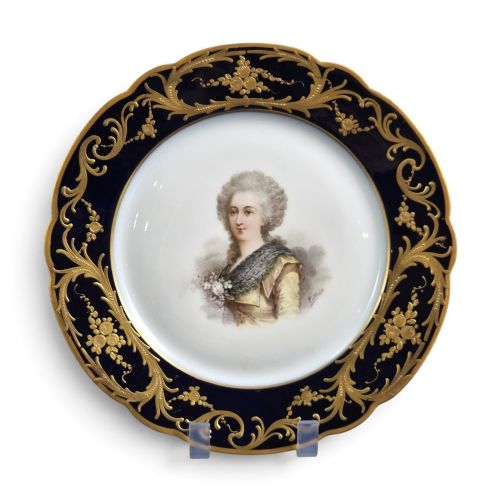
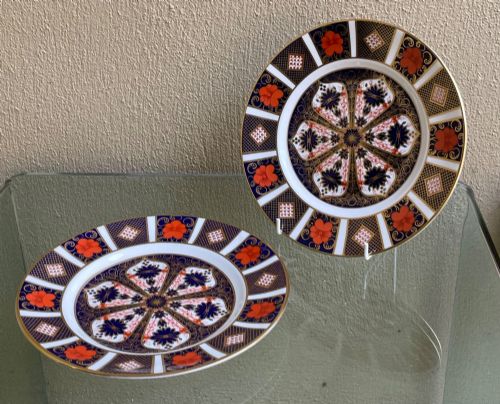
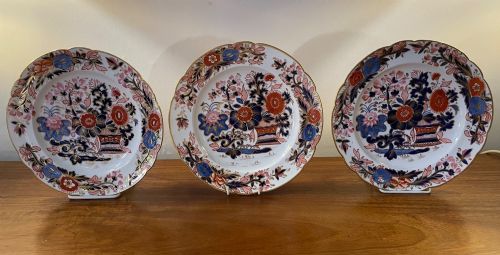
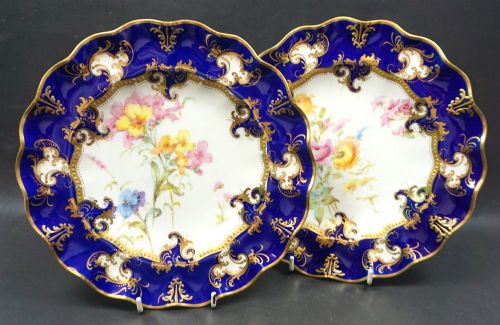
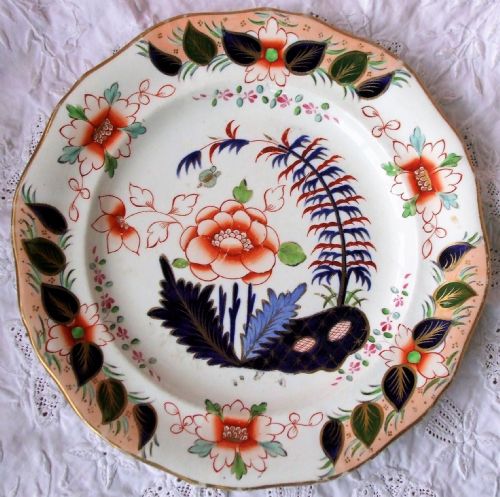
Cobalt porcelain cabinet plates span decorative plates, chargers, and serving dishes created for display rather than dining. The selection draws heavily from 19th-century English factories, continental makers, and Japanese Imari traditions.
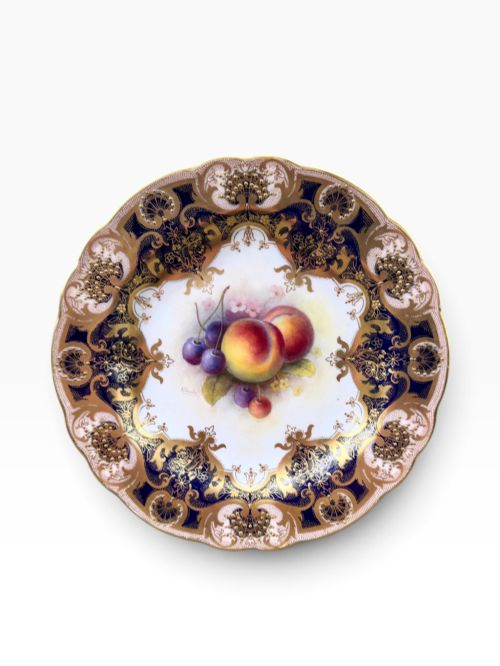
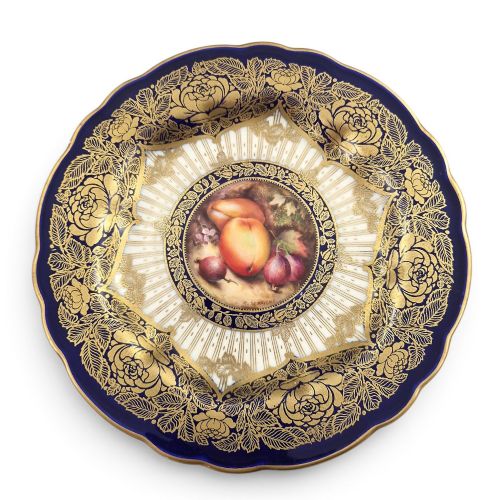
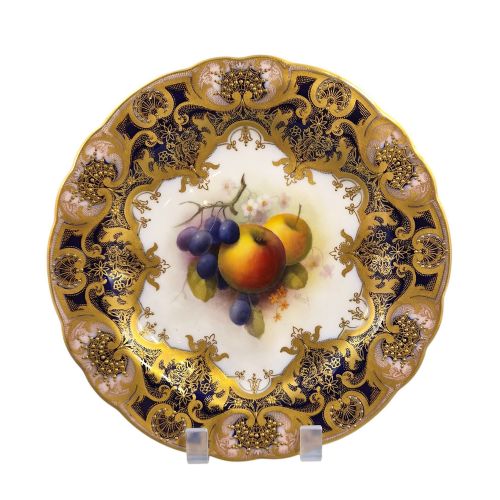
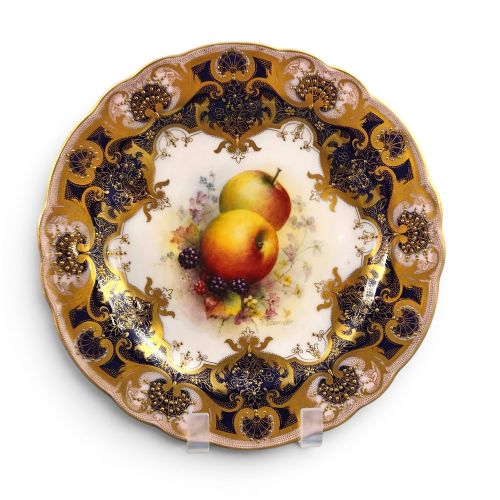
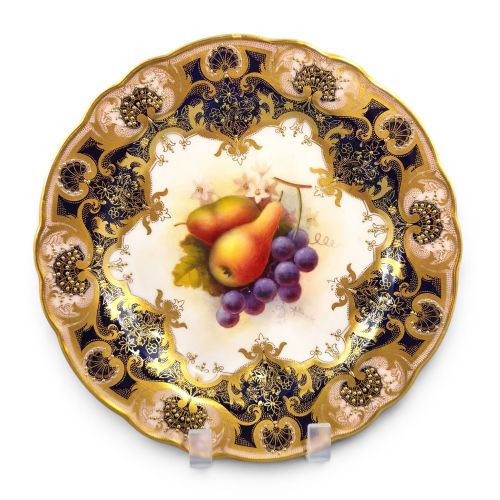
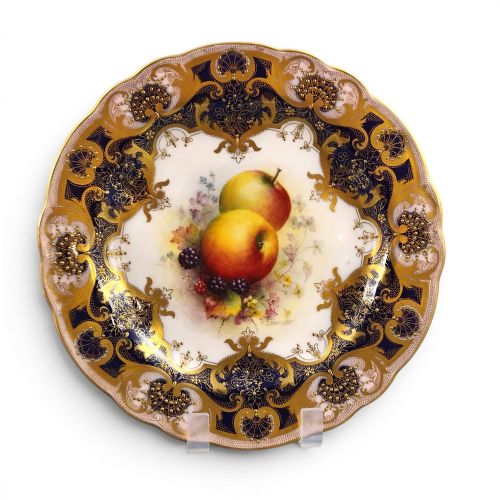
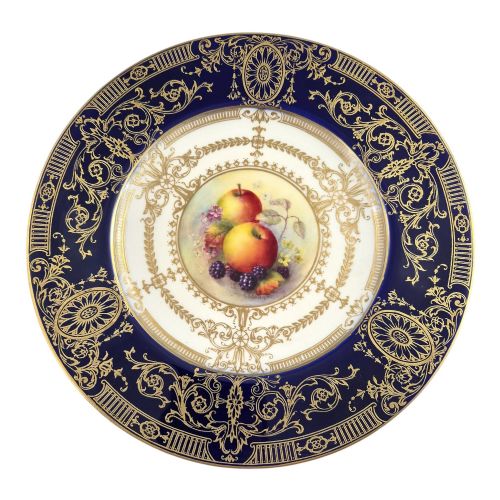
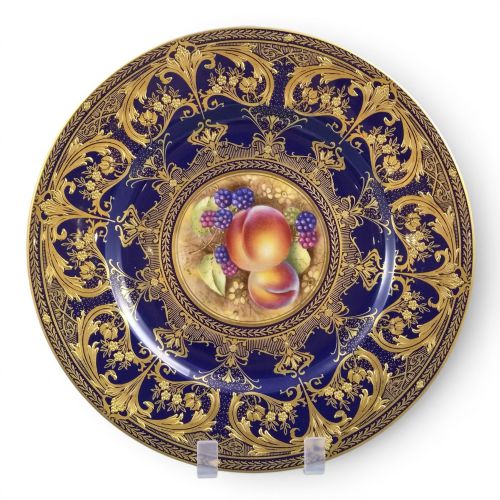
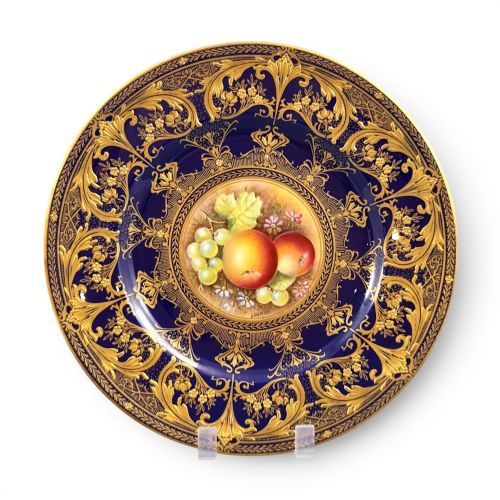
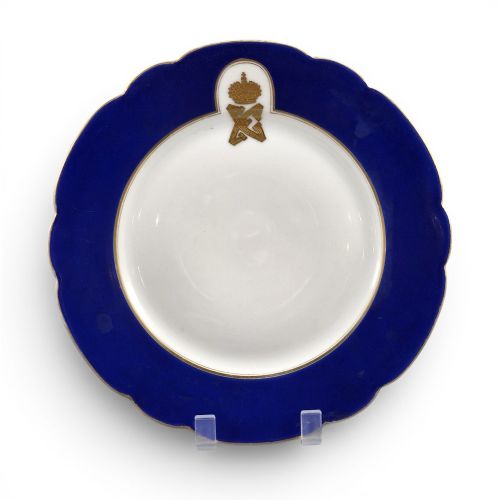
Makers utilised rich cobalt grounds alongside hand-painted fruit, portraits, and armorial crests. Collectors encounter everything from Georgian and Victorian floral designs to early 20th-century Worcester painted fruit plates.
How They Were Made
Potters shaped bone china and porcelain before applying cobalt glaze to create deep blue underglazes. Artisans then layered enamel and gold leaf, utilising gilding to highlight borders and motifs.
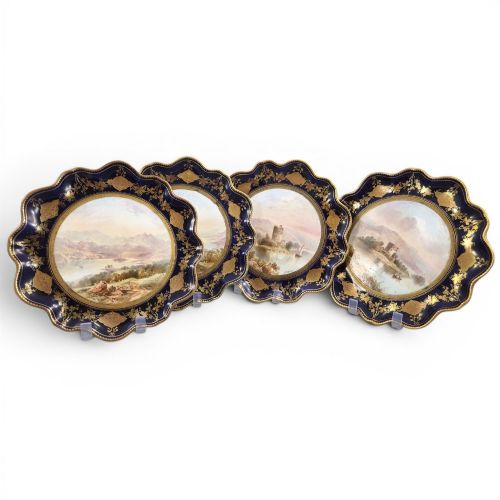
Kiln firing fixed the cobalt glaze beneath or alongside overglaze enamels. Skilled painters added detailed portraits, botanical studies, and landscapes by hand.
Several plates depict Jabberwocky patterns alongside mythological scenes of Cupid and Psyche, bringing unexpected creatures to the dining room.
What Varies in Quality
The precision of hand-painted detail separates standard factory output from premier artist-signed works. Plates painted by known hands command attention through meticulous brushwork.
The weight of gold leaf application and the depth of the cobalt glaze determine the visual richness of the surface. Heavily tooled gilding alongside crisp enamel work elevates the standard of the piece.
Royal Worcester·Royal Crown Derby·Coalport·Darte Brothers·John Davenport
The Cobalt Porcelain Cabinet Plate Glossary
- Cabinet plate
- A decorative ceramic plate intended for display in a cabinet or on a wall rather than for table service.
- Cobalt glaze
- A deep blue metallic oxide glaze applied to ceramics before or during firing, prized for its intense colour.
- Gilding
- The application of gold leaf or gold paint to ceramic surfaces, frequently tooled for texture.
- Imari palette
- A decorative colour scheme featuring cobalt blue, iron red, and gold, inspired by traditional Japanese export porcelain.
- Armorial
- A ceramic design painted with a family crest, coat of arms, or heraldic insignia.
Cobalt Porcelain Cabinet Plate: Frequently Asked Questions
How do I date a cabinet plate?
Dating relies on factory backstamps, registration marks, and stylistic clues like Neoclassical or Art Deco borders. Painter signatures and specific service commissions also help narrow the timeline.
Many pieces span the nineteenth and early twentieth centuries, reflecting the manufacturing trends of their respective periods. Comparing paste weight and glaze depth aids accurate attribution.
Where should I display these plates?
Cabinet plates suit wall mounting using specialised hangers or placement in glazed display cabinets. Their vibrant cobalt and gilt surfaces catch ambient light effectively.
Keeping them away from direct sunlight protects the overglaze enamels and gold leaf from fading over time. Secure mounting ensures safe long-term display.
Are these plates meant for food?
These items are strictly for display and decorative use rather than dining. The delicate enamel work and gold leaf can wear down with handling and washing.
Historic porcelain also requires careful preservation to maintain its condition. Enjoying them visually preserves their artistic integrity.