

Gilded Cabinet Plate
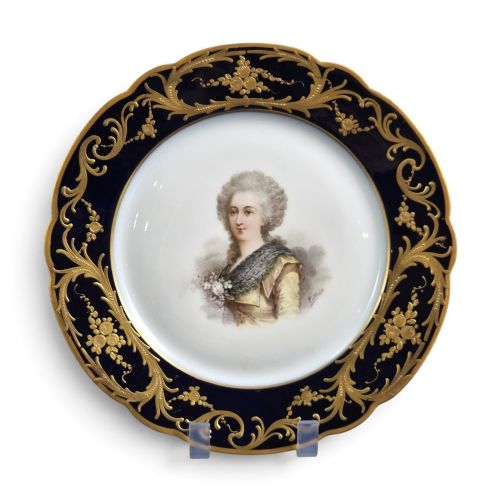
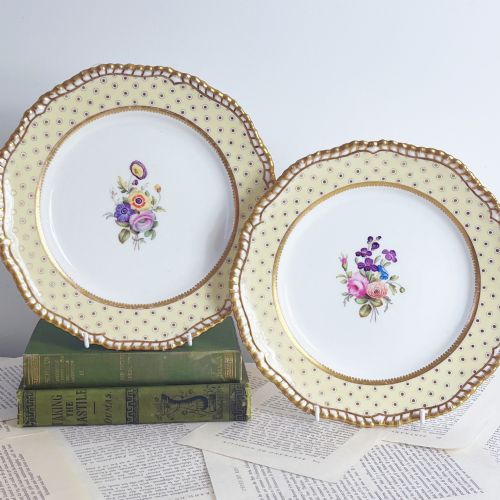
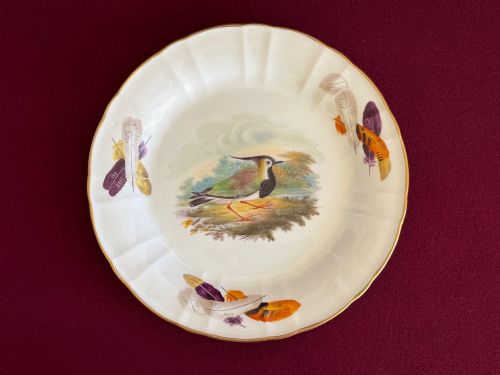
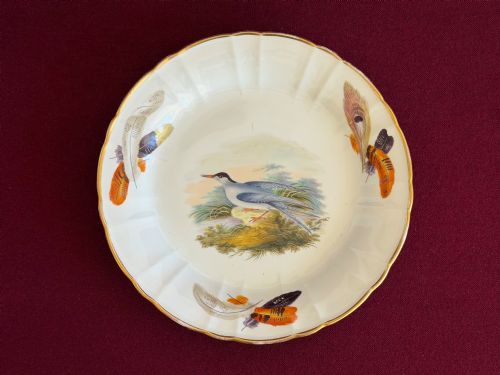
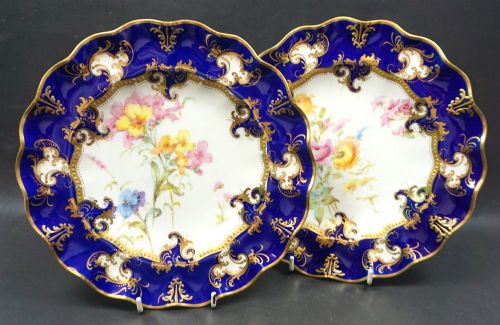
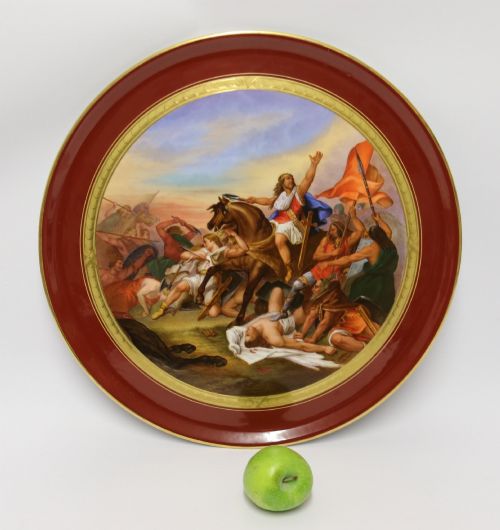
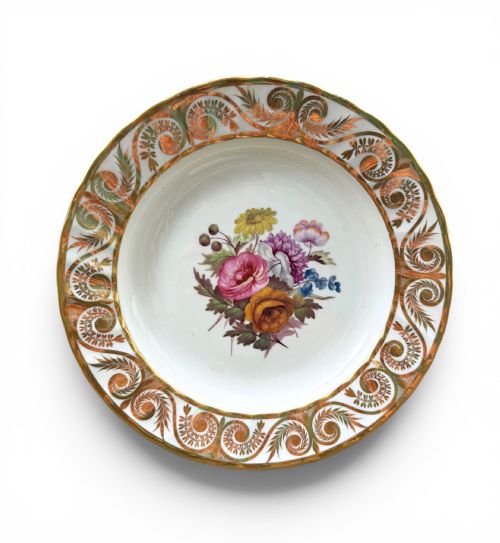
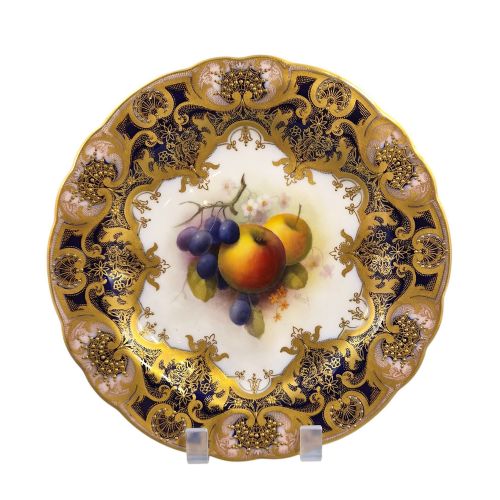
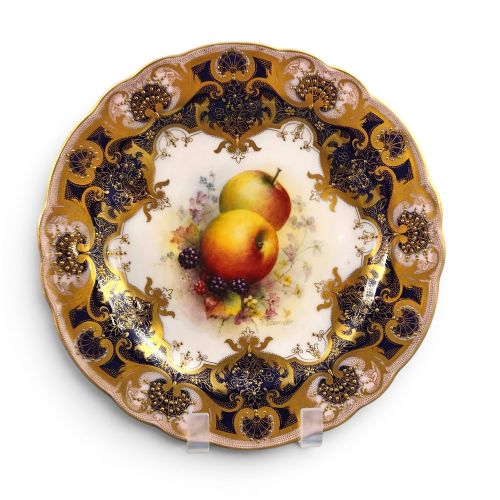
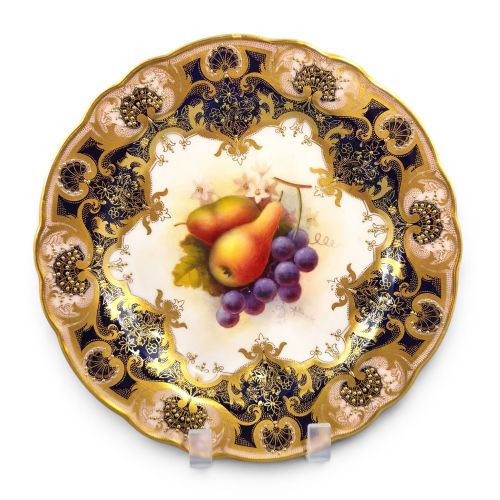
A gilded cabinet plate brings hand-painted scenes, birds, and botanical studies into focus on porcelain, chosen for display rather than the dining table.
Gilded Cabinet Plate
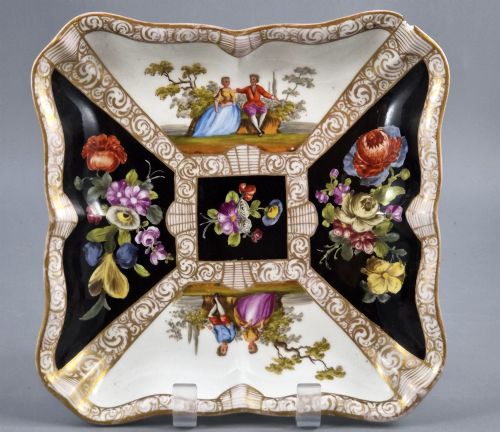
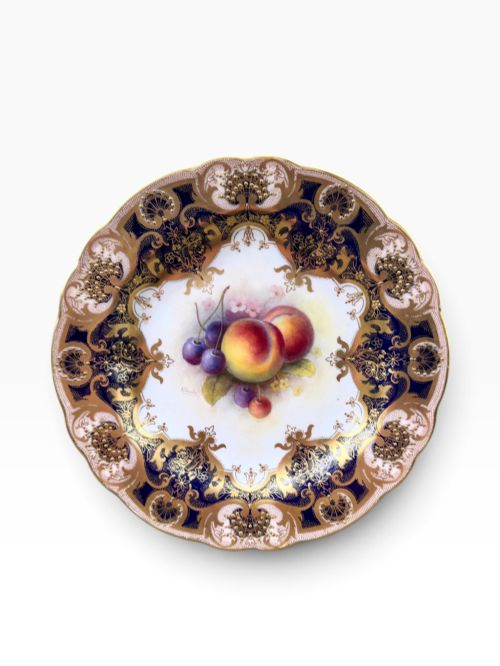
When you search for a gilded cabinet plate, you are looking at decorative porcelain pieces intended for display on walls, cabinets, or stands rather than everyday dining use. The versions you are most likely to meet on this page span the Georgian, Regency, Victorian, and Edwardian periods, stretching into the twentieth century with works by prominent English and continental makers.
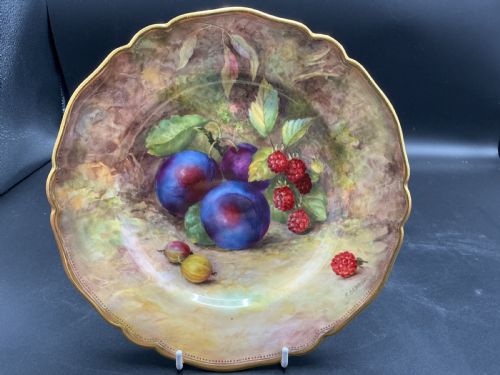
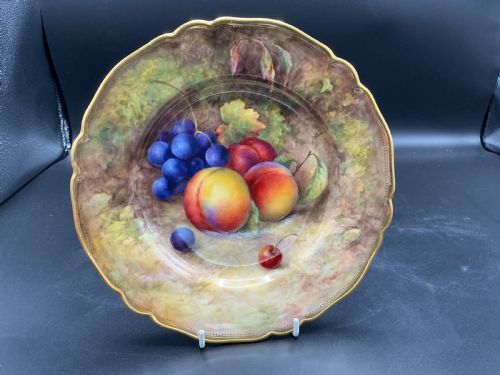
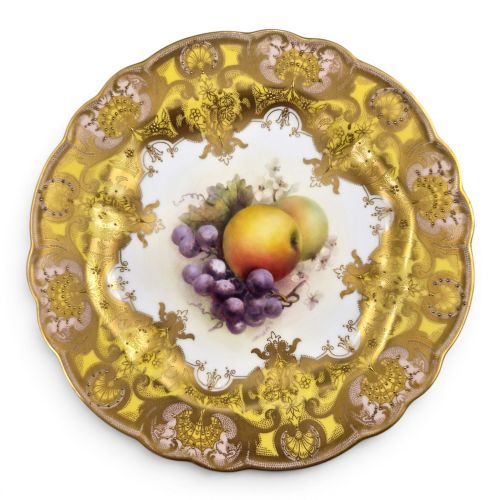
These pieces take the form of cabinet plates, dessert plates, platters, and square dishes, often featuring hand-painted botanical subjects, birds, fruit, and historical or mythological scenes. Manufacturers such as Royal Worcester, Coalport, Minton, and Meissen dominate the selection, showing both English traditional designs and French or German porcelain forms.
The decorative schemes rely heavily on applied gilding, gold leaf, and rich enamel work that frame central painted panels. Whether seeing a botanical study by Richard Sebright or a landscape by James Rouse Jnr., the focus remains on fine artistic execution combined with gilded borders.
How they were made
The manufacture of these plates relies on hard-paste porcelain, bone china, and Paris porcelain bodies shaped into circular or reticulated forms. Artisans then applied underglaze and overglaze enamel paints by hand to render detailed birds, flowers, and figures.
Gilding was applied using gold leaf, liquid gold, or heavier gilding techniques that were subsequently fired and burnished to a high shine. This metal decoration often frames the central painted well, sometimes accompanied by raised paste work or intricate pierced and reticulated borders.
Plates painted with the King of Siam service sit alongside depictions of fair squirrels and exotic birds.
What varies in quality
Quality in these pieces rests primarily on the skill of the artist and the prestige of the factory. Named and signed paintings by notable decorators command greater attention than standard factory work, as seen in specialised fruit and bird studies.
The complexity of the gilding and the crispness of the porcelain moulding also separate standard examples from finer works. Rich enamel palettes, intricate hand-painted subjects, and well-preserved burnished gold elevate certain plates above simpler decorated wares.
Spode·Wedgwood·Meissen·Royal Worcester·Royal Crown Derby·Minton·Royal Doulton·Aynsley·Cauldon Ltd·John Ridgway·Barr Flight And Barr·Darte Brothers·Coalport·Chamberlain's·Derby
The Gilded Cabinet Plate Glossary
- Cabinet plate
- A decorative ceramic plate designed specifically for display in a cabinet or on a wall rather than for practical table use. These typically feature intricate hand-painted subjects and rich gilding.
- Bone china
- A type of soft-paste porcelain incorporating bone ash, developed in England to create a strong, bright white body. It allows for thinner walls and delicate forms.
- Hard-paste porcelain
- A durable ceramic material fired at very high temperatures, composed of kaolin and petuntse. It forms the basis of many continental European pieces.
- Reticulated
- Having an openwork or net-like pattern, often achieved by cutting pierced designs through the rim of a plate before firing. This technique adds decorative complexity to the border.
- Gilding
- The application of gold leaf or gold paint to ceramic surfaces to highlight rims, handles, and borders. Burnishing gives the gold a reflective, metallic finish.
Gilded Cabinet Plate: Frequently Asked Questions
Were these plates used for dining?
Cabinet plates were created primarily for visual display in drawing rooms or cabinets rather than for serving food at the dining table. Their delicate hand-painted surfaces and heavy gilding made them unsuited to daily use.
Collectors valued them as miniature canvases that showcased the technical abilities of major porcelain manufactories and independent artists.
How do I identify the maker?
Makers are typically identified by factory marks stamped, painted, or impressed into the underside of the porcelain body. These marks often include monograms, crowns, or crossed swords that correspond to specific production eras.
Signatures from individual artists, such as Richard Sebright or Albert Shuck, frequently appear alongside the factory mark on finely painted fruit or landscape plates.
What is the difference between bone china and porcelain?
Bone china includes bone ash within its clay mixture, resulting in a slightly warmer tone and high translucency. Hard-paste porcelain uses traditional rock minerals and is fired at higher temperatures for greater durability.
Both materials served as smooth surfaces for detailed enamel painting and gold leaf application during the nineteenth and early twentieth centuries.
How should I display a cabinet plate?
These plates are commonly exhibited using dedicated wall hangers or secure display stands placed inside enclosed cabinets. Protecting them from direct sunlight helps preserve the vibrancy of the hand-painted enamels.
Handling should be kept to a minimum to prevent wear to the delicate burnished gilding on the rims.