
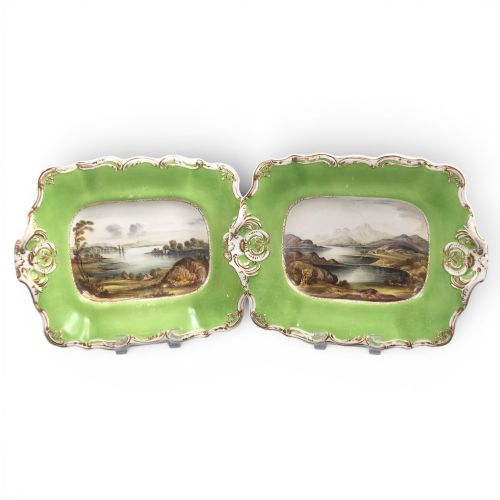
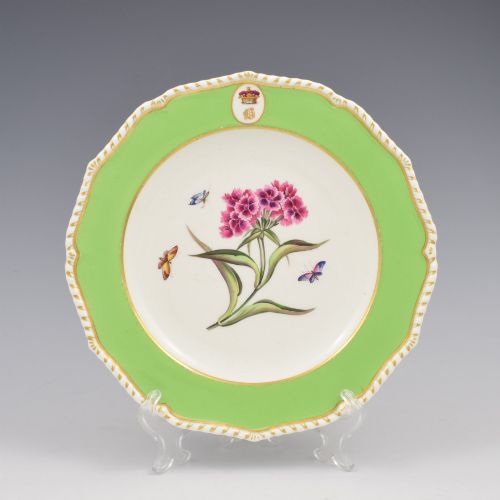


Green Porcelain Plate
A green porcelain plate brings vibrant colour to a table, combining durable ceramic bodies with intricate painted botanical or scenic designs.
Green Porcelain Plate
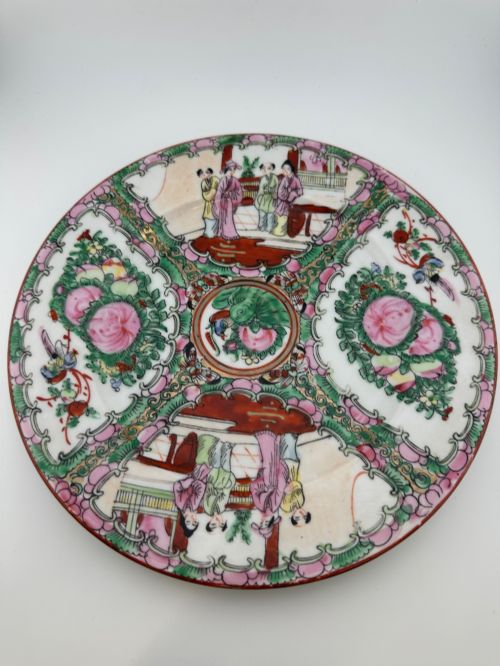
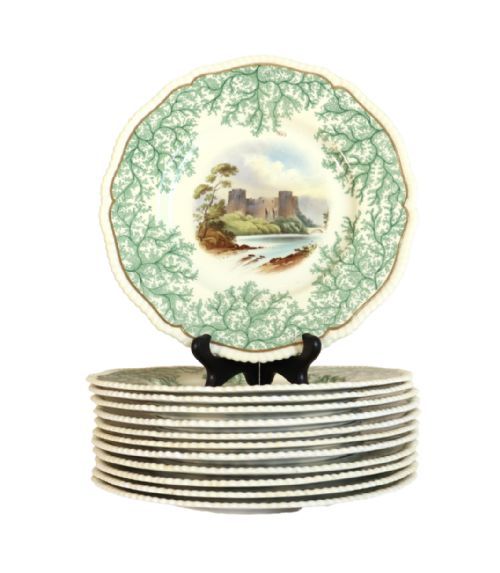
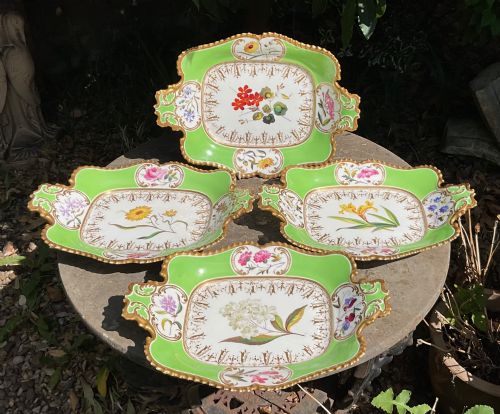
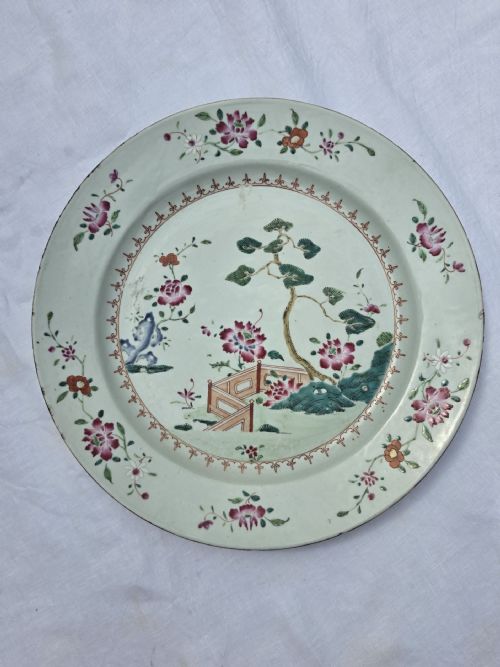
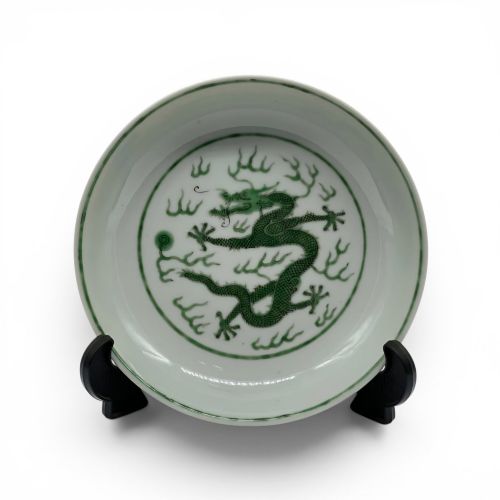
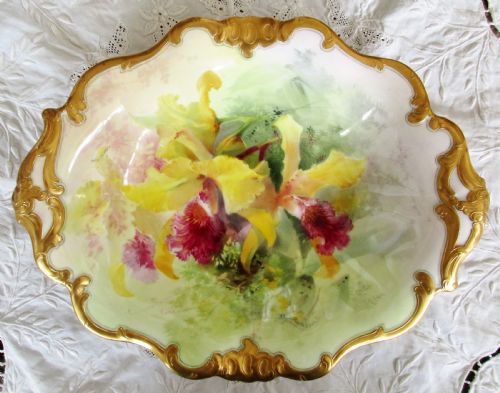
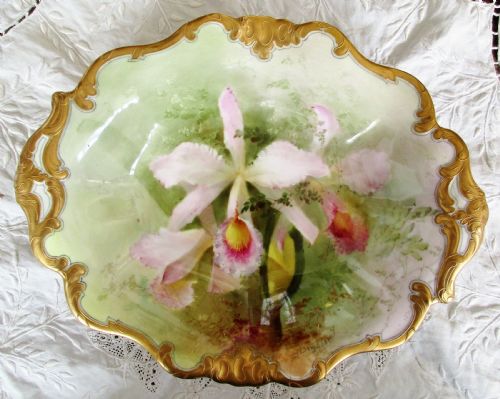
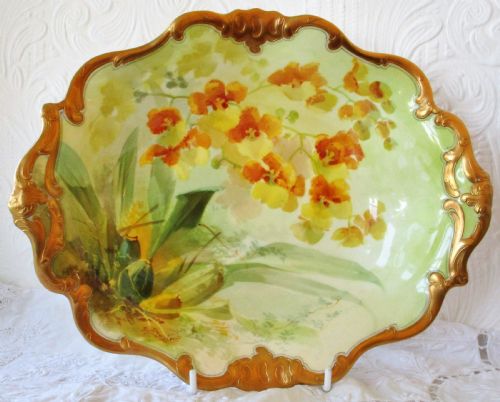
A green porcelain plate is a ceramic dish featuring a predominant green glaze or hand-painted green decorative motifs, appearing across various historical periods from the eighteenth century onwards. These pieces span English bone china cabinets, Chinese export porcelain, and Japanese chargers, each offering a distinct aesthetic.
The selection ranges from botanical cabinet plates and armorial dessert services to large chargers adorned with dragons or floral scrolls. English factories like Worcester, Spode, and Minton sit alongside Qing Dynasty Chinese wares and Japanese Kutani or Arita pieces on this page.
Materials and methods
These items rely on refined porcelain or bone china bodies fired at high temperatures to achieve a vitreous, non-porous finish. Potters then applied coloured enamels and underglaze pigments before a final glaze firing.
Gilt and gold leaf accents frequently highlight the green borders and hand-painted scenes, requiring careful secondary firings to bond the precious metal to the porcelain surface.
Green Porcelain Plate Retail Price Guide 2026
Typical asking prices for green porcelain plate among the pieces listed under this phrase on Sellingantiques today, from the lower quarter to the upper quarter. They describe what is for sale here now, not the wider market.
The listings span from the eighteenth century to the twentieth century, incorporating English, Chinese, Japanese, and German manufacturing traditions.
Assessing craftsmanship
The distinction between standard domestic wares and exceptional cabinet pieces lies in the precision and detail of the hand-painted brushwork. Named artists, armorial crests, and provenance elevate certain items above typical decorative dishes.
Porcelain throwing technique and glaze consistency also dictate excellence, where smoother surfaces, even coloration, and well-balanced forms distinguish superior production.
Spode·Chamberlains Worcester·Royal Doulton·Copeland and Garrett·Bloor Derby·Minton·Flight Barr and Barr·Veuve Perrin·Coalport·Meissen
The Green Porcelain Plate Glossary
- Cabinet plate
- A decorative plate intended primarily for display in a cabinet rather than for serving food. These pieces often feature elaborate hand-painted scenes or botanical studies.
- Famille verte
- A Chinese porcelain palette dominated by green enamel overglaze colours, developed during the Qing Dynasty. It frequently incorporates iron red, yellow, and blue.
- Armorial
- A ceramic design featuring a hand-painted coat of arms or family crest. These bespoke items were typically commissioned for elite households.
- Celadon
- A type of transparent green glaze applied to porcelain or stoneware, mimicking the appearance of jade. It originated in China and spread across East Asia.
- Bone china
- A type of soft-paste porcelain incorporating bone ash, developed in England to improve strength and translucency. It permits thinner walls while maintaining durability.
Green Porcelain Plate: Frequently Asked Questions
Are these plates safe for daily dining?
Most antique plates feature delicate hand-painted enamels, gilt edges, and soft ceramic bodies that suffer from modern detergent and cutlery use. Collectors typically restrict them to display or gentle hand washing.
Heavier nineteenth-century ironstone or earthenware pieces handle occasional service better, but fragile porcelain requires careful handling.
How do I date an antique green plate?
Dating relies on maker marks stamped or painted on the underside, alongside stylistic clues like border patterns and colour palettes. English factories often changed patterns and crown culls by decade.
Asian ceramics look to imperial reign marks, dynasty periods, or stylistic shifts in brushwork to narrow down the decade of production.
What is the difference between a charger and a plate?
A charger is a large decorative dish, substantially broader than a standard dining plate, and historically used as a base plate or centrepiece. They dominate wall displays or cabinet stands rather than table settings.
Plates are smaller, scaled for individual courses like dessert or botanical cabinet presentation.
How should I display a cabinet plate?
Displaying a plate safely involves using secure wall hangers lined with protective rubber or stable wire easel stands designed for heavy porcelain. Positioning them away from direct sunlight preserves the vibrant green enamels and gilt highlights.
Enclosed cabinets also protect the delicate surface from dust and accidental knocks.