



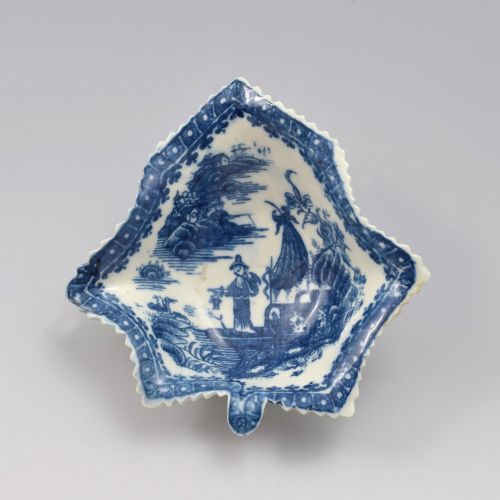
Antique Ceramic Dish
These antique ceramic dish pieces are functional and decorative table items that bring historical craft directly into your home.
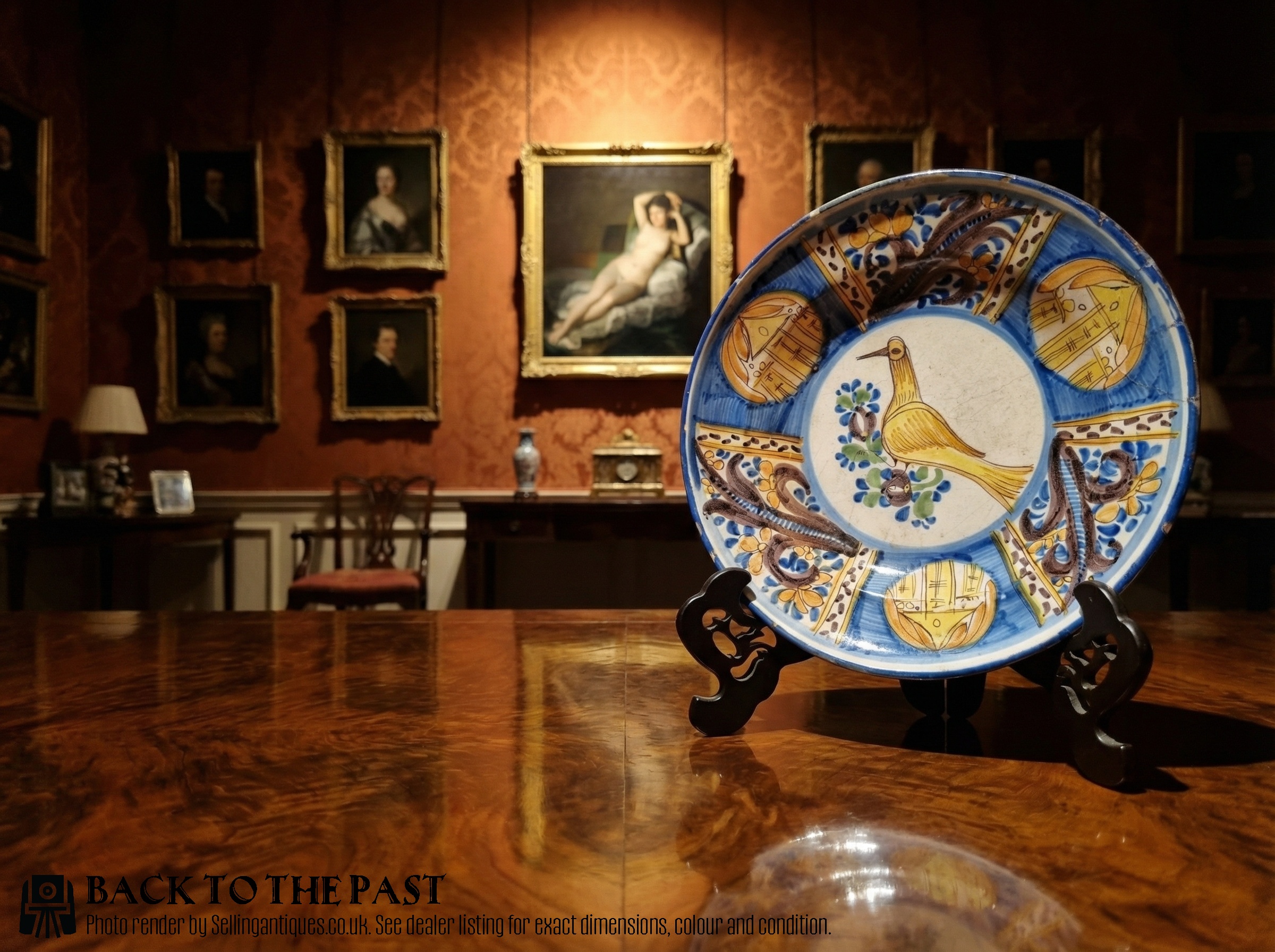
What an antique ceramic dish is
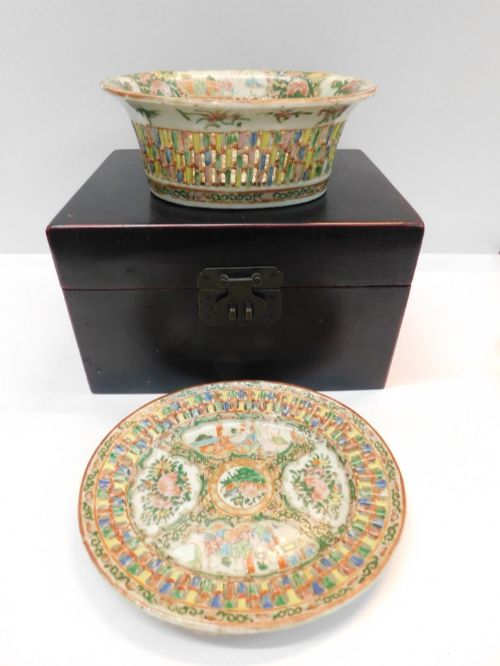
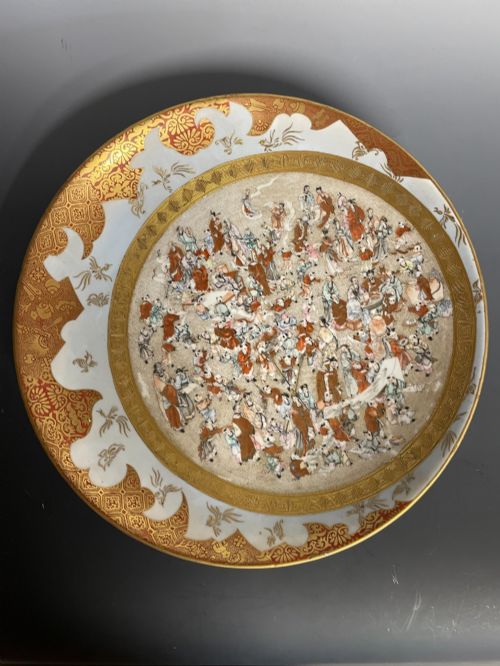
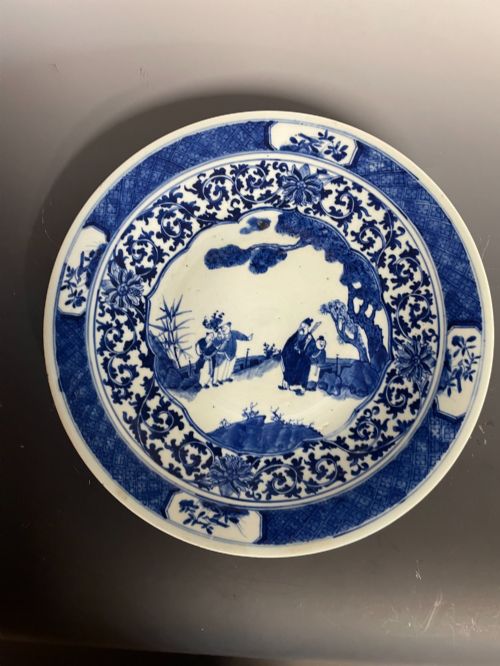
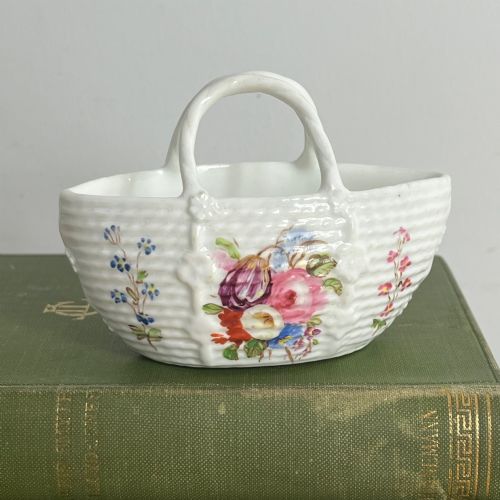
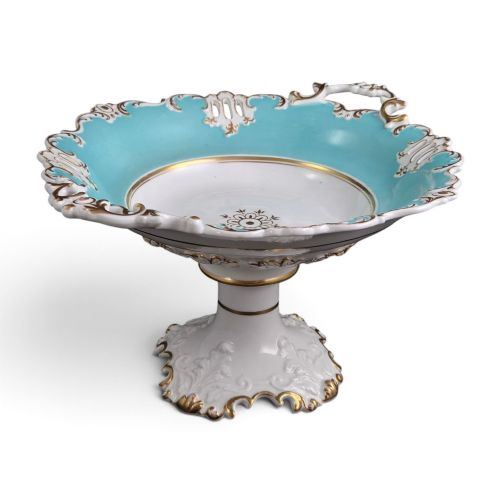
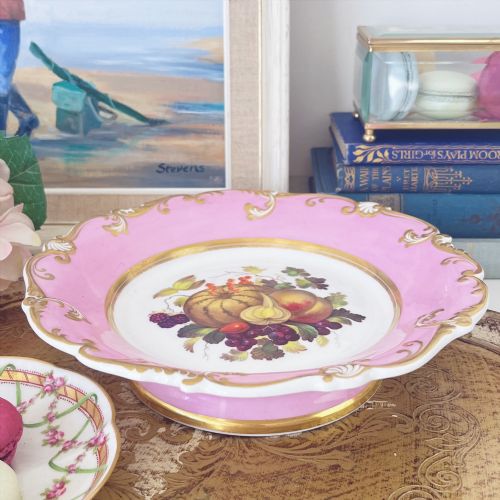
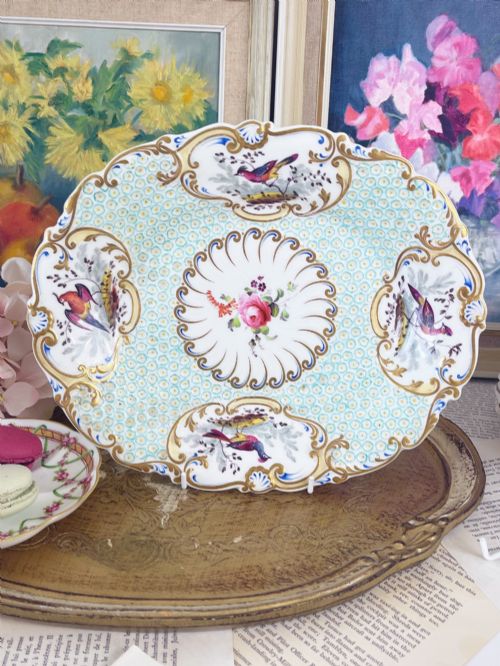
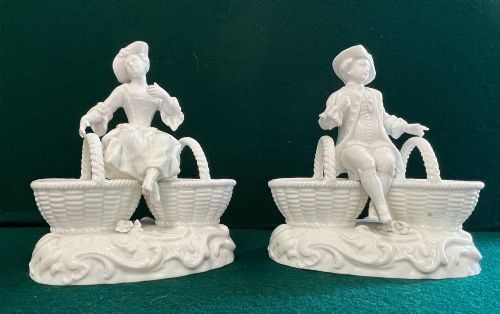
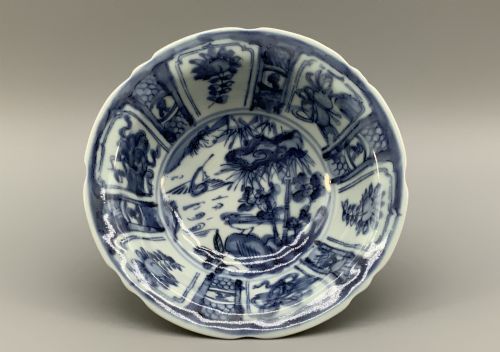
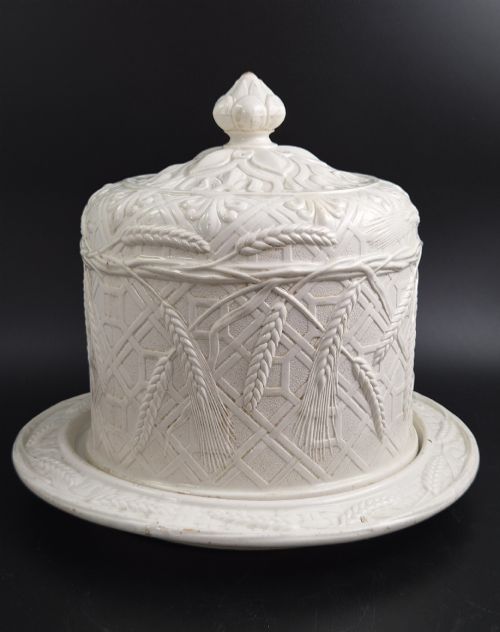
When you search for an antique ceramic dish, you encounter a broad variety of serving vessels, decorative plates, and chargers spanning multiple centuries. The selection encompasses diverse forms ranging from large blue and white chargers to twin-handled serving dishes and kitchen cheese keepers.
You are most likely to meet 19th-century and Victorian examples on this page, alongside earlier Georgian and 18th-century pieces. These wares serve both utilitarian purposes and ornamental display within domestic spaces.
Originating from English, French, and Japanese traditions, these objects reflect varied regional aesthetics and potting techniques. Styles span from folk art and Dutch Delftware to Regency and Victorian designs.
How they were made
Potters utilised materials such as earthenware, porcelain, terracotta, and stone china to form the base bodies of these vessels. Glaze and enamel applications provide protective surfaces and vibrant coloration.
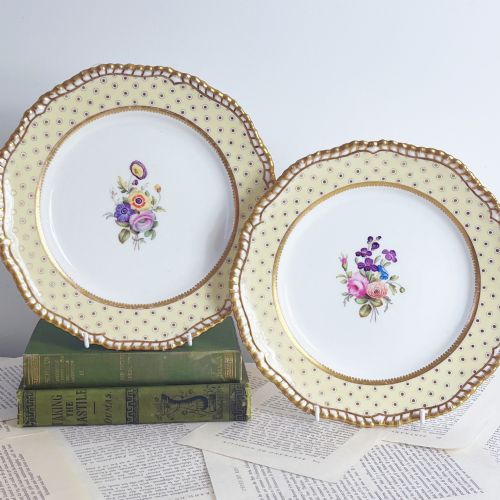
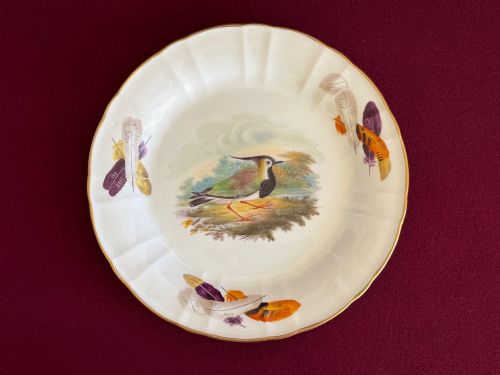
Decoration often involved hand-painted details, transfer printing, and gold leaf additions. Specialised techniques such as barbotine majolica and lustre work create textured and metallic visual effects on the ceramic bodies.
Retail Price Guide 2026
Typical UK retail prices for ceramic dish, calculated from the Sellingantiques database of over a million retail prices indexed since 2003. This retail price guide relies exclusively on Sellingantiques data; no external sources or auction records are used, so the figures do not describe the wider market.
Listings feature earthenware, porcelain, and terracotta materials decorated with glaze, enamel, and gold leaf.
What varies in quality
The sophistication of the painting and the precision of transfer-printed patterns distinguish finer examples from simpler utilitarian wares. Hand-painted polychrome details and delicate gilding require skilled execution that elevates the visual merit of a piece.
The complexity of the form and the integrity of the glaze application determine the overall refinement of the vessel. Early potting standards and well-preserved surface finishes indicate superior workshop production.
Chamberlain’s Worcester·Mason·Royal Crown Derby
The Antique Ceramic Dish Glossary
- Barbotine
- A French term for slip decoration used in high-relief pottery production. It creates raised, tactile floral and figurative motifs on the surface.
- Charger
- A large decorative plate or serving platter historically used on formal dining tables. These substantial pieces often display prominent transfer-printed scenes or painted motifs.
- Lustre
- A type of ceramic glaze that imparts a metallic sheen to the surface. It reflects light to create an iridescent appearance on the vessel.
- Stone China
- A durable, dense ceramic body developed in the 19th century to imitate oriental porcelain. It provides a robust surface suitable for heavy transfer-printed decoration.
Frequently Asked Questions
How do I clean an antique ceramic dish?
Wash the item gently by hand using lukewarm water and mild soap. Avoid soaking pieces with delicate gold leaf or hand-painted enamel.
Dry the vessel thoroughly with a soft cloth to protect the historic glaze and prevent moisture damage.
Can I use these dishes for serving food?
Many of these pieces were originally designed for serving food, cheese, or fruit during meals. Consider the condition of the glaze and any historic repairs before using them for dining.
Dishes with extensive wear or metal mounts are often better suited for display rather than daily culinary use.
How do I identify a Georgian ceramic dish?
Examine the weight, material type, and stylistic markers such as blue and white transfer printing or early earthenware bodies. Georgian pieces frequently exhibit characteristic hand-painted motifs and refined potting techniques typical of the period.
Look for maker names or regional pottery styles recorded in the listing details to confirm the era.
What is the difference between earthenware and porcelain?
Earthenware is a porous, opaque ceramic body fired at lower temperatures, requiring a glaze to become waterproof. Porcelain is a dense, vitrified ceramic material that is white and sometimes translucent.
Porcelain generally feels harder and heavier for its size compared to traditional earthenware vessels.