


Antique Decorative Tray
An antique decorative tray brings artistry to everyday service, combining period craftsmanship with utility in brass, lacquer, and papier-mâché.
Antique Decorative Tray
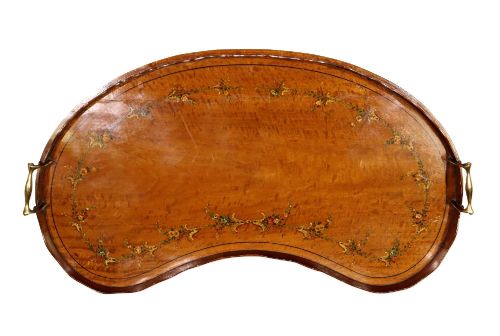
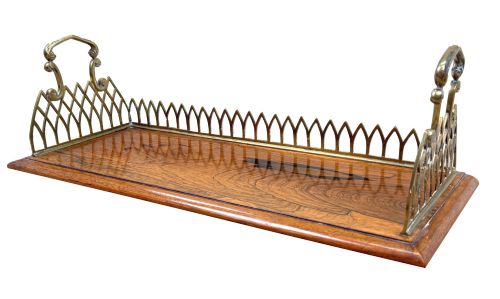
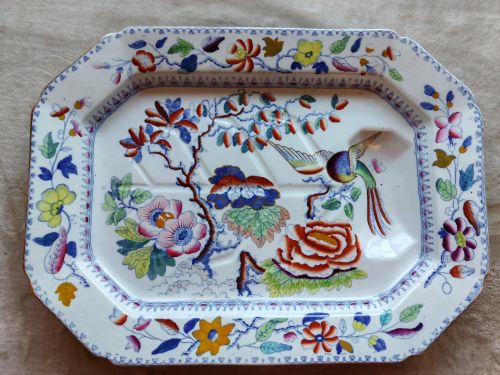
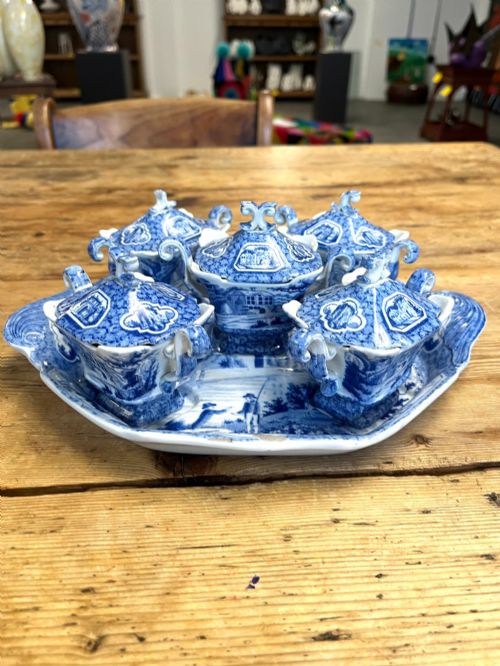
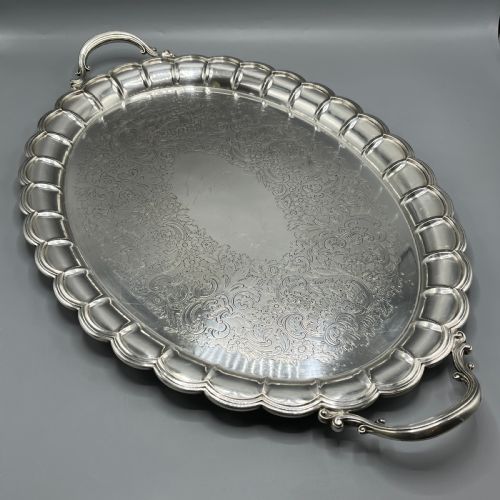
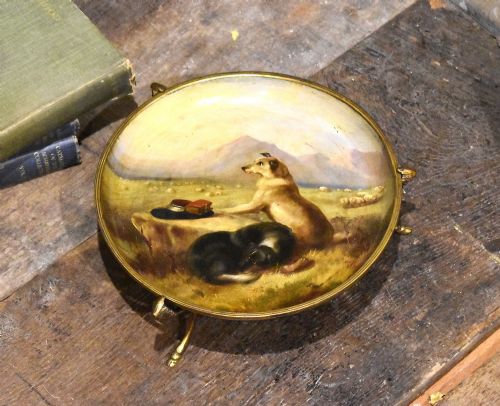
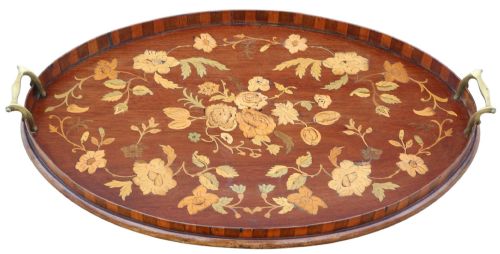
When you search for an antique decorative tray, you encounter an array of serving platters, card baskets, and display dishes spanning the nineteenth and early twentieth centuries. These pieces reflect diverse origins, ranging from English mahogany and satinwood afternoon tea slides to Anglo-Colonial teak serving trays.
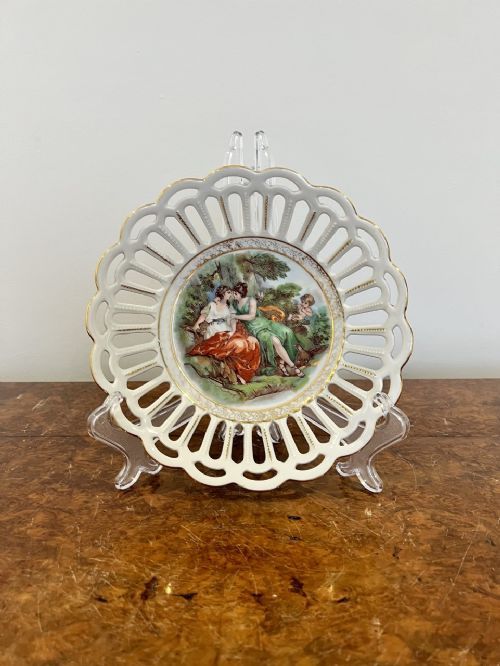
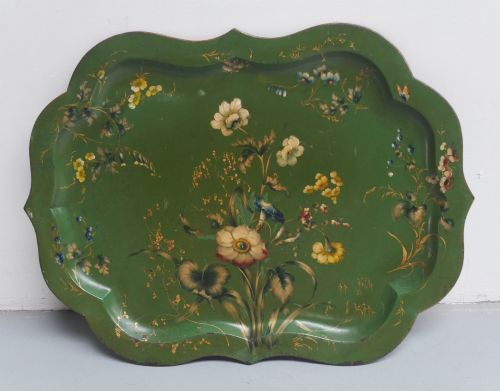
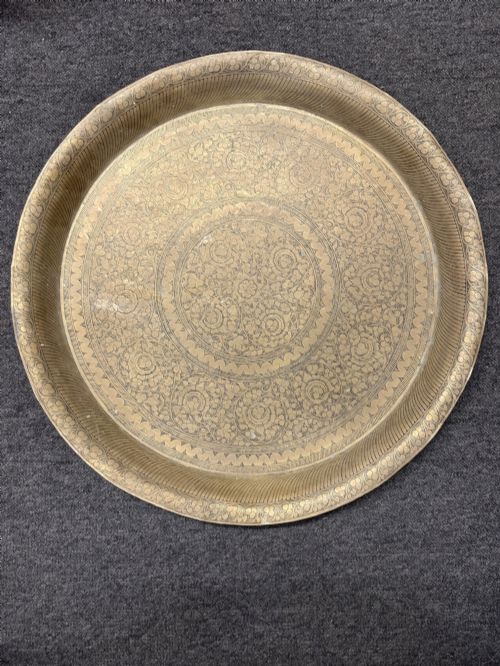
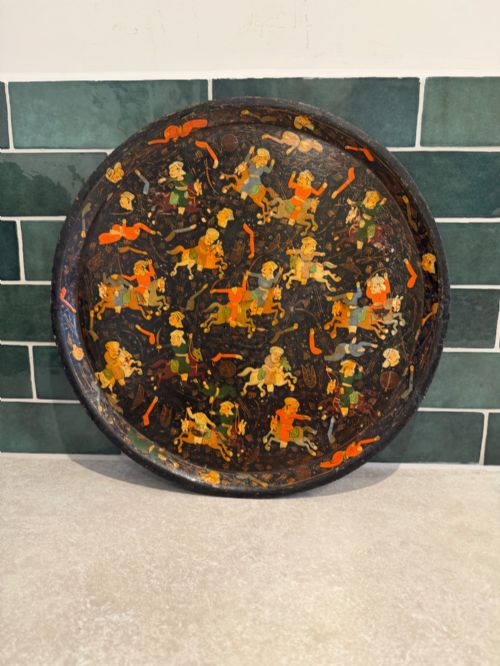
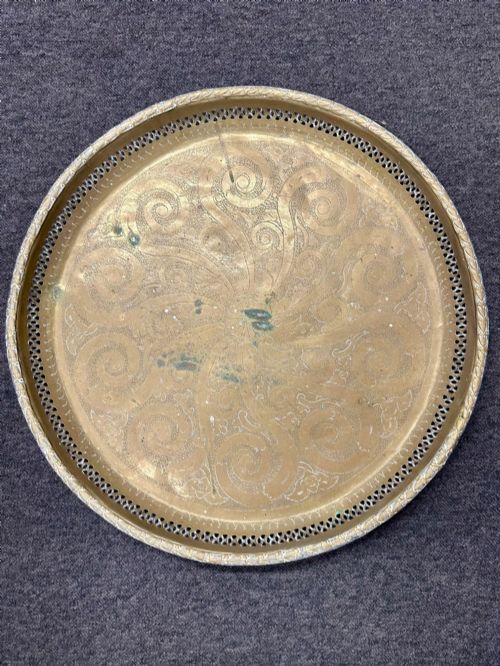
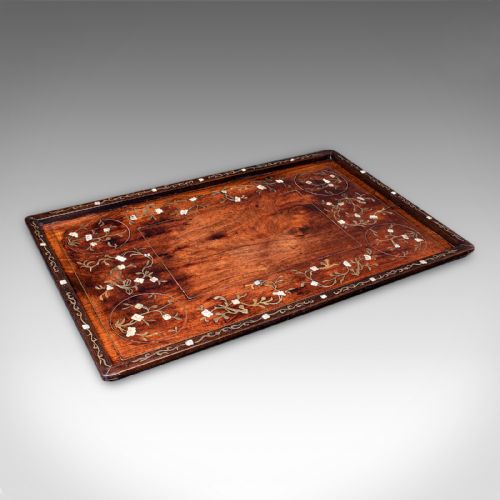
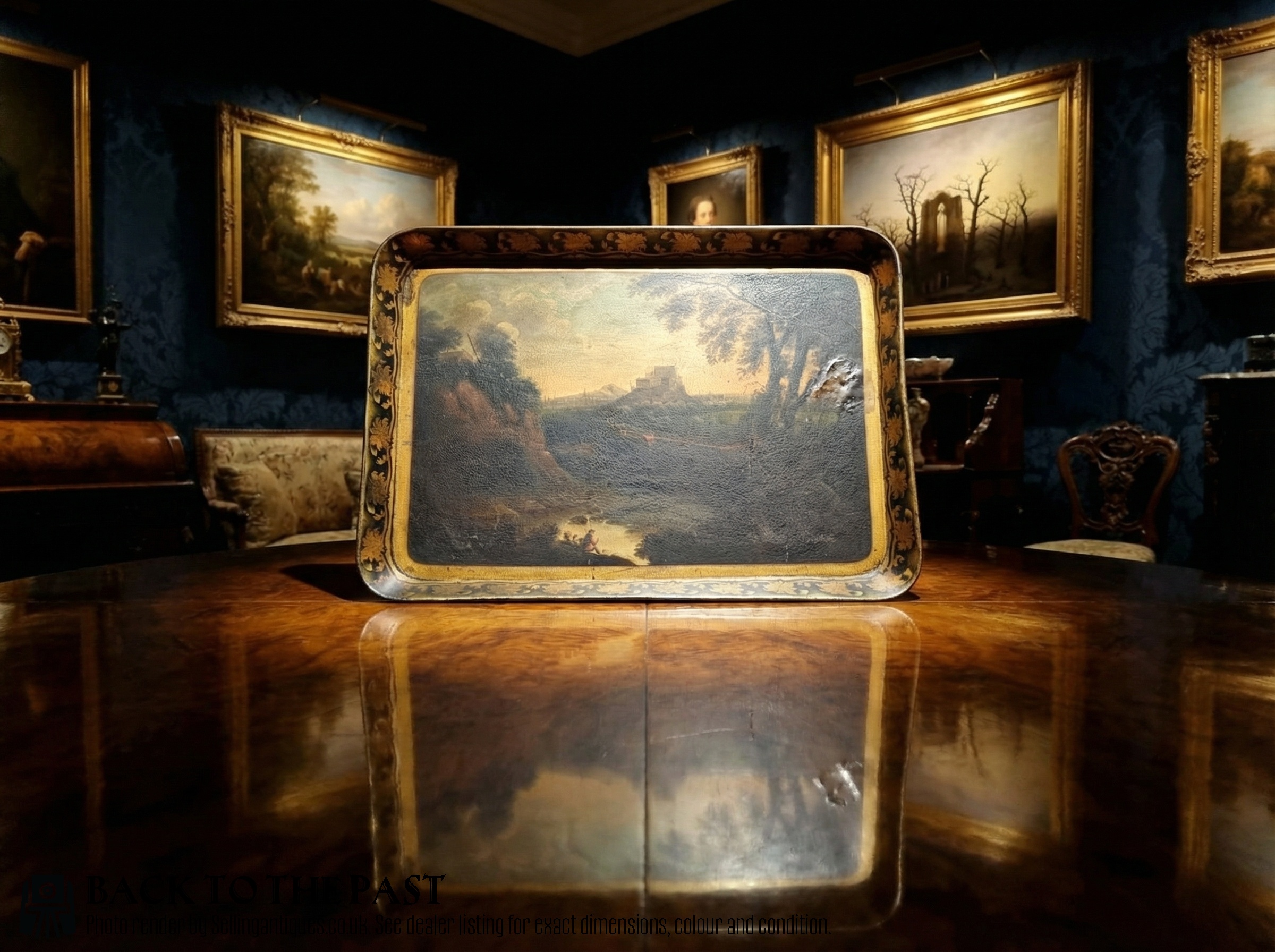
You meet Victorian papier-mâché examples alongside Regency japanned wares, often featuring intricate gilding, hand-painted motifs, or mother-of-pearl inlay. The selection also includes Middle Eastern brass chargers, Kashmiri lacquered works, and fine porcelain dishes intended for display or refined domestic use.
Materials and construction methods
Maker workshops utilised traditional techniques across varied mediums, combining organic substrates like papier-mâché and wood with metals such as brass, copper, and silver plate. Papier-mâché trays required layered paper pulp pressed, dried, and finished with japanned coatings or gold leaf ornamentation.
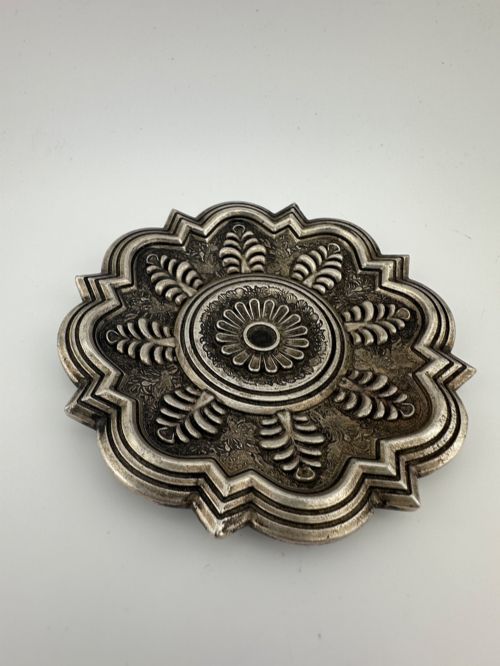
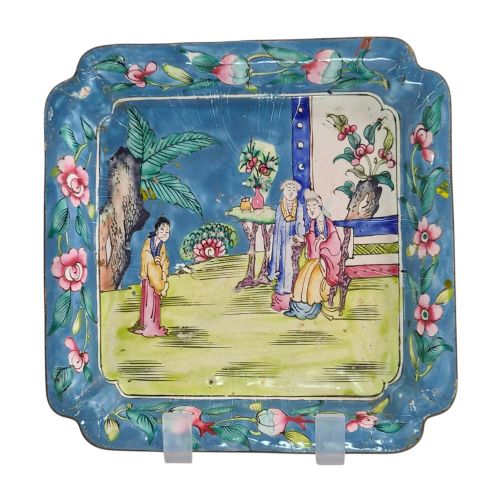
Wooden items frequently incorporated mahogany, teak, and inlaid satinwood, sometimes featuring coopered construction or applied ormolu mounts. Metal pieces demonstrated repoussé work, champlevé enamel inlay, and precise engraving, particularly evident in Cairo Ware and Japanese cloisonné production.
Antique Decorative Tray Retail Price Guide 2026
Typical asking prices for decorative tray among the pieces listed under this phrase on Sellingantiques today, from the lower quarter to the upper quarter. They describe what is for sale here now, not the wider market.
A leaping koi fish rendered in cloisonné enamel shares space with stately mahogany tea slides and copper trays.
Distinctions in quality and execution
The division between standard items and superior examples lies in the crispness of the hand-applied decoration and the integrity of the base materials. Finely executed inlay work, original gilding retention, and crisp surface chasing elevate certain pieces significantly above mass-produced alternatives.
Balanced proportions and the harmony of secondary woods or mountings demonstrate maker skill, particularly in transitional pieces spanning the Georgian, Victorian, and Edwardian eras. Original painted details and intact lacquer surfaces preserve the intended aesthetic value without obscuring period wear.
Royal Crown Derby·Royal Doulton·Coalport·Doe and Rogers
The Antique Decorative Tray Glossary
- Japanned
- European lacquerwork imitating East Asian decorative finishes, commonly applied to Regency and Victorian papier-mâché trays.
- Champlevé
- An enamelling technique where troughs are carved into metal surfaces and filled with vitreous paste before firing.
- Repoussé
- Metalworking method where the design is hammered into relief from the reverse side of copper, brass, or silver.
- Imari
- A style of Japanese porcelain featuring distinctive underglaze blue and contrasting iron red and gold overglaze motifs.
- Coopered
- Wood construction using tapered stave pieces joined edge-to-edge, frequently utilised for round trays and small vessels.
Antique Decorative Tray: Frequently Asked Questions
How were these trays used historically?
These pieces served practical roles in wealthy households, carrying afternoon tea, calling cards, or writing instruments across formal rooms. Many also functioned as table centrepieces or wall plaques for pure display.
Craftsmen designed them to complement interior decorative schemes, integrating materials like mahogany, porcelain, and engraved brass into daily domestic rituals.
How do I care for an antique papier-mâché tray?
Preserving these surfaces requires avoiding moisture and direct sunlight, which can damage original japanned finishes and gold leaf highlights. Dust gently with a dry, soft cloth rather than chemical polishes.
Maintaining stable room humidity prevents the papier-mâché base from warping or cracking over time.
What distinguishes Victorian from Regency trays?
Regency examples often feature restrained neoclassical motifs, classical japanned papier-mâché, and simpler geometric forms influenced by Asian imports. Victorian production expanded into eclectic styles, incorporating heavy brass, champlevé enamel, and ornate mother-of-pearl inlay.
Later nineteenth-century pieces also embraced revival aesthetics like Rococo and Arts and Crafts movements.
Are these trays suitable for daily use today?
Metal and sturdy wood versions handle light service, while fragile porcelain, lacquer, and papier-mâché items suit decorative placement best. Assessing the surface condition helps determine whether a piece can safely support items.
Protecting delicate finishes from heat and liquids ensures these historical objects remain intact for years to come.