




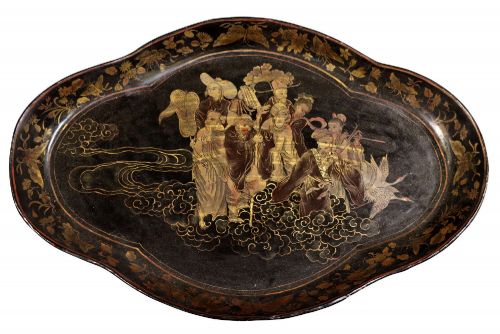
Antique Papier Mache Tray
An antique papier mache tray brings tactile history to a room, offering a sturdy yet lightweight surface once used for serving drinks or displaying objects.
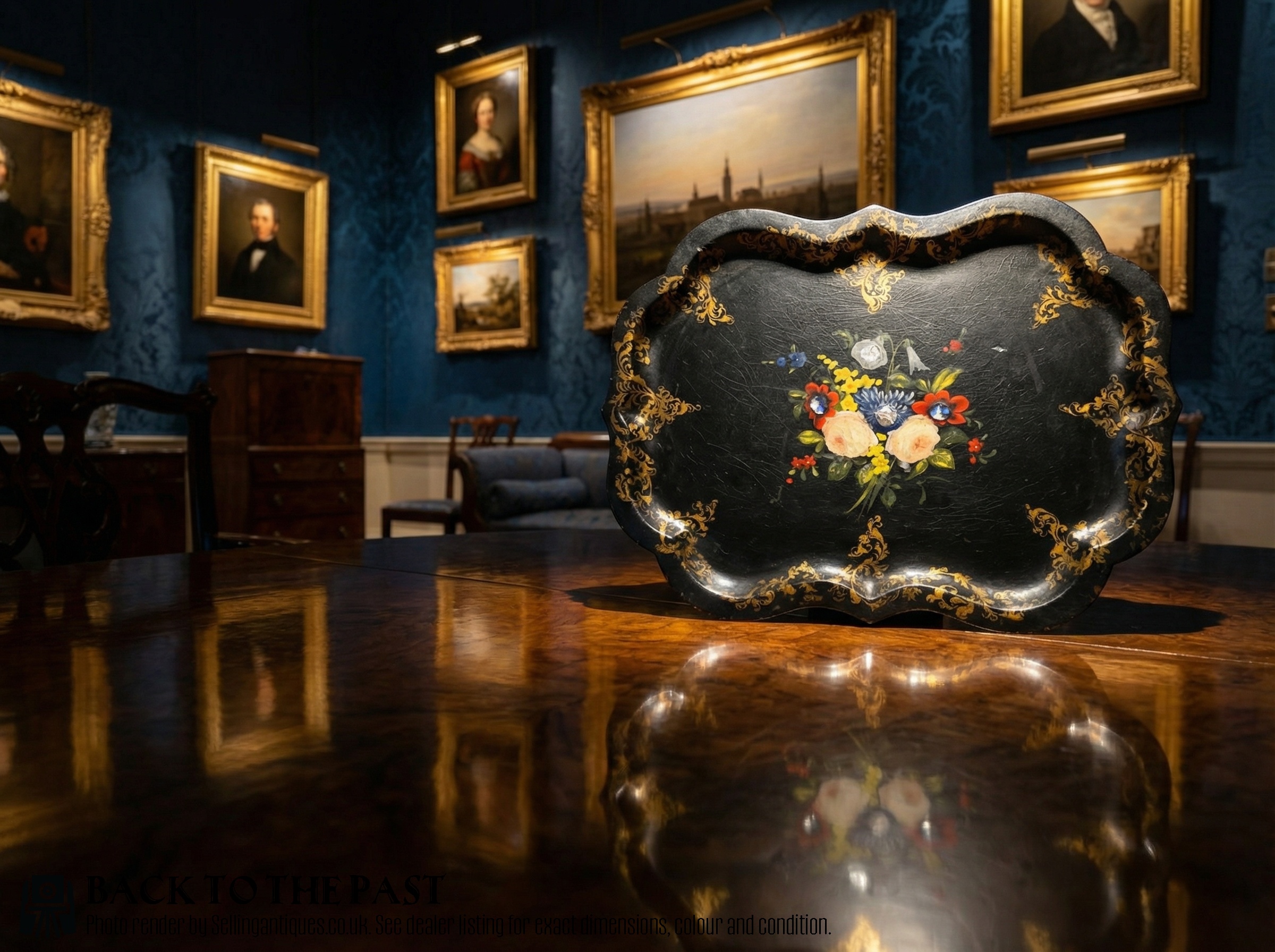
Antique Papier Mache Tray
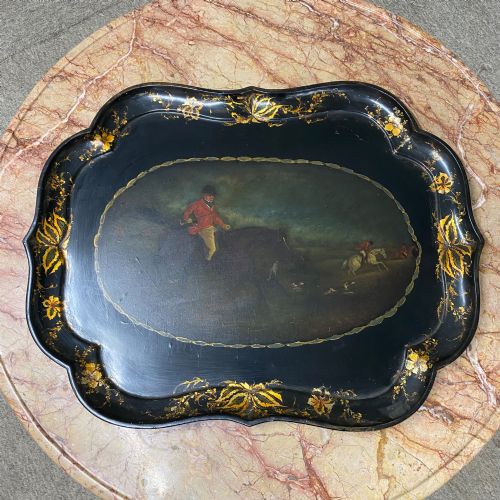
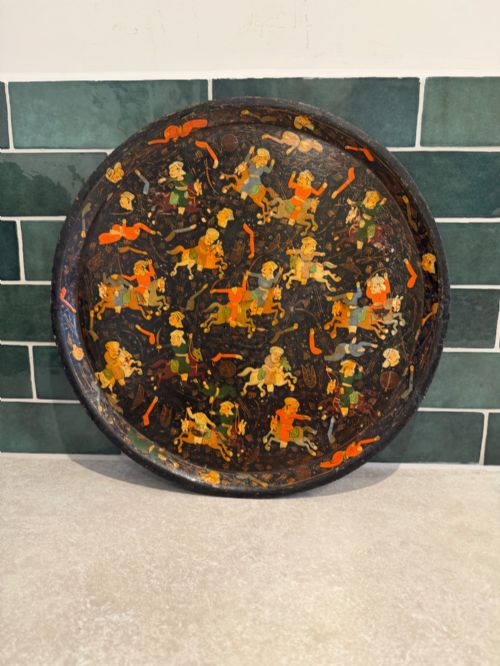
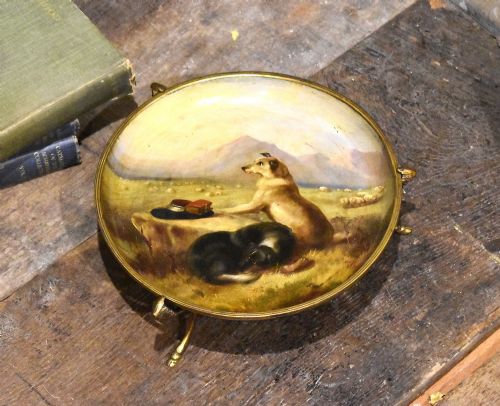
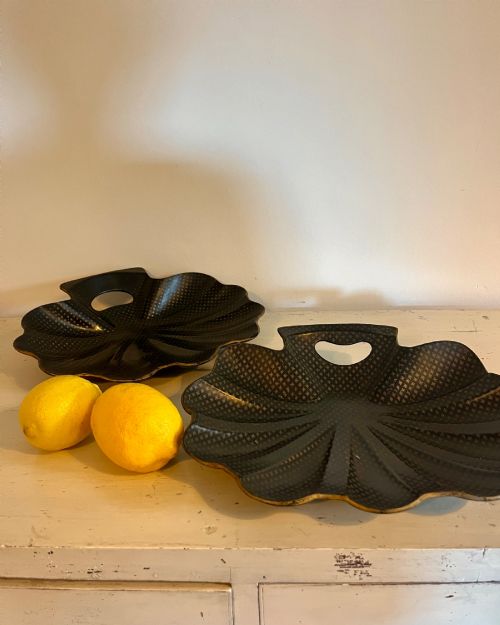
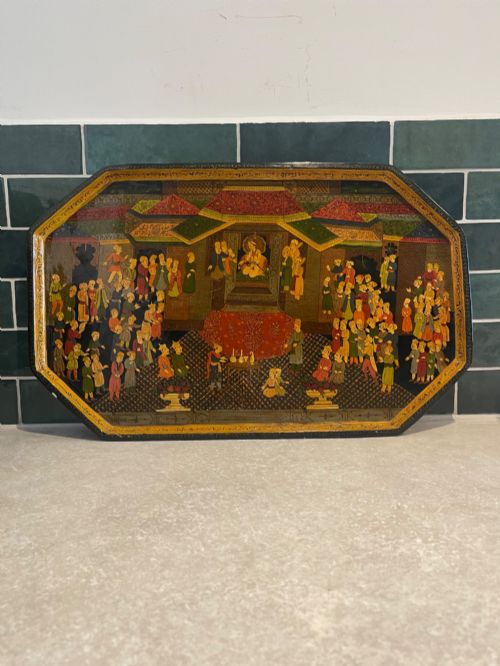
When you search for an antique papier mache tray, you encounter items shaped from reinforced paper pulp, frequently found in Regency, Georgian, and Victorian styles. These pieces range from small dishes and card baskets to massive serving trays, occasional tables, and tray stands.
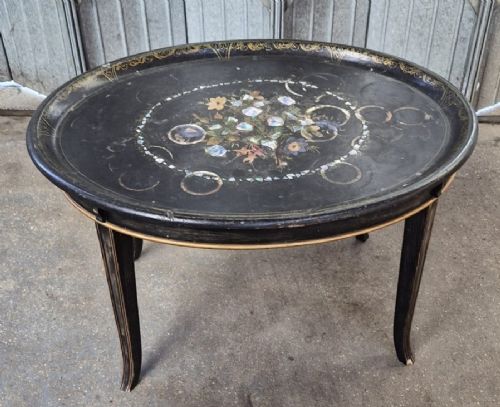
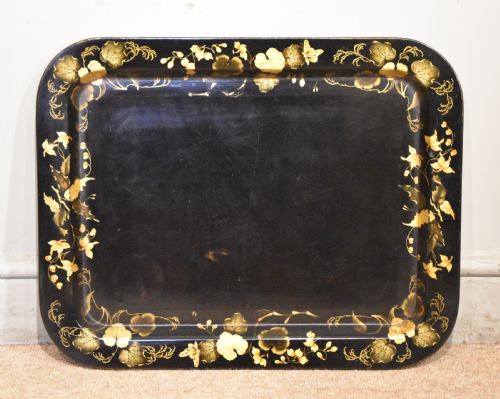
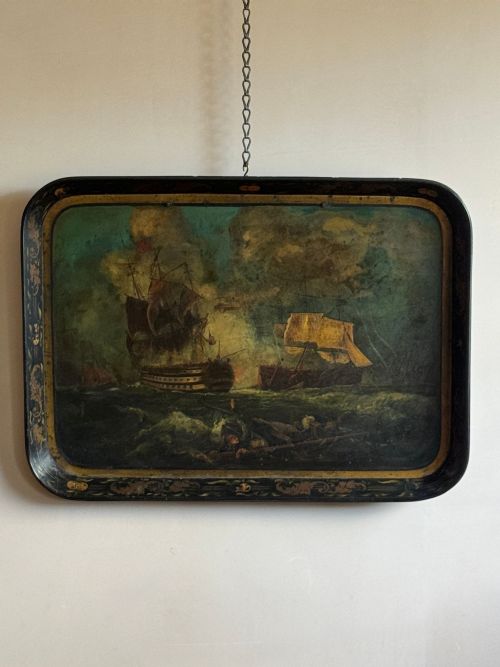
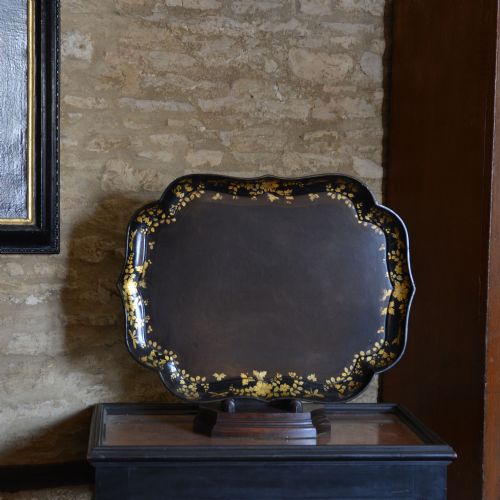
The version most commonly met on this page is the large 19th-century serving tray, often decorated with Chinoiserie motifs or floral patterns, sometimes mounted onto later wooden stands to function as side tables.

How they were made
Makers constructed these trays using layers of paper pulp or paper sheets combined with glue and resin, pressed in moulds and baked until rigid. This created a remarkably durable board that resisted warping better than solid timber.
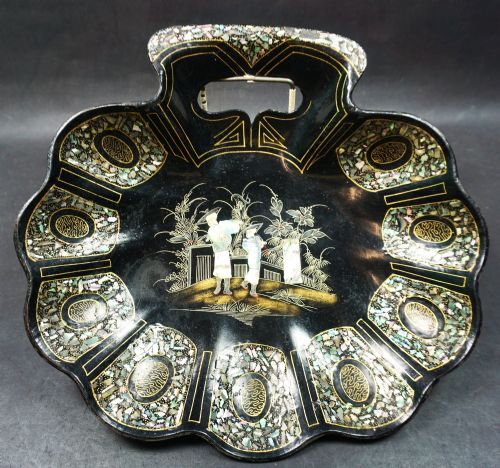
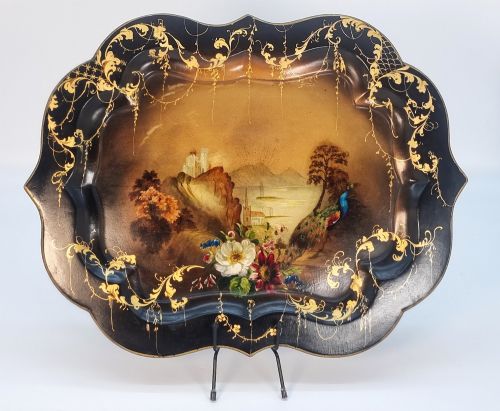
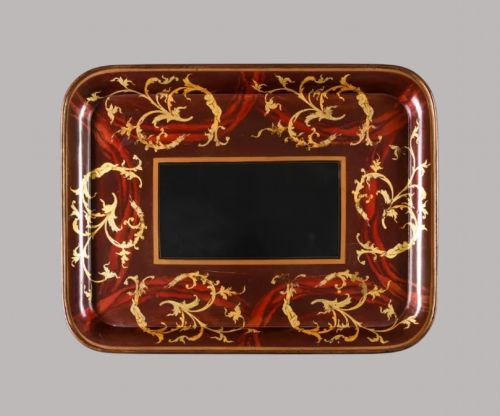
Artisans finished the dried forms with layers of lacquer, paint, and gold leaf, frequently incorporating mother-of-pearl inlay and hand-painted details. Japanning techniques were also applied to achieve glossy, hard-wearing dark surfaces.
Antique Papier Mache Tray Retail Price Guide 2026
Typical asking prices for papier mache tray among the pieces listed under this phrase on Sellingantiques today, from the lower quarter to the upper quarter. They describe what is for sale here now, not the wider market.
Listings span the Georgian, Regency, and Victorian eras, utilising materials like lacquer, gold leaf, and mother-of-pearl.
What varies in quality
The distinction between standard utility items and finer examples rests on the depth of the painting and the complexity of the decoration. Pieces bearing signature details from prominent makers exhibit superior brushwork and meticulous gilding.
Henry Clay·Jennens and Bettridge·B Walton and Co
The Antique Papier Mache Tray Glossary
- Papier-mâché
- A composite material made from paper pulp or sheets mixed with binding agents, pressed and dried to form a hard surface suitable for decorative items.
- Chinoiserie
- A European artistic style reflecting Chinese aesthetic influences, commonly featuring hand-painted landscapes, figures, and gilt motifs on dark lacquer.
- Japanning
- A European imitation of East Asian lacquerwork, created by applying layers of varnish and heat-curing the surface to produce a glossy finish.
- Mother-of-pearl
- An iridescent inner layer of mollusc shell used in thin pieces for inlay work, catching the light across painted tray surfaces.
- Toleware
- Painted or lacquered sheet-metal ware often found alongside papier-mâché items in domestic settings of the period.
Antique Papier Mache Tray: Frequently Asked Questions
How were these trays used originally?
These trays served practical domestic purposes such as carrying tea services, holding letters, or organising desk accessories. Butler services relied on them for moving glasses and decanters between rooms.
Over time, many of these trays transitioned into decorative display pieces or were placed onto folding wooden stands to create functional occasional tables.
How do I live with an antique papier mache tray?
Living with these pieces involves placing them away from direct sunlight and excessive moisture to protect the delicate lacquer and paintwork. Using a soft, dry cloth for dusting preserves the original surface.
When utilised as tray tables or desk tidies, placing felt pads under heavy objects prevents scratching the hand-painted decoration.
How can I tell the period of a tray?
Georgian and Regency pieces frequently display rich japanned finishes, delicate gilt embellishments, and classical or Chinoiserie scenes. Makers marks stamped into the underside can also narrow down the exact decade.
Victorian examples often introduce vibrant floral designs, extensive mother-of-pearl inlay, or bolder colour palettes such as scarlet and green.
Are tray tables original or later conversions?
Many trays found on stands are period trays paired with later wooden supports to serve as side tables. The conversion allows fragile or heavily used surfaces to find a secure, elevated home in modern rooms.
Examining the underside of the tray and the joint fixings helps determine whether the stand is a contemporary addition or a period mounting.