




Mother of Pearl Inlay Tray
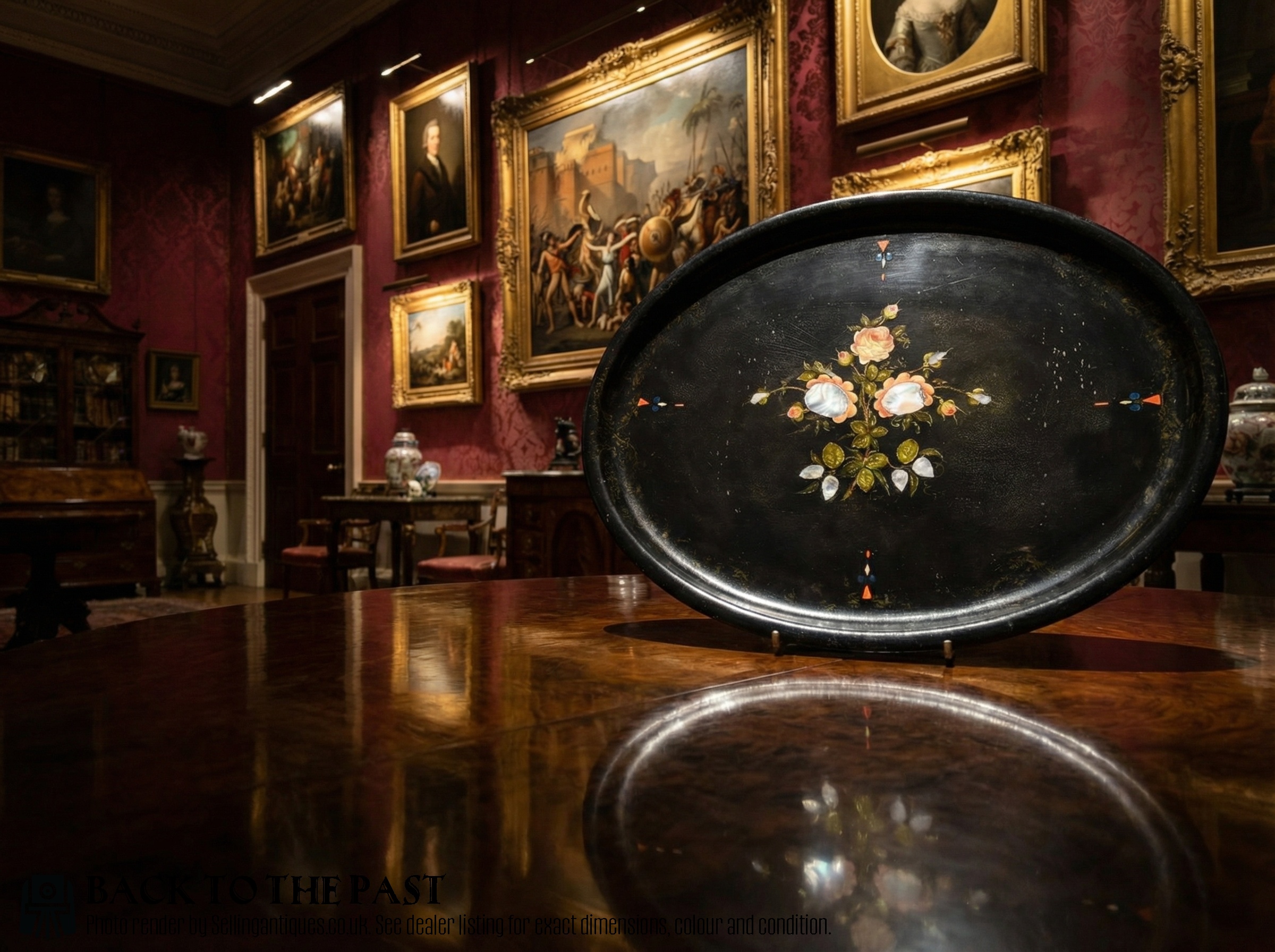
A mother of pearl inlay tray brings iridescent depth to a room, catching the light across periods from the Georgian era to the late nineteenth century.
Mother of Pearl Inlay Tray
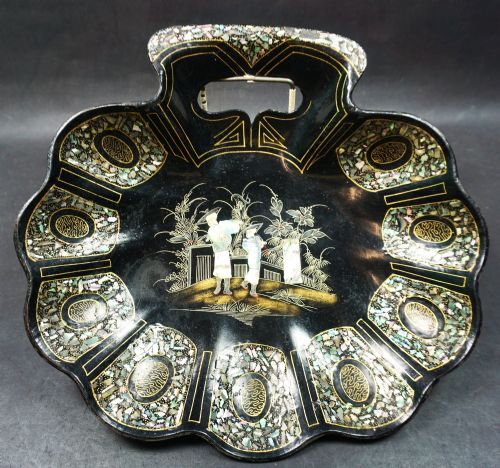
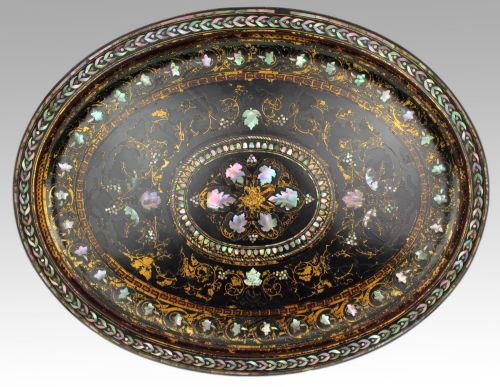
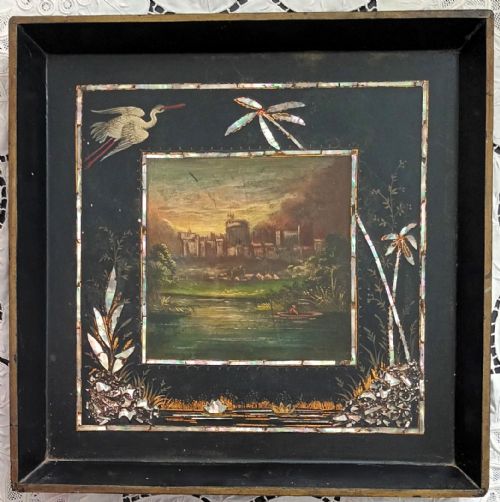
A mother of pearl inlay tray combines functional service with ornamental craft, appearing across serving trays, butler's trays, and card baskets. These pieces bridge several eras, spanning Georgian designs, Regency periods, and Victorian iterations including chinoiserie and gothic revival styles.
Buyers on this page most frequently encounter nineteenth century papier-mâché and lacquered wooden platters. Alongside standard trays, the selection includes related desk accessories such as inkwell stands and desk tidies featuring the same lustrous shell detail.
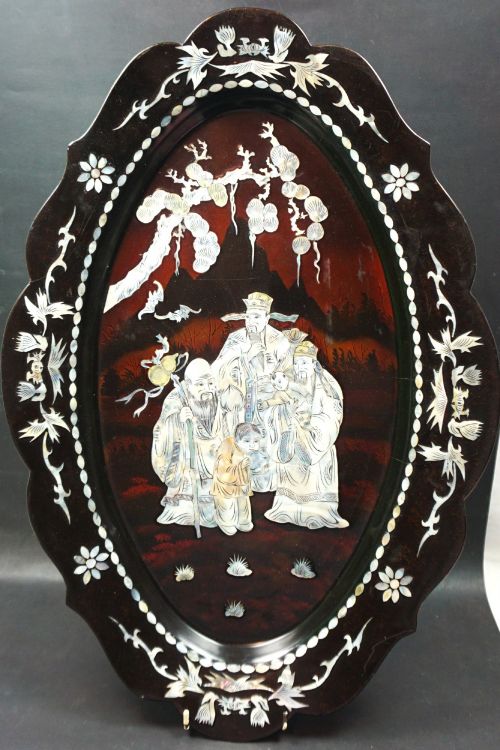
Origins stretch from English workshops to Chinese Qing Dynasty productions. Forms range from small papier-mâché pieces to large oval platters and table tops.
How they were made
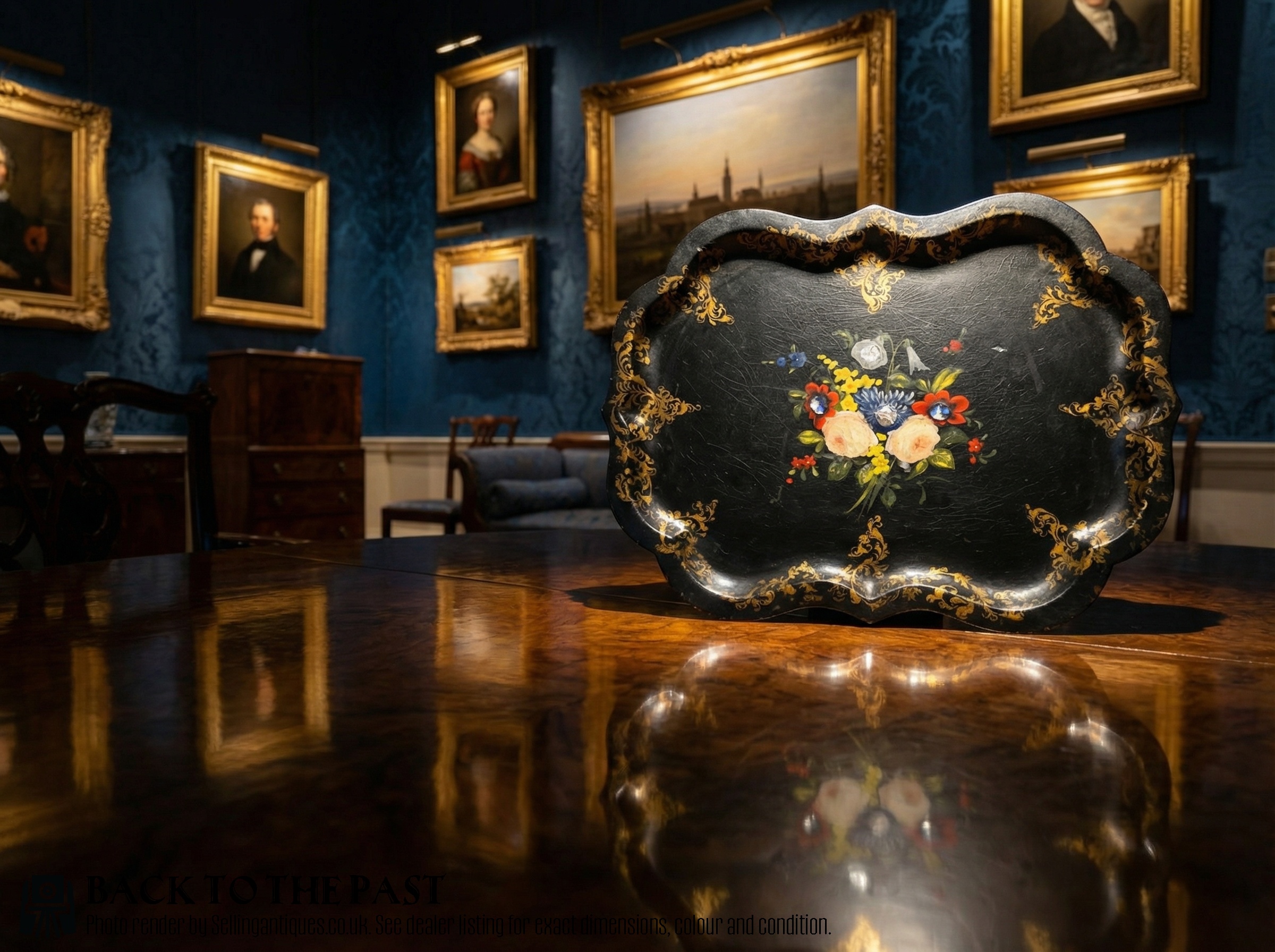
Maker construction relies heavily on papier-mâché and lacquered wood as foundational bases, providing a dark, smooth plane that contrasts sharply against the shimmer of the shell. Artisans press thin slices of mother-of-pearl directly into the surface layers.
Detailing often incorporates gold leaf embellishments and painted chinoiserie motifs alongside the inlaid shell fragments. Materials such as coromandel wood, brass, and glass also support desk stands and inkwell sets from the period.
Mother of Pearl Inlay Tray Retail Price Guide 2026
Typical asking prices for mother of pearl inlay tray among the pieces listed under this phrase on Sellingantiques today, from the lower quarter to the upper quarter. They describe what is for sale here now, not the wider market.
Listings feature items spanning the Georgian era through to the late nineteenth century, utilising papier-mâché, coromandel wood, and lacquered wood.
What varies in quality
Quality rests upon the precision of the shell placement and the integrity of the underlying papier-mâché or lacquered wood. Superior pieces exhibit tightly fitted inlay work that remains flush with the surrounding dark ground, alongside finely executed gold leaf or hand-painted details.
The sophistication of the form dictates distinction, separating standard utility items from impressive large platters, fitted desk sets, and table tops that demand greater cabinetmaker skill.
The Mother of Pearl Inlay Tray Glossary
- Papier-mâché
- A composite material made from paper pulp or layers of paper bound with glue, pressed and dried to form a rigid base for lacquer and inlay. It allows for light yet durable serving trays and desk accessories.
- Coromandel wood
- A dense, dark exotic hardwood prized for its rich grain patterns, frequently utilised for nineteenth-century desk stands and inkwell sets.
- Toleware
- Painted or enamelled metalware, sometimes incorporating mother-of-pearl inlay to create decorative serving pieces.
- Chinoiserie
- European interpretations of Chinese artistic traditions, often featuring painted landscapes and figures alongside inlaid shell details on Victorian papier-mâché.
- Waiters
- Small serving trays or platters, historically used for carrying glasses or letters within larger households.
Mother of Pearl Inlay Tray: Frequently Asked Questions
How do I clean a papier-mâché tray?
Dust gently with a soft, dry cloth to protect the delicate lacquer and surface shell. Avoid water and chemical cleaners entirely to preserve the original finish.
Moisture penetrates the papier-mâché base and damages the historical surface over time.
Are these trays suitable for serving food?
Most antique pieces function primarily as decorative objects or static display surfaces rather than active tableware. The historic lacquer and inlay finishes do not tolerate daily culinary use.
Gentle service of dry items is occasionally appropriate for sturdier examples.
What is the difference between Victorian and Georgian trays?
Georgian examples lean toward restrained utility forms like butler's trays, while Victorian pieces often embrace elaborate ornamentation. Victorian variations frequently include gothic or chinoiserie styles alongside rich gold leaf.
Papier-mâché foundations become particularly prevalent during the nineteenth century.
How do I identify Chinese Qing Dynasty pieces?
Chinese Qing Dynasty examples typically employ lacquered wood foundations paired with distinct regional motifs and deep shell work. These contrast against English Victorian interpretations of similar forms.
Examining the underlying timber and the specific cutting style of the mother-of-pearl clarifies origin.