


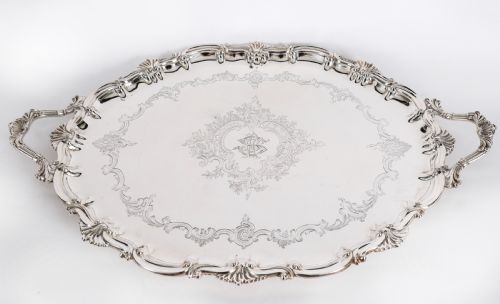
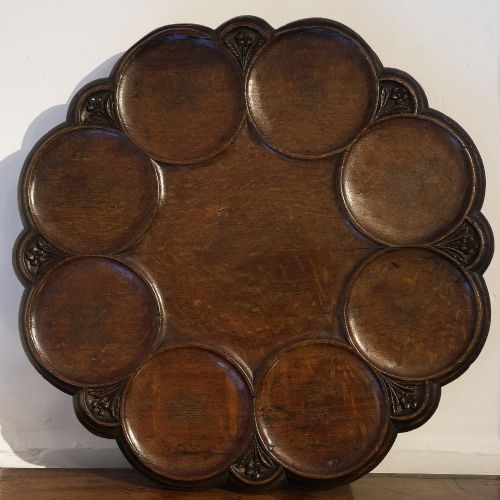
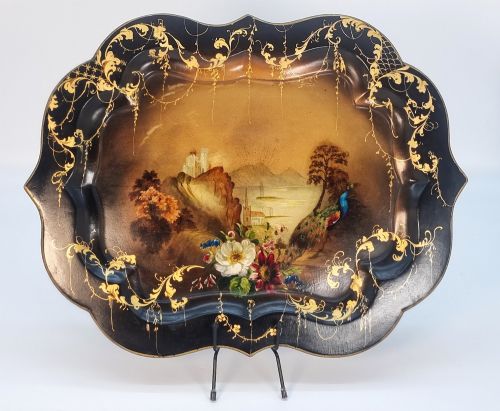
19th Century Serving Tray
A 19th century serving tray brings functional elegance to any interior, offering a tangible link to period entertaining and craftsmanship.
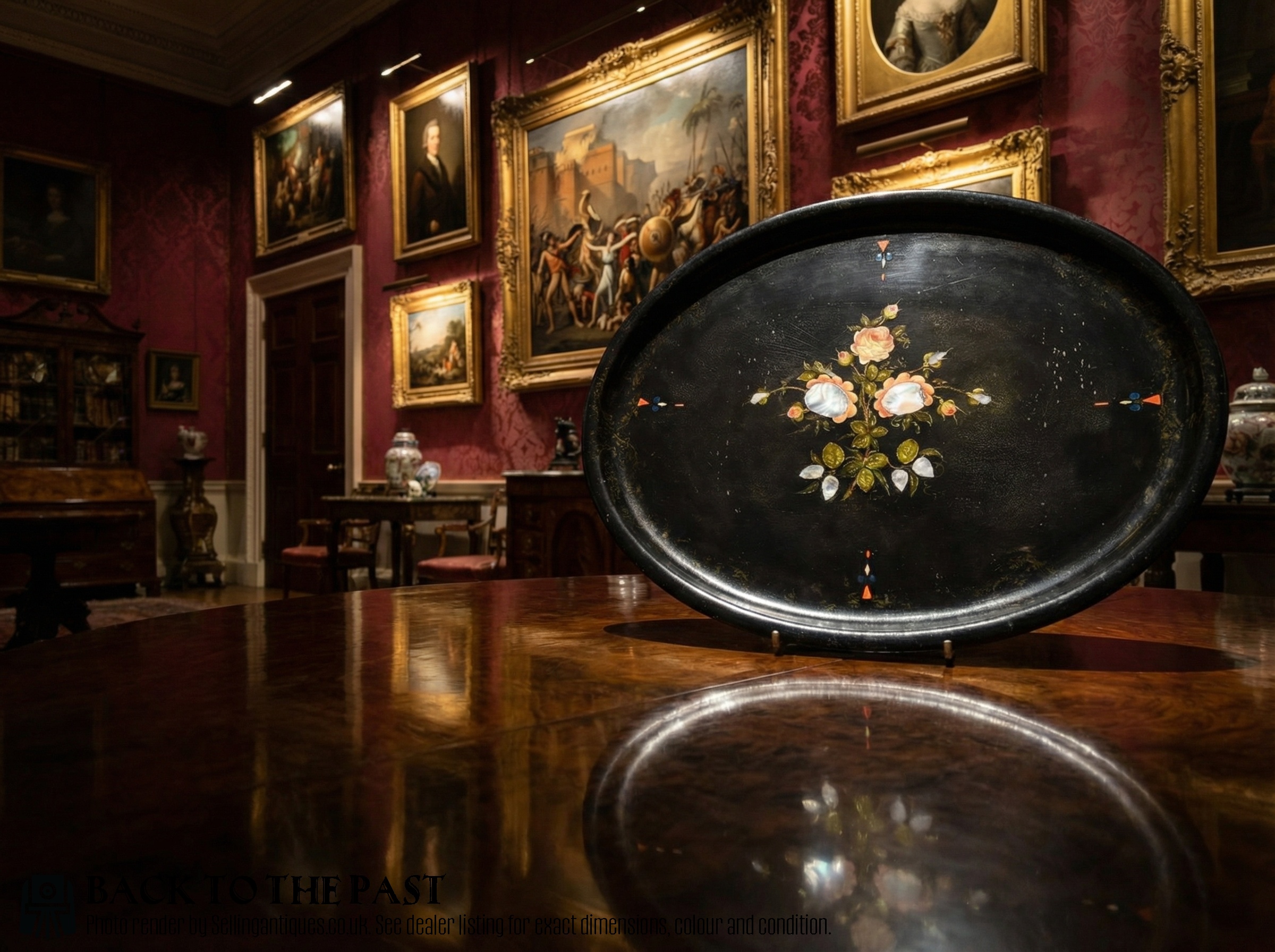
19th Century Serving Tray
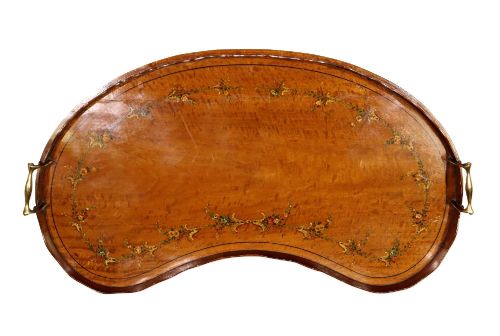
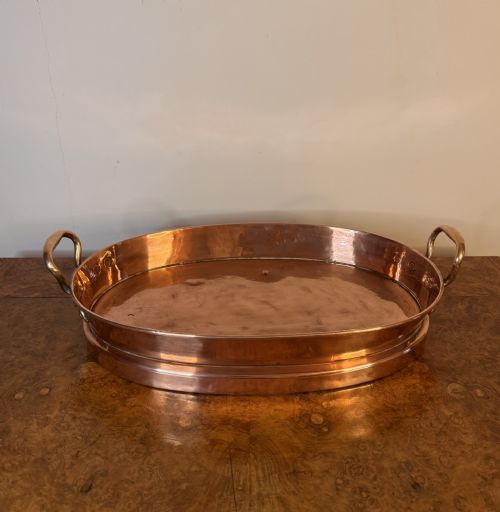
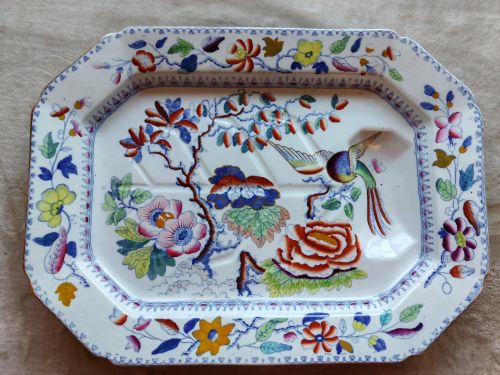
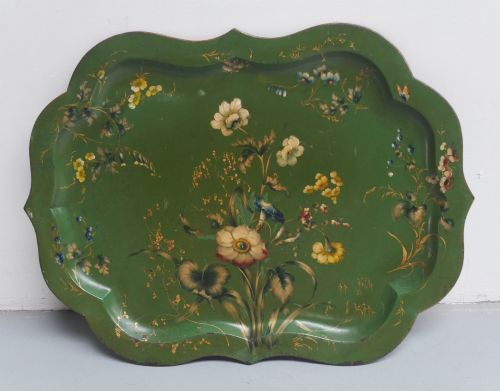
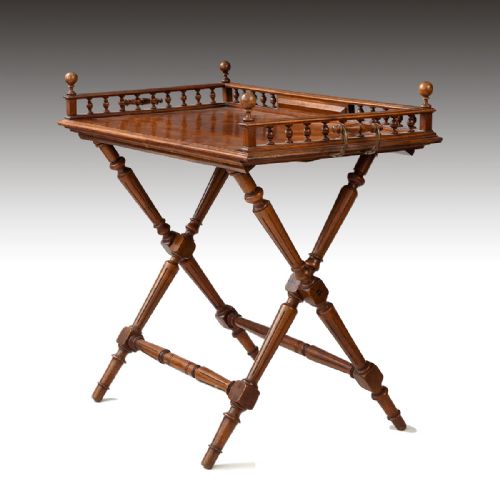
A 19th century serving tray encompasses diverse forms designed for carrying or displaying items, frequently appearing as mahogany butlers trays on stands, oval papier-mâché pieces, or silver-plated platters. These objects emerge from Georgian, Regency, and Victorian periods, reflecting shifting domestic habits from formal dining to tea service.
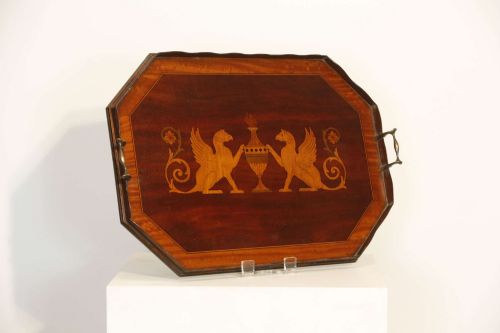
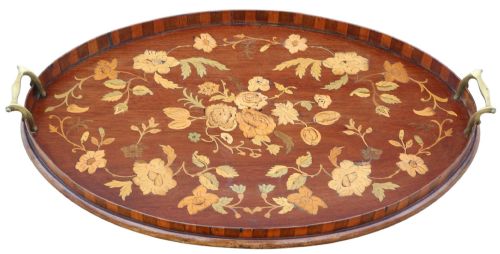
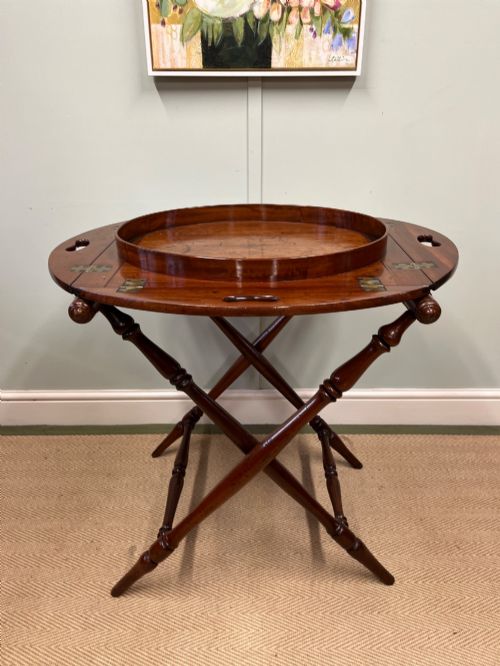
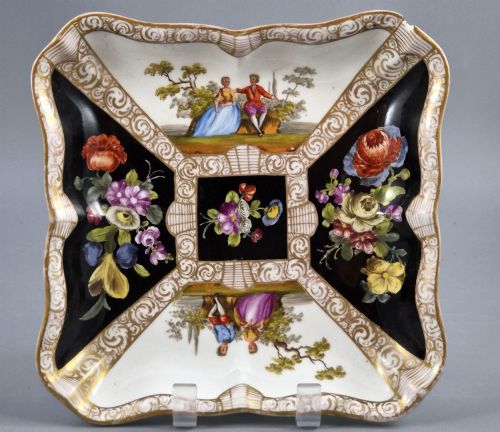
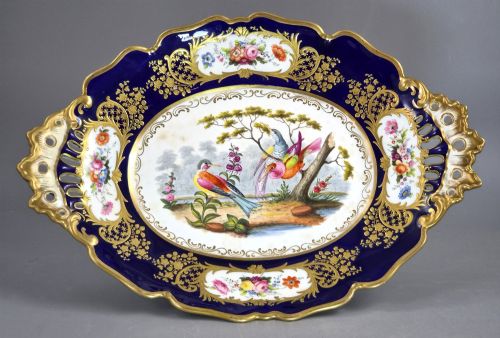
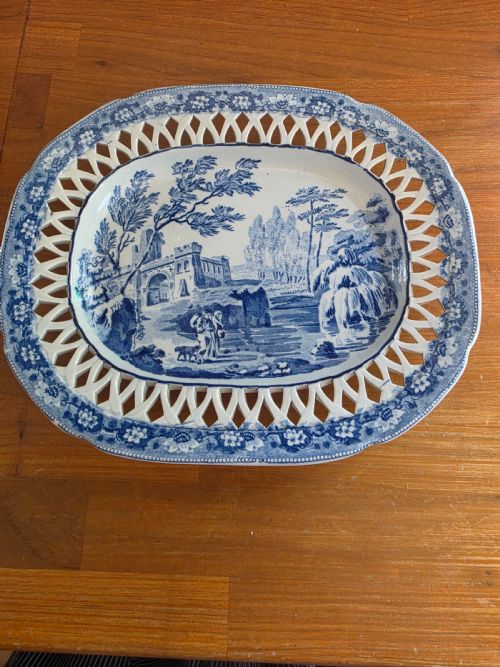
Mahogany variants with inlaid details or galleried edges dominate the British examples on this page, often paired with folding wooden stands to create occasional tables. Alongside these, buyers encounter decorative lacquer, toleware, and ceramic dishes originating from English potteries and international workshops alike.
Materials and Technique
Construction relies on traditional woodworking and metalworking methods, utilising timber such as mahogany, oak, and walnut, alongside silver plating, copper, and brass. Cabinetmakers shaped sturdy trays with dovetailed joints or raised galleries, while metalworkers hammered, cast, and plated copper and brass bases.
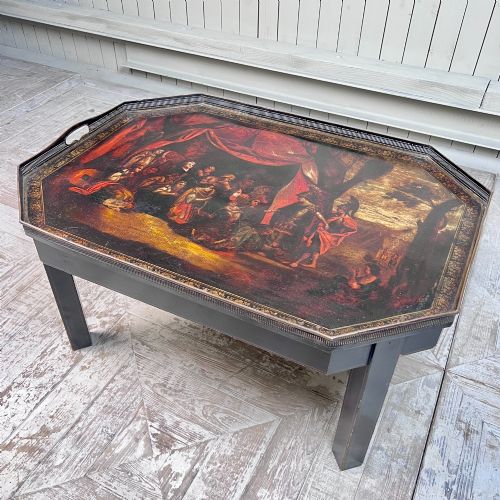
Surface ornamentation involved hand-painted lacquer, gold leaf, transfer printing on earthenware and porcelain, and detailed papier-mâché finishes. Artisans applied multiple layers of black japan or lacquer to paper pulp mixtures, creating smooth bases for intricate hand-painted scenes or Chinoiserie motifs.
19th Century Serving Tray Retail Price Guide 2026
Typical asking prices for 19th century serving tray among the pieces listed under this phrase on Sellingantiques today, from the lower quarter to the upper quarter. They describe what is for sale here now, not the wider market.
Darius and Alexander share table space with a piping shepherd.
Distinctions in Quality
Quality rests upon the precision of the joinery, the crispness of inlaid wood, and the preservation of original hand-painted or transfer-printed decoration. Pieces with intact surfaces, original silver plating, and retaining their structural stands command greater attention from collectors.
Material choice and depth of ornamentation dictate the standing of individual pieces, distinguishing standard utility items from finely finished parlour furnishings. Subtle details, such as finely carved handles or crisp brass mounts, separate ordinary production from superior workshop output.
Thomas Bradbury And Sons·Elkington·John Harrison·Mappin And Webb
The 19th Century Serving Tray Glossary
- Butlers tray
- A portable wooden tray, often featuring hinged sides, designed to rest on a folding stand for serving or clearing.
- Papier-mâché
- A durable composite material made from paper pulp mixed with glue and oil, pressed into moulds and lacquered.
- Toleware
- Enamelled and painted metalware, usually tin or iron, decorated with pictorial scenes or floral motifs.
- Lazy Susan
- A rotating circular tray placed on a table to assist in moving food dishes between diners.
- Galleried
- Having a raised border or low railing around the edge to prevent items from sliding off during transport.
19th Century Serving Tray: Frequently Asked Questions
How do you date papier-mâché trays?
Dating papier-mâché pieces involves examining the weight, construction layers, and style of the hand-painted decoration or japanning.
Earlier Regency examples often feature distinct floral or Chinoiserie motifs, whereas mid-Victorian pieces display rich gilding and transfer-printed or hand-painted historic scenes.
Were these trays used for dining?
These trays served multiple domestic functions, from transporting tea services and heavy meat platters to holding glassware and decanters in reception rooms.
Larger versions with stands also acted as occasional tables for serving refreshments during social gatherings.
How do I care for an antique tray?
Care requires gentle dusting with a dry microfibre cloth and avoiding harsh chemical cleaners or excessive moisture on wooden and papier-mâché surfaces.
Silver-plated and brass examples benefit from occasional specialist polishing to maintain the metal without wearing away the finish.