
Antique Tray with Handles
When you seek an antique tray with handles, you look for a sturdy surface designed to move drinks, tea, or silver from room to room.
Antique Tray with Handles
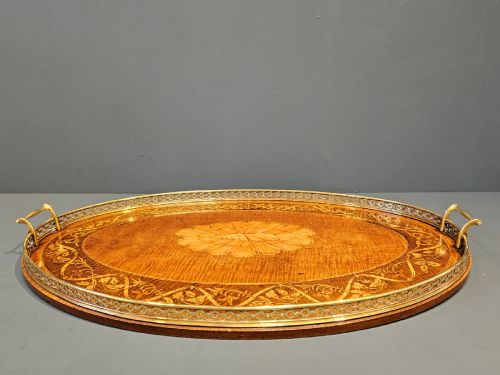
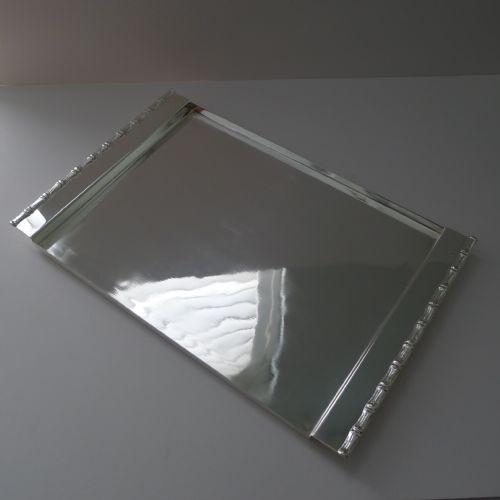
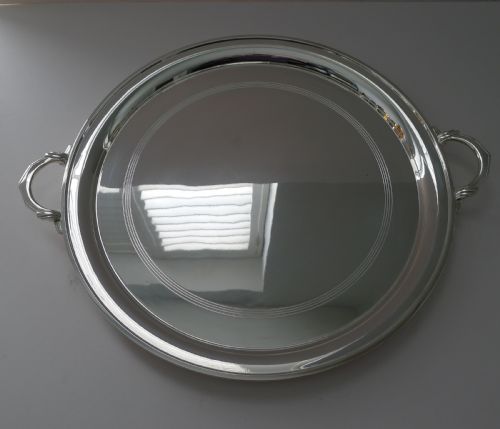
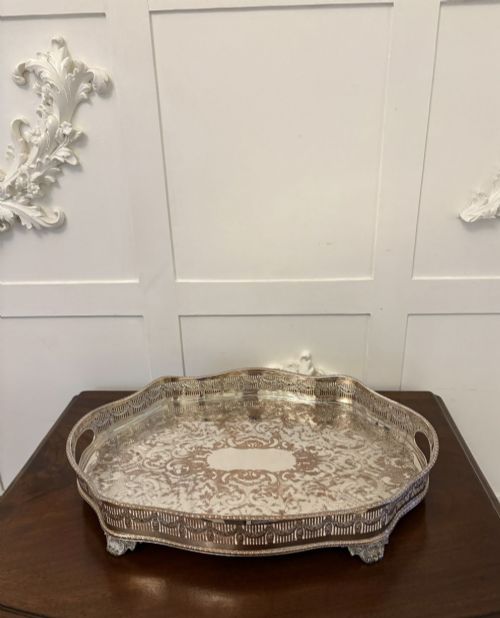
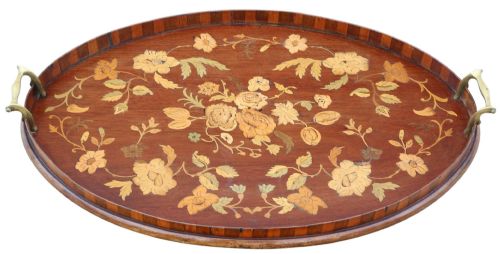
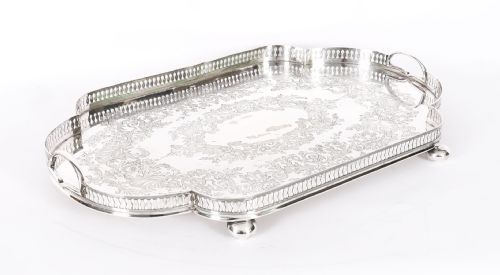
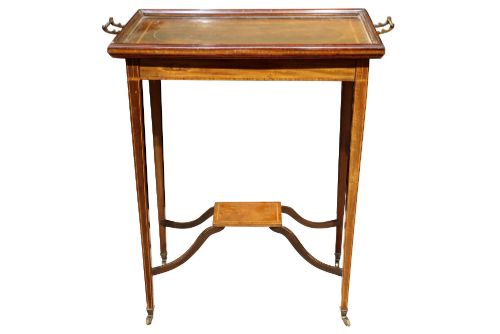
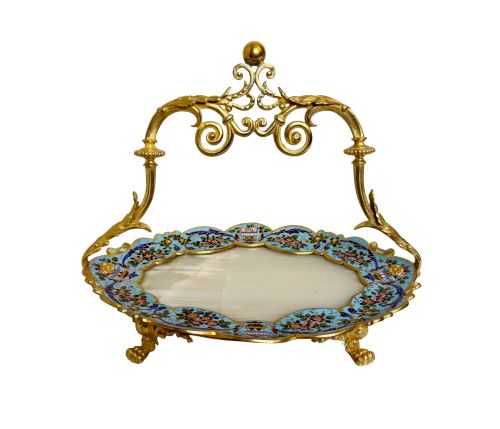
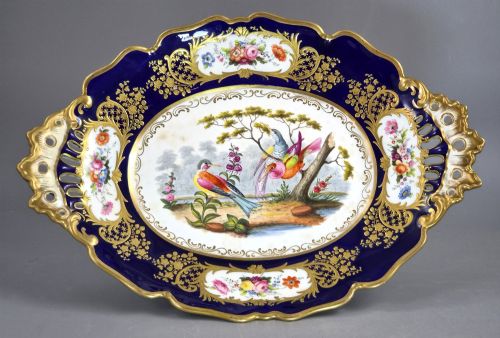
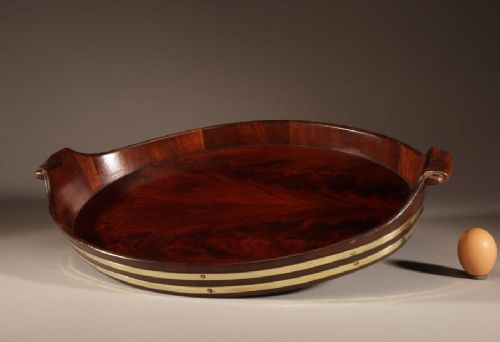
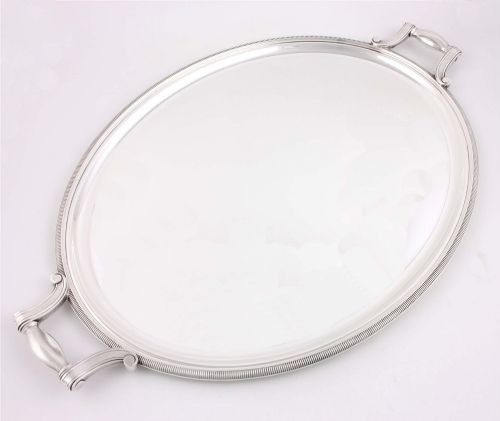
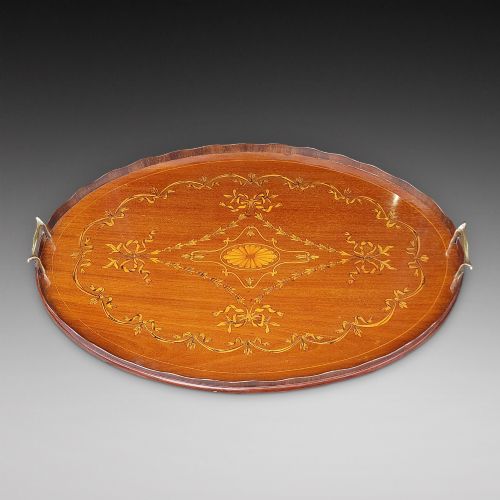
An antique tray with handles appears primarily in silver plate, sterling silver, and timber formats across the Victorian, Edwardian, and Art Deco periods. You encounter serving trays, cocktail trays, and gallery trays bearing engraved surfaces, pierced borders, or marquetry inlay. The selection includes domestic pieces intended for tea service, hospitality, and display within period interiors.
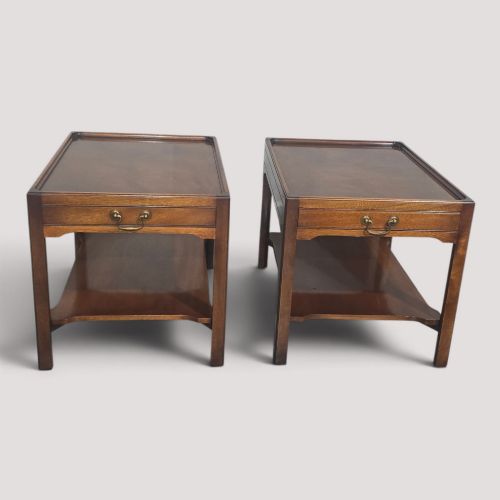
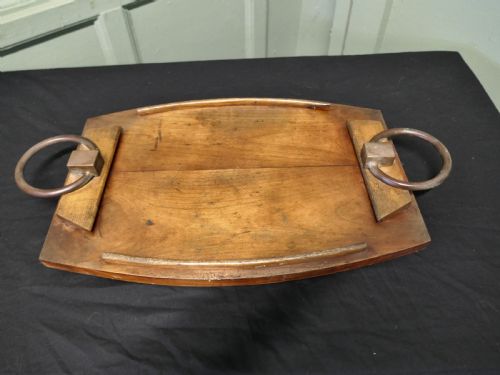
Wooden examples utilise mahogany, satinwood, and golden elm, often featuring brass handles or raised galleries alongside inlaid details. Silver-plated and sterling silver versions display handles integrated directly into the border or cast separately in floral and grapevine motifs. Pieces range from large oval decanter trays down to smaller chamber candlesticks fitted with carrying grips.
Materials and Construction
Silversmiths and manufacturers utilised sterling silver, electroplated nickel silver, and Sheffield plate over copper bases, often applying chased or engraved decoration to the central field. Gallery edges were pierced, pierced and cast, or constructed with separate upright balustrades soldered to the baseplate. Handles were securely fastened to the body to bear the weight of loaded decanters and tea services.
Cabinetmakers constructed wooden trays using solid mahogany, satinwood, and oak, incorporating marquetry inlay, stringing, and brass galleries. Surfaces received polished finishes that protected the timber from moisture during use. Mixed media versions combined ebonised wood, mirror glass, copper, and brass to achieve the aesthetic demands of Art Deco and Arts and Crafts design.
Some Victorian chamber candlesticks arrived bolted permanently inside their own matching handled trays to prevent wax from dripping onto the carpet.
Standards of Execution
Quality rests in the crispness of the chasing, the weight of the metal, and the precision of the timber inlay. Superior pieces exhibit deeply hand-engraved foliage, sturdy gauge silver or heavy timber foundations, and securely fitted galleries that show no movement under pressure.
Maker attribution elevates certain examples, particularly those bearing the marks of established silversmiths or metalwork guilds. The integration of handles, the quality of original glass liners where present, and the retention of crisp detail across cast borders distinguish finer workshop output from standard commercial production.
Keith Murray For Mappin & Webb·John Hunt·Christofle Malmaison·Elkington & Co·WMF·Newlyn Arts & Crafts
The Antique Tray with Handles Glossary
- Gallery tray
- A tray featuring a raised pierced or solid metal border around the perimeter designed to prevent items from sliding off. These walls can be pierced with geometric patterns or cast with classical motifs.
- Sheffield plate
- An early form of composite metal made by fusing a thin sheet of sterling silver to a thicker copper base before rolling. This technique predates modern electroplating.
- Marquetry
- The art of applying pieces of veneer to a structure to form decorative patterns and pictures. Makers utilised contrasting timbers such as satinwood and mahogany.
- Electroplated nickel silver
- A base alloy of copper, nickel, and zinc coated with a layer of silver via an electrolytic process. This method became widespread in the nineteenth century for producing tableware.
Antique Tray with Handles: Frequently Asked Questions
How do I clean antique silver plated trays?
Use a soft cloth and a gentle, non-abrasive silver polish formulated specifically for plated items. Avoid harsh rubbing that might wear through the thin silver layer to the base metal beneath.
Wash the tray in warm soapy water immediately after polishing to remove residue, then dry it thoroughly with a lint-free cloth to prevent water spots.
Were these trays used for food or drinks?
They served multiple domestic functions depending on their size, material, and depth. Large silver-plated and mahogany examples transported tea sets, decanters, and cocktail glasses across the home.
Smaller variants accommodated calling cards, chamber candlesticks, hors d'oeuvres, or bedside water jugs rather than heavy serving loads.
Can I use a wooden tray for daily serving?
Mahogany and satinwood trays with handles withstand light service, though moisture from glasses can mark polished wooden surfaces if left unattended. Placing coasters or linen mats on the tray protects the antique finish.
Frequent use requires careful handling of the brass galleries and avoidance of standing liquids that might damage the veneer or joinery.