


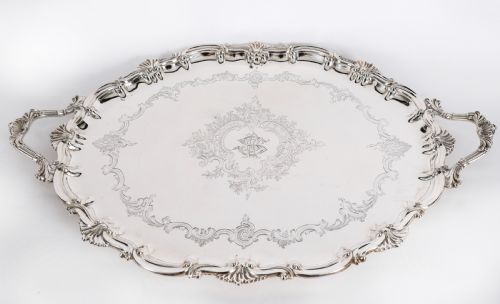
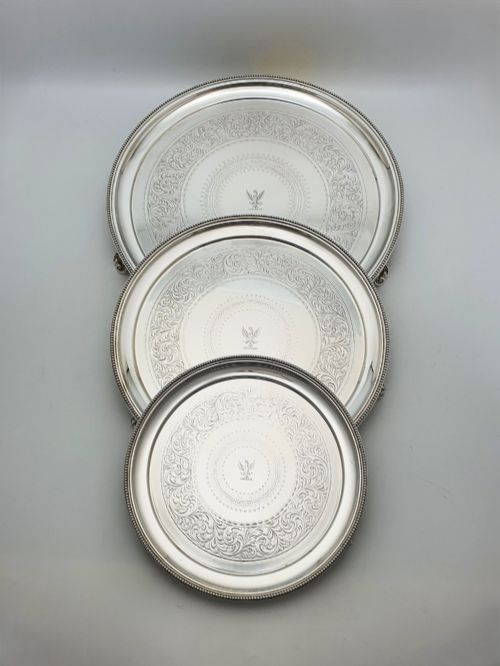
Victorian Serving Tray
A victorian serving tray brings functional elegance to any room, offering sturdy charm for afternoon tea or drinks display.
Victorian serving tray forms and origins
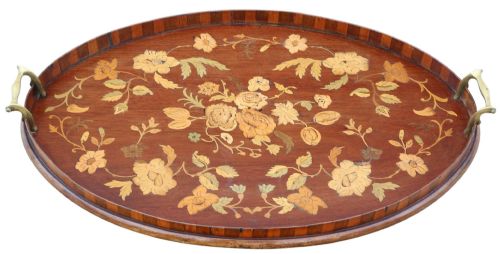
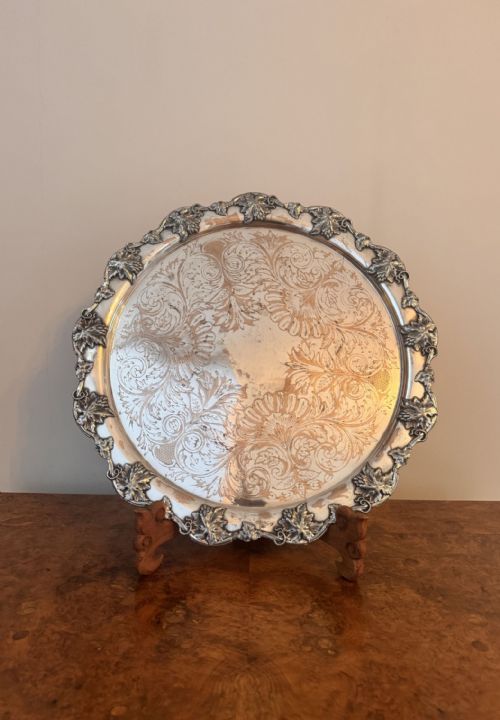
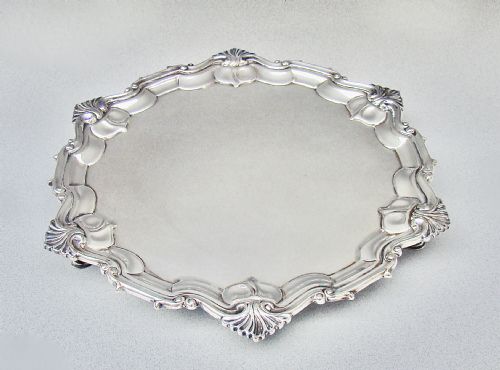
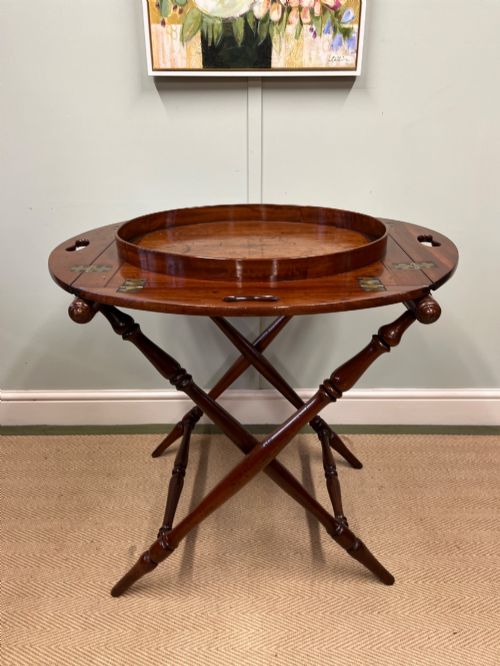
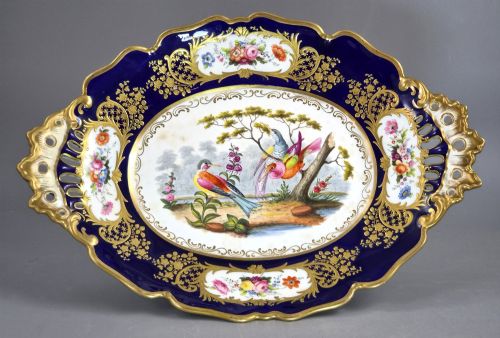
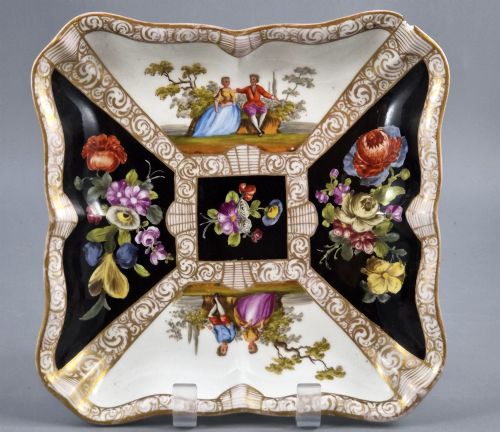
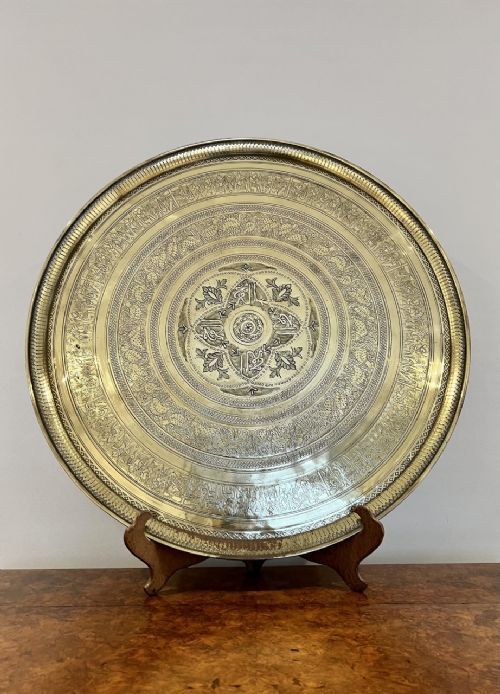
A victorian serving tray spans diverse domestic contexts, from formal silver plated butler trays to mahogany tea trays and decorative papier-mache pieces. Buyers encounter various shapes including circular, oval, and long butler formats suited for carrying or display.
Originating across the nineteenth century, these pieces reflect changing dining habits and entertaining customs. Mahogany and inlaid woods appear frequently alongside silver plate and papier-mache versions.
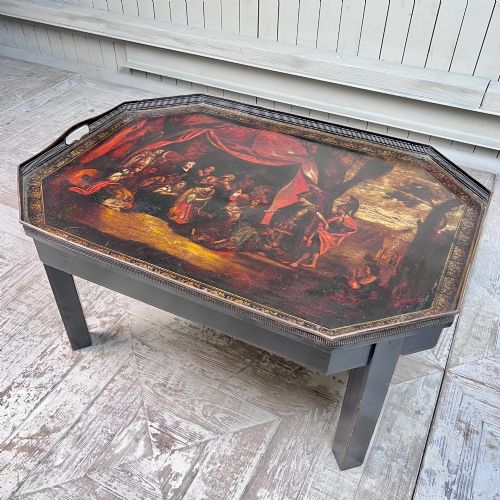
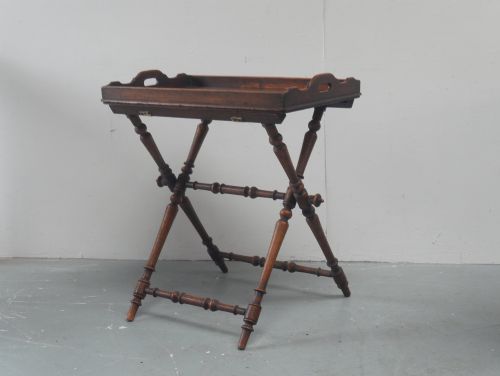
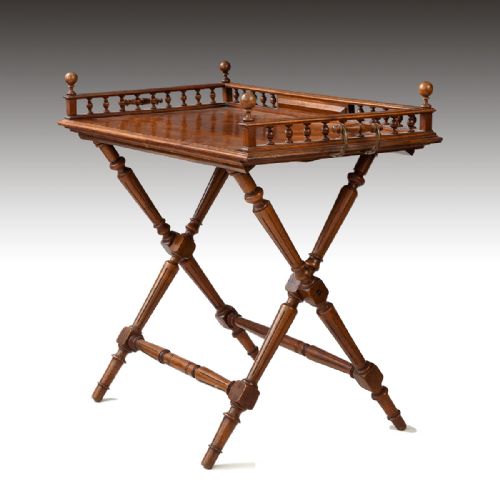
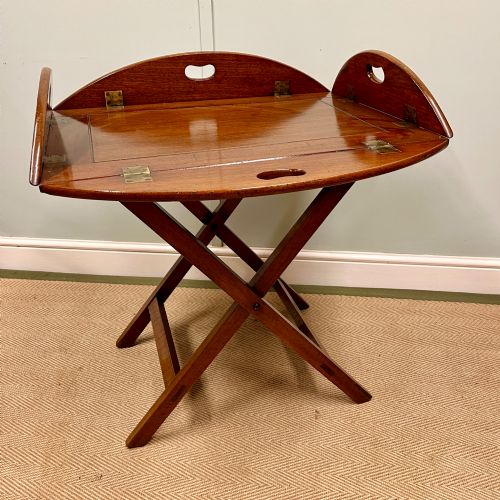
Many examples incorporate folding stands, creating flexible furniture items known as butler's stands. Others feature galleries, pierced rims, or hand-painted hunting scenes.
Materials and construction methods
Craftsmen utilised metals such as silver plate, EPNS, solid silver, copper, bronze, brass, and silvered brass. Wooden examples feature mahogany, walnut, oak, cedar, pine, and satinwood, often enhanced with marquetry inlay or pokerwork.
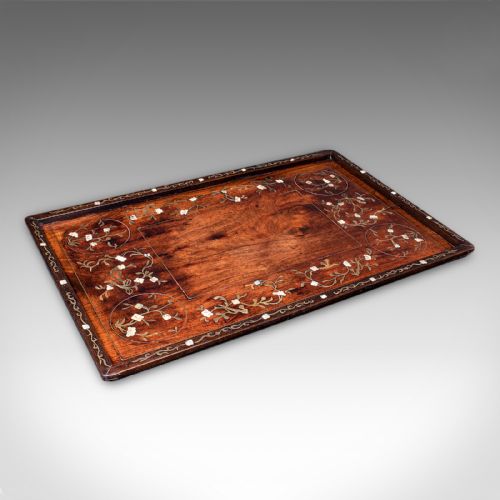
Papier-mache and lacquer provide smooth surfaces for painted scenes and mother-of-pearl embellishment. Pierced or reticulated metalwork demonstrates detailed cutting techniques used during the period.
Retail Price Guide 2026
Typical UK retail prices for victorian serving tray, calculated from the Sellingantiques database of over a million retail prices indexed since 2003. This retail price guide relies exclusively on Sellingantiques data; no external sources or auction records are used, so the figures do not describe the wider market.
Gentlemen's club trays once held evening refreshments, while painted papier-mache versions offered miniature hunting scenes for tea time contemplation.
Distinctions in craftsmanship and finish
Quality rests upon the crispness of metal engraving, the depth of silver plating, and the precision of wood inlay. Superior mahogany and satinwood trays display carefully selected grain patterns and robust structural joinery.
Artistic execution dictates value in painted or mother-of-pearl decorated papier-mache trays. Maker attribution to known workshops like Elkington & Co, Roberts & Belk, or J.H. Potter elevates the standing of silver plated items.
Elkington & Co·Roberts & Belk·J.H. Potter
The Victorian Serving Tray Glossary
- Silver plate
- A thin layer of silver fused to a base metal, commonly utilised for nineteenth-century tableware.
- Papier-mache
- A composite material made from paper pulp or layers of paper bound with glue, pressed and dried to form rigid trays.
- Gallery
- A raised border surrounding the edge of a tray, designed to prevent items from sliding off during transport.
- Reticulated
- Describes metalwork decorated with openwork or pierced patterns, creating delicate lattice designs.
- Inlay
- Pieces of contrasting timber or shell fitted into depressions within a wooden surface to create decorative motifs.
Frequently Asked Questions
What is a butler tray stand?
A butler tray stand combines a removable wooden or metal serving tray with a folding support frame. This setup allows servants to transport food and drink before mounting the tray on the stand for serving.
Today, these pieces function as side tables or drinks rests in living spaces and dining rooms. The folding mechanism makes them practical for flexible interior layouts.
How do I care for silver plated trays?
Silver plated surfaces require gentle cleaning with specialist cloths to maintain the metallic lustre without wearing through the plating. Avoid abrasive cleaners or harsh chemicals that damage the underlying metal.
Store pieces in stable environments away from direct sunlight and damp conditions to prevent tarnishing and wood warping.
What is papier-mache made from?
Papier-mache construction involves pulping or layering paper with adhesive binders, then pressing the mixture into moulds and baking it hard. Manufacturers then applied lacquer, paint, and mother-of-pearl inlay to the cured surface.
These trays require careful handling to avoid moisture damage to the painted and lacquered finishes.
How are these trays dated?
Dating relies on material combinations, manufacturing techniques, maker marks, and stylistic clues such as Art Nouveau motifs or classical inlays. Silver plate often carries stamps or hallmarks corresponding to specific nineteenth-century registration years.
Wood types and construction methods, such as dovetailing or hand-cut piercing, provide further chronological indicators for unmarked pieces.