
Antique Metal Platter
An antique metal platter brings centuries of tactile craftsmanship and varied metallic finishes directly into your home.
Antique Metal Platter
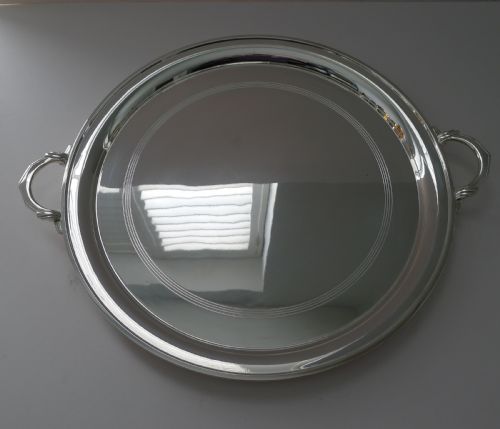
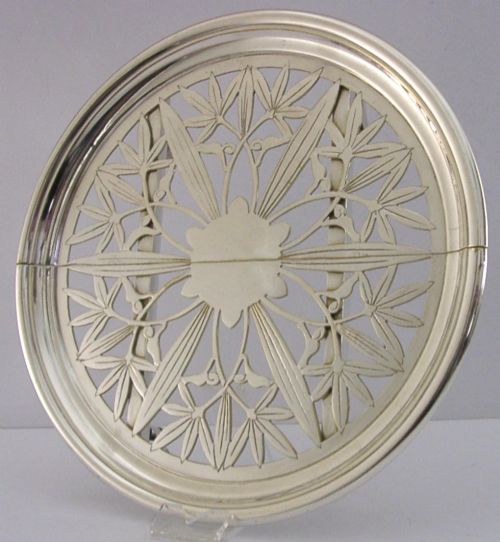
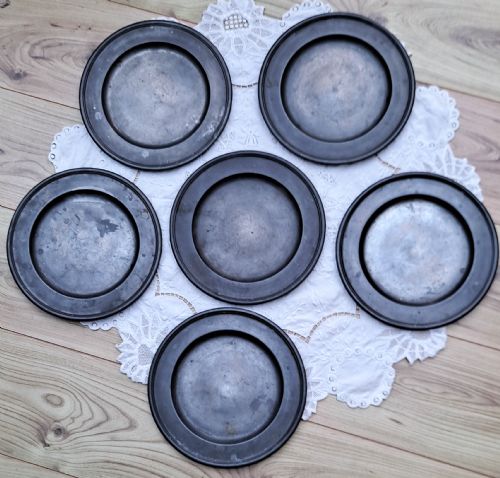
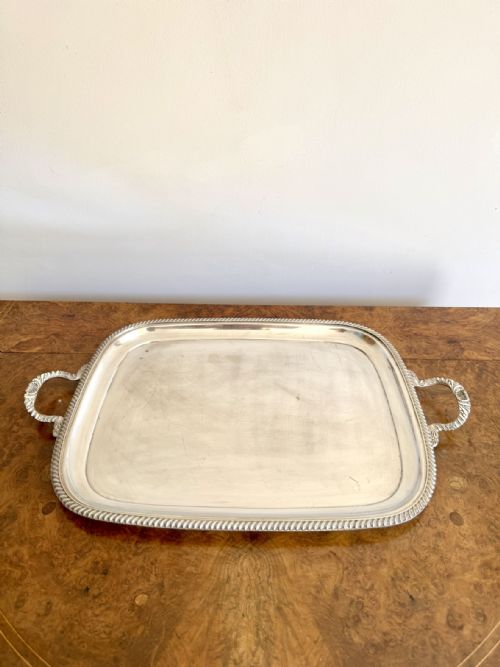
When you search for an antique metal platter, you encounter a broad spectrum of domestic and decorative items spanning multiple centuries. These pieces appear as heavy chargers, serving trays, plates, and dishes fashioned from diverse metals.
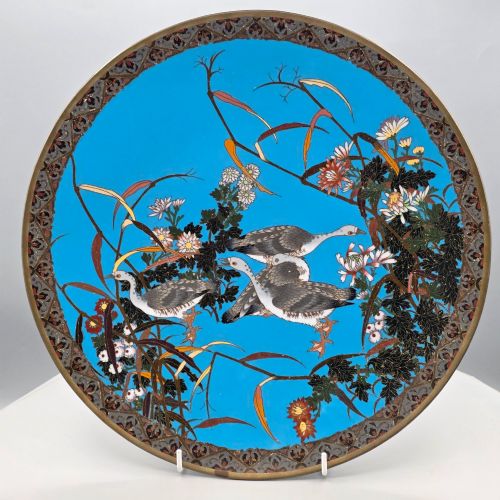
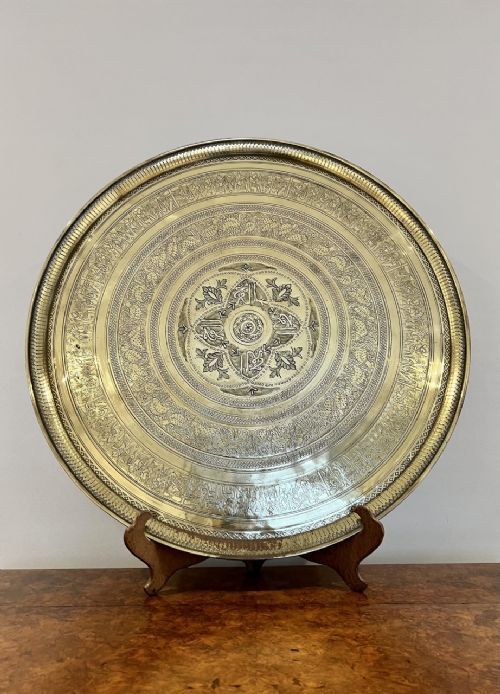
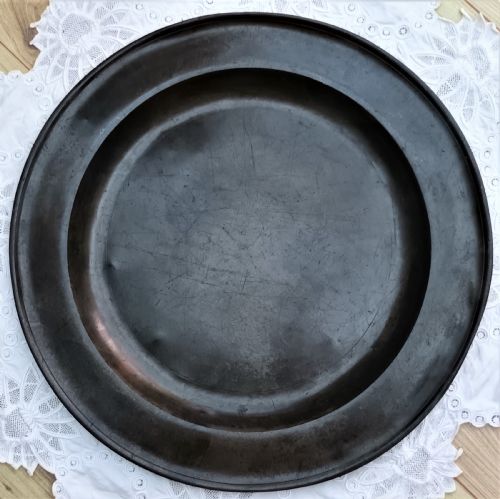
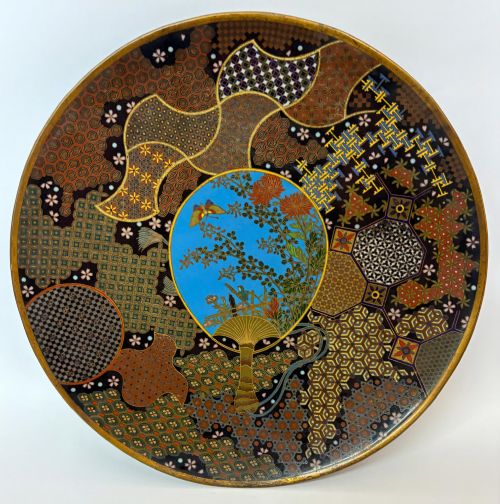
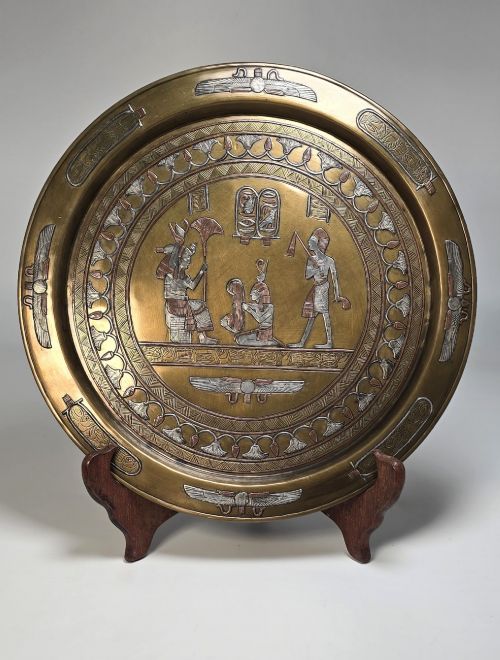
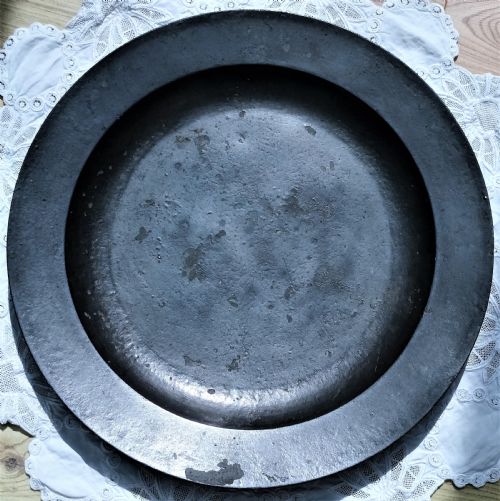
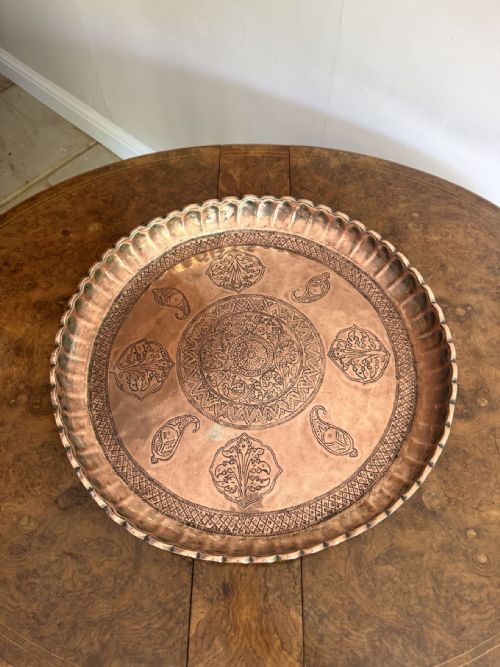
The selections range from early English pewter plates bearing plain or reeded rims to intricate Japanese cloisonne enamel chargers decorated with birds, flowers, and dragons. Other common examples include Middle Eastern Cairo Ware wall chargers and Arts and Crafts copper trays.
Originating across European, Asian, and Middle Eastern workshops, these items serve both utilitarian dining functions and ornamental display roles. They reflect distinct periods including the Georgian era, the Meiji period, and the Art Deco movement.
Measures of quality and execution
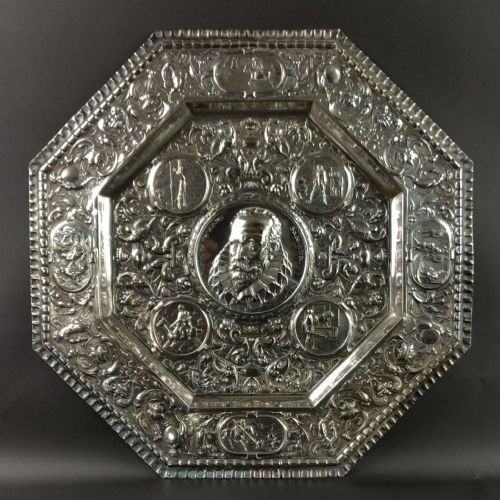
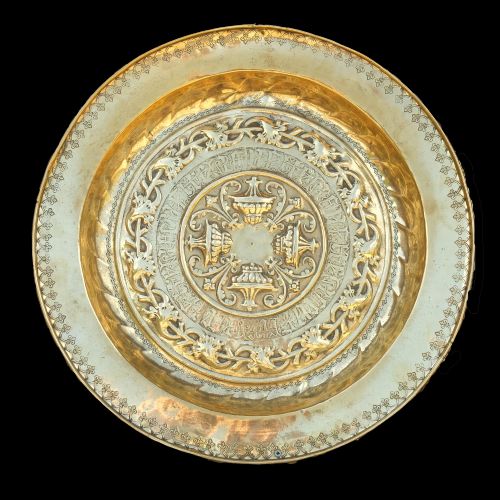
The distinction between standard items and superior examples lies in the depth and precision of the surface decoration. Finely executed repousse work displays sharp definition and careful hand-chasing, whereas lesser pieces show softer, shallower detailing.
In cloisonne enamel trays, the complexity of the design, the tightness of the wirework, and the clarity of the enamel pigments dictate the overall standard. For pewter dishes, the crispness of the touchmarks and the structural integrity of the heavy rim determine the piece's standing.
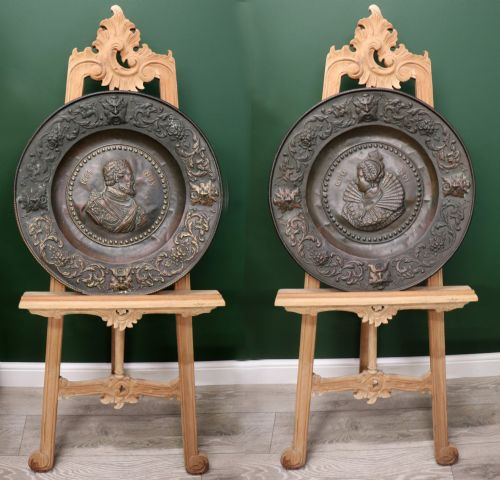
Several copper wall chargers proudly bear the stern portraits of historic European monarchs like Henry IV and Queen Marie de' Médicis.
Keith Murray For Mappin & Webb·John Duncomb·William Wright·Samuel Smith·T & H Compton·Richard King·John Tubb·Robert Moulins II·Humphrey Evans II·Hugh Wallis
The Antique Metal Platter Glossary
- Charger
- A large ornamental or serving plate used primarily for display or as a base for other dishes during formal dining. These substantial pieces often feature decorative engraved or repousse borders.
- Repousse
- A metalworking technique where the artisan hammers a design from the reverse side to form a raised relief on the front surface. This method requires considerable skill to maintain even metal thickness.
- Cloisonne
- An ancient technique for decorating metal object surfaces using wire compartments soldered to the base metal and filled with enamel. Artisans then fire and polish the surface to a smooth finish.
- Touchmark
- A small stamp or hallmark impressed into pewter by a maker to signify their identity and adherence to guild standards. These marks help historians date and attribute early English pewter.
- Cairo Ware
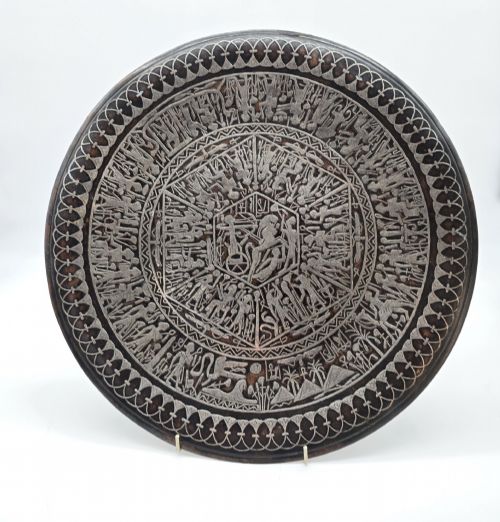
- Metalware originating from Egypt during the late nineteenth and early twentieth centuries, characterised by intricate silver and copper inlay upon brass or copper grounds. These pieces often display dense Islamic geometric or calligraphic patterns.
Antique Metal Platter: Frequently Asked Questions
How do I display an antique metal charger safely?
Wall-mounted display wires or specialised plate hangers secure large chargers safely without damaging their rims. Ensure the mounting hardware supports the substantial weight of bronze, copper, or pewter pieces.
Alternatively, sturdy plate stands allow these items to sit securely on sideboards, mantels, or tables. Keep them away from direct heat sources and excessive moisture to preserve the patination.
Can I use antique pewter plates for daily dining?
Historical pewter plates function adequately for serving dry foods, but modern acidic foods can react with older metal alloys. Many collectors prefer to keep antique tableware for decorative display rather than active culinary use.
Hand washing with mild soap and immediate drying prevents water spotting. Avoid abrasive scourers that strip away centuries of accumulated patina.
How do I date an antique pewter dish?
Makers' touchmarks stamped into the pewter surface provide the most reliable clue for dating English pieces. Reference books match these marks to known guild members and their working dates.
Rim styles also change over time, shifting from early multiple reeded edges to plain rims and broad flat borders in later centuries. Weight and metal composition further indicate the period of manufacture.