





Scalloped Papier Mache Tray
A scalloped papier mache tray brings lightness and deep lacquer gloss to a room, offering both a usable surface and a decorative panel.
Scalloped Papier Mache Tray
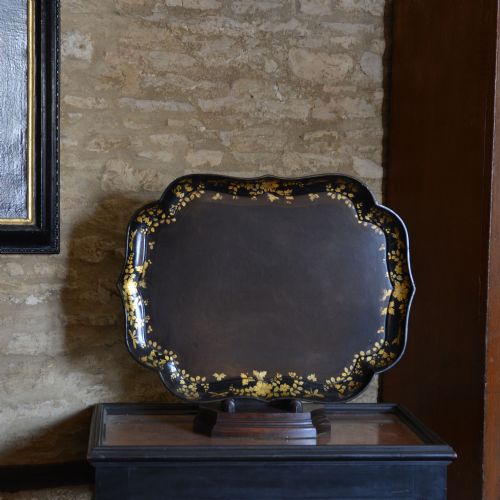
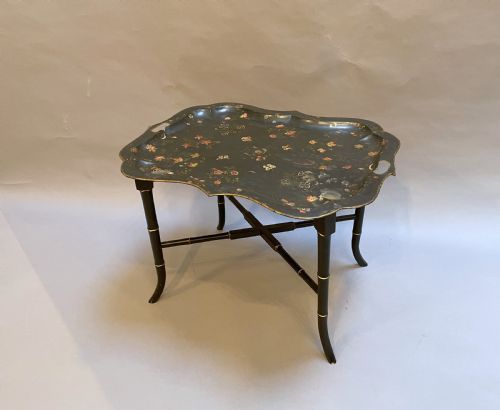
A scalloped papier mache tray sits at the intersection of utility and display, taking forms from the Regency and Victorian eras. These items arrive in variations such as simple serving surfaces or pieces mounted on later wooden and iron stands to function as side tables.
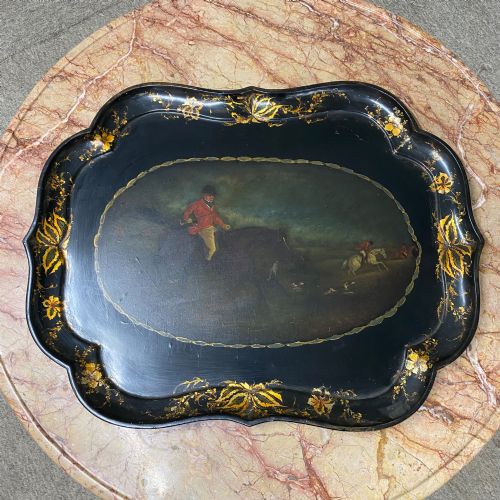
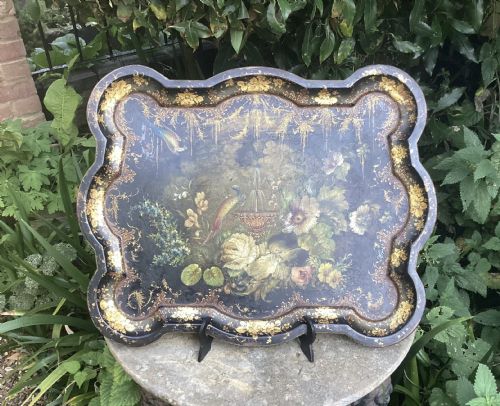
The evidence shows origins spanning the nineteenth century, including specific Regency examples and Victorian Chinoiserie interpretations. Buyers encounter French lacquered versions alongside English pieces depicting hunting scenes or ornate gilt embellishments.
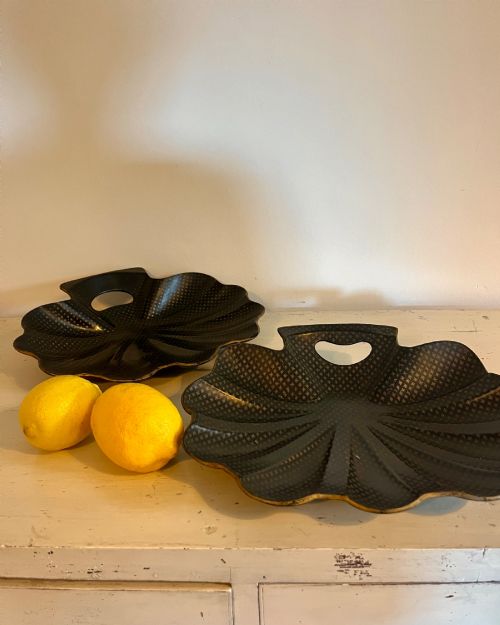
Forms extend beyond standalone serving boards into occasional tables and tray tables, showing how these objects adapted to nineteenth-century domestic interiors. The scalloped edge defines the silhouette across both toleware and papier-mache constructions.
How they were made
Makers built these pieces using layered paper pulp and binding agents, compressed and dried to form a remarkably tough board before shaping. Artisans then applied multiple coats of lacquer to achieve a smooth, resilient foundation capable of taking fine detail.
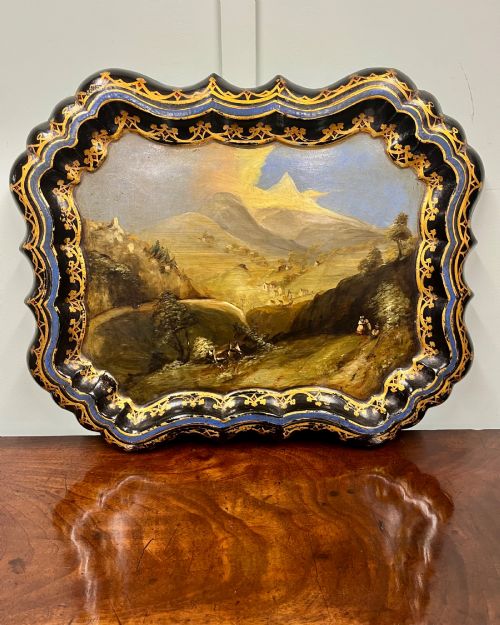
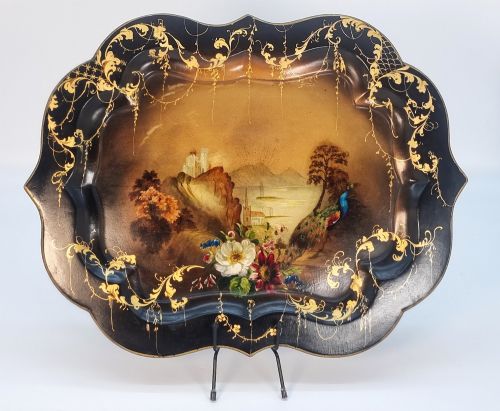
Decoration relied on paint, gold leaf, and gilding applied across the lacquered surface, sometimes depicting elaborate Chinoiserie motifs or landscape scenes. Wood and iron served as later structural additions when these trays were converted into stands.
Scalloped Papier Mache Tray Retail Price Guide 2026
Typical asking prices for scalloped papier mache tray among the pieces listed under this phrase on Sellingantiques today, from the lower quarter to the upper quarter. They describe what is for sale here now, not the wider market.
Several of these trays left the dining room entirely to live new lives as sturdy side tables on iron and wood stands.
What varies in quality
The distinction between standard and superior pieces rests in the crispness of the scalloped edge moulding and the depth of the lacquer finish. Finer examples display meticulous brushwork in the painted details and precise application of gold leaf rather than plain metallic paint.
Proportion and scale dictate the visual weight of the piece, with larger trays demanding greater skill to prevent warping during the drying and lacquered stages. The integrity of the underlying papier-mache core determines how well the surface resists age.
Jennens and Bettridge
The Scalloped Papier Mache Tray Glossary
- Papier-mache
- A composite material made from paper pulp or reinforced paper sheets mixed with glue, pressed into moulds, and dried to form a rigid structure. It provides a lightweight yet durable base for decorative lacquer and paint.
- Chinoiserie
- A European artistic style reflecting Chinese aesthetic influences, prominent in nineteenth-century decorative arts. It manifests in these pieces through stylised landscape painting and gilded ornamentation.
- Toleware
- Painted or lacquered sheet metal items produced in the eighteenth and nineteenth centuries. They share stylistic traits and decorative painting techniques with contemporary papier-mache pieces.
- Gilding
- The application of gold leaf or gold dust to a surface to create a brilliant metallic accent. This technique highlights borders, motifs, and scalloped edges.
- Lacquer
- A hard, protective finish applied in multiple layers and polished to a deep gloss. It seals the papier-mache base while enhancing the richness of underlying colours.
Scalloped Papier Mache Tray: Frequently Asked Questions
What is a scalloped papier mache tray?
A moulded paper pulp tray featuring shaped, undulating edges and finished with decorative lacquer and paint.
These pieces date primarily to the nineteenth century and often display gilt details or pictorial scenes.
How were these trays used historically?
They served primarily for carrying tea and glassware in formal nineteenth-century drawing rooms.
Many examples were later placed on custom wooden or iron stands to function as side tables.
How do I care for papier mache?
Keep the surface away from direct moisture, heat sources, and strong sunlight to protect the delicate lacquer.
Dust gently with a dry, soft cloth rather than using liquid polishes or abrasive cleaners.
How can I tell Regency from Victorian?
Regency items typically display neoclassical restraint, cleaner lines, and distinct gilt embellishments on dark grounds.
Victorian pieces frequently embrace busier Chinoiserie motifs, painted hunting scenes, or more elaborate scalloped contours.