

19th Century Tray Table
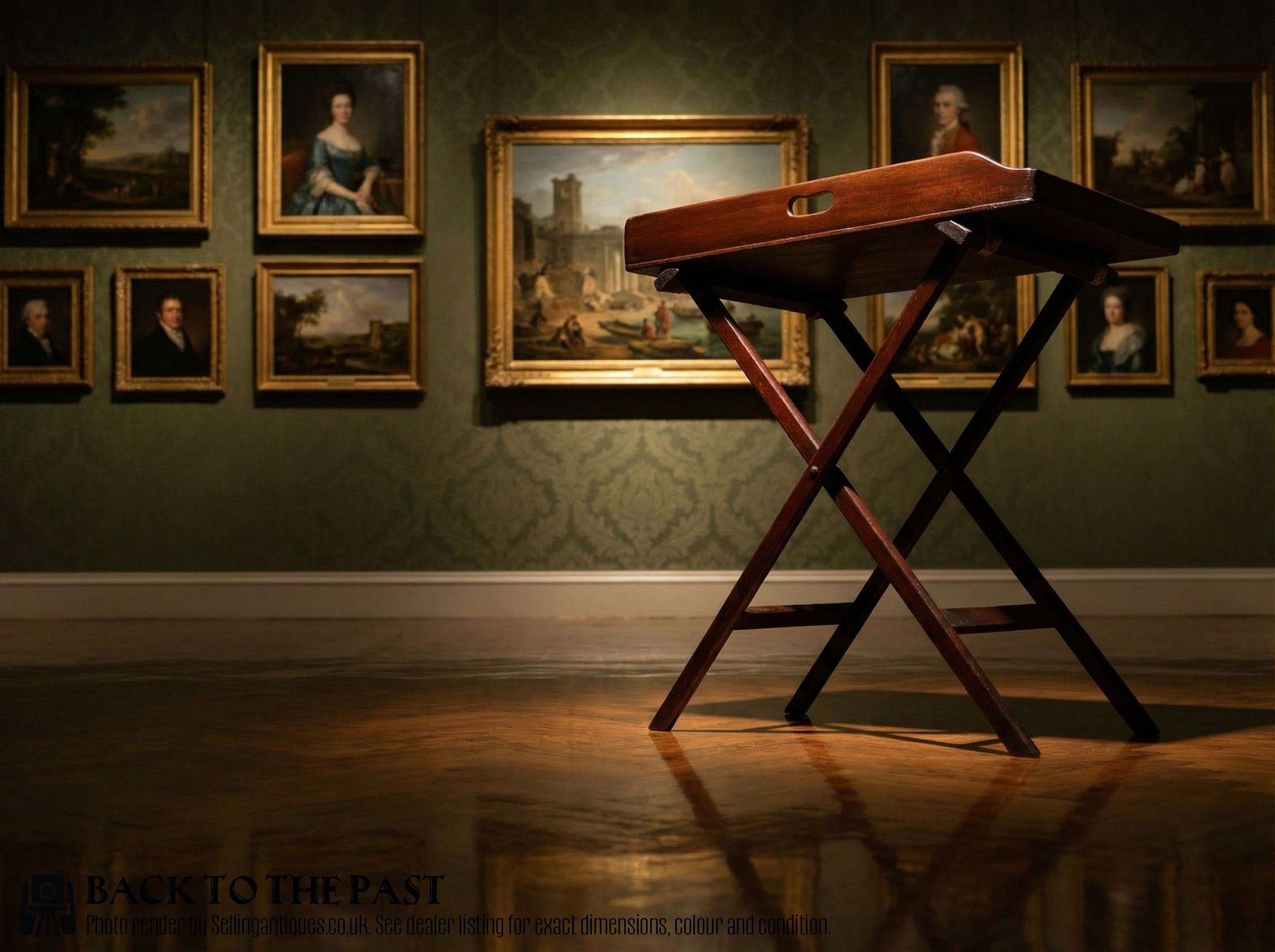
A 19th century tray table combines a portable serving surface with a sturdy stand, offering practical versatility and traditional elegance for the home.
19th Century Tray Table
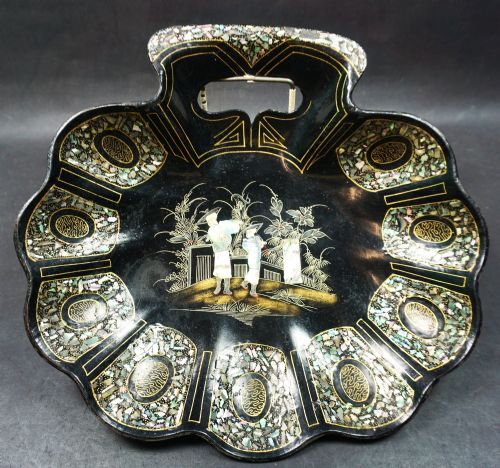
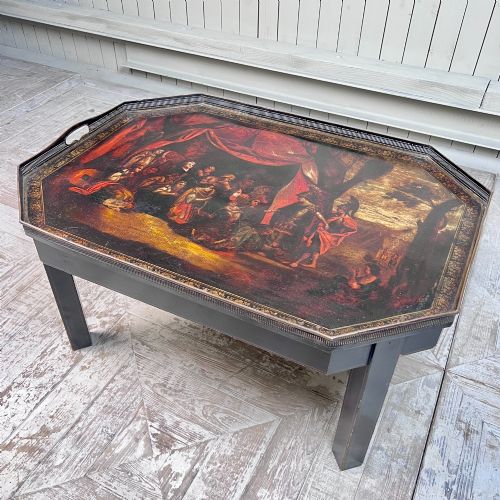
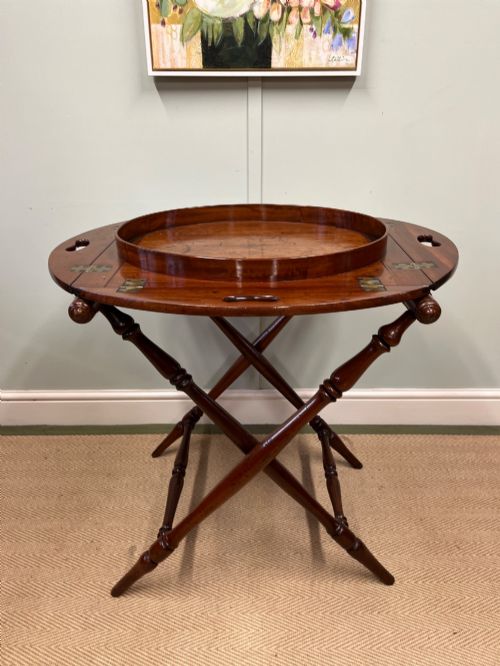
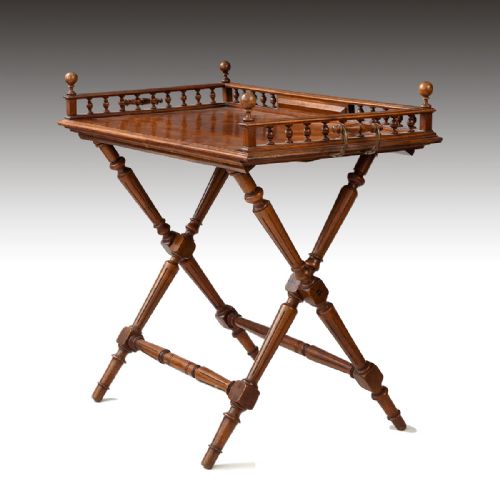
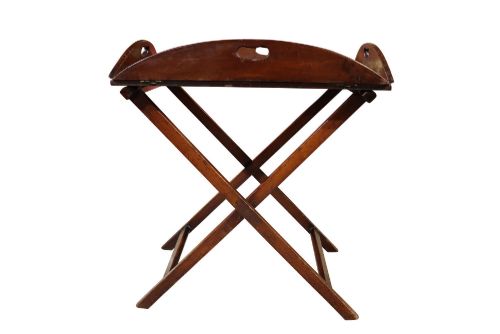
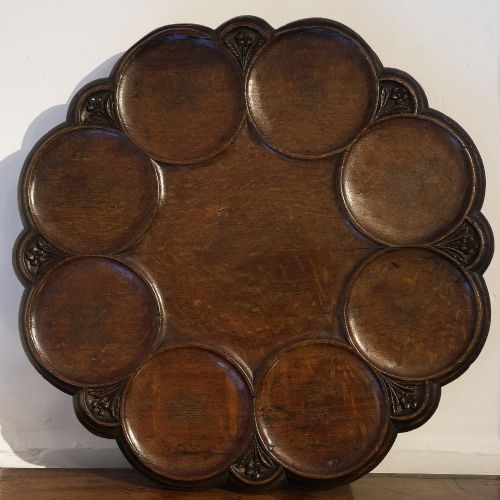
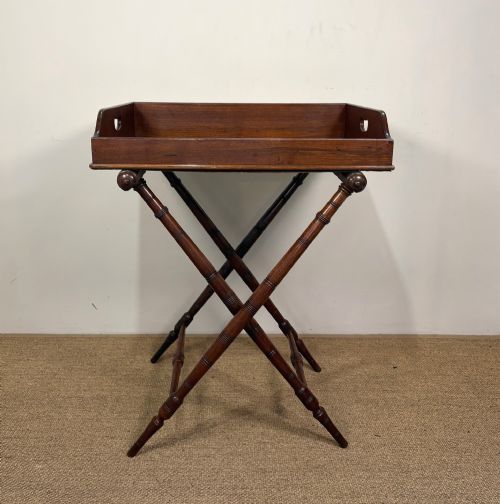
A 19th century tray table typically consists of a removable tray resting on a folding or fixed wooden stand, designed for convenience in serving and entertaining. These pieces range from simple domestic butler trays in mahogany or oak to decorative lacquered and papier-mâché examples styled with Chinoiserie motifs.
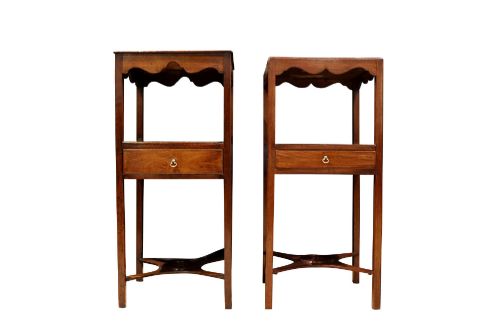
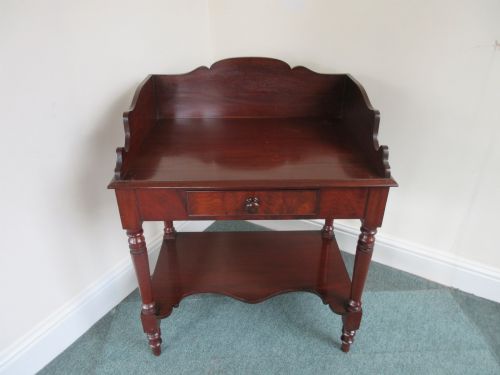
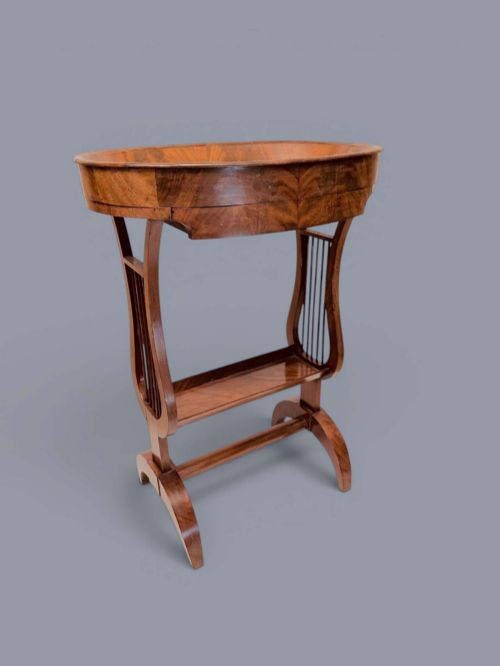
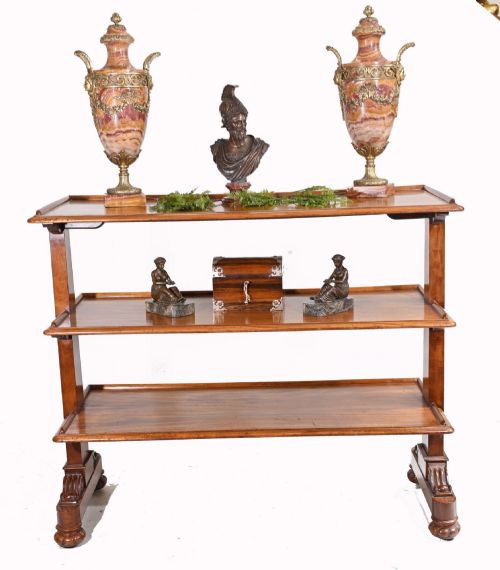
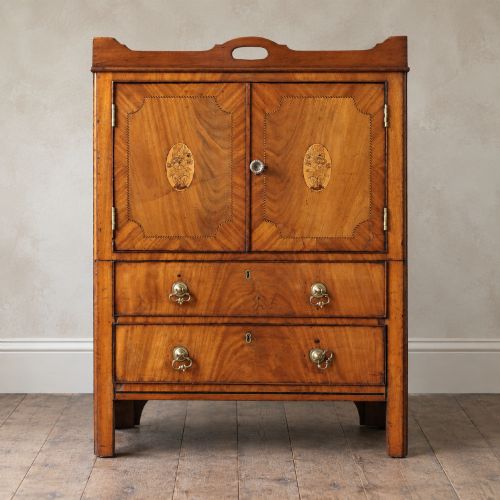
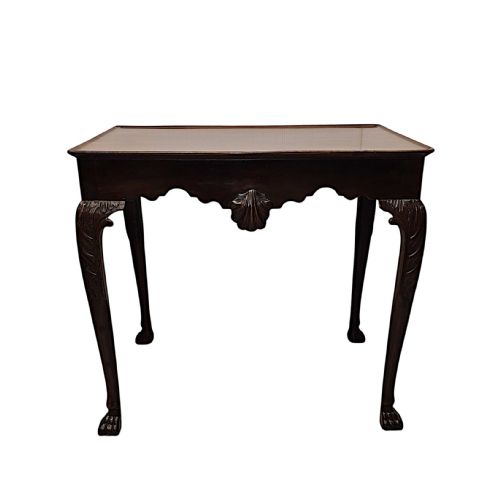
The selections span several periods including Regency, Victorian, and Georgian eras, showcasing diverse forms such as butler trays on stands, side tables, and occasional furniture. Buyers encounter variations featuring gallery edges, inlaid satinwood details, or brass handles intended to secure items during transport.
Many surviving examples reflect regional English cabinet-making traditions, alongside occasional pieces incorporating metalwork, copper, or toleware. The adaptability of these tables allows them to function readily as coffee tables or accent surfaces in contemporary rooms.
Materials and construction methods
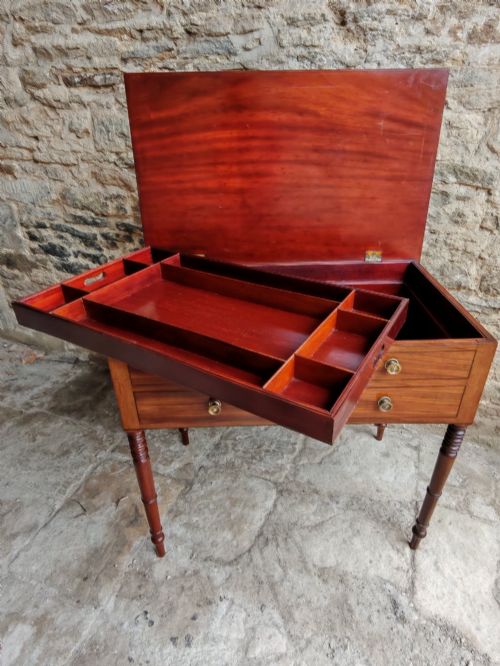
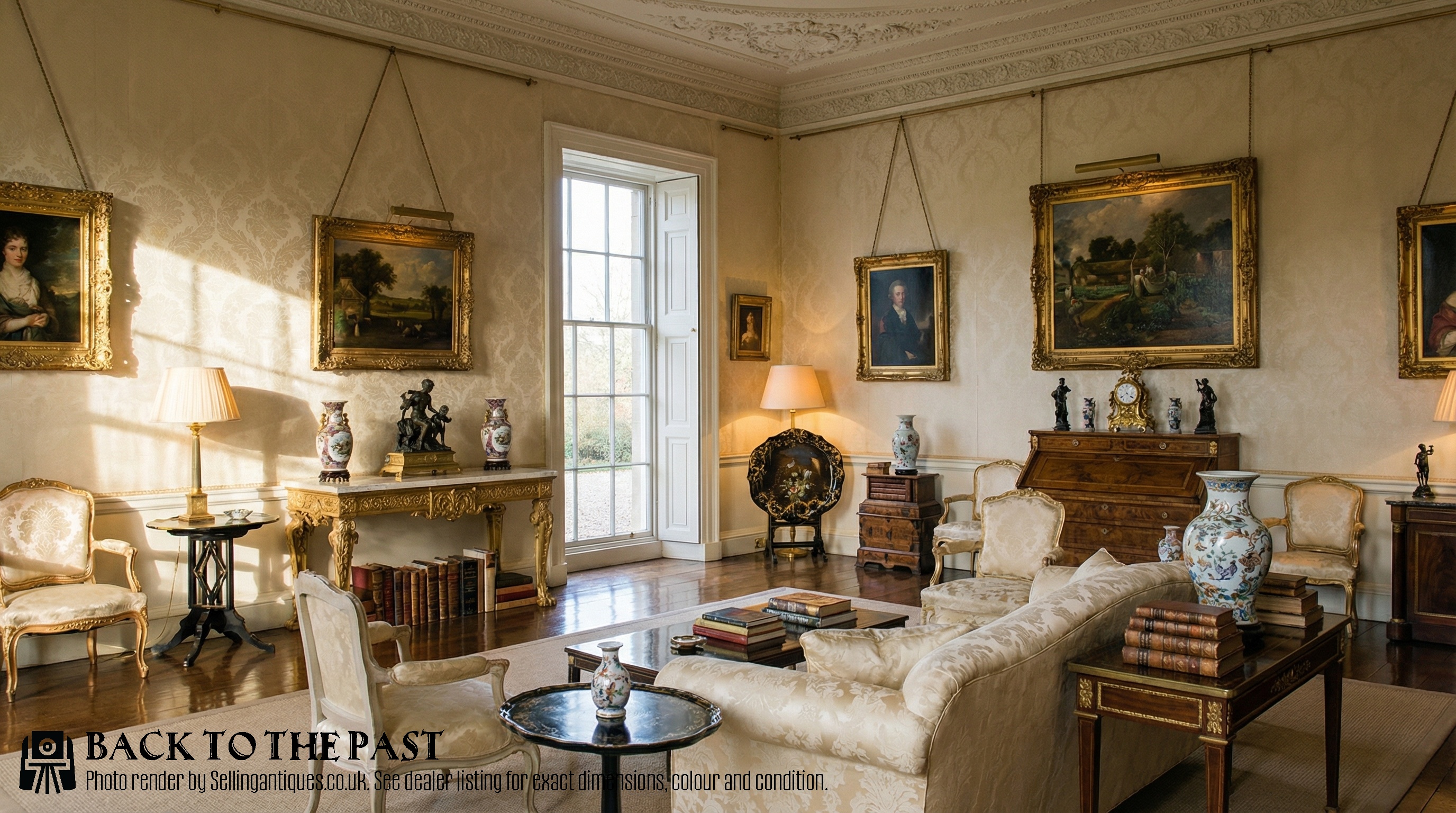
Makers relied heavily on solid and veneered timbers such as mahogany, oak, and walnut, frequently incorporating satinwood for contrast and inlay work. Stands were engineered with folding X-frames or pegged joints to support the weight of heavy silver and porcelain serving pieces.
Decorative surfaces often utilised lacquer, gold leaf, and papier-mâché, particularly in Victorian Chinoiserie and Regency designs. Brass handles and hinges provided durable functional hardware, while carved wooden galleries secured the perimeters of the trays.
19th Century Tray Table Retail Price Guide 2026
Typical asking prices for 19th century tray table among the pieces listed under this phrase on Sellingantiques today, from the lower quarter to the upper quarter. They describe what is for sale here now, not the wider market.
Listings feature woods including mahogany, oak, walnut, and exotic goncalo alves, alongside papier-mâché and copper.
Determinants of quality
Quality in these tables rests on the selection of timber grain, the precision of dovetail or mortise joinery, and the condition of original decorative finishes. Superior examples display crisp hand-carving, well-fitted folding stands, and intact lacquer or hand-painted details.
The integration of secondary woods, the originality of the hardware, and the harmony between the tray and its stand dictate the overall standing of an individual piece. Lesser examples may exhibit mismatched components or heavy refinishing that obscures the underlying craftsmanship.
Gillows·Jennens And Bettridge·Ridgway·Tiffany And Co
The 19th Century Tray Table Glossary
- Butler tray
- A portable wooden tray, often featuring hinged sides that can be lifted for carrying, designed to fit securely onto a matching folding stand.
- Papier-mâché
- A composite material made from paper pulp or layers of paper reinforced with glue, moulded and cured to form durable decorative trays.
- Gallery
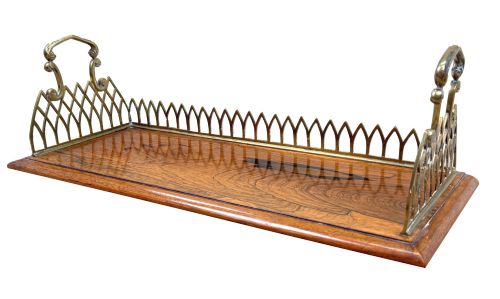
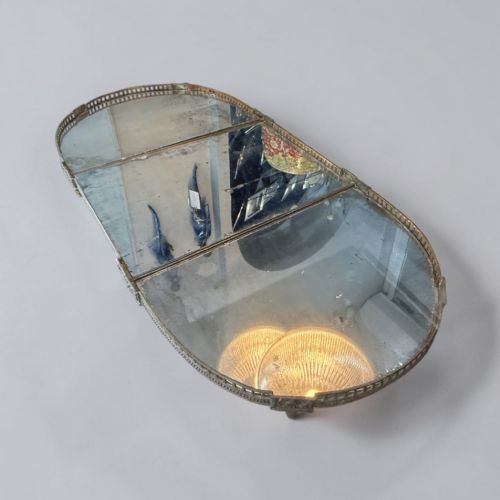
- A raised wooden, brass, or pierced border surrounding the edge of a tray or table top to prevent items from sliding off.
- Chinoiserie
- A European decorative style reflecting Chinese artistic influences, frequently seen in the gold and coloured lacquer work of 19th-century trays.
- Goncalo Alves
- A dense exotic hardwood sometimes utilised in high-end 19th-century cabinet making for its distinctive figuring and rich colour.
19th Century Tray Table: Frequently Asked Questions
How were tray tables used originally?
These tables served primarily for the transport and service of tea, meals, or drinks within large homes. Servants moved the tray to different rooms on its folding stand, allowing hosts to entertain guests without a permanent dining setup.
Over time, many of these trays and stands became permanent fixtures in drawing rooms and parlours as versatile side surfaces.
Can I use a 19th century tray table as a coffee table?
Many buyers adapt these pieces for modern living by placing the tray securely on its stand to serve as a low coffee table. Their historical proportions often suit contemporary seating arrangements well.
Care should be taken to protect delicate surfaces like lacquer or papier-mâché with coasters or glass tops during daily use.
How do I distinguish a Regency tray table from a Victorian one?
Regency pieces often display restrained classical lines, mahogany or rosewood veneers, and understated brass inlay reflecting earlier Georgian tastes. Victorian examples tend to introduce bolder ornamentation, including elaborate japanning, mother-of-pearl inlay, and papier-mâché.
Examining the construction methods and secondary timbers helps confirm the period of manufacture.
Are the trays removable from their stands?
Most traditional butler trays and serving trays lift completely off their folding or rigid wooden bases for easy cleaning and transport. Some later or more decorative side tables feature fixed trays integrated directly into the frame.
Checking whether the tray rests on a separate folding stand is a primary way to identify true butler-style pieces.