


Antique Drinks Stand
An antique drinks stand brings portable service and fitted hospitality to a room, ranging from folding butler trays to dedicated cocktail cabinets.
Antique Drinks Stand
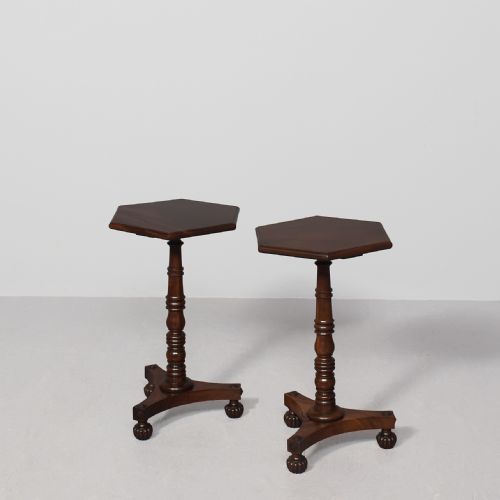
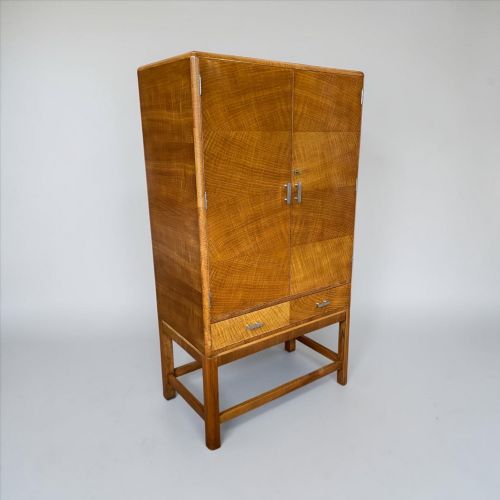
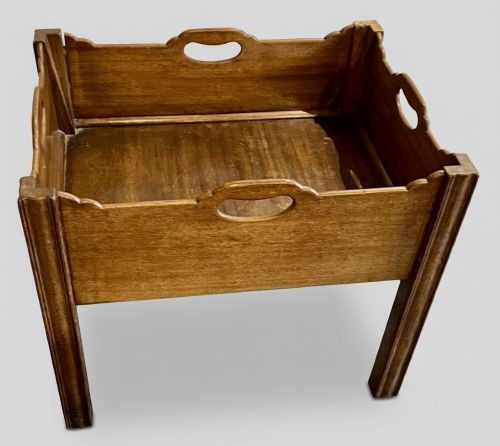
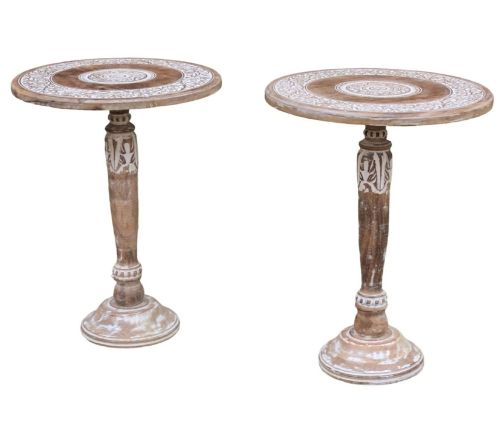
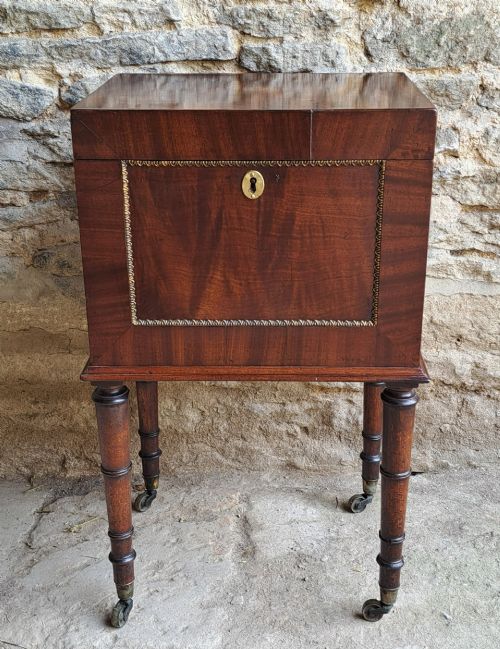
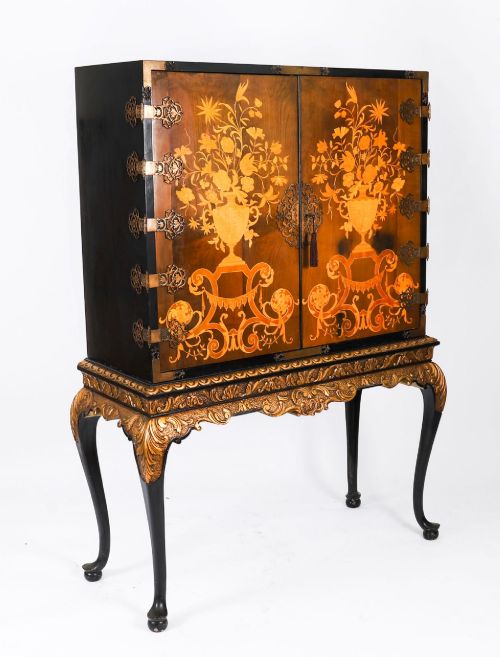
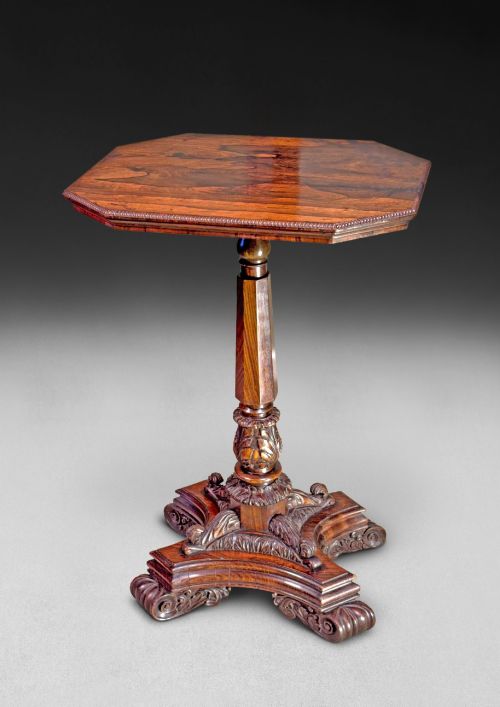
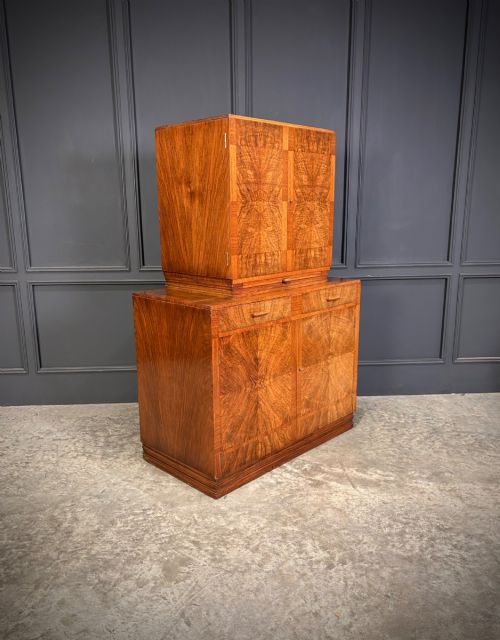
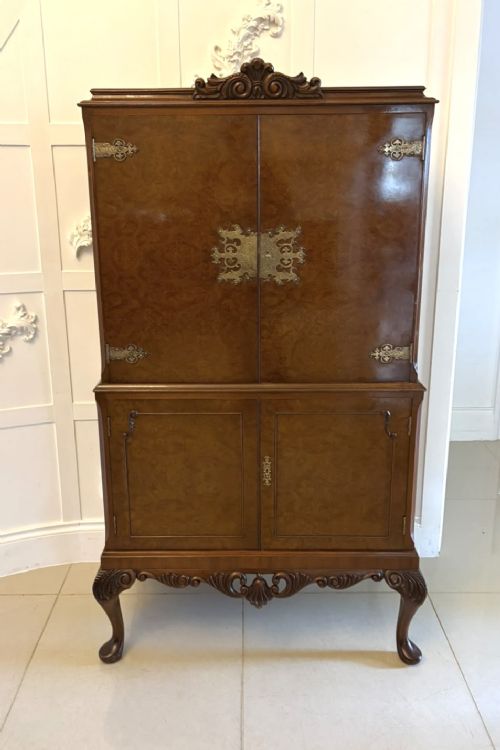
An antique drinks stand encompasses butler trays on folding supports, dedicated cocktail cabinets, wine tables, and specialised trolleys spanning the eighteenth through to the twentieth centuries. The evidence shows that butler trays on stands appear frequently in mahogany and oak, often featuring oval profiles or drop flaps intended for serving. Alongside these, enclosed cocktail cabinets in burr walnut and fitted side cupboards offer specialised storage for bottles and glassware.
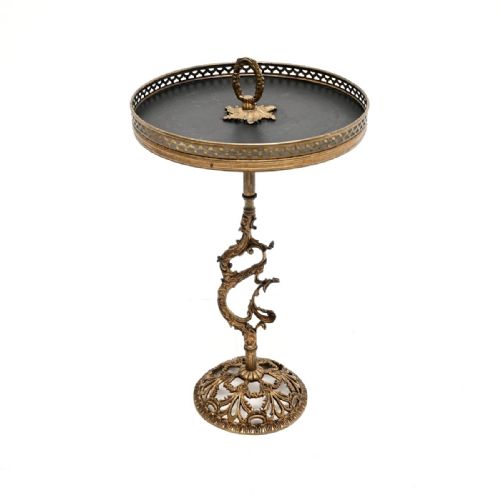
Buyers will also encounter smaller wine tables, occasional tables, and occasional trolley tiers designed to hold decanters and glasses within reach. Styles range from Georgian and Victorian utility to Edwardian refinements and Queen Anne or Jacobean revivals, alongside occasional Japanese pieces such as sake tables. Whether selecting an 18th-century lacquered cabinet on a stand or an Edwardian tray table, each form serves a distinct function in entertaining.
Materials and Craftsmanship
Makers relied heavily on solid timber and rich veneers, with mahogany and oak forming the structural core for most tray tables and serving stands. Burr walnut appears prominently on later twentieth-century cocktail cabinets, showing decorative figuring across doors and surfaces.
Decorative detailing includes brass bound decoration, gold leaf accents, and occasional hand-painted motifs or satinwood inlay. Construction combines sturdy folding frames for portable butler trays with fixed, panelled joinery for larger standing cupboards and trolleys.
Antique Drinks Stand Retail Price Guide 2026
Typical asking prices for drinks stand among the pieces listed under this phrase on Sellingantiques today, from the lower quarter to the upper quarter. They describe what is for sale here now, not the wider market.
Listings feature mahogany, oak, and burr walnut across forms ranging from Georgian butler trays to 1920s cocktail cabinets.
Assessing Quality
Quality rests upon the selection of timber figure, such as the richness of the grain on burr walnut cabinets or the depth of polish on a mahogany tray top. Superior pieces display crispness in carved details, tight joinery on folding stands, and well-fitted interior compartments for bottles and decanters.
The integration of hardware, including brass bounds, silver-plated stands, and intact locks or hinges, dictates the overall integrity of the piece. Lesser examples rely on plain timber without figured veneers or lack the original matching stands and fitted interior trays.
Denby & Spinks·Betjemann
The Antique Drinks Stand Glossary
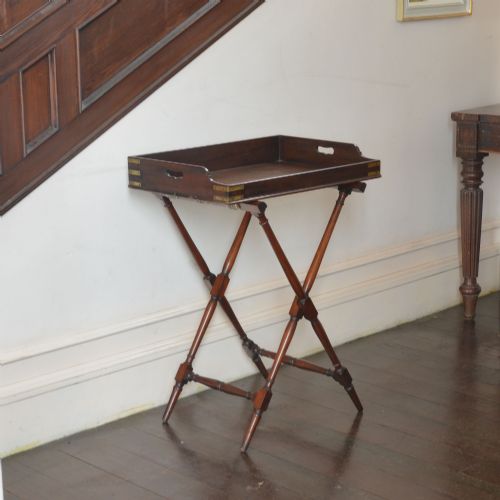
- Butler's tray
- A removable wooden tray with raised edges, often featuring hinged or drop flaps, designed to sit upon a separate folding stand for serving drinks.
- Cocktail cabinet
- An enclosed piece of furniture designed specifically for housing bottles, shakers, and glassware, frequently featuring drop-down mixing surfaces.
- Wine table
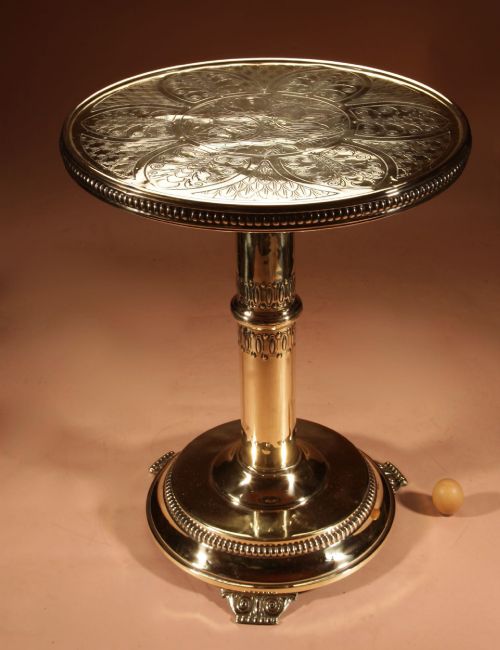
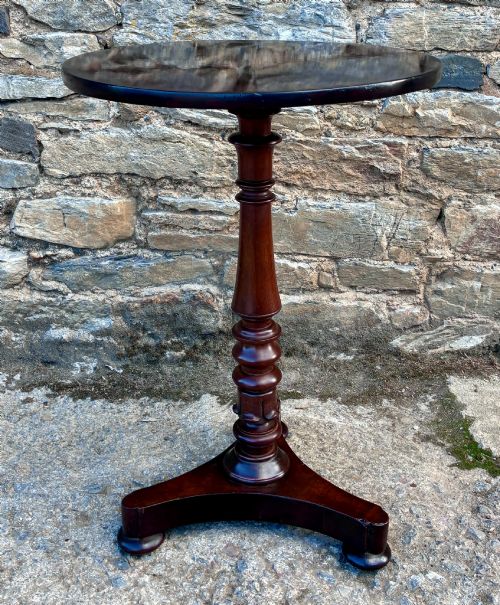
- A small occasional table with a circular or oval top supported by a central pillar and tripod feet, historically used to hold a single bottle and glass.
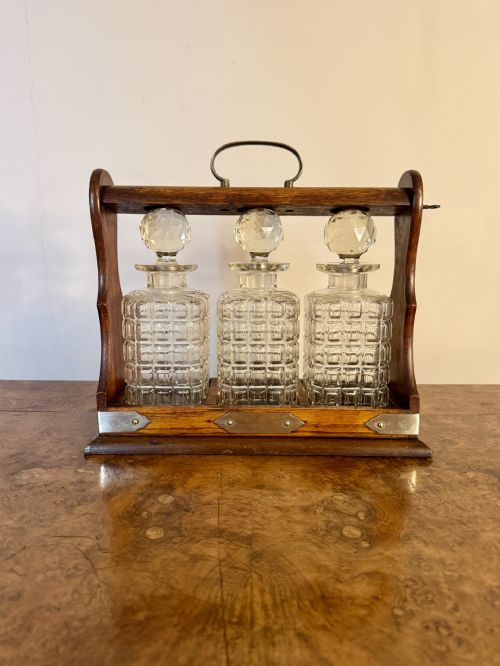
- Tantalus
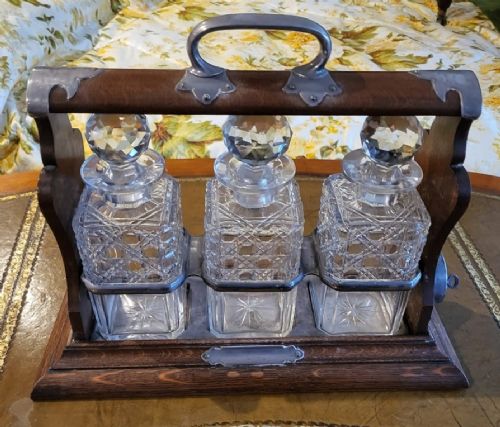
- A locking wooden frame holding decanters securely in place while allowing their contents to remain visible to guests.
- Drop-flap
- A hinged section of a tray or tabletop that can be lowered when not in use or raised to extend the surface area.
Antique Drinks Stand: Frequently Asked Questions
What is an antique butler's tray stand?
A butler's tray stand consists of a portable wooden tray resting on a collapsible or folding X-frame base. This design allowed domestic staff to carry drinks and clear glasses easily between rooms.
Over time, these utility pieces evolved into permanent living room furniture while retaining their removable top and folding structure.
How were antique cocktail cabinets used?
Cocktail cabinets housed spirits, mixers, and glassware in a single dedicated piece of furniture during the interwar period. Their drop-down doors often doubled as preparation counters for mixing drinks.
Interior fittings frequently included mirrored backs, glass shelves, and built-in racks designed specifically for upright bottle storage.
How do I date an antique drinks table?
Dating relies on timber selection, structural hardware, and prevailing decorative styles seen across different decades. Georgian and Victorian pieces emphasise solid mahogany and oak utility, whereas 1920s examples favour burr walnut veneers.
Examining the construction methods of the stand and any associated silver hallmarks provides further chronological clues.
Can I use an antique wine table for daily service?
Wine tables offer compact surfaces well suited for holding glasses and small decanters beside seating. Their lightweight pillar construction makes them easy to reposition around a room as needed.
Care should be taken to protect polished wooden surfaces from moisture rings by using appropriate coasters.