


19th Century Tea Tray
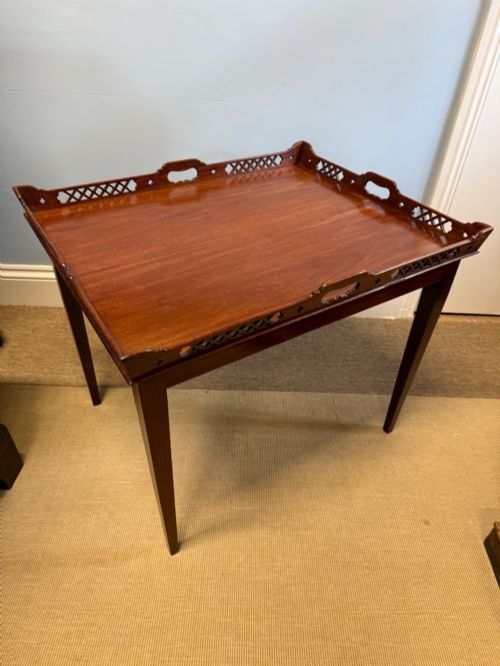
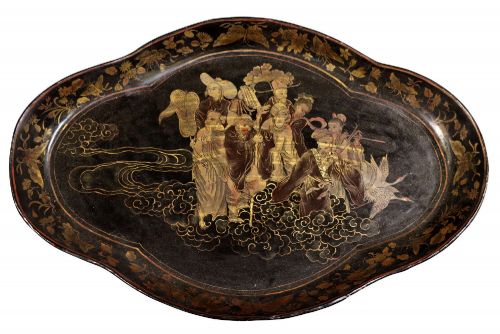
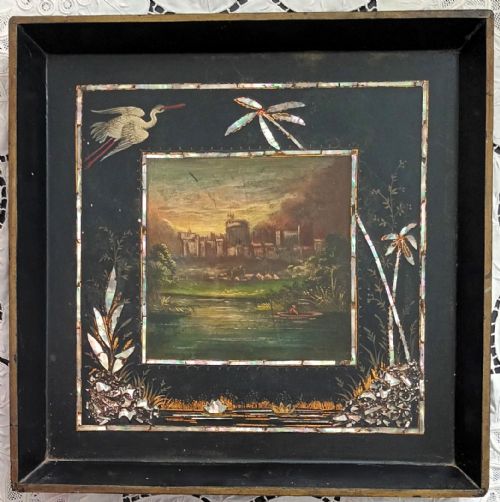
These 19th century tea tray examples combine utilitarian service with refined domestic display, offering robust timber and decorative lacquer for daily hosting.
19th Century Tea Tray
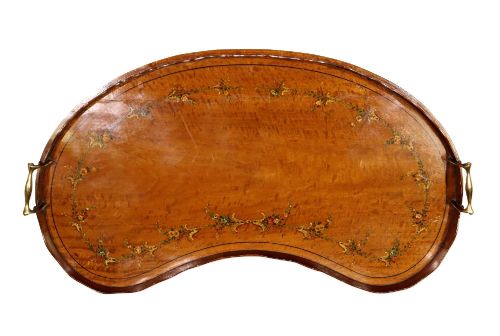
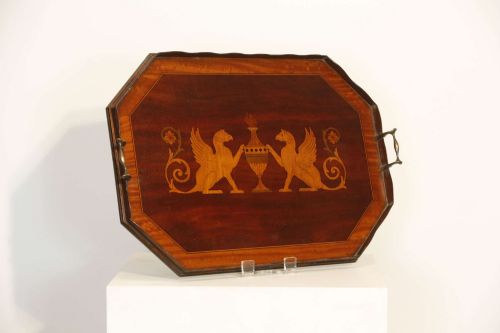
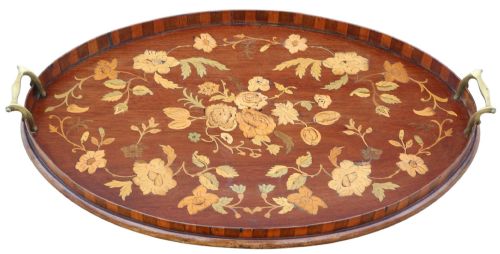
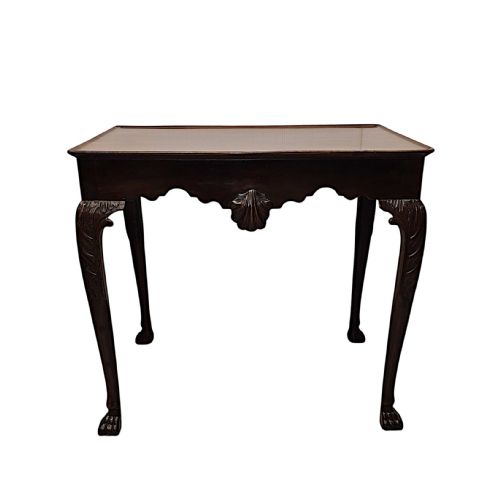
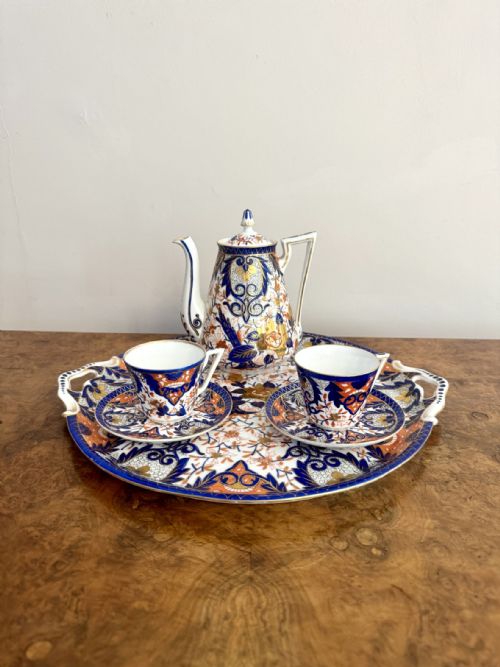
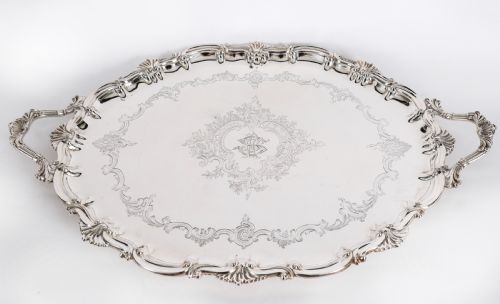
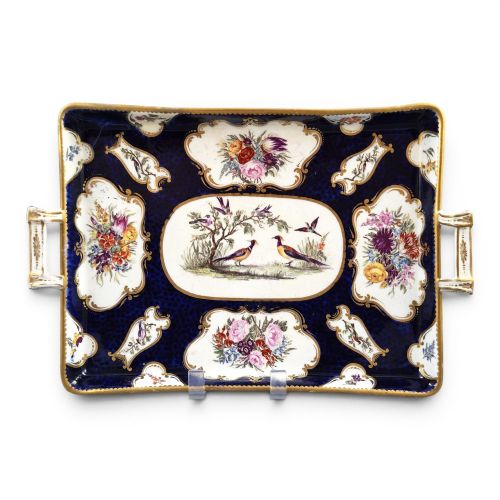
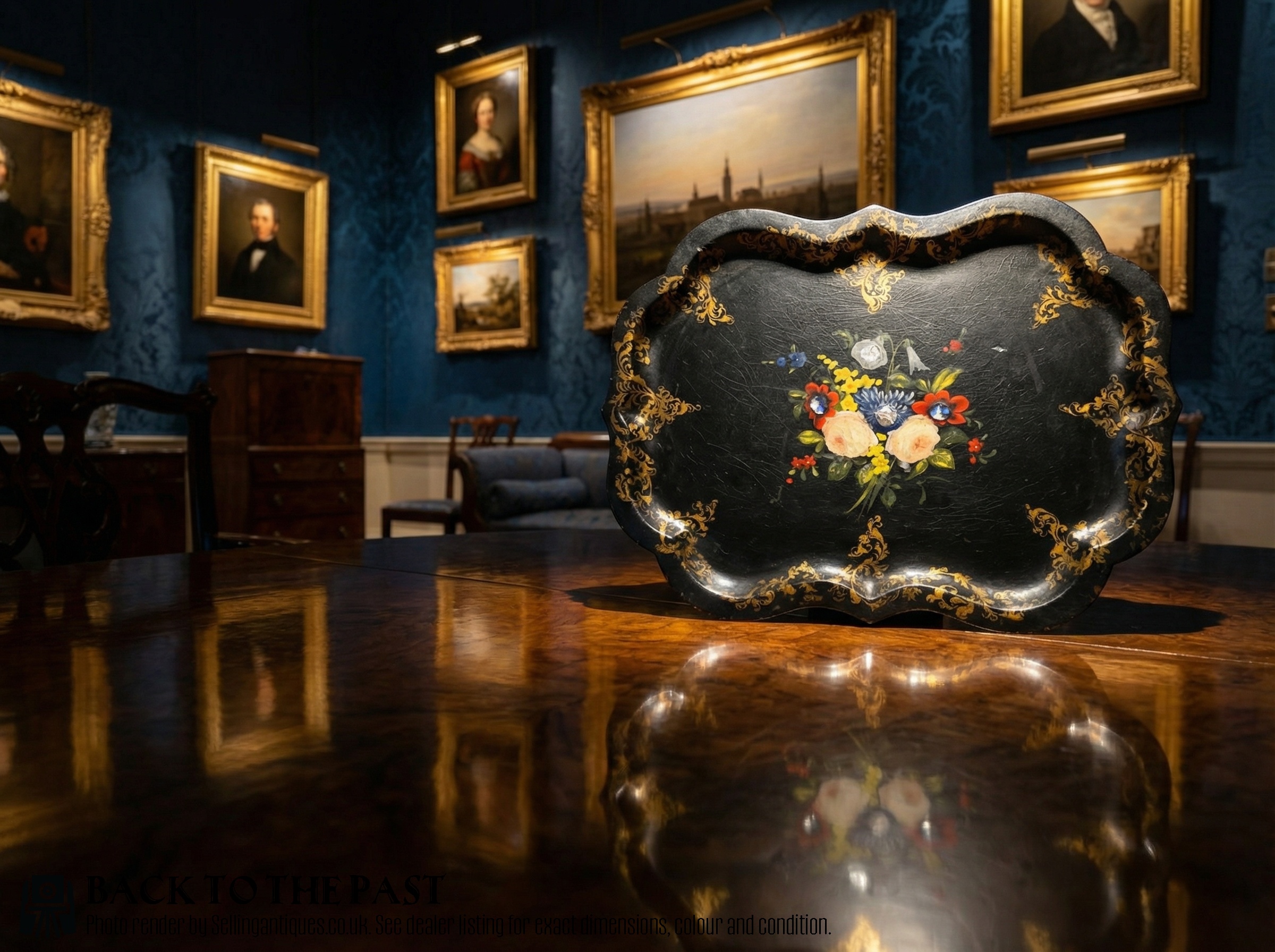
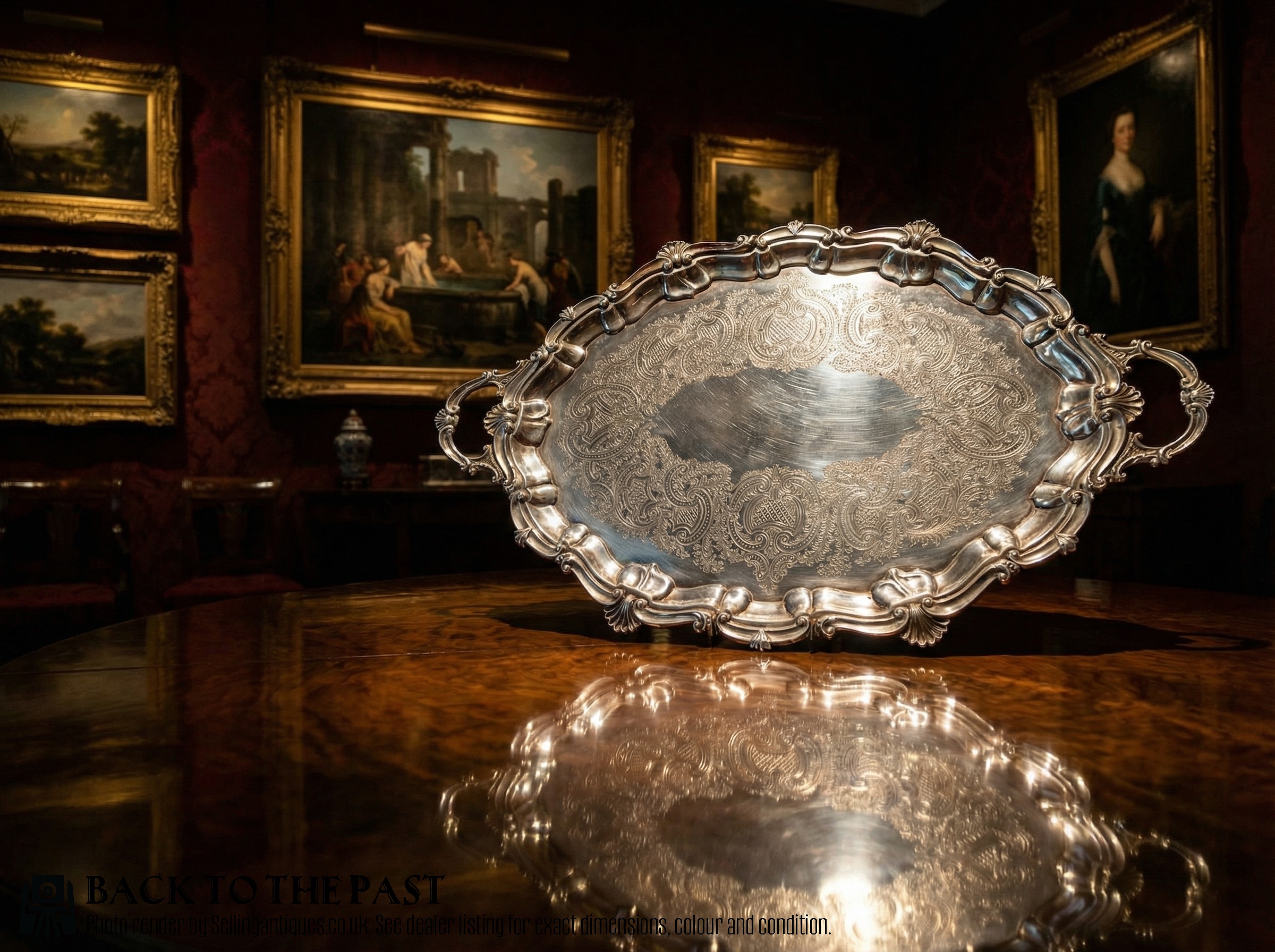
A 19th century tea tray serves as both a functional portable surface and a decorative domestic centrepiece, appearing frequently in mahogany, papier-mâché, and silver plate. Buyers encounter rectangular, oval, and octagonal formats, often fitted with carrying handles or elevated upon later folding stands.
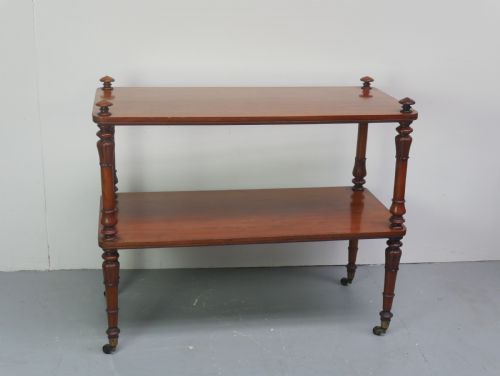
The material vocabulary spans traditional cabinet timbers like mahogany and satinwood alongside lightweight japanned papier-mâché and heavy metals such as copper and silver plate. Many survive mounted as occasional tables, breakfast stands, or etageres.
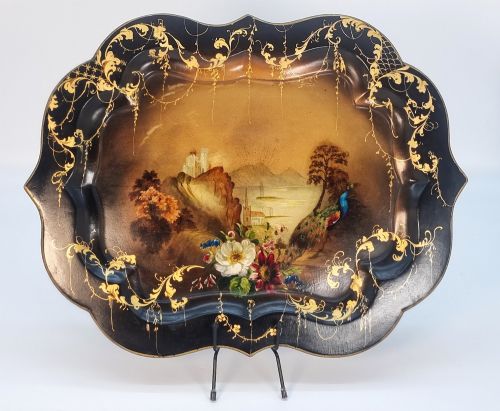
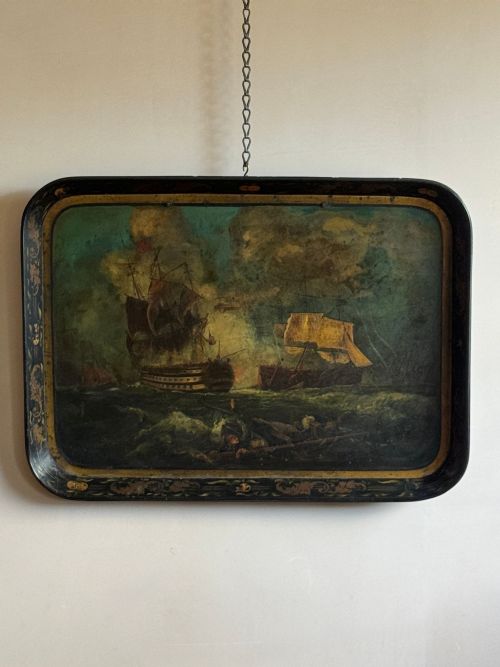
Origins reflect diverse British and European workshops, encompassing Regency japanned wares, Victorian Chinoiserie scenes, and robust silver-plated platters. Surviving pieces range from plain galleried serving boards to elaborately painted pictorial panels depicting historic narratives.
Materials and construction methods
Cabinetmakers constructed wooden examples using solid mahogany, satinwood, and walnut, frequently incorporating contrasting string inlay, scalloped galleries, and shaped brass handles. Timber bases rely on sturdy joinery to support heavy porcelain services.
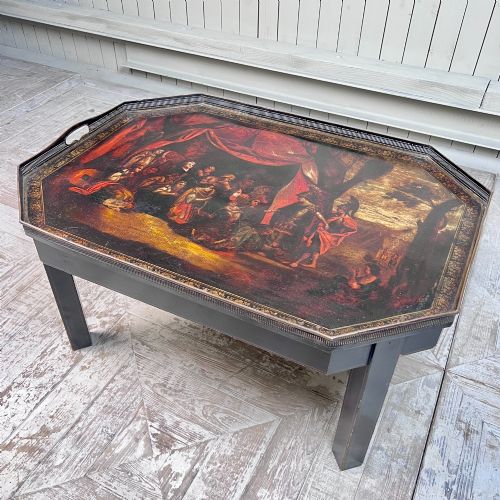
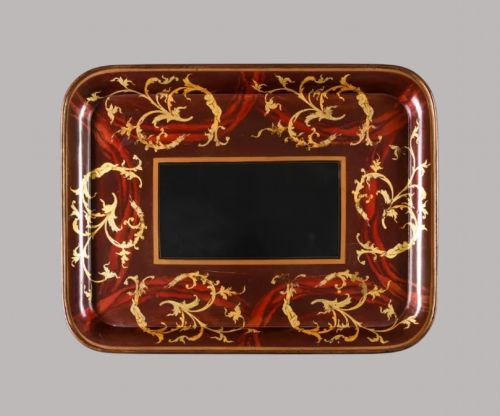
Papier-mâché and toleware surfaces utilise layered paper pulp or sheet metal treated with heavy layers of dark lacquer, gold leaf, and hand-painted motifs. These decorated grounds withstand moisture and heat during service.
Metal variations depend on Old Sheffield plate, solid copper, and silver-plated copper alloys, often chased or engraved with elaborate botanical borders and armorial crests.
19th Century Tea Tray Retail Price Guide 2026
Typical asking prices for 19th century tea tray among the pieces listed under this phrase on Sellingantiques today, from the lower quarter to the upper quarter. They describe what is for sale here now, not the wider market.
Listings feature periods spanning the Regency, Victorian, and Edwardian eras, executed in lacquer, papier-mâché, mahogany, copper, and silver plate.
Indicators of quality and distinction
Quality rests upon the crispness of hand-painted decoration, the integrity of inlaid wooden banding, and the retention of original surface finishes. Papier-mâché pieces show distinction through intact japanning and minimal crazing.
Structural execution separates standard production from workshop masterpieces, visible in the dovetailing of tray galleries and the precision of silver plating over copper bases. Maker signatures stamped into metal or pressed into papier-mâché bases elevate the standing of individual items.
Thomas Bradbury & Sons·John Harrison·H. Meeson·Peters Hamburg·Jennens & Bettridge
The 19th Century Tea Tray Glossary
- Galleried
- A raised wooden or metal edge surrounding the perimeter of a tray. This border prevents cups and teapots from sliding off during transit.
- Japanned
- European imitation of East Asian lacquerwork achieved through successive coats of dark varnish. Artisans decorated these surfaces with gold leaf and painted scenes.
- Papier-mâché
- A composite material made from paper pulp mixed with glue and resin, pressed in moulds and baked. It provides a lightweight yet durable base for painted trays.
- Toleware
- Enamelled or lacquered sheet metal items used for domestic service. This technique allows for colourful painted pictorial panels.
- Old Sheffield Plate
- A method of fusing a thin sheet of silver to a thicker copper core. This technique produced durable tableware before electroplating became common.
19th Century Tea Tray: Frequently Asked Questions
How were they used?
These pieces served primarily for carrying tea sets, porcelain cups, and kettles from the kitchen to the drawing room. Servants utilised them during formal afternoon gatherings.
Many examples later transitioned to permanent furniture by mounting them onto folding wooden stands to create occasional tables or tea tray tables.
How do I care for papier-mâché?
Keep papier-mâché surfaces away from direct sunlight and excessive moisture to prevent the lacquer from cracking or lifting. Dust them gently with a dry, soft cloth.
Avoid using liquid cleaners, polishes, or abrasive materials that might damage the original hand-painted decoration and gold leaf details.
Are they sturdy enough for daily use?
Wooden and metal variations possess robust construction suitable for everyday service when handled with reasonable care. Solid mahogany and silver-plated copper handle frequent lifting.
Lacquered papier-mâché requires greater caution due to the delicate nature of the historical surface finish, making gentle display preferable to heavy practical employment.
How do I identify a Regency period piece?
Regency examples often feature crisp japanned papier-mâché construction with neoclassical motifs, or clean mahogany lines with subtle brass handles. Maker stamps associated with early nineteenth-century workshops provide confirmation.
Proportions tend towards classical balance, reflecting the design preferences of the early decades of the nineteenth century.