
Vintage Metal Tray
A vintage metal tray brings substantial weight and distinct period character to a table, spanning silver plate, brass, and hand-painted toleware.
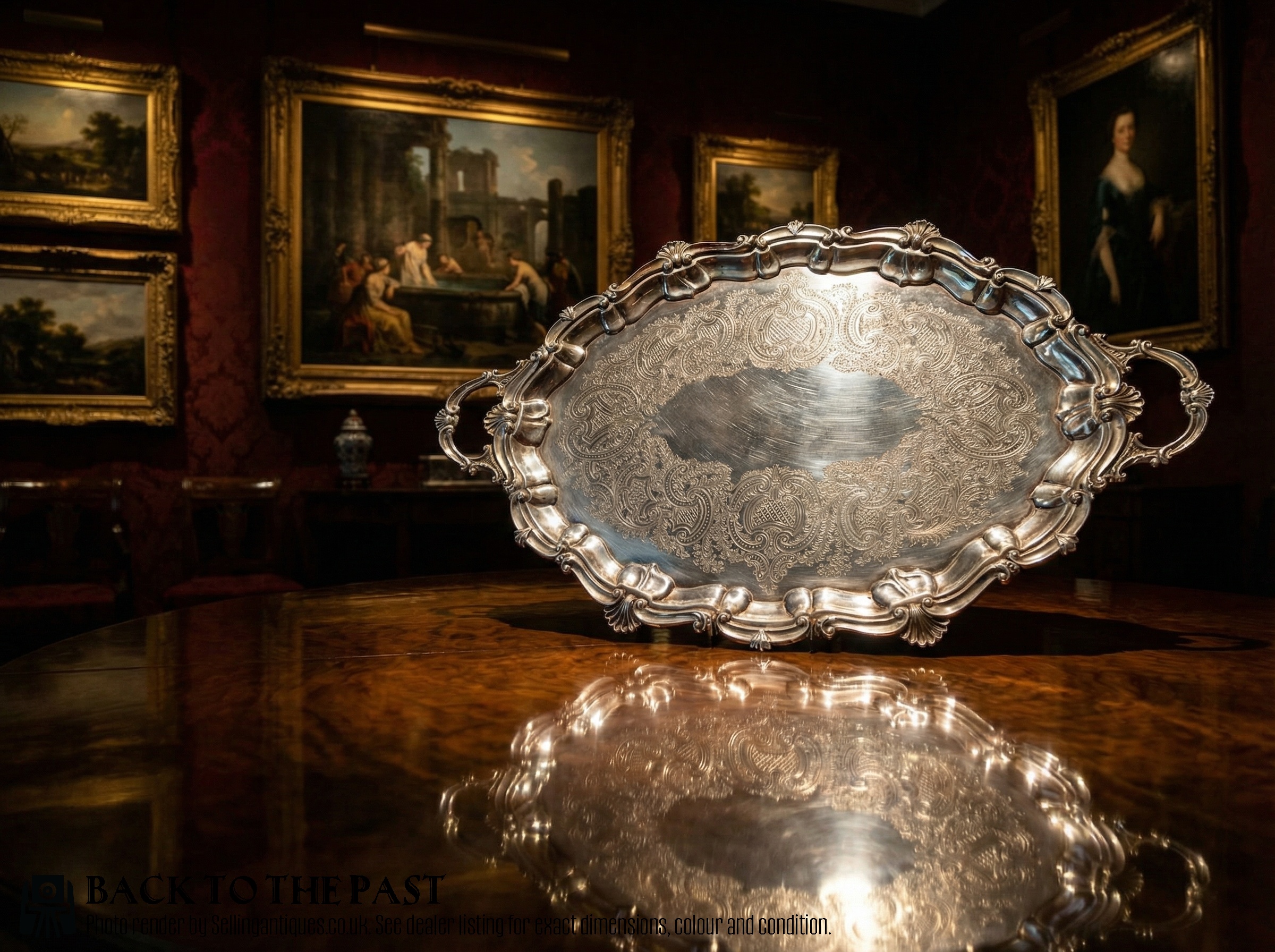
Vintage Metal Tray
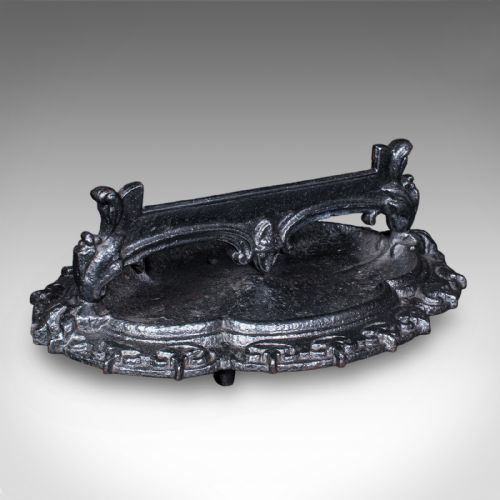
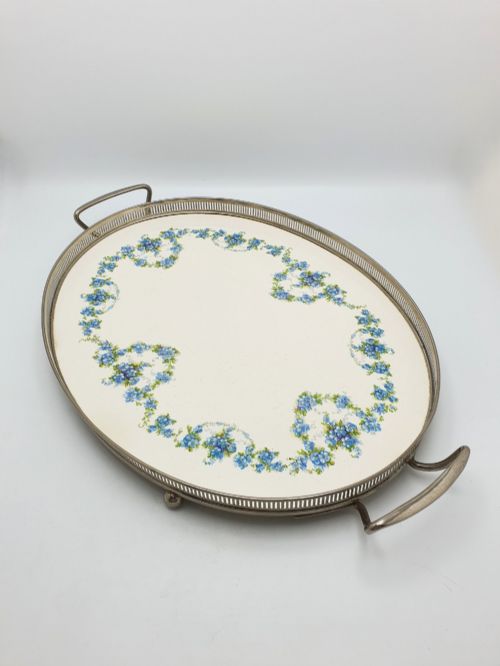
A vintage metal tray encompasses domestic serving pieces, decorative dishes, and heavy hallway stands that incorporate metal drip containers, spanning the nineteenth century through the art deco period. Buyers encounter serving trays with silver plating, toleware tea trays, and heavy copper chargers alongside hall furniture designed to hold wet umbrellas.
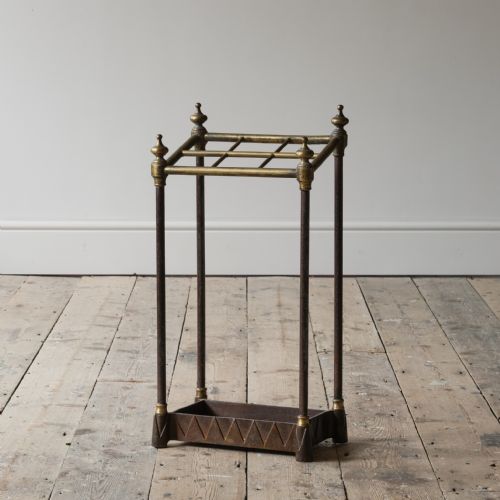
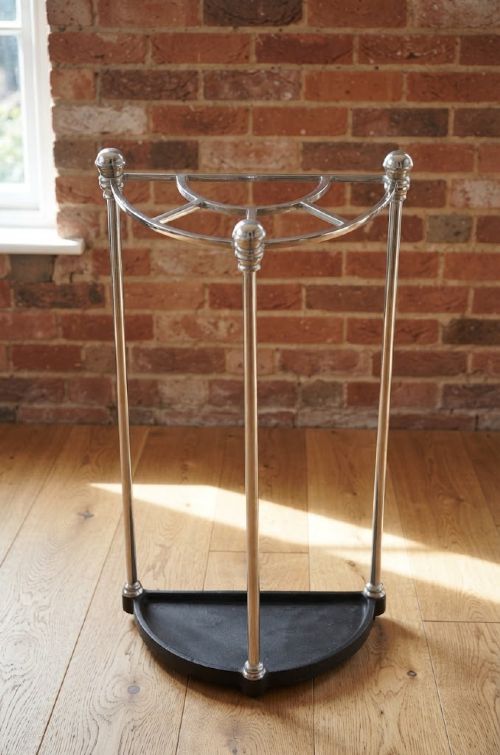
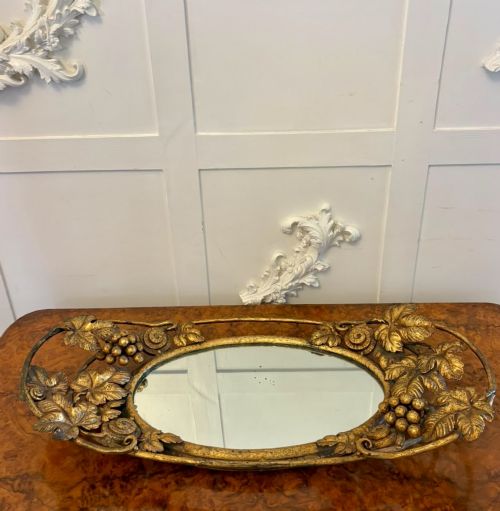
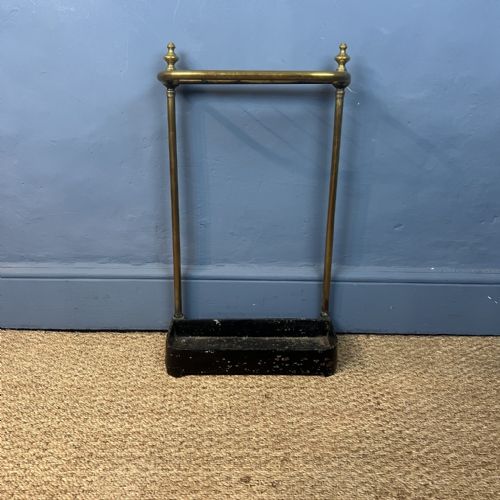
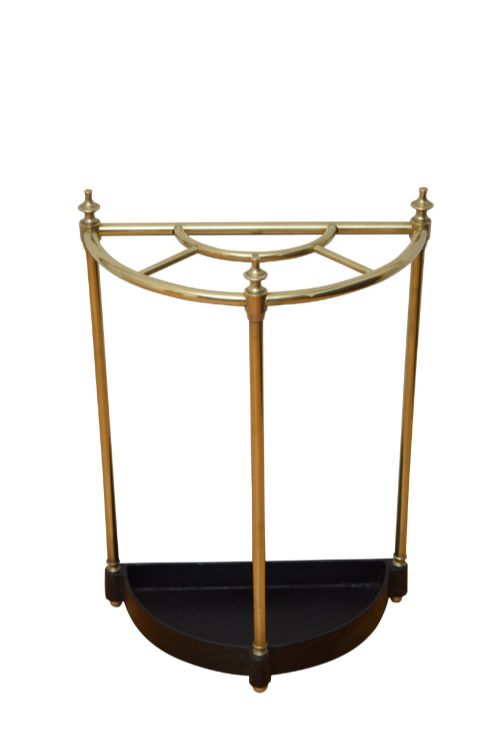
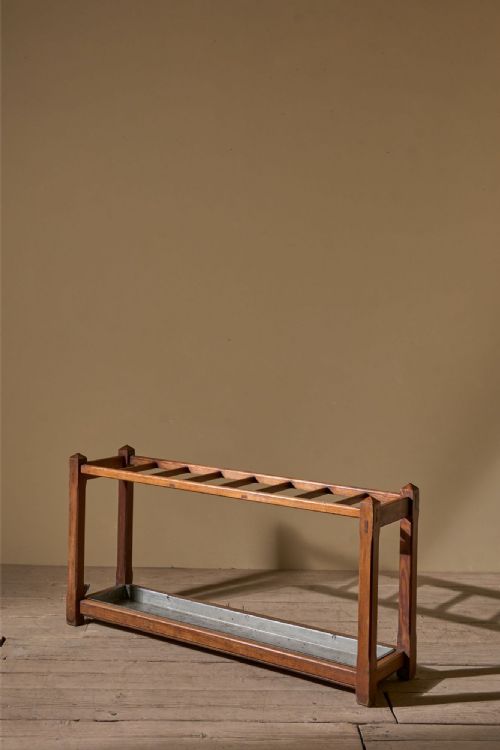
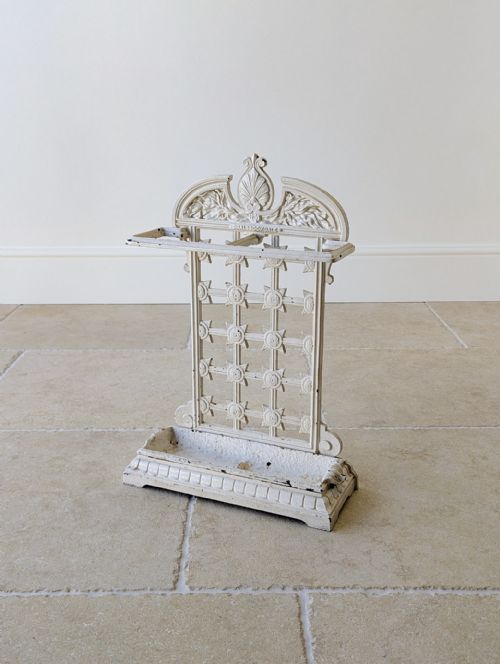
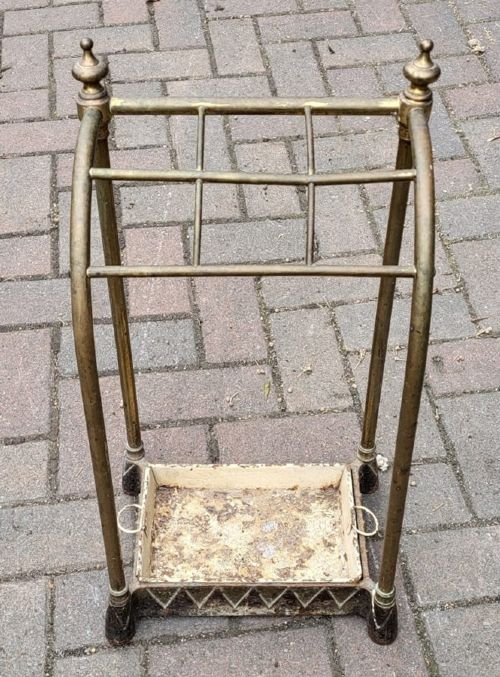
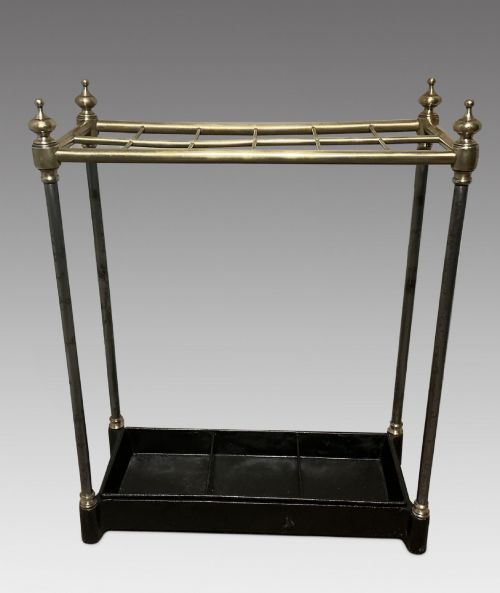
The selection here ranges from Victorian cast iron and brass umbrella stands with removable metal trays to delicate Edwardian mirrored drinks trays and Japanese cloisonne enamel dishes. Pieces originate from English workshops, continental makers, and Asian export centres, reflecting domestic utility and formal hospitality across several decades.
Serving formats include octagonal tole tea trays, silver plated cocktail trays with shell borders, and round copper dishes decorated with repousse work. Hall accessories integrate brass, steel, and cast iron into demi-lune frames that hold walking sticks and umbrellas above integrated metal bases.
How they were made
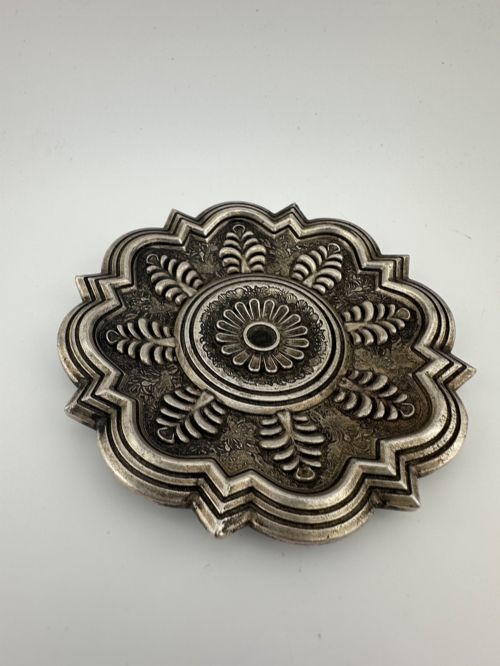
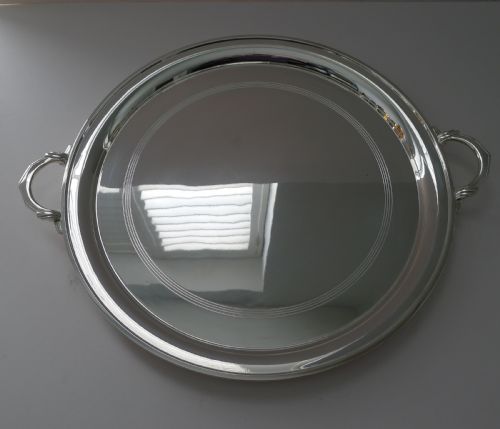
Metals such as brass, copper, cast iron, and pewter form the structural foundation of these pieces, often shaped via casting, hammering, or repousse work. Silver plating and nickel plating provide reflective surfaces on copper or base metals for Edwardian and art deco serving pieces.
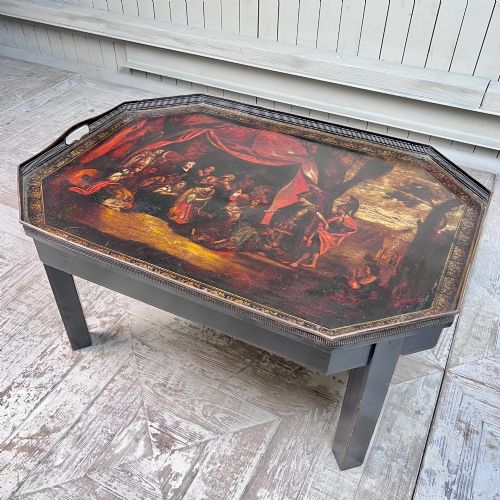
Toleware utilises painted sheet metal, decorated with floral centres or historical scenes such as the family of Darius before Alexander, sealed with protective varnishes. Cloisonne enamel pieces fuse coloured glass powders onto metal bases within wire partitions, creating intricate designs of birds and leaping koi.
Materials range from Japanese cloisonne enamel and Middle Eastern patinated copper to British brass, pewter, and painted toleware.
What varies in quality
The distinction between standard utility items and superior examples lies in the crispness of hand-engraved repousse decoration, the weight of the cast brass or iron, and the integrity of the original silver or nickel plating. Maker attributions to recognised firms like WMF, Orivit, or Coalbrookdale elevate a piece through refined casting marks and superior metal composition.
Surface preservation dictates overall standard, particularly on painted toleware and patinated copper where original finishes survive without excessive modern intervention. Structural rigidity in multi-part cast iron umbrella stands and the precise fit of removable metal drip trays demonstrate original manufacturing care.
Keith Murray For Mappin & Webb·Coalbrookdale·WMF·Orivit·Hugh Wallis
The Vintage Metal Tray Glossary
- Toleware
- Painted or lacquered sheet metal serving trays and household objects popular in the nineteenth century. These items frequently display floral motifs or pictorial scenes upon dark finished grounds.
- Demi-Lune
- A half-moon shape common in umbrella and stick stands designed to sit flush against a hallway wall. This configuration maximises floor space while accommodating walking sticks and canes.
- Repousse
- A metalworking technique where the artisan hammers the design from the reverse side to form raised relief patterns on the front. It appears frequently on copper trays and chargers from the arts and crafts period.
- Cloisonne
- An enamelling method utilising thin metal wires soldered to a metal base to create cells filled with coloured glass paste and fired. Japanese examples from the late nineteenth century employ this technique for decorative trays.
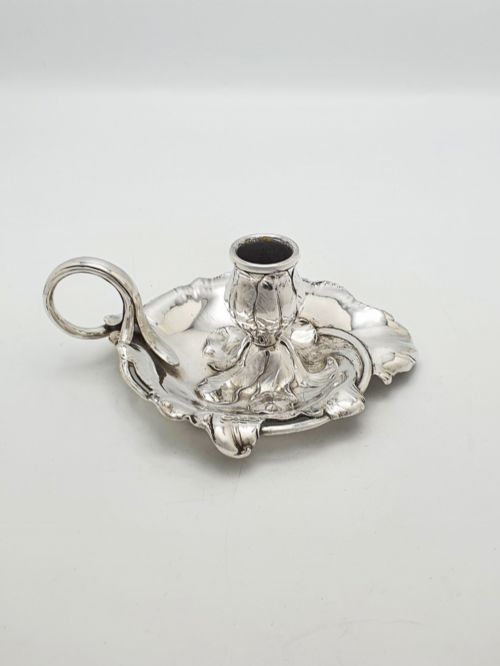
- Chamberstick
- A short candlestick fitted with a wide drip pan and a ring handle for carrying about a house at night. Silver plated and pewter variants date from the Victorian and Edwardian eras.
Vintage Metal Tray: Frequently Asked Questions
How do I clean a brass serving tray?
Wipe surfaces gently with a soft, dry cloth to remove dust without disturbing the aged patina that accumulates over decades of use. Avoid abrasive commercial polishes that strip historical surface character from antique metalwork.
For stubborn residue, use mild soapy water on a damp cloth, drying immediately to prevent water spots or oxidation on the metal surface.
Were these trays used for drinks?
Many silver plated and mirrored metal trays served as dedicated cocktail and drinks service pieces during the Edwardian and art deco periods. Raised borders prevented glassware from sliding during transport across formal rooms.
Larger copper and toleware variations functioned as tea trays or decorative centrepieces on dining and parlour tables.
What is a tole tray table?
A tole tray table combines a painted metal serving tray with a folding or fixed wooden stand, creating a portable furniture piece for drawing rooms. The metal tops often feature hand-painted floral bouquets or classical scenes.
These versatile items allowed households to move serving surfaces easily between rooms during entertaining.
How do I identify a Victorian umbrella stand?
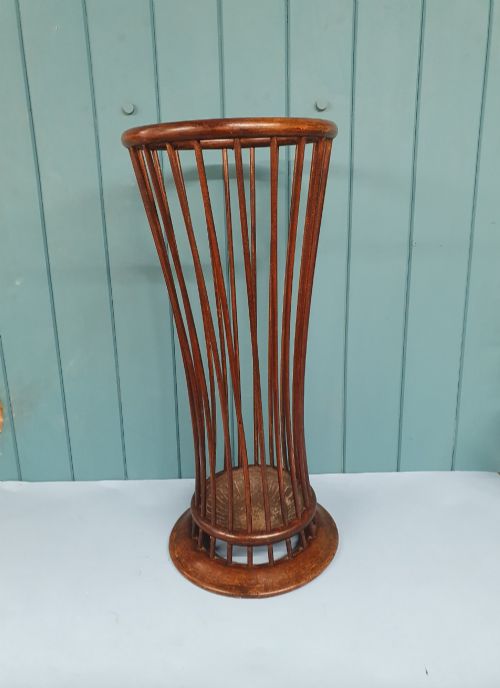
Victorian umbrella and stick stands predominantly employ heavy cast iron or brass construction, frequently featuring pierced lattice designs or drip pans shaped to catch rainwater. Coalbrookdale and similar foundries produced robust hall furniture designed for daily utility.
Look for structural division rings and heavy iron bases that provided stability for heavy walking sticks and wet umbrellas.