



Chased Silver Plated Tray
These chased silver plated tray pieces offer practical elegance, bringing ornate Victorian and Edwardian craftsmanship directly to your table.
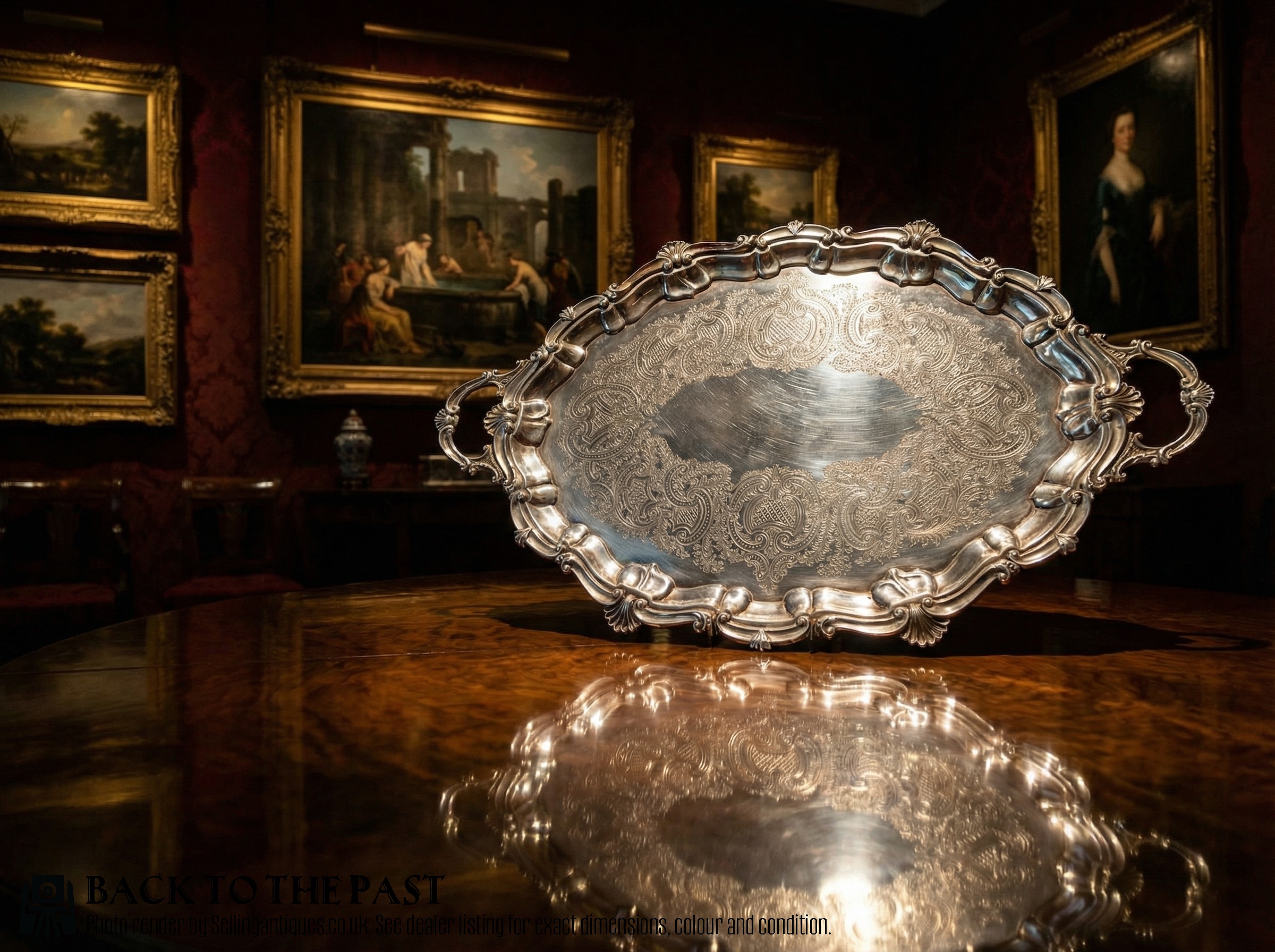
Chased Silver Plated Tray
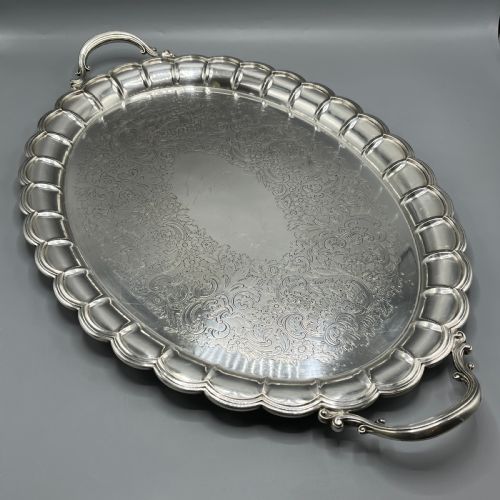
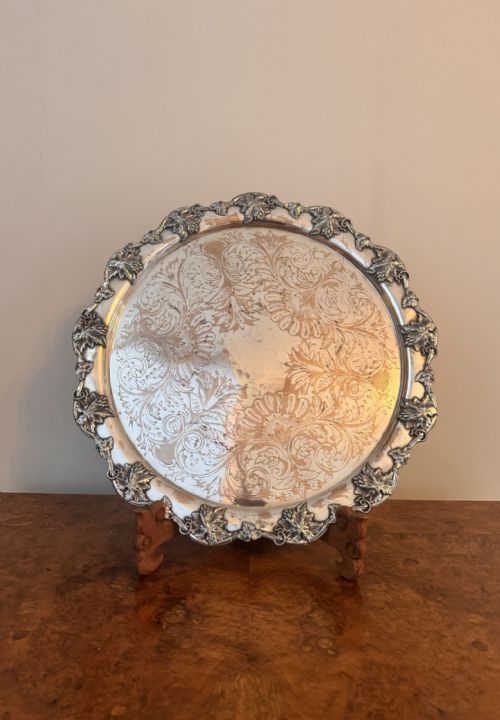
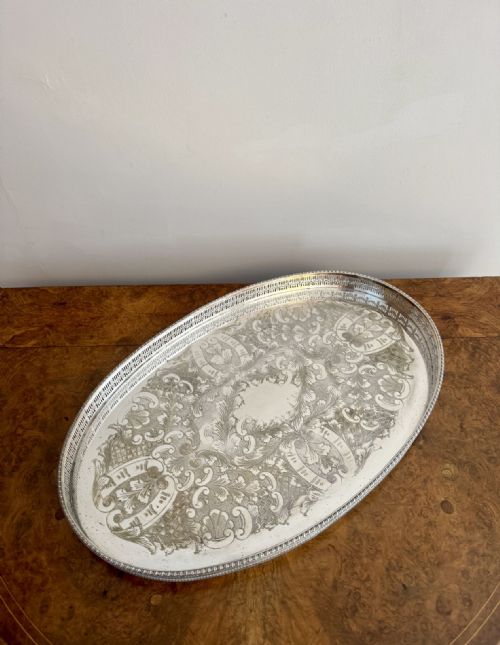
A chased silver plated tray represents a functional serving piece decorated with surface ornamentation, appearing frequently in forms ranging from round salvers to oval serving trays. Buyers searching for a chased silver plated tray encounter examples spanning the Victorian and Edwardian eras, alongside later twentieth-century interpretations.
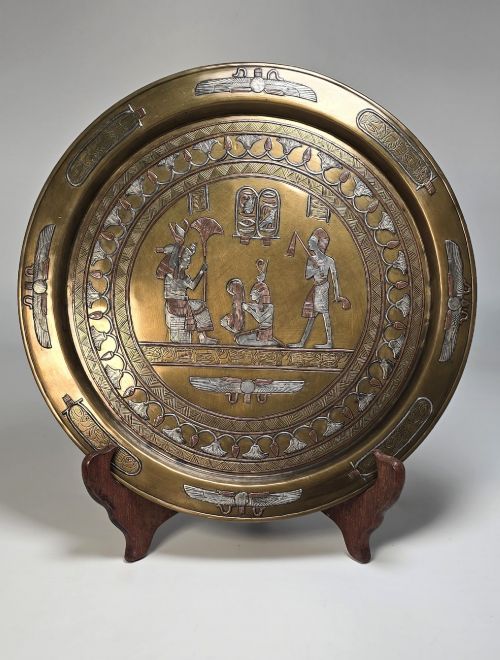
The selection includes circular and oval formats, often featuring raised detailed rims and engraved surfaces. Pieces originate from periods such as eighteen sixty, nineteen hundred, and nineteen thirty, alongside regional variations including Egyptian Grand Tour Cairo Ware and Kashmiri copper work.
Victorian and Edwardian iterations dominate the available forms, showcasing generous proportions and intricate embossed scrolls. These items serve both as practical serving vessels and decorative chargers within a modern interior.
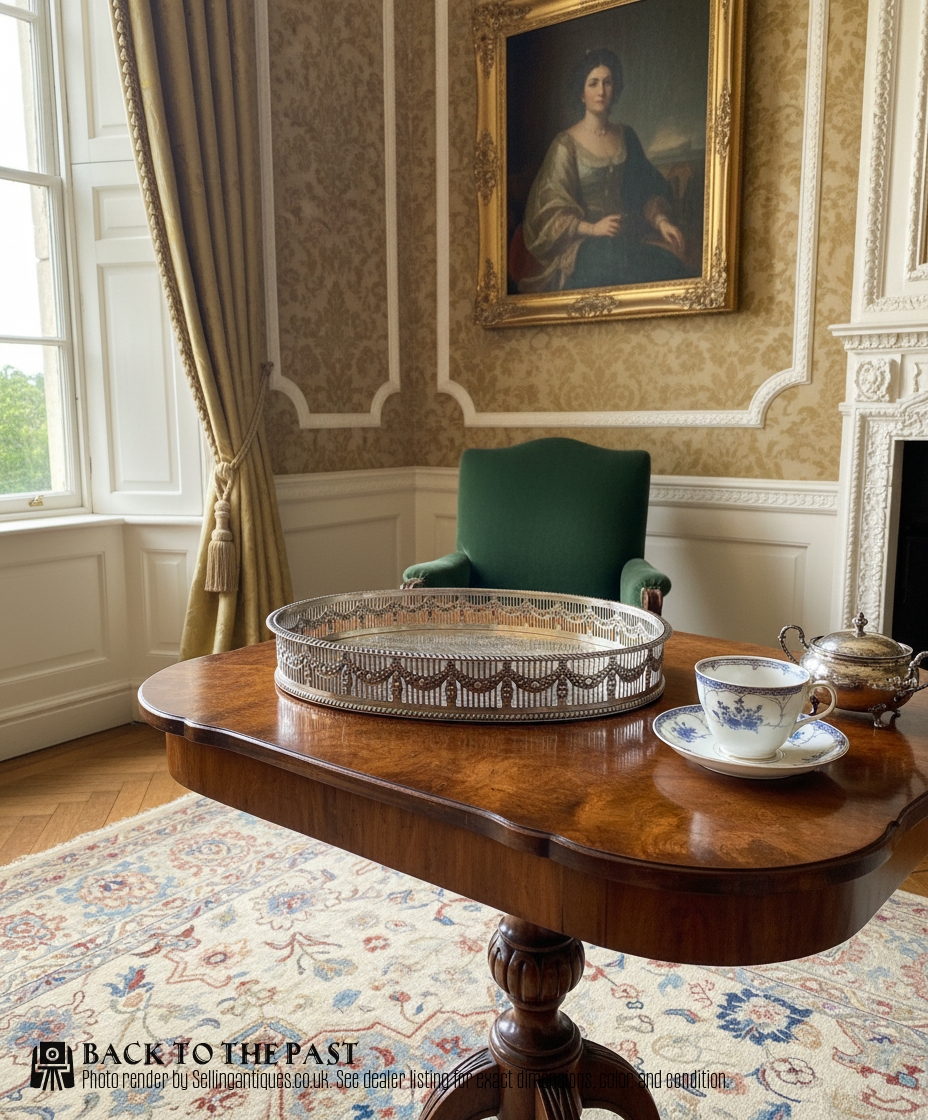
Materials and construction
Construction relies upon base metals such as copper, brass, and electroplated nickel silver, which receive a coating of silver plate. Artisans utilise techniques including repoussé work, chasing, and silver inlay to decorate the metallic surfaces.
Surface decoration involves hammering from the reverse in repoussé or sinking details from the front through chasing, creating low relief scrolls and patterns. Regional pieces incorporate copper or brass foundations finished with silver plating or intricate metal inlay.
Chased Silver Plated Tray Retail Price Guide 2026
Typical asking prices for chased silver plated tray among the pieces listed under this phrase on Sellingantiques today, from the lower quarter to the upper quarter. They describe what is for sale here now, not the wider market.
The inventory includes items from the nineteenth century, nineteen hundred, nineteen thirty, and later periods, utilising silver plate, copper, brass, and EPNS.
Assessing quality
Quality rests upon the crispness of the chased and embossed decoration, where deeper, more deliberate hand-worked scrolls distinguish finer items from simpler production. The weight of the metal and the integrity of the underlying silver plate determine the durability and tactile presence of the piece.
Proportion and balance define the superior examples, particularly in larger Victorian and Edwardian serving trays where rim detail and surface engraving align harmoniously. Finer items retain clear definition in their raised rims and engraved surfaces, whereas lesser pieces exhibit softer, shallower stampings.
The Chased Silver Plated Tray Glossary
- Chased
- Metalwork decorated by hammering or pushing the front surface to sink the design without removing material. This technique creates low relief patterns and textured backgrounds on the metal.
- Repoussé
- Metalwork shaped by hammering from the reverse side to form raised designs on the front. It frequently appears alongside chasing to achieve high contrast depth.
- Salver
- A flat tray used for serving drinks or presenting items, typically manufactured in silver or silver plate. These objects often feature raised rims and rest on small feet.
- EPNS
- Electroplated Nickel Silver, denoting a base metal alloy of copper, nickel, and zinc coated with a layer of silver through electrolysis. This material became standard for durable tableware from the nineteenth century onward.
- Grand Tour
- Cultural travel undertaken by wealthy Europeans during the nineteenth century, acquiring souvenirs such as regional metalwork and chargers. Items from these travels often reflect local craft traditions adapted for foreign collectors.
Chased Silver Plated Tray: Frequently Asked Questions
How do I clean a silver plated tray?
Use a soft cloth and a specialised silver polish designed for plated items to maintain the shine without removing the thin silver layer.
Avoid harsh abrasives or chemical dips, as these can strip the silver plate entirely and damage the chased details.
Are these trays suitable for daily use?
Many pieces function well for serving drinks or displaying objects, provided they are handled with care and dried thoroughly after cleaning.
Heavily chased or antique pieces benefit from gentle treatment to preserve the integrity of the silver plating and the embossed decoration.
How can I tell Victorian from Edwardian trays?
Victorian examples often display heavier, more elaborate ornamentation with deep scrolling, reflecting the ornate tastes of the mid to late nineteenth century.
Edwardian pieces tend toward lighter, refined proportions and symmetrical detailing, influenced by changing aesthetic standards around nineteen hundred.
What is Cairo Ware?
Cairo Ware refers to metalwork produced in Egypt during the late nineteenth century, often marketed toward European travellers on the Grand Tour.
These pieces typically feature contrasting metal inlay work on copper or brass bases, creating intricate geometric and floral patterns.