



Vintage Bar Cart Tray
These vintage bar cart tray designs combine practical serving surfaces with period charm, offering a versatile centrepiece for entertaining.
Vintage Bar Cart Tray
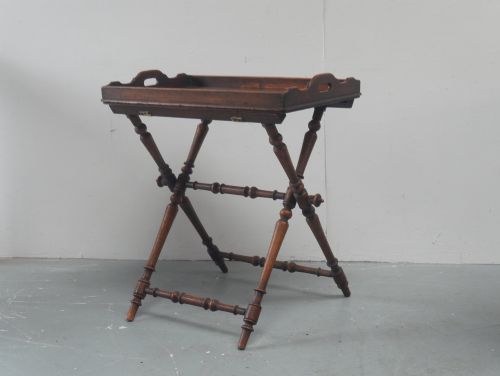
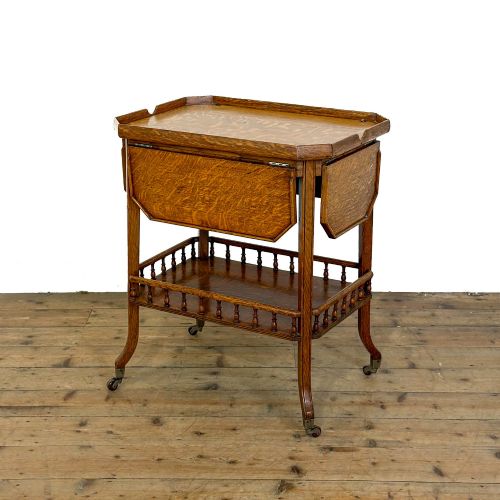
A vintage bar cart tray serves both practical hosting needs and decorative display purposes, appearing across multiple eras from the George III period through to mid-century modern design. These pieces function independently as serving implements or integrate directly into tea trolleys and bar carts as removable tops.
The selections available here showcase significant variety in both form and origin, spanning Edwardian oak pieces, silver plated gallery trays, and modernist cocktail designs. Buyers will encounter serving trays, butler tray tables with stands, and specialised drinks trolley inserts spanning from the nineteenth century into the twentieth century.
Construction and materials
Construction relies heavily on traditional timber working, utilising solid mahogany and oak alongside ebonised finishes to build sturdy frames and raised rims. These wooden elements frequently incorporate inlaid details or function alongside removable surfaces designed for easy transport.
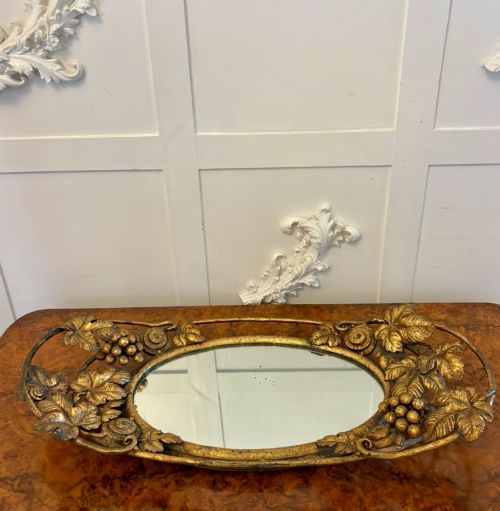
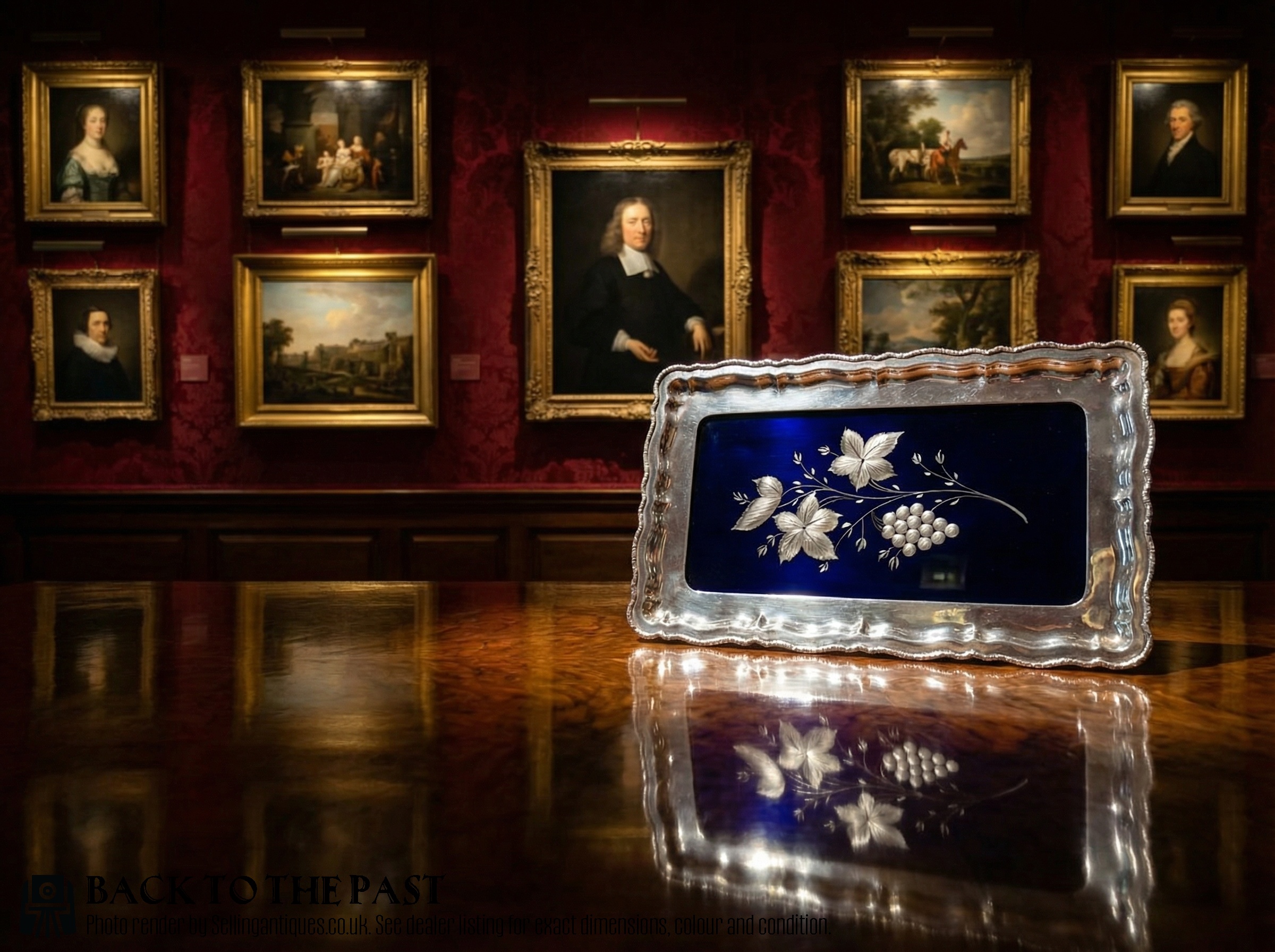
Metalwork and glass form the other primary pillar of manufacture, utilising silver plate, EPNS, and gilt metal alongside mirrored or cobalt blue glass bases. Artisans shaped these materials into gallery edges and decorative motifs such as grape vine borders or novelty character depictions.
Vintage Bar Cart Tray Retail Price Guide 2026
Typical asking prices for vintage bar cart tray among the pieces listed under this phrase on Sellingantiques today, from the lower quarter to the upper quarter. They describe what is for sale here now, not the wider market.
Assessing quality and craftsmanship
Quality reveals itself in the integration of materials, such as the precise fit of a removable wooden tray within its wheeled stand or trolley frame. Superior examples demonstrate careful joinery in mahogany and oak pieces, alongside crisp detailing in silver plated gallery borders and engraved surfaces.
Maker attribution and decorative ambition further elevate certain pieces above standard utility items, seen in named silver-smithing firms or distinctive thematic designs. The presence of specialised glass inserts, such as cobalt blue mirrors, distinguishes more elaborate production from simpler domestic wares.
Asprey London
The Vintage Bar Cart Tray Glossary
- Gallery tray
- A serving tray featuring a raised pierced or solid metal border designed to prevent items from sliding off during transport.
- Butler tray
- A portable wooden tray, often featuring hinged or cutout handles, traditionally paired with a folding X-frame stand.
- Silver plate
- A base metal such as copper or nickel alloy covered with a thin layer of silver through electroplating or older techniques.
- EPNS
- Electroplated Nickel Silver, a common base material for silver-plated domestic items produced throughout the nineteenth and twentieth centuries.
- Two tier trolley
- A serving cart featuring two distinct horizontal surfaces stacked vertically to maximise storage and transport capacity.
Vintage Bar Cart Tray: Frequently Asked Questions
How do I use a vintage tray?
These pieces function traditionally for serving drinks and afternoon tea, or as stationary display surfaces on sideboards and coffee tables. Many designs include removable sections that lift directly from trolleys to serve guests.
Their robust construction in timber and silver plate allows for regular domestic use while adding period character to modern interior spaces.
Are tray tables stable?
Butler tray tables and trolley stands utilise braced wooden frames designed to support weighted loads of glassware and bottles securely. Models with wheels incorporate locking mechanisms or balanced chassis to prevent rolling during service.
Checking the joint connections on older stands ensures long-term stability when moving loaded trays across carpeted or hard floors.
How do I date these pieces?
Dating relies on identifying stylistic markers such as Edwardian inlay work, George III proportions, or Art Deco geometric motifs. Materials like EPNS and specific silver hallmarks offer further chronological reference points.
Construction techniques, including hand-cut dovetails or specific screw types, help distinguish nineteenth-century examples from mid-century modern productions.
Can I mix wood and metal?
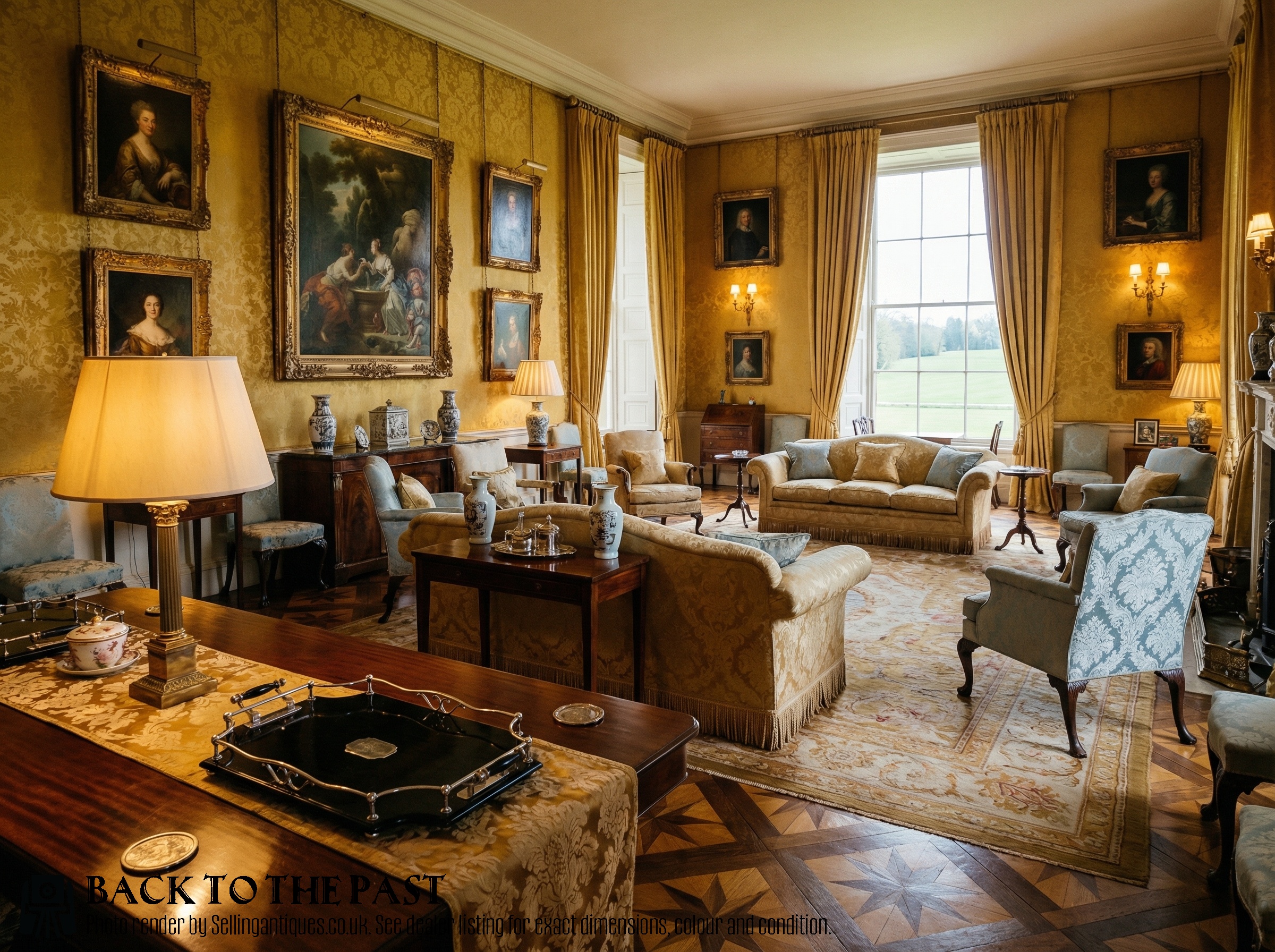
Combining oak or mahogany trays with silver plated accessories creates a layered interior aesthetic that spans different historical periods. The natural warmth of timber complements the reflective qualities of polished metal and glass.
Matching the finish quality rather than the exact material ensures a cohesive display across bar carts and serving trolleys.