


Antique Cocktail Tray
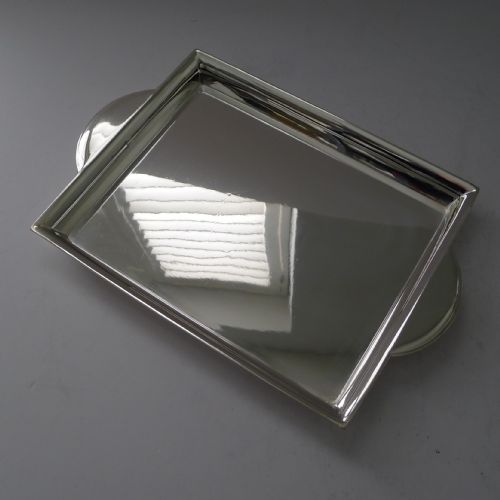
An antique cocktail tray brings hospitality into focus, offering a surface designed to hold glassware, bottles and decanters with period distinction.
Antique Cocktail Tray
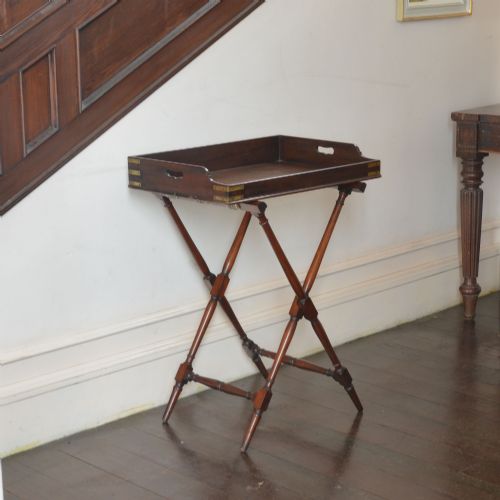
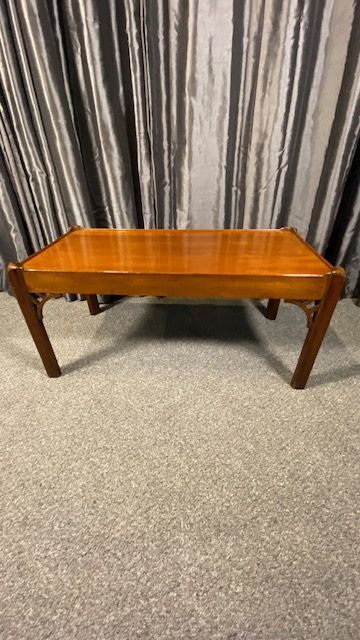
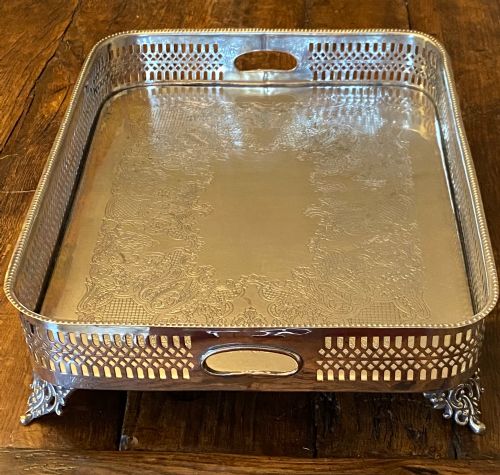
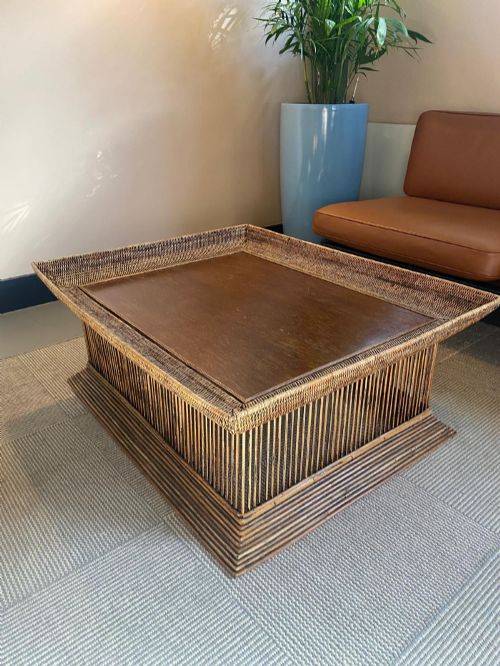
When searching for an antique cocktail tray, buyers encounter flat serving pieces, galleried salvers and removable tray tops resting on dedicated stands or coffee tables. These pieces originate from periods spanning the Victorian and Edwardian eras through to the Art Deco design movement of the 1930s.
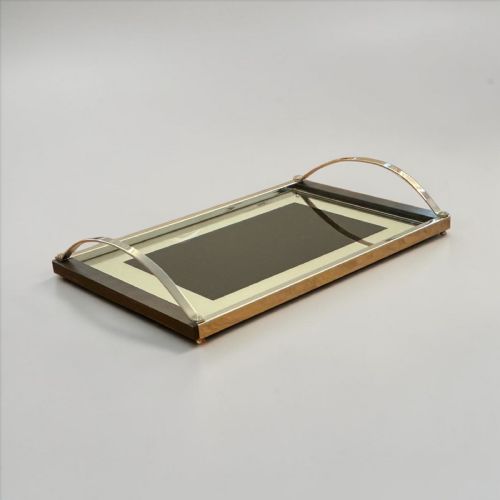
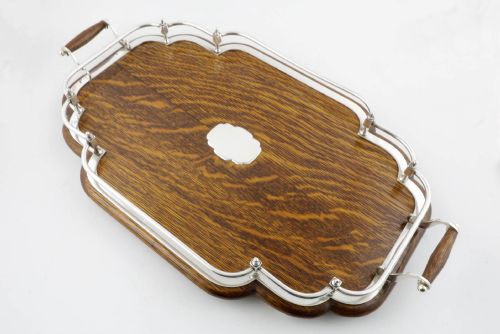
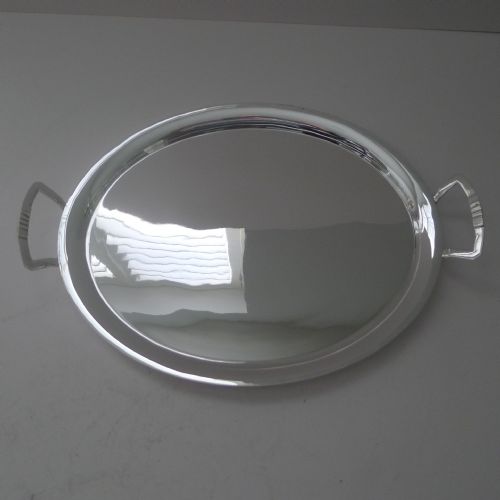
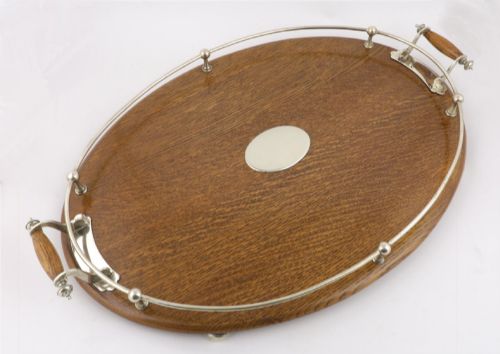
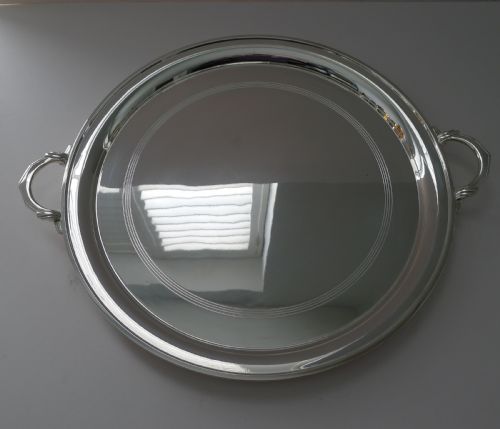
The most common versions met on this page include silver plated metal trays with decorative borders, mirrored glass surfaces framed in wood, and oak trays fitted with raised metal galleries. Many examples double as occasional tables or barware components designed for serving drinks in domestic settings.
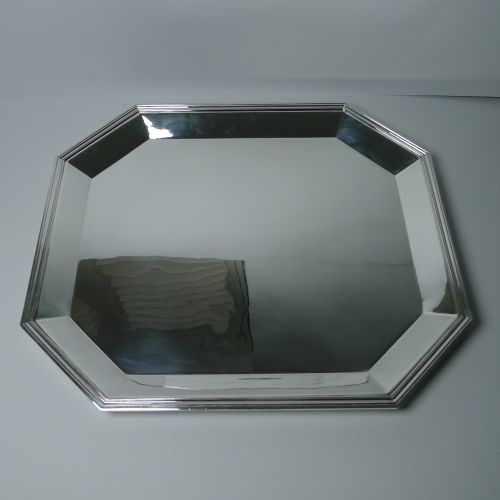
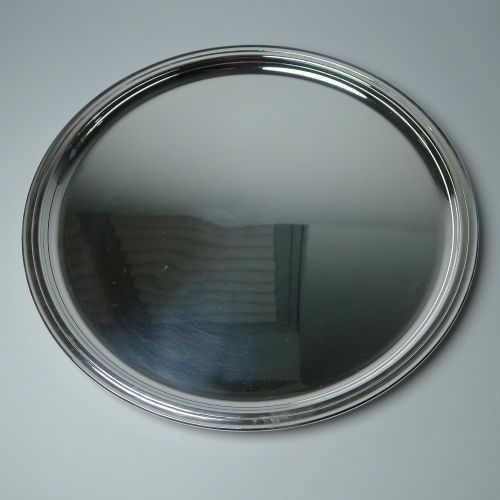
Forms range from simple circular and oval platters to octagonal, square and diamond shapes. Some pieces incorporate handles, shell borders or engraved scrollwork, reflecting the formal entertaining habits of their respective decades.
How they were made
Makers utilised silver plate over base metals, sterling silver, and solid woods such as mahogany, oak and walnut. Metal galleries and handles were securely attached to wooden bases, while mirrored glass trays often utilised wooden veneers or brass frames for structural support.
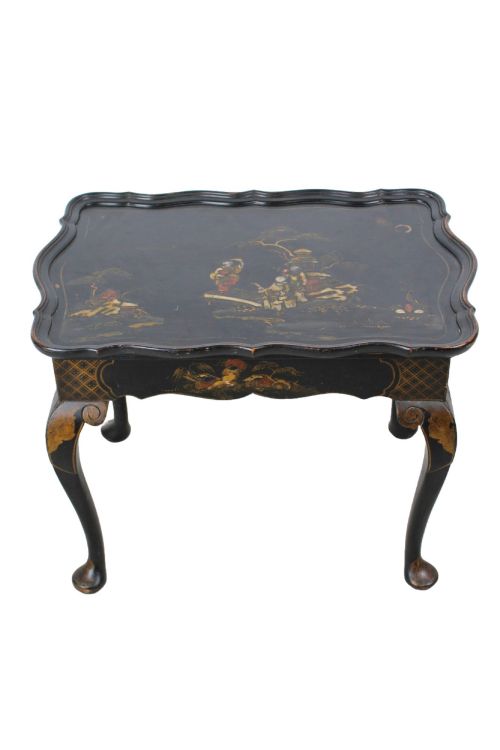
Surface decoration involved hand engraving, etching on Venetian cut glass, and hand painted lacquer work seen in Chinoiserie and Japanese pieces. Silver plated items received embossed scrolls, shell motifs or plain polished finishes depending on the prevailing aesthetic of the workshop.
Antique Cocktail Tray Retail Price Guide 2026
Typical asking prices for cocktail tray among the pieces listed under this phrase on Sellingantiques today, from the lower quarter to the upper quarter. They describe what is for sale here now, not the wider market.
Listings feature materials spanning silver plate, walnut, mahogany, brass, chrome, and mirrored glass across the Victorian, Edwardian, and Art Deco periods.
What varies in quality
The distinction between tiers rests upon the weight of the metal, the clarity of the silver plating, and the integrity of the joinery between wood and gallery. Heavier silver plate and substantial timber frames indicate superior manufacturing standards from established makers.
Refinement in decorative detailing separates standard production from exceptional examples, visible in crisp engraving, hand-cut mirror glass, and robust handles securely anchored to the tray body.
Mappin & Webb·Christofle·Hukin & Heath·J B Chatterley & Sons·Walker & Hall·James Dixon & Sons·John Collyer & Co.·Frank Cobb & Co.·Asprey London·William Hutton·Martin Hall·Daniel and Arter·John Grinsell
The Antique Cocktail Tray Glossary
- Gallery
- A raised rim or railing fitted around the edge of a tray to prevent bottles and glasses from sliding off. These fixtures are frequently pierced or pierced and cast in silver plate or brass.
- Salver
- A flat tray, usually made of silver or silver plate, traditionally used for presenting drinks or calling cards. They often feature footed bases and ornate engraved borders.
- Chinoiserie
- A European decorative style influenced by Chinese artistic traditions, characterised by lacquered surfaces and painted motifs. This style appears on trays and furniture from the Edwardian and earlier periods.
- Venetian cut glass
- Glassware featuring hand-cut decorative patterns, frequently used as mirrored inserts within decorative serving trays. It reflects light and glassware during cocktail service.
Antique Cocktail Tray: Frequently Asked Questions
How were cocktail trays used?
These trays served to transport glassware, decanters and bottles from storage areas to living spaces during gatherings. They functioned as portable drink stations on sideboards, tables or dedicated stands.
In many households, tray top tables allowed the entire serving surface to be lifted and moved as needed. This dual purpose accommodated both entertaining guests and everyday family life.
How do I date a silver plated tray?
Dating relies on stylistic markers such as Art Deco geometric shapes or Edwardian scrollwork, alongside manufacturer marks stamped into the metal. Comparing the border designs and handle construction to known production periods helps narrow down the decade.
Maker hallmarks and registration numbers provide further chronological anchors. Silver plating techniques also evolved from nineteenth-century Sheffield plate methods to twentieth-century electroplating.
What is a tray top table?
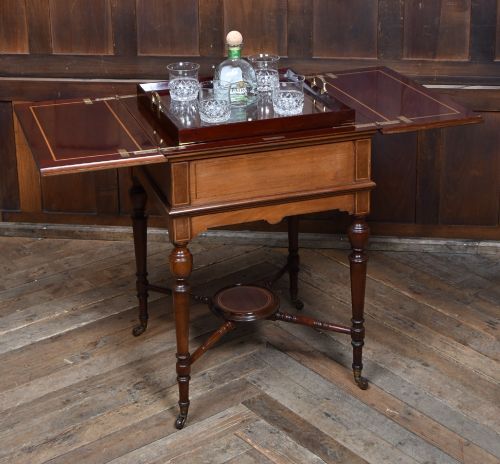
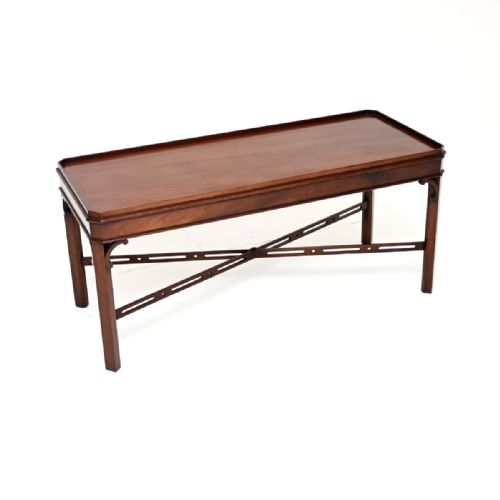
A tray top table consists of a removable serving tray resting on a folding or fixed wooden stand. This configuration provided flexibility for serving drinks and refreshments before returning the tray to its base.
Surviving examples feature mahogany, oak or walnut frames from the Edwardian and Georgian revival periods. The removable nature of the top distinguished them from standard coffee tables.
Can I use an antique tray for serving drinks today?
These trays handle modern glassware and bottles safely, provided the wooden bases and metal galleries remain structurally sound. Mirrored and silver plated surfaces wipe clean easily for contemporary entertaining.
Placing felt pads underneath heavy decanters protects delicate mirror glass and silver plated finishes from scratching during daily use.