


Edwardian Drinks Tray
An Edwardian drinks tray brings effortless hospitality into a room, offering a polished surface for glassware and decanters.
Edwardian Drinks Tray
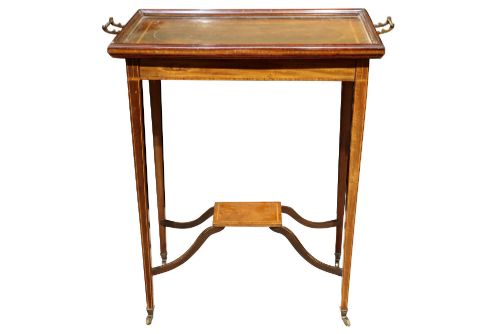
An edwardian drinks tray serves as a functional centrepiece for entertaining, emerging from periods of domestic refinement around the turn of the twentieth century. These objects range from portable wooden servers to framed metal platters designed to hold crystal decanters and glasses.
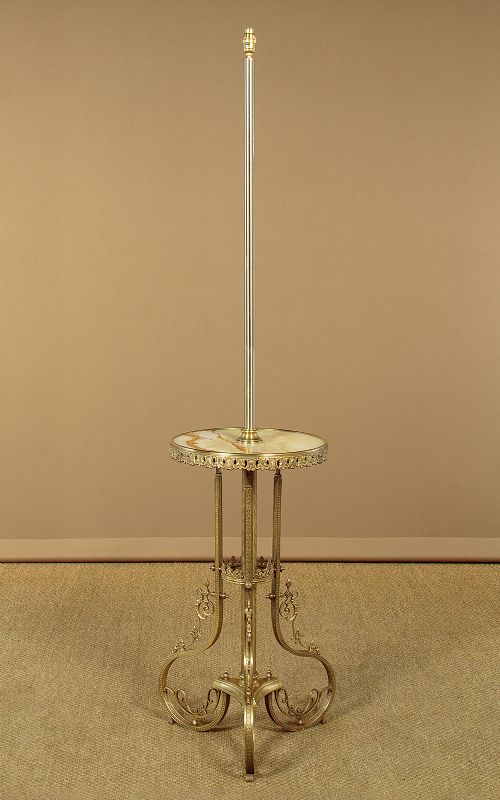
The selection on this page leans heavily towards Edwardian examples alongside Victorian and later pieces, spanning simple handled trays and elevated butler stands. Makers utilised mahogany, satinwood, silver plate and brass to create items meant for both formal drawing rooms and daily domestic use.
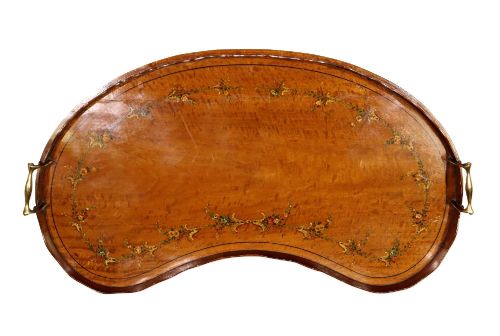
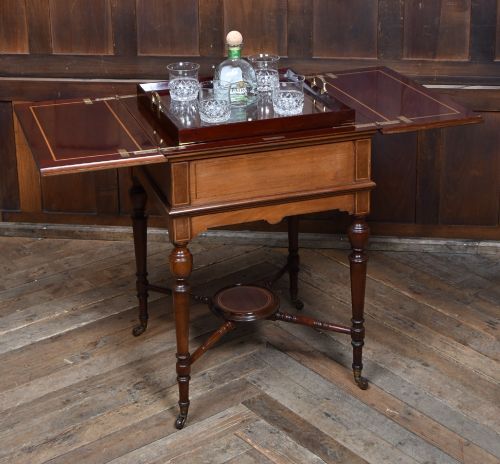
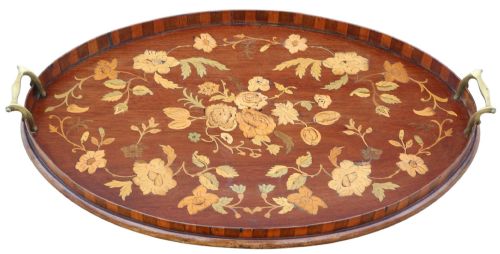
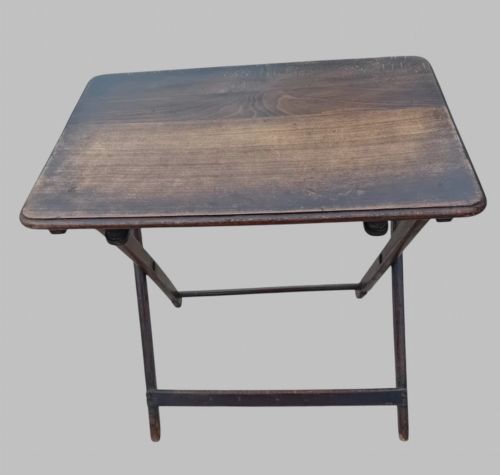
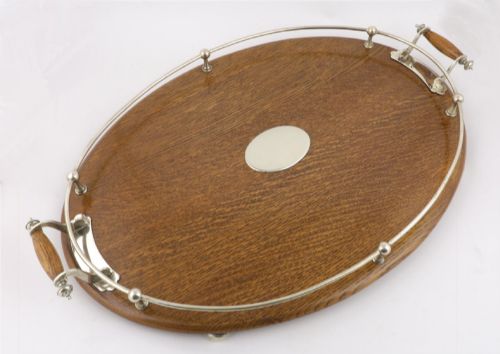
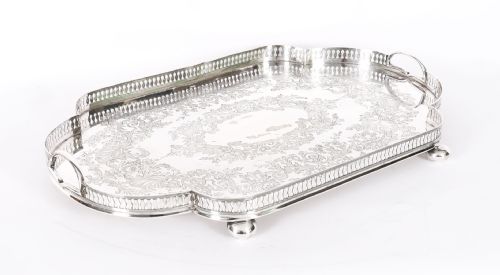
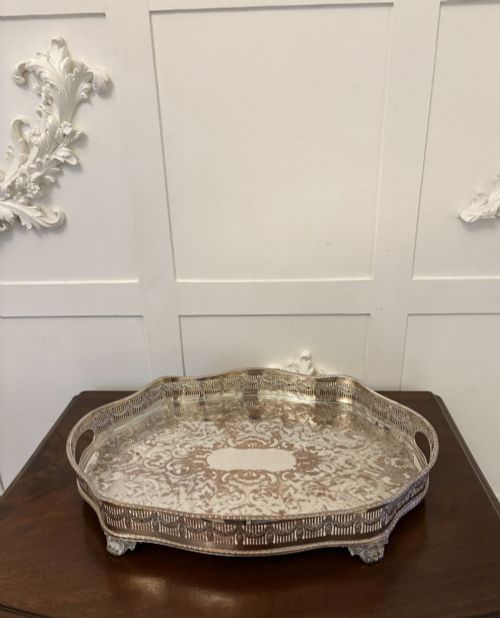
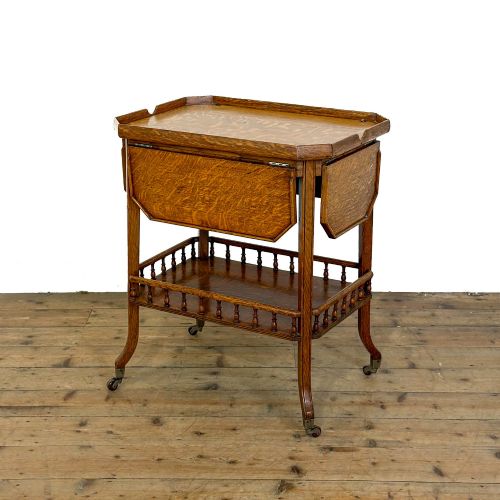
Variations in form include oval gallery trays with pierced borders, kidney-shaped marquetry boards and folding tray tables. Buyers will also encounter specialised pieces featuring mirrored bases or drop-flap serving stands designed for afternoon tea and cocktails.
How they were made
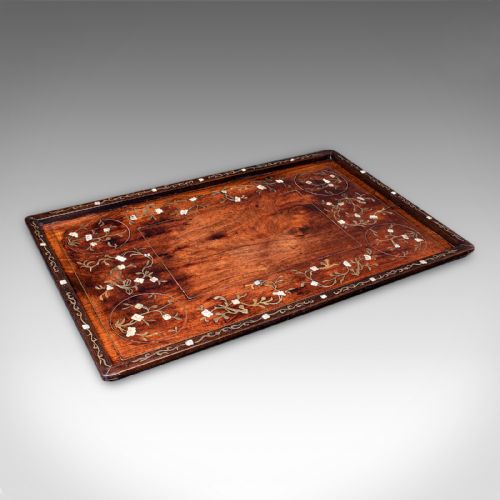
Craftsmen built wooden edwardian drinks tray frames using durable timbers like mahogany, walnut and oak, frequently enriching the surfaces with satinwood marquetry and shell inlay. Timber boards were shaped with raised edges or fitted with brass handles to secure glassware during transit.
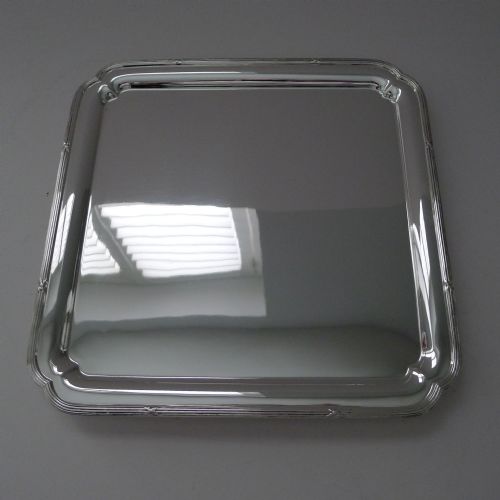
Metal versions relied on silver plating over base metals like copper or electroplated nickel silver, often incorporating pierced galleries or cast grapevine borders. Artisans soldered handles securely to the rims and engraved intricate foliate patterns into the central fields.
Edwardian Drinks Tray Retail Price Guide 2026
Typical asking prices for edwardian drinks tray among the pieces listed under this phrase on Sellingantiques today, from the lower quarter to the upper quarter. They describe what is for sale here now, not the wider market.
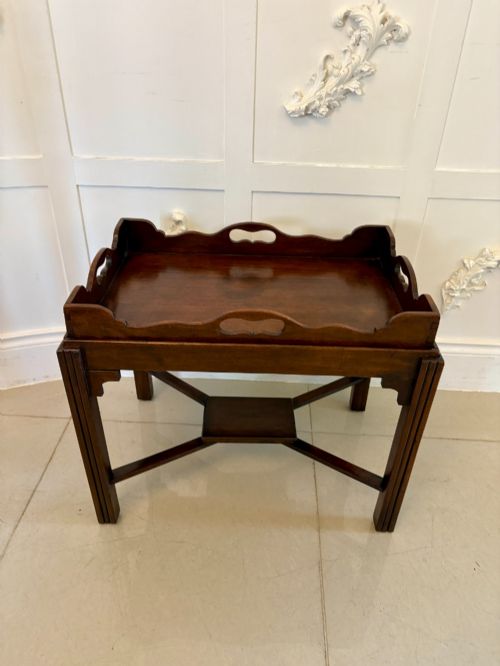
An antique butler tray brings quiet dignity to your gin and tonic.
What varies in quality
The distinction between standard utility items and superior examples lies in the crispness of the hand-engraving and the precision of the wood marquetry. Finer pieces demonstrate careful attention to joinery, substantial metal plating and well-balanced handles that feel secure in the hand.
James Deakin And Sons·William Hutton And Sons·Mappin And Webb·Edwards And Roberts
The Edwardian Drinks Tray Glossary
- Gallery tray
- A tray featuring a raised pierced metal or wooden border designed to prevent glassware from sliding off the edge. These borders can be solid or intricately pierced with geometric and floral motifs.
- Butler's tray
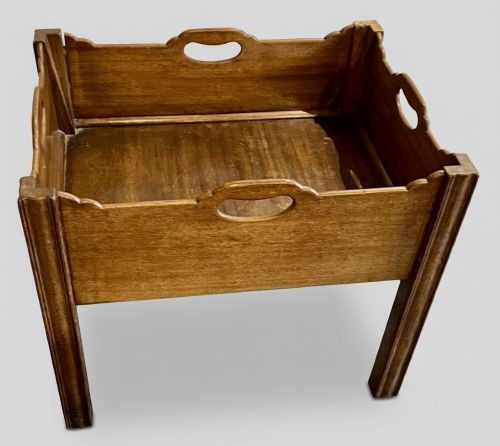
- A portable serving tray that lifts off a folding wooden stand to function as an occasional table. They often feature hinged flaps or strong carrying handles built into the sides.
- Marquetry
- The art of applying decorative pieces of veneer to a structure to form intricate picture designs or patterns. Craftsmen utilised contrasting woods like satinwood and mahogany to achieve visual depth.
- EPNS
- Electroplated nickel silver, a common base material for silver-plated items where a thin layer of pure silver is applied electrically. This technique allowed makers to produce bright metallic surfaces at a commercial scale.
- Salver
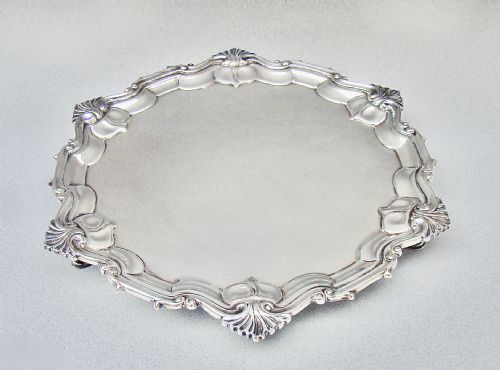
- A flat metal serving platter, typically circular with a raised edge or supported on small feet. They were traditionally used for serving drinks or presenting letters.
Edwardian Drinks Tray: Frequently Asked Questions
How do I use a drinks tray?
A drinks tray functions as a portable station for glassware, decanters and bottles, allowing you to serve guests easily across different rooms. Placed on an occasional table or a dedicated folding stand, it keeps barware organised and accessible.
Many antique examples feature sturdy handles and raised galleries specifically designed to secure bottles and crystal tumblers during movement. They transition smoothly from decorative living room accents to practical hosting accessories.
Are these trays water resistant?
Most antique wooden and silver-plated trays require careful management around moisture and condensation from cold glasses. Using coasters or linen mats helps protect polished mahogany and delicate marquetry from water rings.
Metal galleries and plated surfaces tolerate occasional liquid spills better, provided they are dried promptly after use. Regular maintenance preserves both the timber finish and the integrity of the silver plate.
How do I distinguish Edwardian from Victorian trays?
Edwardian pieces often display lighter timbers such as satinwood and brighter, airier Sheraton Revival inlay patterns. They tend to prioritize refined elegance and lighter constructions suited to early twentieth-century drawing rooms.
Victorian items frequently showcase heavier, darker mahogany or oak frames, sometimes accompanied by substantial silver-plated mounts. Decoration during the earlier period leans towards robust proportions and denser ornamentation.
Can I place a tray on a stand?
Trays fitted with dedicated stands, such as butler trays or campaign tables, offer flexible placement as freestanding side tables. The detachable nature of these boards means they lift off easily for serving duties.
When pairing a loose tray with an independent stand, ensure the dimensions align securely to prevent wobbling during use. Many period examples were specifically manufactured as complete sets with matching folding supports.