


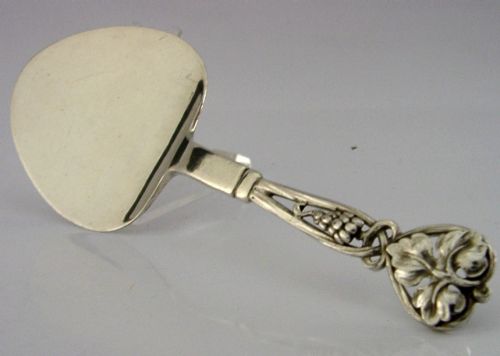
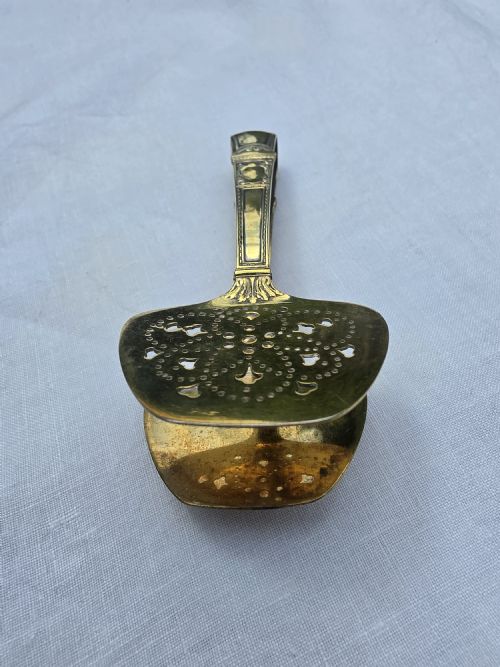
Vintage Silver Server
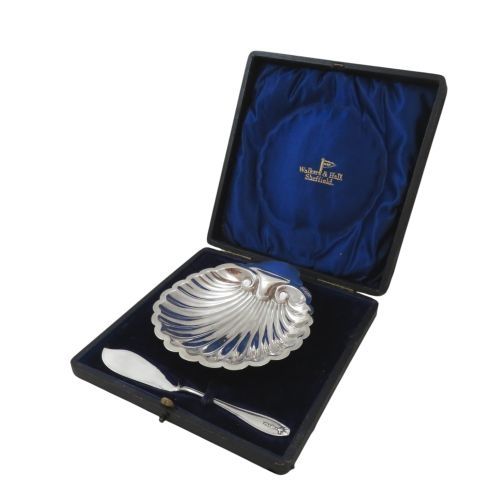
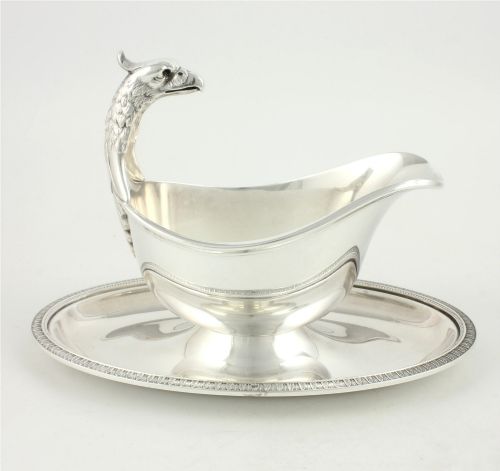
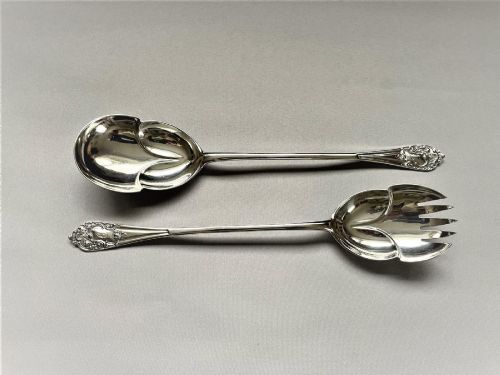
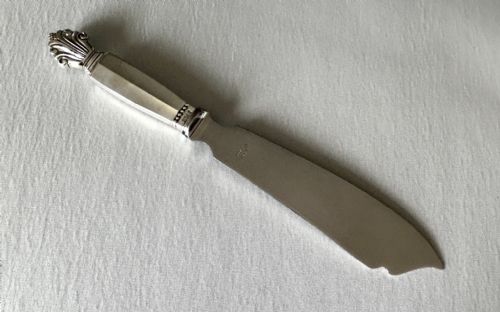
A vintage silver server brings historic elegance to the dining table, offering the right utensil for every course from pastry to asparagus.
Vintage Silver Server
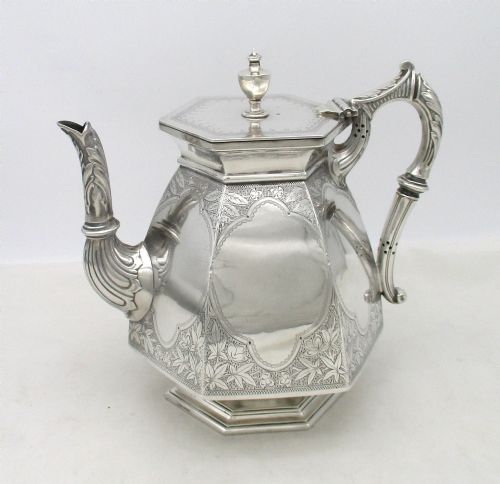
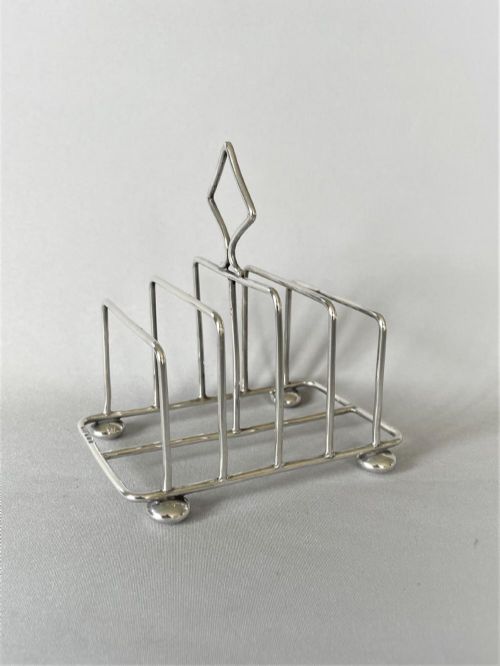
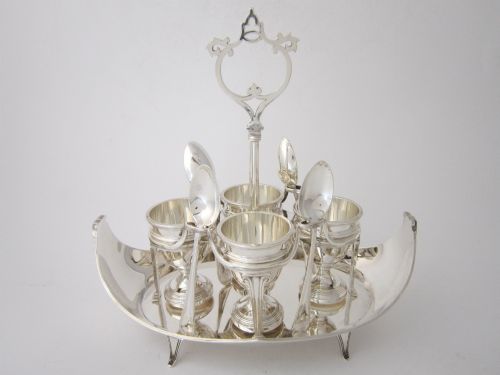
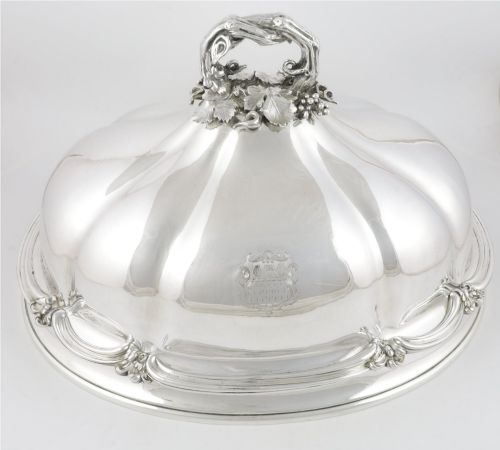
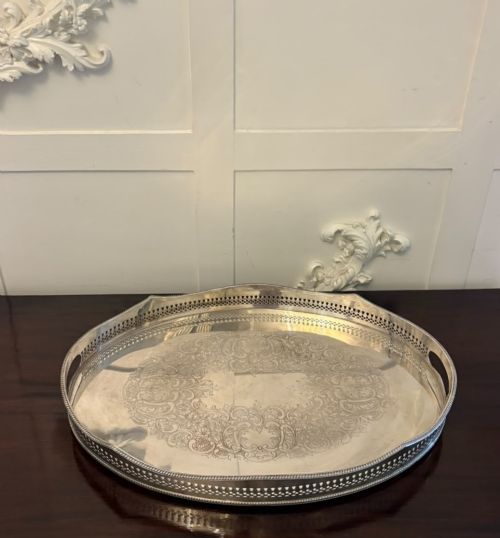
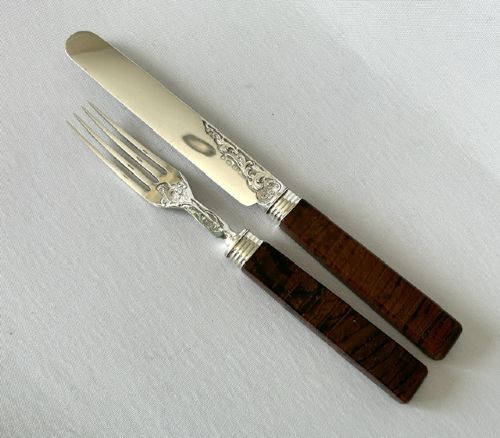
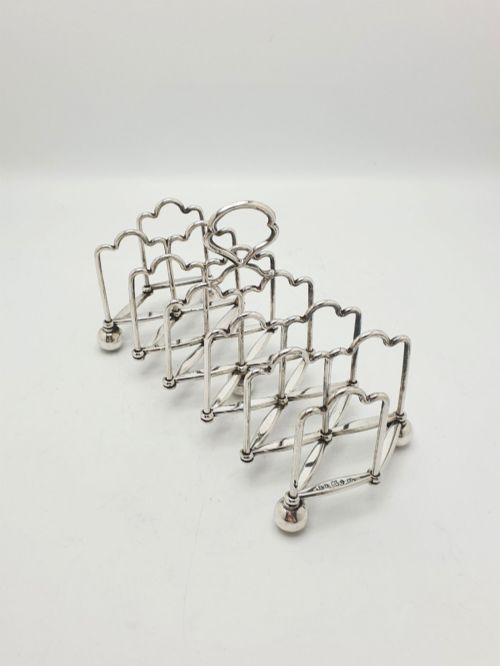
A vintage silver server encompasses a wide variety of serveware designed for specific culinary tasks, ranging from pastry slices and fish slices to asparagus tongs and ham bone holders. You will frequently encounter Edwardian and Georgian examples on this page, alongside pieces from the Victorian era and the 1920s.
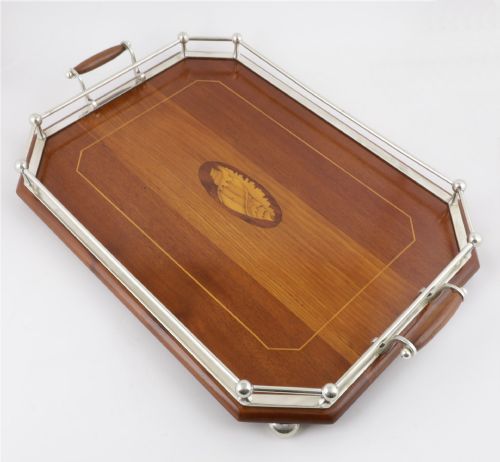
The selection ranges from sterling silver table accessories to durable silver plate and electroplated nickel silver items. Many of these utensils are accompanied by complementary materials like cut glass, wood, and ceramic liners.
Materials and Technique
Silversmiths utilised sterling silver and silver plate over base metals, often combining metalwork with cut glass, agate, and polished wood. Blades and tongs were frequently cast, pierced, or engraved by hand to achieve intricate patterns.
Makers employed techniques such as silver gilding, shell inlay, and rat tail finishing to strengthen handles and decorative joints. Glass bodies were often flashed with cranberry colour or cut deeply into geometric and floral motifs.
Vintage Silver Server Retail Price Guide 2026
Typical asking prices for vintage silver server among the pieces listed under this phrase on Sellingantiques today, from the lower quarter to the upper quarter. They describe what is for sale here now, not the wider market.
Markers of Quality
The standard of a vintage silver server is determined by the crispness of its hand-chased engraving and the structural integrity of its joints. Superior items show deep, clear hallmarks and balanced weight in the hand.
Attention to detail in auxiliary materials, such as heavy-gauge cut glass liners and securely fitted wooden bases, distinguishes finer workshop production from simpler commercial output.
Mappin & Webb·Georg Jensen·Roberts Cadman·Elkington·Christofle Gallia·WMF·Liberty & Co·Tiffany & Company·Goldsmiths & Silversmiths
The Vintage Silver Server Glossary
- Silver Plate
- A layer of silver applied to a base metal core such as copper or nickel silver. This technique allowed manufacturers to produce elaborate serveware at a more accessible cost.
- Sterling Silver
- An alloy containing a high proportion of pure silver combined with other metals for durability. British pieces typically carry standard hallmarks to verify this composition.
- Old Sheffield Plate
- An early method of fusing a thin sheet of sterling silver to a thicker copper base before rolling. This process creates a distinctive appearance visible where the silver layer wears thin.
- Cruet Set
- A matched collection of small bottles, jars, or castors designed to hold condiments at the table. They are frequently mounted in silver plated frames with handle supports.
Vintage Silver Server: Frequently Asked Questions
What is a silver server used for?
These utensils were created to serve specific foods at the dining table, including fish, pastry, cakes, and asparagus.
Many pieces were tailored for formal meals, assisting hosts in portioning dishes cleanly and gracefully.
How do I clean silver plate?
Wash the item gently in warm soapy water using a soft cloth, avoiding harsh abrasive dips that damage plated surfaces.
Dry the metal immediately with a soft towel to prevent water spots and maintain a natural polish.
Are these servers made of solid silver?
The listings include both sterling silver items and pieces made from silver plate over a base metal.
Maker marks and hallmarks stamped into the metal usually indicate the exact material composition.
How do I identify the period?
Stylistic clues such as Art Nouveau curves or Edwardian restraint offer initial hints regarding the date of manufacture.
Official hallmarks and stamped registry numbers provide precise chronological markers for British and European silver.