





Georgian Silver Coffee Pot
A georgian silver coffee pot brings the weight of eighteenth and nineteenth-century dining rooms directly to your table, offering a substantial vessel for serving hot brews.

Georgian Silver Coffee Pot
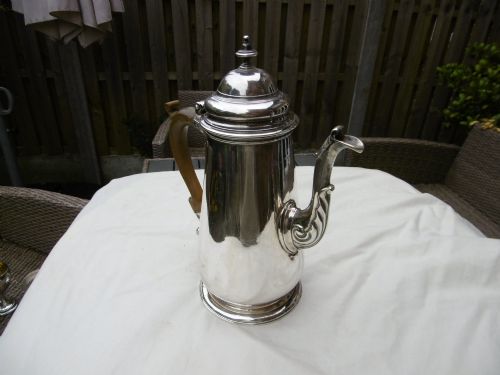
A georgian silver coffee pot is a tall, handled vessel designed for brewing and serving coffee during the eighteenth and nineteenth centuries. The examples gathered here span the 18th Century, Georgian, 19th Century, Regency, and William IV periods, showing how domestic hospitality evolved over generations.
Most pieces you encounter take the form of sterling silver or Old Sheffield Plate jugs, sometimes accompanied by matching stands or forming part of larger tea and coffee services. You will find items originating from London, Newcastle, and Birmingham workshops, alongside plated versions produced by regional makers.
The domestic role of these pots shifted from exclusive status symbols in wealthy households to broader dining accessories across the Regency era. Their varied capacities range from smaller bachelor pots designed for individual use up to large service jugs meant for family gatherings.
How they were made
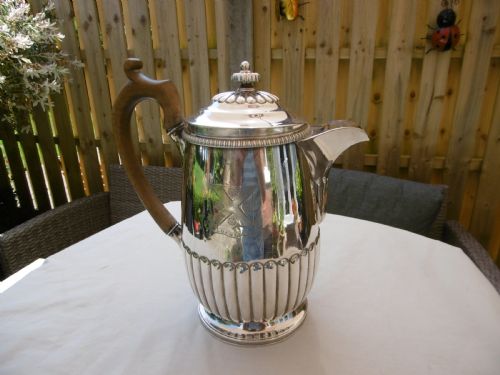
Silversmiths constructed sterling silver pots by hammering sheets of silver into hollowware bodies, then soldering handles, spouts, and feet securely in place. Handles frequently incorporated insulating spacers made of bone or wood to protect the hand from heat during pouring.
Makers working with Old Sheffield Plate fused a thin layer of sterling silver to a thicker copper core, creating durable vessels that offered the appearance of solid silver at a lower cost. Plated items often utilised applied silver wire borders around rims and bases to conceal exposed copper edges.
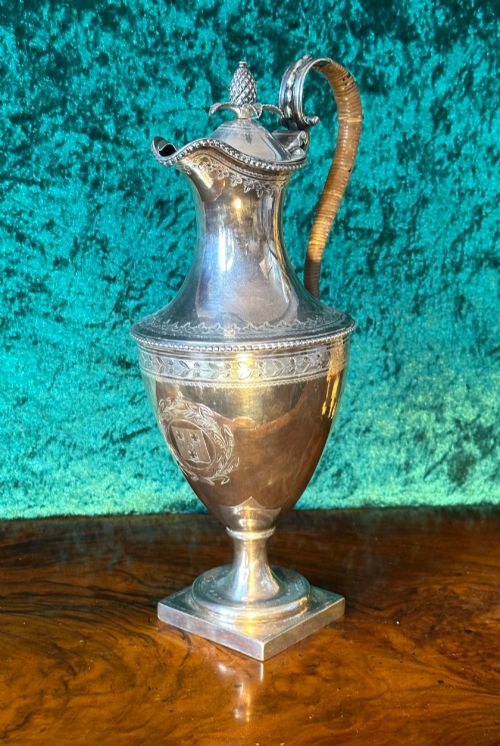
Decoration relied on hand chasing, engraving, and casting, with crests and armorial bearings added to personalize the vessel for the original owner. Workshops utilised wooden insulating grips and wicker wrapping on handles to combine practicality with decorative contrast.
Georgian Silver Coffee Pot Retail Price Guide 2026
Typical asking prices for georgian silver coffee pot among the pieces listed under this phrase on Sellingantiques today, from the lower quarter to the upper quarter. They describe what is for sale here now, not the wider market.
Some eighteenth-century coffee pots feature bird motifs and crests that hint at the domestic arguments brewed alongside the morning drink.
What varies in quality
The weight and thickness of the metal establish the baseline quality of any vessel, with heavier sterling examples demonstrating greater substance and durability. Lighter pieces or worn plated items reveal the underlying copper core where silver has worn thin through centuries of polishing.
The clarity and legibility of hallmarks and maker's marks indicate the care taken during production and help confirm the provenance of the piece. Crispness in chased floral motifs and securely fitted handles reflect the skill of the silversmith behind the work.
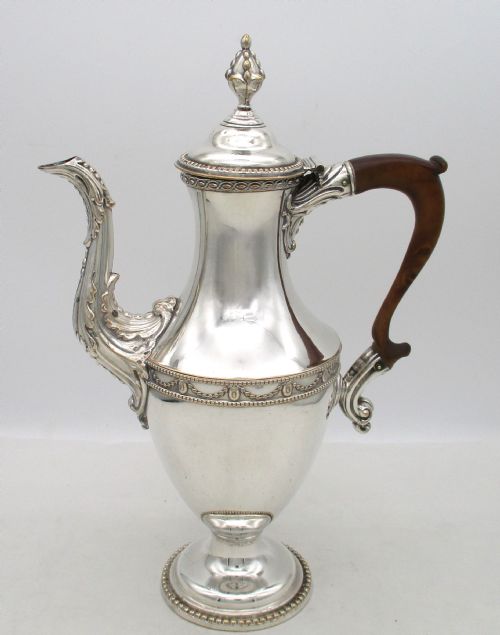
Proportion and balance define the visual success of the design, from the sweep of the spout to the angle of the wooden handle. Intact original components, such as matching lids and period insulators, preserve the integrity of the piece more effectively than later replacements.
Richard Gurney·Matthew Boulton·Edward Power·Joseph Craddock·Paul Storr·John Hoyland·Samuel Knight·Elkington and Co
The Georgian Silver Coffee Pot Glossary
- Sterling Silver
- An alloy comprising ninety-two point five percent silver and seven point five percent other metals, typically copper, chosen for strength and durability. This standard was legally enforced by assay offices across Britain.
- Old Sheffield Plate
- An early fusing technique where a sheet of silver is melted onto a copper ingot before being rolled into sheets for manufacturing. This method preceded electroplating and produced durable wares with characteristic copper edges.
- Hallmark
- A series of stamped symbols indicating the purity of the metal, the assay office, the date letter, and the maker's mark. These marks provide definitive evidence of origin and age.
- Biggin
- A tall coffee pot fitted with an internal wire basket or bag for holding coffee grounds during brewing. They often sat upon dedicated metal stands equipped with spirit burners.
- Bachelor Pot
- A smaller version of a standard coffee pot produced for individual use or smaller households. These compact vessels retain the full decorative detail of their larger counterparts.
Georgian Silver Coffee Pot: Frequently Asked Questions
How do I date a silver coffee pot?
You date a piece by reading the stamped hallmarks on the base or body, which include specific date letters assigned by regional assay offices like London or Newcastle.
Stylistic cues such as the profile of the body, the shape of the wooden handle, and the engraving style also help narrow down the decade of production.
Can I still use these pots for serving coffee?
Many sterling silver and plated pots remain structurally sound and watertight, making them suitable for occasional table service if handled with care.
Silver conductors transfer heat quickly, and older soldered joints or bone insulators require gentle cleaning and hand washing rather than modern dishwashers.
What is the difference between silver plate and sterling?
Sterling silver consists of solid precious metal throughout the entire body of the vessel, meeting strict legal standards for purity. Old Sheffield Plate uses a thin veneer of silver fused over a base metal core of copper.
Why do some handles have wooden inserts?
Wooden or bone sections inserted into metal handles act as thermal insulators to prevent heat from transferring from the boiling liquid to the handler's hand.
These natural materials also added a contrasting texture and visual warmth to the polished silver surface.