


Silver Plated Hollowware
Silver plated hollowware brings together substantial serving vessels and table items from the eighteenth, nineteenth, and early twentieth centuries.

Silver Plated Hollowware
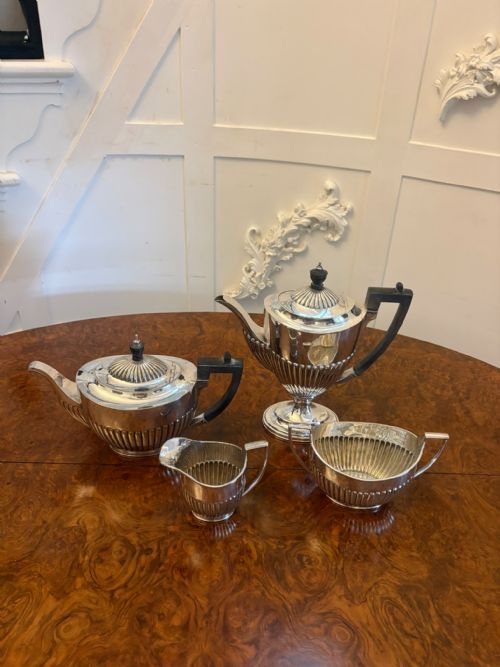
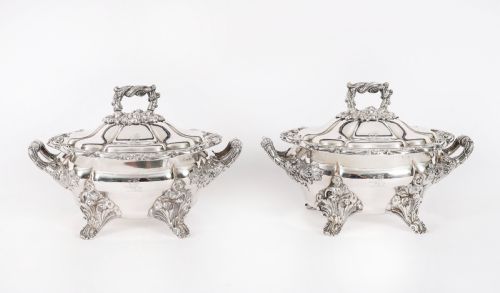
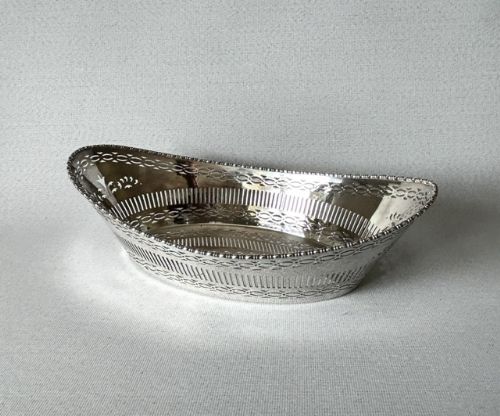
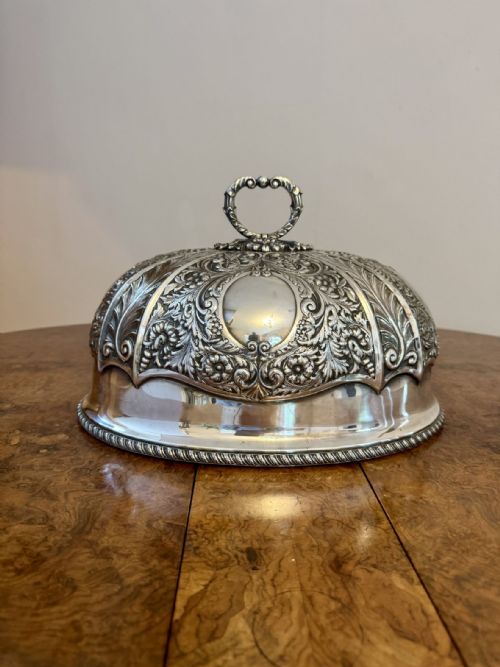
Silver plated hollowware comprises three-dimensional dining and serving items such as coffee pots, tea sets, meat domes, sauce tureens, and baskets. The selection spans distinct periods including Georgian, Victorian, Edwardian, and Art Deco, reflecting shifting dining habits over two centuries.
Buyers regularly encounter Old Sheffield Plate alongside later electroplated nickel silver and standard silver plate pieces. Forms range from utilitarian gravy warmers and asparagus dishes to decorative bread baskets and wine flagons.
Items originate from English workshops as well as continental makers, displaying styles from restrained classical lines to ornate rococo revival ornamentation.
Materials and construction methods
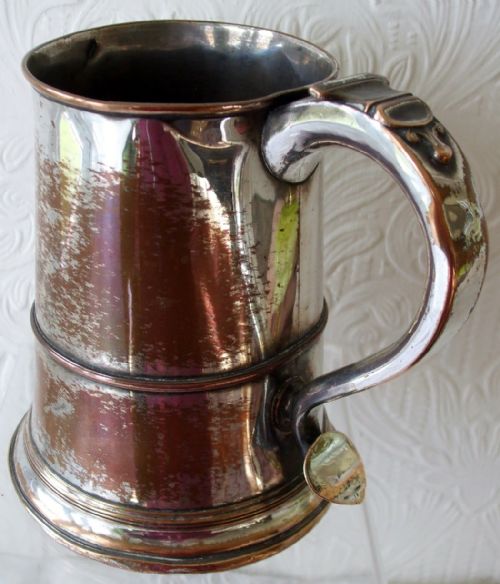
Early items utilise Old Sheffield Plate, a technique fusing a thin sheet of silver to a thicker copper base. Later Victorian and Edwardian pieces employ electroplating, depositing silver onto base metals like EPNS or copper.
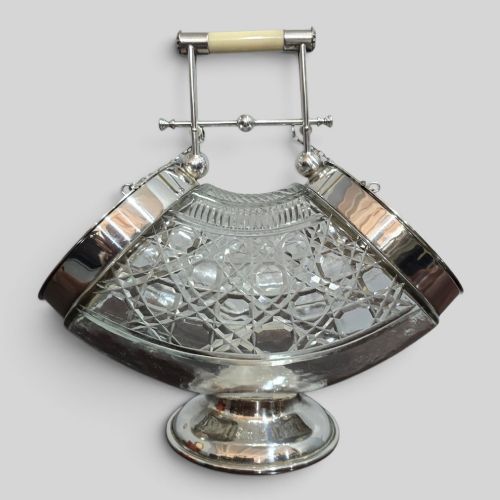
Detailing often incorporates applied cast mounts, chasing, and hand-cut hobnail glass inserts, whilst handles sometimes utilise wood or ebony insulation.
Silver Plated Hollowware Retail Price Guide 2026
Typical asking prices for silver plated hollowware among the pieces listed under this phrase on Sellingantiques today, from the lower quarter to the upper quarter. They describe what is for sale here now, not the wider market.
Victorian ingenuity produced curious items like spoon warmers shaped like nautilus shells and gravy warmers engineered to hold boiling water.
What dictates quality
Quality rests upon the preservation of the original plating layer and the crispness of chased or engraved detailing. Pieces retaining heavy copper telegraphing where the underlying metal shows through sit lower in the hierarchy than those with intact silver surfaces.
The weight of the vessel, the balance of cast handles, and the integrity of maker marks or crests further distinguish standard production from exceptional workshop output.
Roberts Cadman·Mappin And Webb·Padley Parkin And Staniforth·Thomas Bradbury·Elkington·Brille Paris·Christofle Gallia
The Silver Plated Hollowware Glossary
- Old Sheffield Plate
- An early manufacturing method fusing silver and copper together before shaping. Items made this way often reveal faint copper lines at the cut edges.
- EPNS
- Electro Plated Nickel Silver. This foundation metal became common during the nineteenth century after chemical plating processes replaced earlier fusing methods.
- Argyle
- A specialised gravy warmer featuring an internal compartment for hot water. This design kept sauces warm during lengthy dining sessions.
- Meat Dome
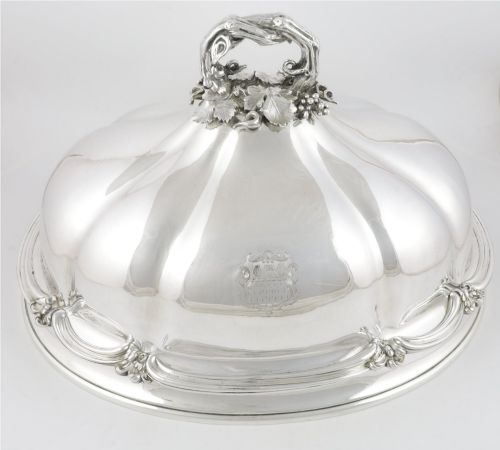
- A large domed cover used to keep roast joints warm on the table. These substantial pieces frequently display crests or engraved family arms.
- Hollowware
- A term for three-dimensional vessels such as pots, baskets, and tureens. It separates these items from flatware like spoons and forks.
Silver Plated Hollowware: Frequently Asked Questions
How do I clean antique silver plate?
Use a soft cloth and a specialised silver cream designed for plated items. Avoid harsh dips that strip the remaining silver layer from the base metal.
Wash pieces in warm soapy water and dry them immediately to prevent tarnishing and water spots from forming on the surface.
What is Old Sheffield Plate?
Old Sheffield Plate is an early composite material made by fusing a thin sheet of silver onto a copper ingot. Smiths then rolled the combined metals into sheets to form vessels.
This method predates electroplating and leaves characteristic copper edges where the base metal shows beneath the silver.
Can I use these items daily?
Many serving pieces remain entirely functional for modern dining and entertaining. Items like coffee pots, baskets, and entree dishes suit contemporary tables well.
Hand washing is essential to preserve the finish, and abrasive scrubbers should be kept away from the antique surfaces.
How do I identify the date?
Date identification relies on maker marks, stylistic clues, and manufacturing techniques. Georgian and early nineteenth-century pieces often show Old Sheffield construction methods.
Edwardian and later items typically feature electroplated marks and heavier cast ornamentation reflecting the tastes of their specific decade.