
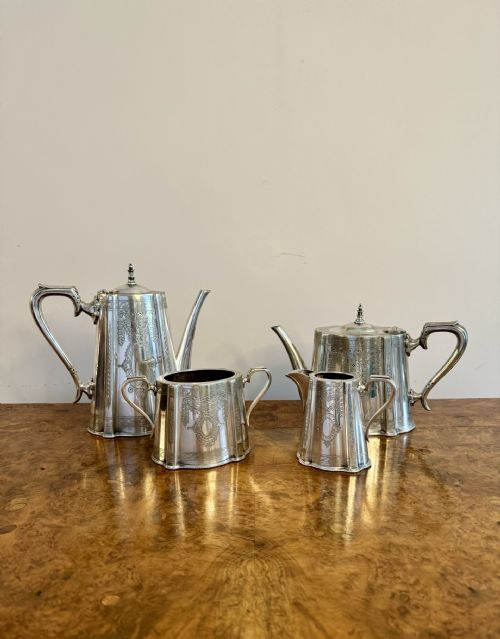
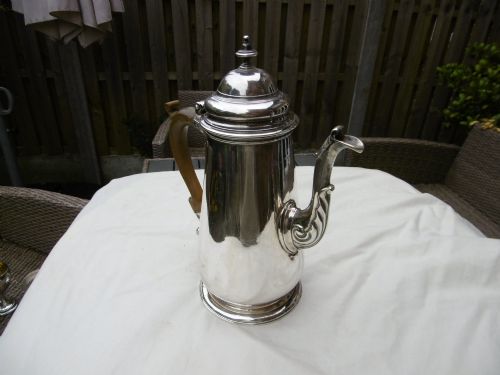
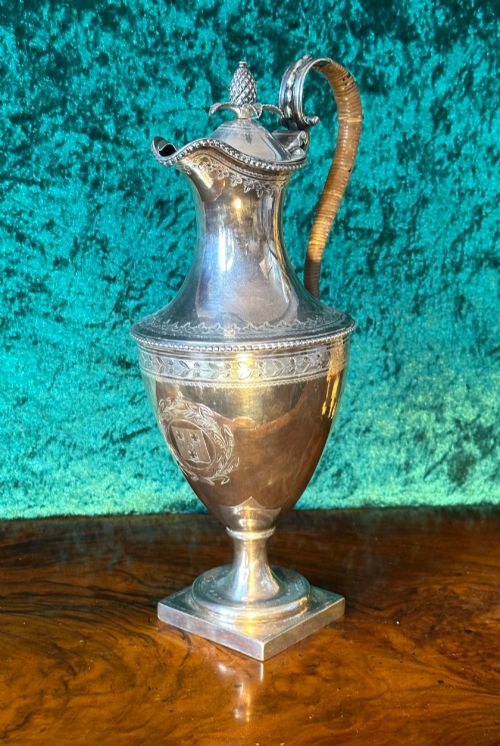

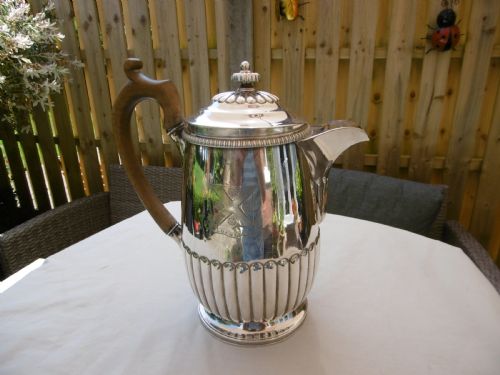


Silver Hot Water Pot
These silver hot water pot pieces combine domestic utility with gleaming metalwork, offering an elegant vessel for any table setting.
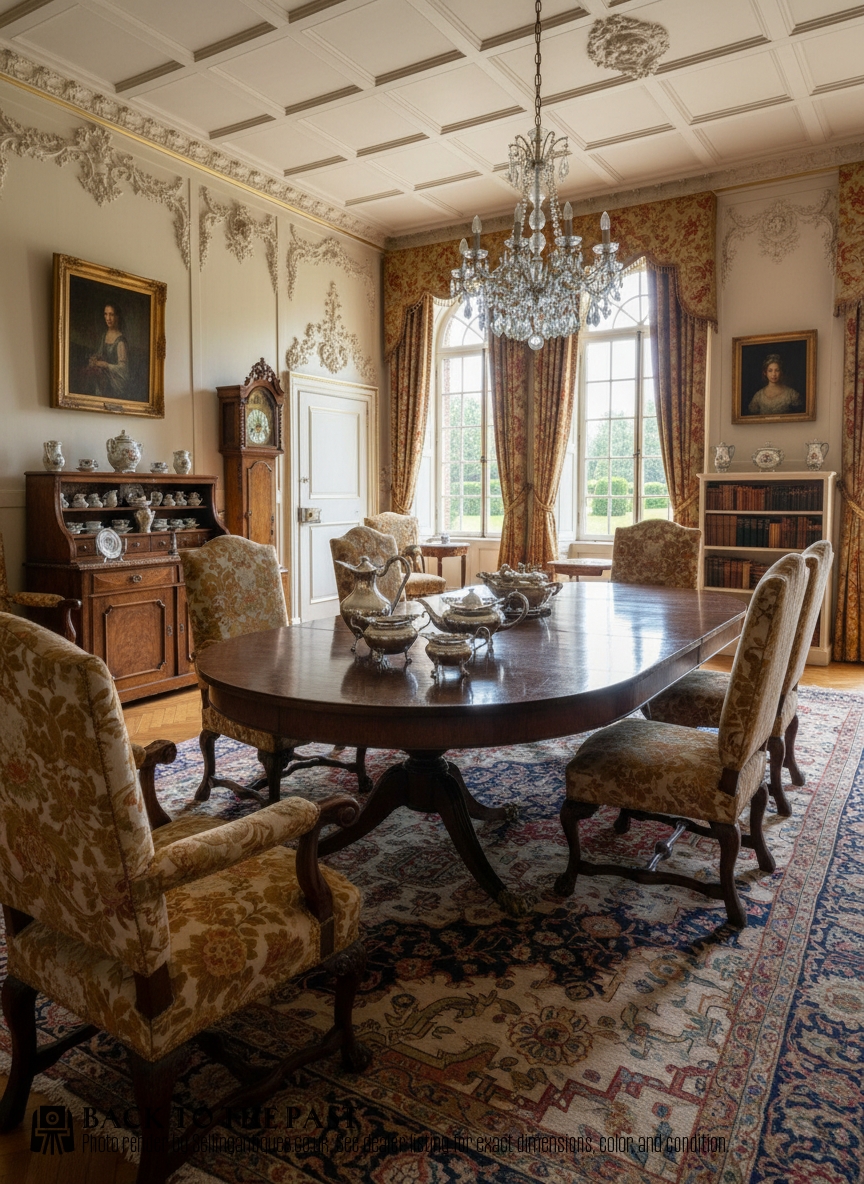
What They Are
A silver hot water pot stands as a refined vessel designed for pouring boiling water at the tea or coffee table. The listings feature examples spanning the nineteenth century through the Edwardian era and into the 1940s.
Forms vary from standalone pots to matching teapots, coffee pots, and larger tea and coffee sets. Buyers frequently encounter Edwardian silver plated variations alongside solid sterling silver pieces.
Origins stretch across specific periods including the nineteenth century, Edwardian era, and the nineteen-forties, capturing domestic rituals of past decades.
How They Were Made
Makers utilised solid sterling silver or applied silver plating over base metals like electroplated nickel silver, known as EPNS. Wood components frequently appear on handles and insulators.
Craftsmen shaped these metals through traditional manufacturing techniques, combining silver work with sturdy handles to manage boiling water safely.
Retail Price Guide 2026
Typical UK retail prices for silver hot water pot, calculated from the Sellingantiques database of over a million retail prices indexed since 2003. This retail price guide relies exclusively on Sellingantiques data; no external sources or auction records are used, so the figures do not describe the wider market.
Listings incorporate items fashioned from sterling silver, silver plate, and electroplated nickel silver alongside wooden handle elements.
What Varies in Quality
The division between standard items and superior examples rests upon the weight of the metal and the integrity of the silver plating. Solid sterling silver commands greater regard than silver plate.
Design execution distinguishes ordinary utilitarian vessels from those displaying refined stylistic revivals, such as Victorian Rococo or Art Deco influences.
Walker and Hall·Harrison Brothers and Howson·William Hutton and Sons·Adie Brothers
The Silver Hot Water Pot Glossary
- Silver Plate
- A thin layer of silver bonded to a base metal core. This technique allowed makers to produce accessible tableware with the appearance of solid silver.
- Electroplated Nickel Silver
- Commonly abbreviated as EPNS, this material serves as a durable base for silver plating. It provides structural strength for heavy daily use.
- Sterling Silver
- An alloy consisting of pure silver and other metals for added durability. British sterling silver traditionally bears specific hallmarks indicating its composition and origin.
- Edwardian
- A period spanning the reign of King Edward VII, characterised by lighter and often ornate domestic designs. Pieces from this era frequently employ silver plating.
Frequently Asked Questions
How do I use a silver hot water pot?
These vessels serve primarily to hold boiling water for topping up tea or diluting coffee at the table. They function well in contemporary settings for serving hot water alongside modern teaware.
Care involves gentle hand washing using non-abrasive cloths to preserve the silver surface and any wooden handle components.
How do I date an antique silver pot?
Dating relies heavily on maker marks, style characteristics, and official hallmarks stamped onto the metal. Pieces from the Edwardian era often display lighter ornamentation compared to mid-nineteenth century designs.
Archival records and maker histories help narrow down the specific decade of manufacture based on stamped initials and symbols.
How do I care for silver tableware?
Regular maintenance requires soft cloths and specialised silver polish formulated to remove tarnish without scratching the metal. Avoid abrasive pads or harsh chemical dips that strip protective layers.
Storing pots in dry environments prevents rapid tarnish accumulation and keeps wooden or insulated handle parts stable.