


Edwardian Silver Teapot
An edwardian silver teapot brings the refined ritual of early twentieth-century tea service to the table, combining solid sterling silver or silver plate with graceful period forms.

Edwardian Silver Teapot
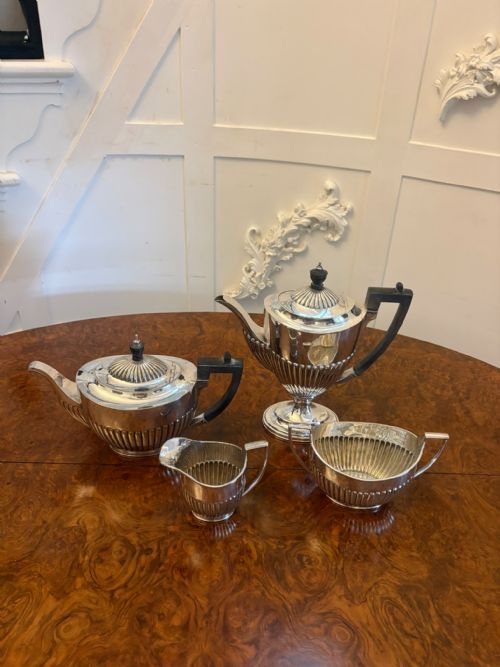
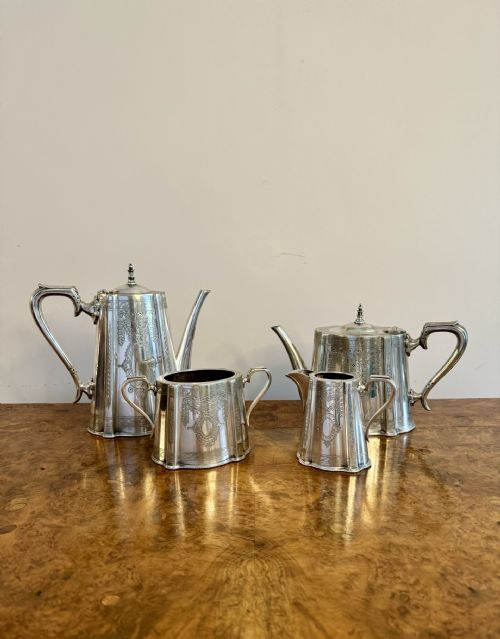
When searching for an edwardian silver teapot, buyers encounter a variety of forms ranging from standalone bachelor vessels to comprehensive four-piece tea and coffee sets. The pieces seen here span the Edwardian period alongside Georgian revival and Edwardian rococo revival styles.
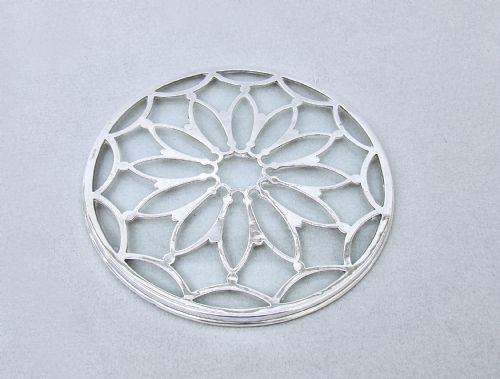
Beyond standard teapots, the selection includes spirit kettles on stands, novelty inkwells, and mounted glass teapot stands designed for domestic hospitality.
How They Were Made
Silversmiths utilised traditional techniques to shape metal, applying electroplating methods extensively to create durable silver-plated wares for everyday dining. Sterling silver pieces were formed by hammering and soldering, often displaying crisp chased decoration and repoussé work.
Insulating handles and finials incorporated materials such as ebonised wood, ebony, and bone to protect hands from heat during pouring.
Edwardian Silver Teapot Retail Price Guide 2026
Typical asking prices for edwardian silver teapot among the pieces listed under this phrase on Sellingantiques today, from the lower quarter to the upper quarter. They describe what is for sale here now, not the wider market.
Some Edwardian tea drinkers required inkwells disguised as novelty teapots for their writing desks.
What Varies in Quality
The standard of an edwardian silver teapot rests upon the crispness of its ornamentation, whether cast in an ornate grapevine motif, an art nouveau contour, or a restrained georgian style. Weight and balance during handling distinguish master silversmith production from standard commercial output.
The integrity of the underlying metal beneath the silver plate, along with the retention of original ebonised wood or bone insulators, marks the difference between well-preserved examples and heavily worn domestic pieces.
Harrods Ltd·Walker and Hall·Goldsmiths and Silversmiths Co·Nathan and Hayes
The Edwardian Silver Teapot Glossary
- Silver Plate
- A thin layer of silver fused to a base metal such as copper or nickel silver. This technique allowed makers to produce affordable tableware with the visual appeal of solid silver.
- Electroplated Nickel Silver
- Commonly abbreviated as EPNS, this material serves as the base for many silver-plated teapots. An electrical current binds a coat of silver to a durable copper-nickel-zinc alloy.
- Spirit Kettle
- A kettle mounted on a metal stand with an integrated burner underneath to keep water hot at the table. These vessels often feature a pivoting frame for easy pouring.
- Bachelor Teapot
- A smaller teapot scaled for a single drinker or a modest tea for two service. These compact pieces date frequently to the early twentieth century.
- Hallmark
- An official stamp applied by an assay office to indicate metal purity, origin city, and date letter. Sterling silver items bear these crucial marks for historical identification.
Edwardian Silver Teapot: Frequently Asked Questions
What is a spirit kettle?
A spirit kettle is a portable water heater suspended on a metal frame above a small flame burner. It allowed hosts to maintain hot water for tea service without returning to the kitchen.
These pieces often include decorative stands and pivoting handles for safe tilting at the dining table.
How do I clean silver plate?
Silver plate requires gentle polishing with a non-abrasive cream designed specifically for plated wares. Excessive scrubbing will wear away the thin silver layer.
Store pieces in dry conditions to prevent tarnish accumulation on intricate handles and spouts.
What is a bachelor teapot?
A bachelor teapot is a reduced-scale vessel created for individual use or a modest tea for two service. They share the same stylistic motifs as full-sized tea sets.
These compact pots provide a practical option for smaller households and collectors with limited display space.
How do I identify Edwardian style?
Edwardian tea wares often blend lighter neoclassical proportions with revivals of earlier Georgian and Rococo ornamentation. Makers also incorporated fluid art nouveau lines.
Examination of the form alongside any maker marks or assay stamps helps confirm the production era.