
Silver Tea Set
A silver tea set brings the elegance of formal hospitality to the table, combining polished metal with functional design.

Understanding the silver tea set
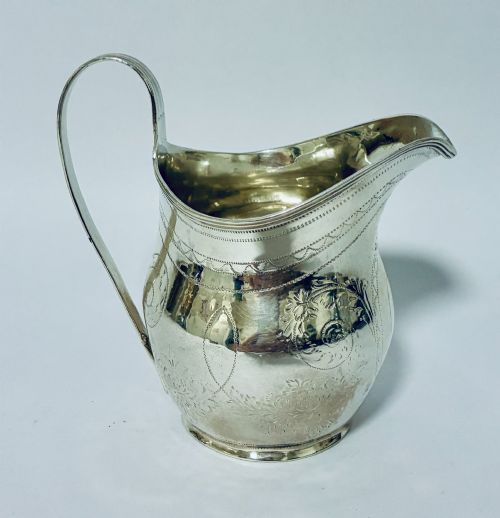
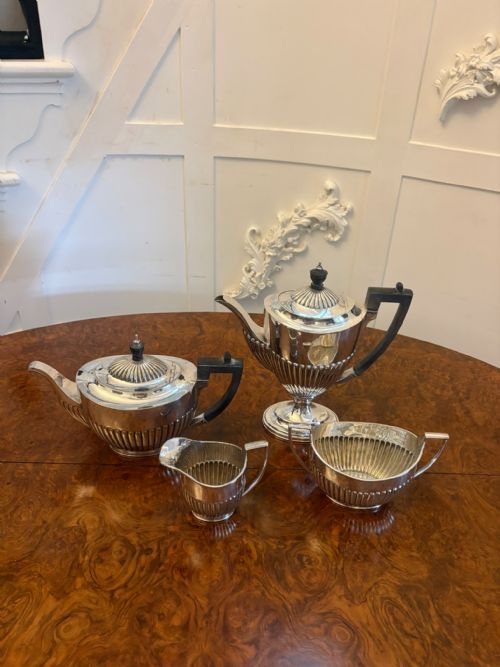
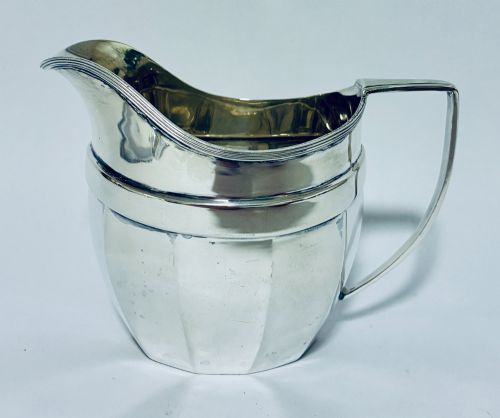
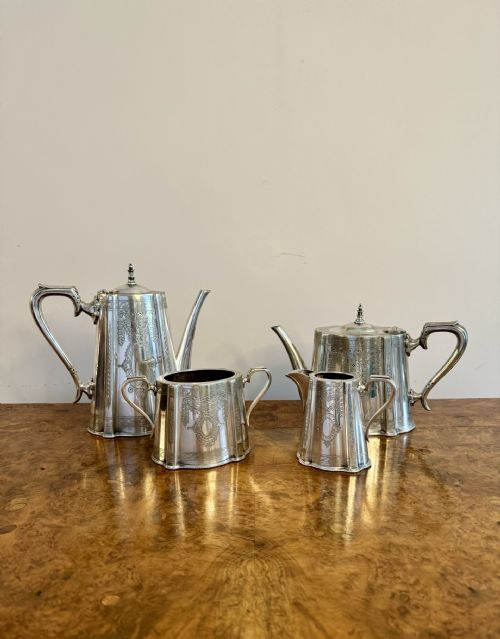
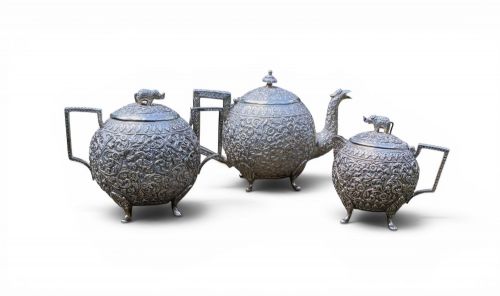
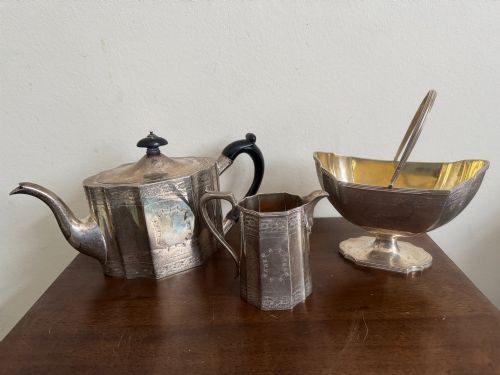
A silver tea set comprises multiple coordinated vessels, most frequently appearing as three-piece or four-piece configurations that include a teapot alongside companion pieces such as a sugar basin and milk jug. The majority of these ensembles date from the Edwardian and Victorian periods, often executed in silver plate rather than solid sterling silver.
Beyond standard domestic service, the broader category encompasses compact bachelor sets designed for smaller households, alongside miniature novelties meant for display. Services frequently incorporate matching trays to unify the presentation of the pots and jugs.
The aesthetic vocabulary spans simple traditional ovoid forms to more stylised Art Nouveau and Secessionist curves. Each configuration reflects the social rituals of afternoon tea across the nineteenth and early twentieth centuries.

Assessing quality in service pieces
Quality rests in the substantial weight of the metal and the crispness of the stamping or engraving, where superior sets maintain sharp detail on handles, spouts, and borders. Heavier silver plate and solid sterling construction indicate higher grade manufacture by established makers.
The integrity of the construction shows in the balance of the pot when held and the precise fitting of hinged lids. Finer sets retain their original ebonised wooden insulators and matching companion trays without replacement components.
Walker & Hall·Goldsmiths & Silversmiths Co·Elkington·Josiah Williams & Co·Saunders & Shepherd
The Silver Tea Set Glossary
- Silver plate
- A layer of silver bonded to a base metal substrate. This technique allowed manufacturers to produce affordable domestic wares with the visual appeal of solid silver.
- Bachelor set
- A smaller scale tea service typically comprising three pieces. These compact sets were intended for restricted spaces or individual use.
- Ebonised wood
- Timber treated to resemble ebony, frequently utilised for teapot handles and lid finials. It prevents heat transfer to the user's hand during use.
- Engine turned
- A decorative mechanical technique that cuts precise geometric patterns into metal surfaces. It appears frequently on twentieth-century silver items.
- Assay office
- An official body that tests the purity of precious metals and stamps items with hallmarks. Marks identify the city of testing and the year of manufacture.
Frequently Asked Questions
What pieces belong in a standard set?
A standard set typically includes a teapot, a milk jug, and a sugar basin, forming the core triad for serving tea. Four-piece configurations add a hot water pot or a matching tray to the ensemble.
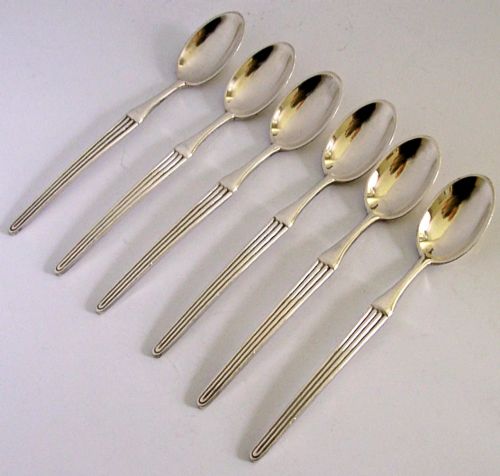
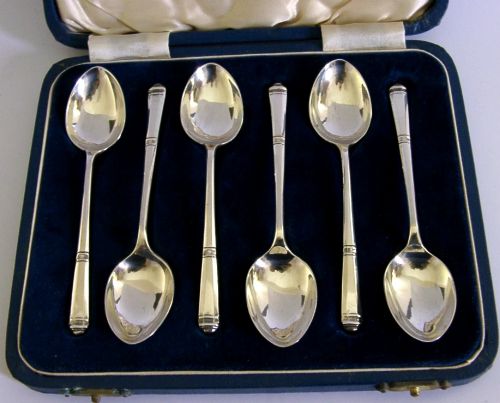
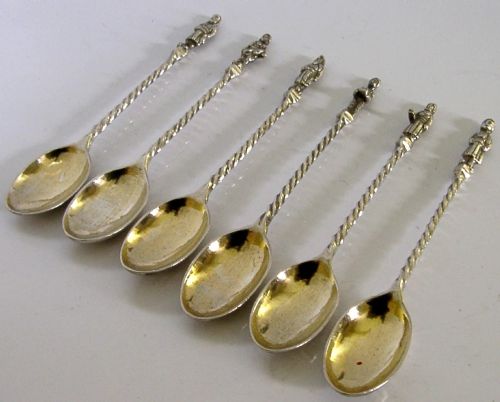
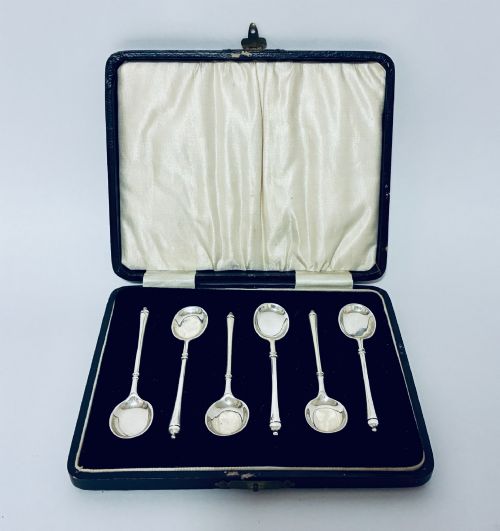
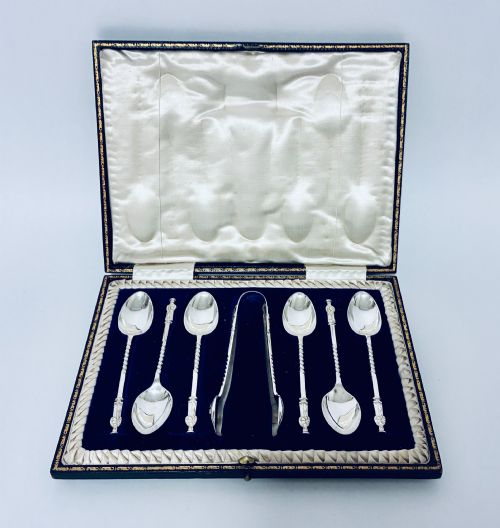
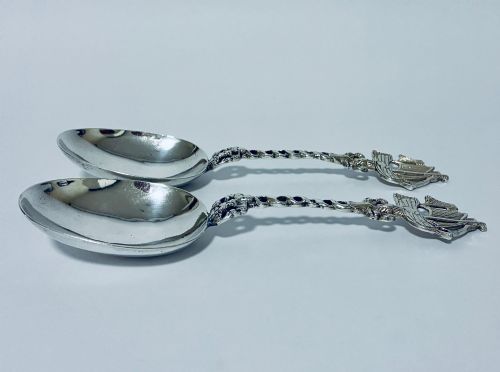
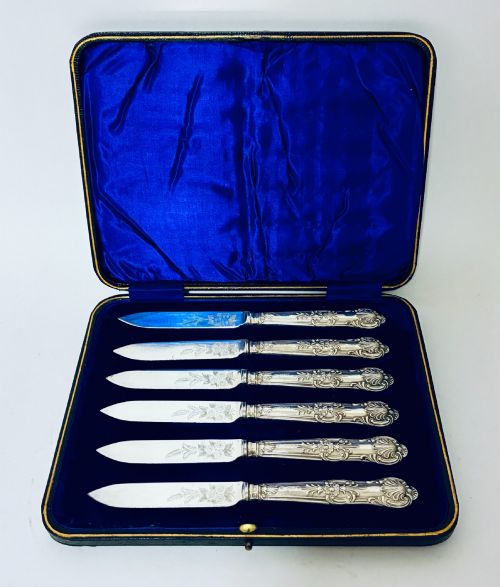
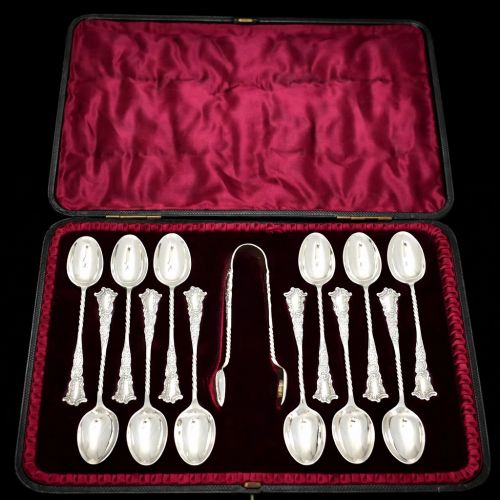
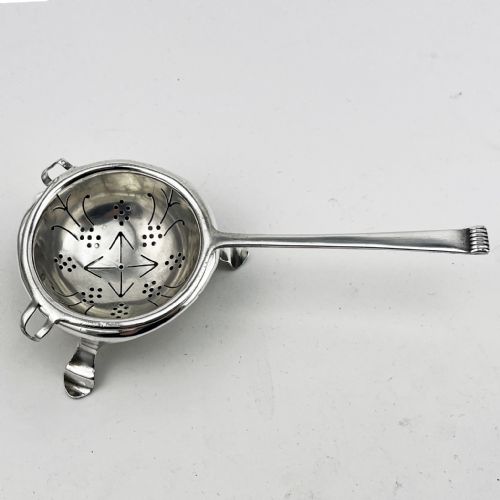
Additional items such as teaspoons and strainers sometimes accompany cased services, though these are often collected as separate sets.
How do I distinguish silver plate from solid silver?
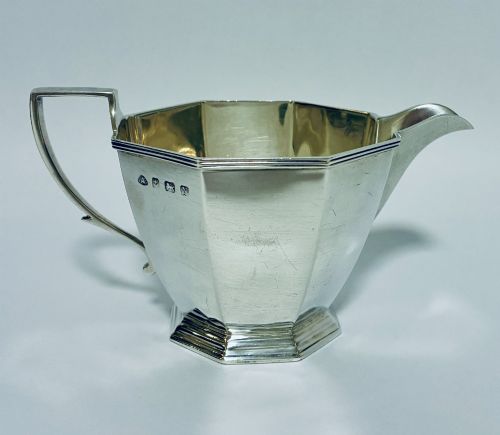
Solid silver pieces carry official hallmarks that indicate the assay office, standard of purity, and year of manufacture. Items lacking these stamps and showing base metal beneath worn areas are silver plate.
Maker's marks also differ, with specific stamps denoting plating firms alongside standard sterling hallmarks.
What is a bachelor tea set?
A bachelor tea set is a scaled-down service designed for one or two people rather than large gatherings. These compact sets were popular in smaller residences and domestic studies.
Despite their diminutive size, they maintain the same functional components as full-scale services.
How should I clean my silver service?
Cleaning requires a soft cloth and a dedicated silver polish formulated to remove tarnish without abrading the surface. Avoid harsh scrubbing that can wear through silver plate or damage engraved details.
Wash pieces gently in warm soapy water and dry them thoroughly after polishing to preserve the finish.