


Silver Plated Creamer
These silver plated creamer examples bring practical elegance to the table, offering versatile forms from various periods.

Silver Plated Creamer
A silver plated creamer is a small jug designed for serving milk or cream alongside tea and coffee. These pieces appear as standalone cream jugs, part of larger tea services, or paired with matching sugar bowls.
The selections available here span multiple eras, including Georgian, Victorian, Edwardian, and Art Deco styles. Buyers will frequently encounter Edwardian three-piece tea sets and individual jugs dating from around nineteen hundred.
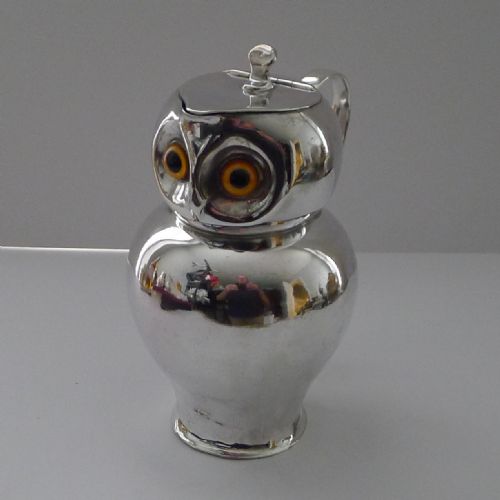
Some examples incorporate novelty shapes, such as owls with glass eyes or cows, alongside more traditional tableware designs. They function both as practical vessels for daily use and as decorative items for the dining table.
How They Were Made
Makers utilised silver plate over base metals, sometimes combining the work with glass, wood, copper, ebony, or gold gilt accents. Sheffield plating techniques appear in earlier pieces, creating durable surfaces with rich metallic finishes.
Artisans shaped metal into jugs and pitchers, incorporating applied handles, detailed casting for novelty animal forms, and hand-stamped maker marks. The integration of contrasting materials like wood or glass adds texture and functional grip to the handles and bodies.
Silver Plated Creamer Retail Price Guide 2026
Typical asking prices for silver plated creamer among the pieces listed under this phrase on Sellingantiques today, from the lower quarter to the upper quarter. They describe what is for sale here now, not the wider market.
Some creamers double as miniature menagerie exhibits, serving morning milk from the watchful eyes of a silver-plated owl.
What Varies in Quality
The integrity of the underlying metalwork and the preservation of the silver plating influence the overall standard. Maker attribution, such as stamps from established silversmiths, often indicates superior manufacturing standards.
Mappin And Webb·Goldsmiths And Silversmiths Co
The Silver Plated Creamer Glossary
- Silver Plate
- A thin layer of silver bonded to a base metal core. This technique allowed makers to produce accessible tableware with the visual appeal of solid silver.
- Sheffield Plate
- An early form of silver plating produced by fusing a sheet of silver to a copper ingot. This method yields a distinct weight and material character found in pieces from the Georgian era.
- Novelty Jug
- A container shaped to resemble an animal, character, or unusual object. These pieces combine humour with utility.
- Tea Service
- A matching set comprising items such as a teapot, coffee pot, sugar bowl, and creamer jug. These collections form coordinated displays for formal dining.
- Gold Gilt
- A thin coating of gold applied to the interior or specific decorative elements of a silver plated vessel. This finish provides a warm contrast and protects the metal from acidic contents.
Silver Plated Creamer: Frequently Asked Questions
How do I clean a silver plated creamer?
Use a soft cloth and a specialised silver cleaner formulated for plated items. Avoid harsh abrasives that can wear away the thin silver layer over time.
Rinse the piece thoroughly in warm water and dry it immediately with a lint-free cloth to prevent water spots and tarnishing.
Can I use these creamers daily?
Most pieces are structurally sound for serving milk or cream during meals. Hand washing helps preserve the finish and any applied details.
Take care with pieces featuring delicate additions like glass eyes or wooden handles, as these require gentler handling.
How do I identify an Edwardian creamer?
Edwardian items often reflect refined proportions and craftsmanship typical of the early twentieth century. Look for specific design motifs and retailer stamps characteristic of that period.
Comparing the shape and weight with documented pieces from around nineteen hundred can also confirm the era.
What is a novelty creamer?
A novelty creamer takes the shape of an animal or object rather than a standard jug form. Examples include pieces shaped like cows or owls.
These functional items were designed to amuse guests while serving milk at the table.