
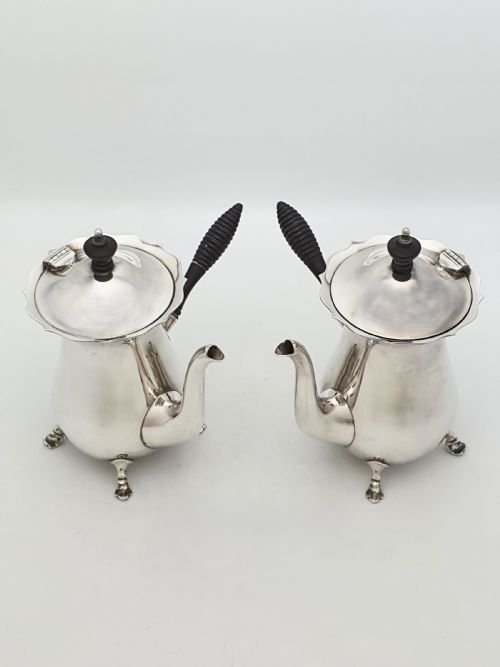


Silver Plate Tea Set
When you search for a silver plate tea set, you seek the gleaming centrepiece of traditional hospitality, spanning graceful Edwardian services to geometric Art Deco designs.
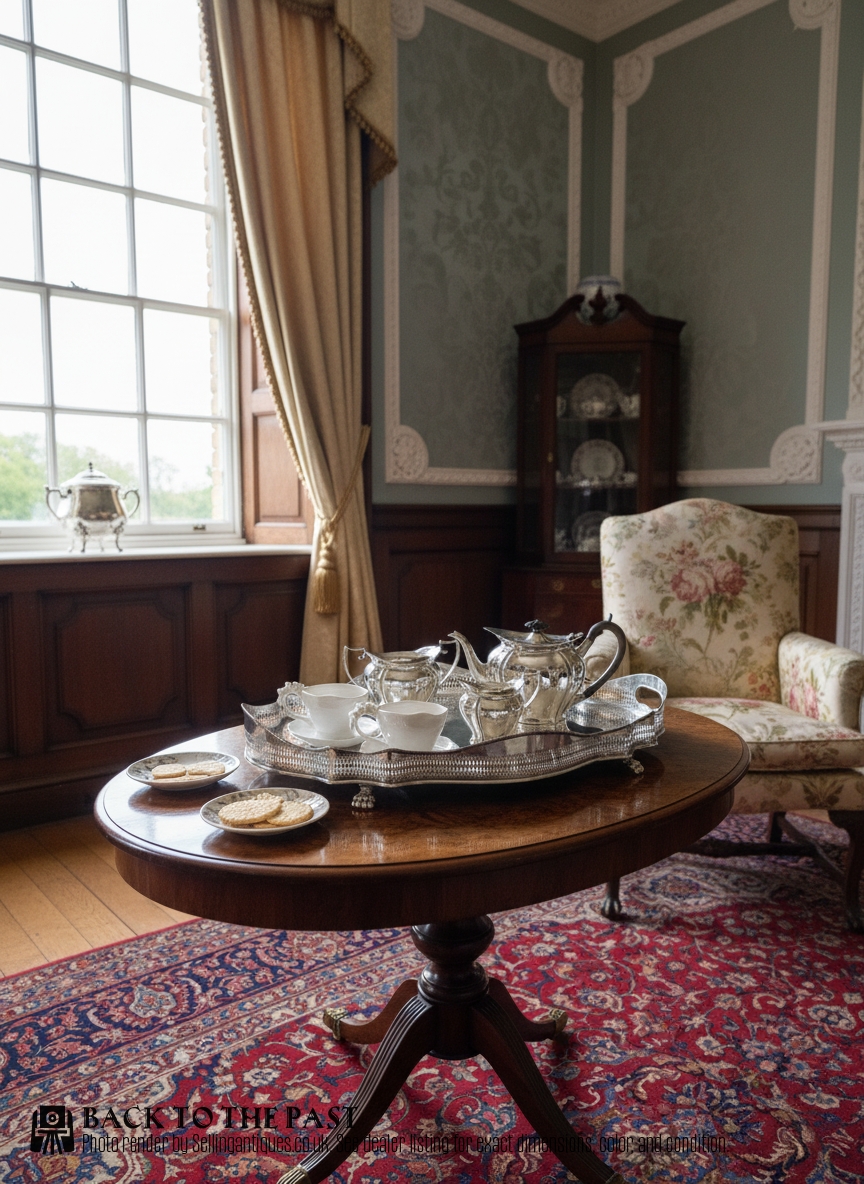
Silver Plate Tea Set
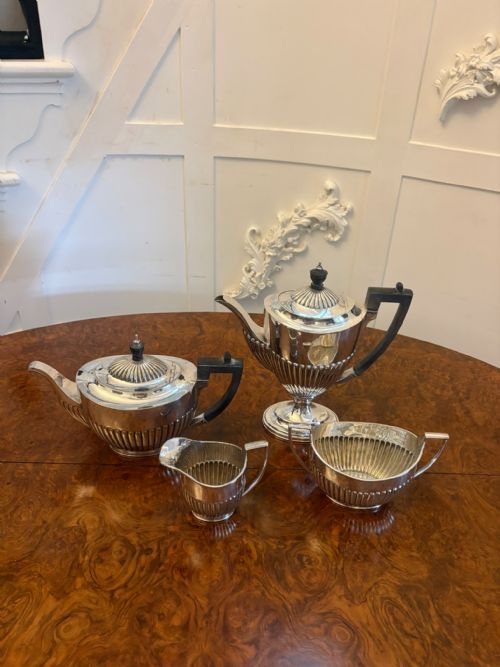
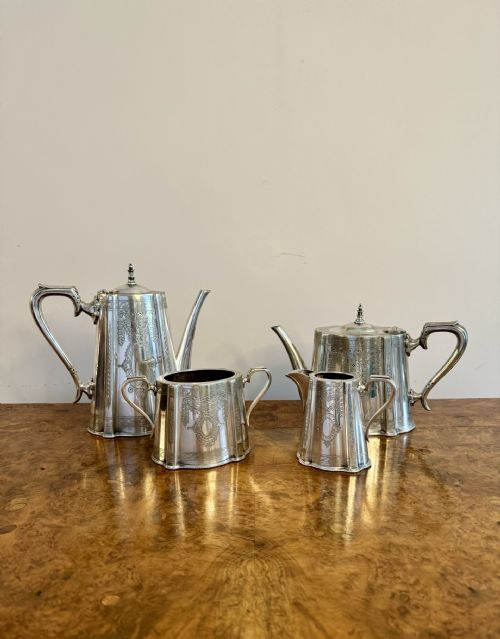
A silver plate tea set brings together matching vessels designed for the formal serving of hot beverages, most commonly comprising a teapot, sugar bowl, and cream jug. You will frequently encounter four-piece configurations that add a coffee pot, alongside occasional three-piece sets and larger services complete with dedicated trays.
The selections span the Victorian, Edwardian, and Art Deco periods, reflecting changing tastes from ornate floral embossing to clean, streamlined geometry. While the core materials rely on durable metal bases coated in silver, elements such as handles often incorporate contrasting textures.
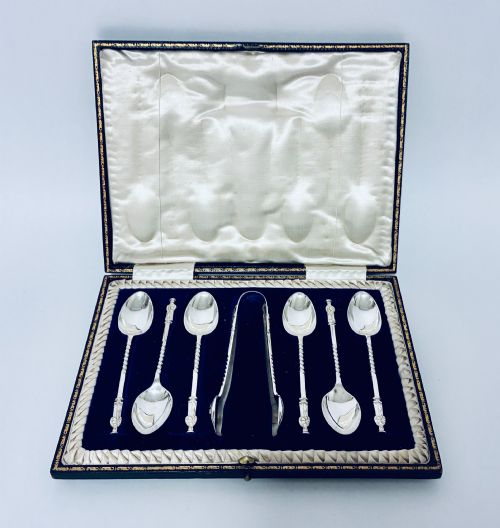
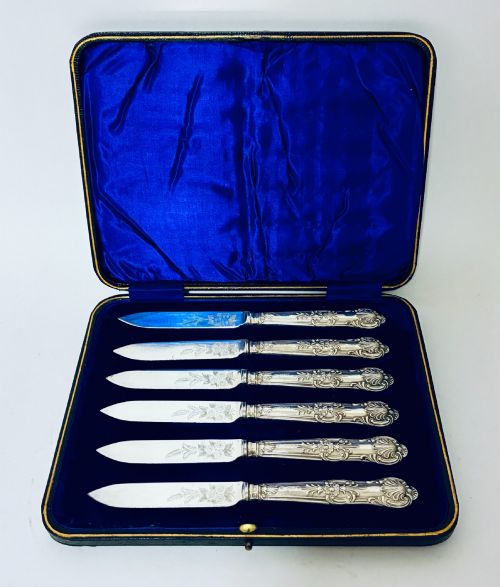
Beyond standard tea and coffee services, related table silver appears across the listings, including cafe au lait pots, sugar basins, and cased spoon sets. The predominant aesthetic on this page centres on Edwardian manufacture, where makers balanced decorative detail with domestic utility.

Materials and manufacture
The underlying structure of these pieces typically relies on base metals such as nickel silver, coated with a layer of pure silver through electroplating techniques developed during the nineteenth century. This process allowed workshops to produce substantial domestic items that possessed the visual weight of solid silver without the commensurate cost.
Insulation was a practical necessity for vessels containing boiling water, leading makers to incorporate materials like ebonised wood and ebony into handle design and finials. Decorative flourishes were applied through stamping, chasing, and embossing, creating textured motifs such as grapevine foliage or geometric banding directly onto the metal surface.
Acorn finials on Victorian teapots quietly reminded breakfast guests of sturdy oaks.
Markers of quality
Quality in a silver plate tea set rests upon the thickness of the applied silver coating and the durability of the underlying metal base. Heavier pieces indicate a more substantial construction that resists denting and retains heat more effectively during service.
The crispness of decorative chasing and the structural integrity of hinged lids and handles distinguish superior examples from standard production. Master silversmiths and established firms ensured balanced weight distribution and secure joints, whereas lesser items display rigid assembly and thinner plating that wears down to the base metal over time.
Walker and Hall·Mappin and Webb·Elkington and Company·Goldsmiths and Silversmiths Co·James Dixon and Sons·Atkin Brothers·Thomas Bradbury and Sons·Frank Cobb and Co
The Silver Plate Tea Set Glossary
- Electroplated Nickel Silver
- A copper, nickel, and zinc alloy coated with a layer of silver using an electrical current. This material served as the primary foundation for high-quality Victorian and Edwardian tea services.
- Finial
- The small decorative knob attached to the lid of a teapot or coffee pot. Makers often shaped these elements to resemble acorns or floral buds to match the overall style of the set.
- Bachelor Tea Set
- A smaller-scale service designed for single occupancy or intimate use, typically comprising a compact teapot, sugar bowl, and cream jug.
- Jugendstil
- The continental European manifestation of Art Nouveau, visible in fluid, organic motifs applied to metalwork around the turn of the twentieth century.
- Sheffield Plate
- An early method of fusing a thin sheet of silver to a thick copper ingot before rolling them together into sheets. This technique predates modern electroplating.
Silver Plate Tea Set: Frequently Asked Questions
How many pieces make a complete tea set?
A standard set generally consists of a teapot, a sugar bowl, and a cream jug. Many larger services expand this configuration to four or five pieces by including a matching coffee pot and hot water kettle.
Additional items such as matching serving trays, slop bowls, and cased spoon sets occasionally accompany these core vessels.
Can I use an antique tea set daily?
These services were built for regular domestic use, though modern dishwashers can damage delicate silver plate and organic handle materials. Hand washing with mild soap preserves the protective silver layer and prevents tarnishing.
Regular polishing with non-abrasive creams maintains the reflective finish without wearing away the underlying plate.
How do I identify the period of a set?
Stylistic cues offer the clearest indication of date, moving from heavy Victorian embossing and Rococo Revival curves to restrained Edwardian elegance. Art Deco pieces introduce geometric angles and stepped profiles that reflect the design shifts of the interwar years.
Maker marks stamped onto the base provide further clues, often corresponding to specific operating dates of the manufacturing firms.
What is the difference between tea and coffee pots?
Coffee pots are typically taller and narrower than teapots to accommodate the brewing method and maintain heat for darker infusions. Teapots feature a broader, more rounded body that allows loose tea leaves adequate space to circulate in hot water.
Sets that include both vessels ensure a uniform aesthetic across the entire serving table.