


Silver Plated Sugar Bowl
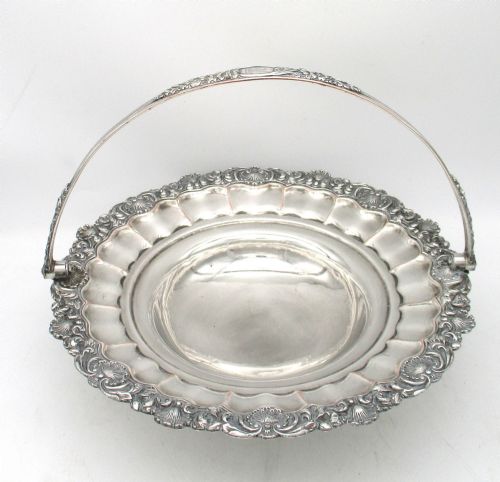
These silver plated sugar bowl examples span Georgian and Edwardian periods, offering the polished gleam needed to complete a traditional table setting.

What these pieces are
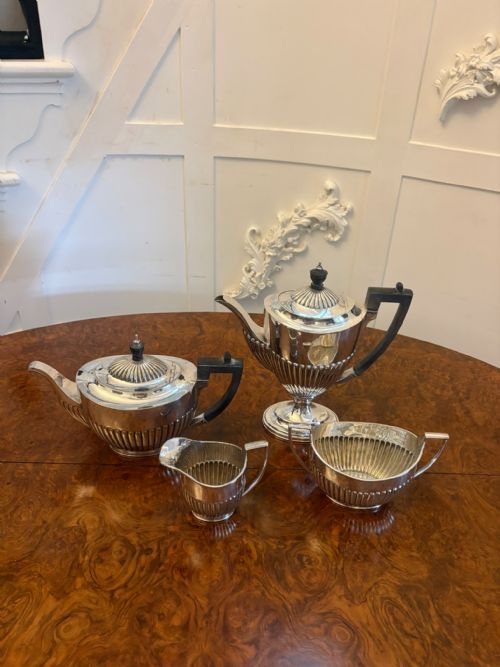
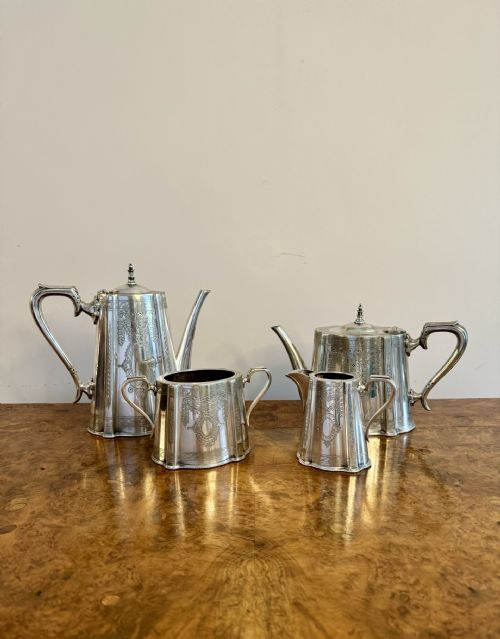
A silver plated sugar bowl provides a dedicated vessel for holding lump or loose sugar during tea and coffee service. These items frequently appear as standalone pieces or as part of larger cream and sugar sets and tea sets.
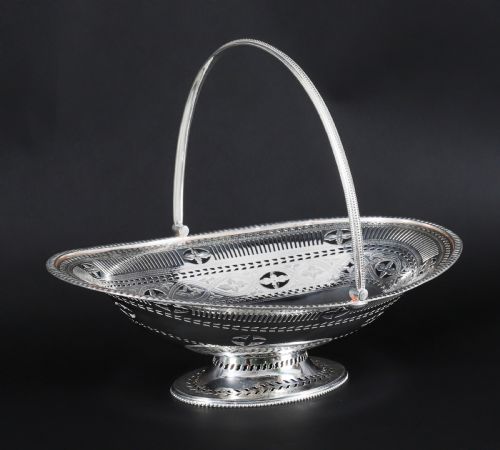
The pieces recorded here include Georgian examples from around eighteen twenty alongside Edwardian items dating up to nineteen sixteen. Forms range from simple open bowls to ornate matching sets paired with cream jugs.
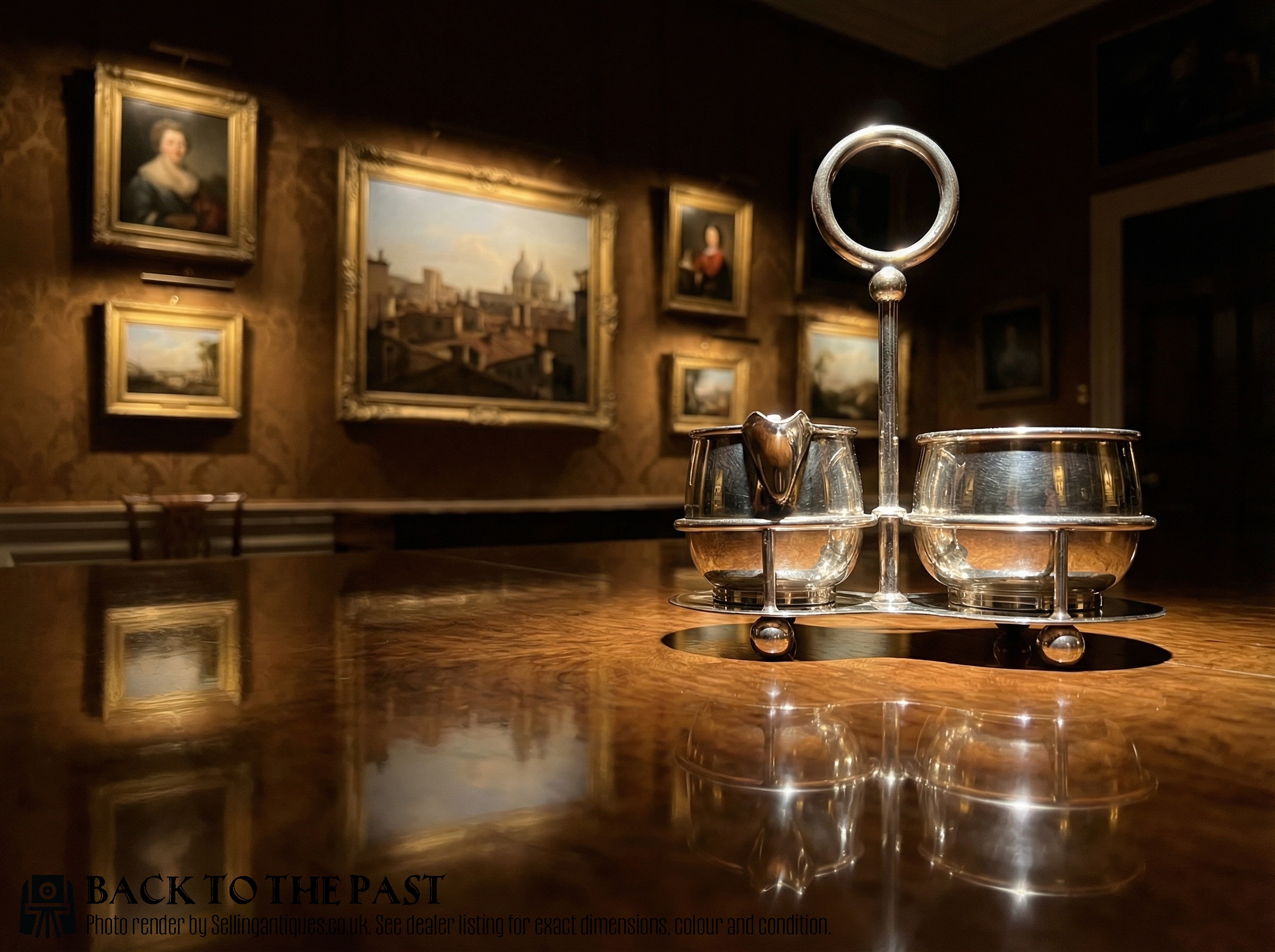
Makers and origins bridge the nineteenth and twentieth centuries, reflecting changing domestic habits around tea consumption. Collectors encounter both individual vessels and complete teaware arrangements.
How they were made
Manufacturing methods rely on a base metal core of copper covered in a thin layer of silver plating. Some variations incorporate additional treatments such as gold gilt or contrast with materials like bone.
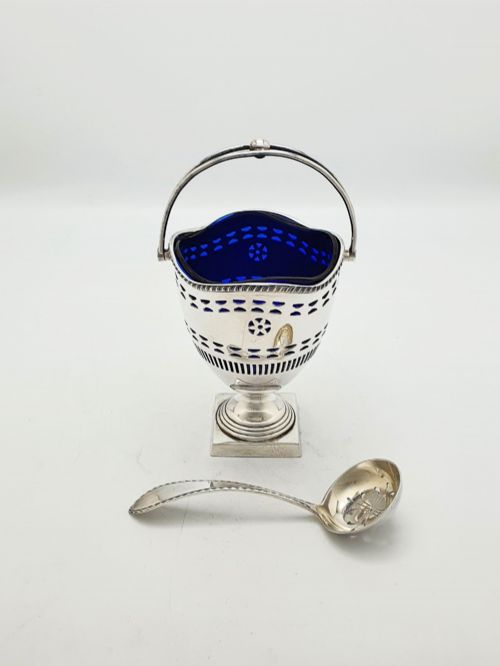
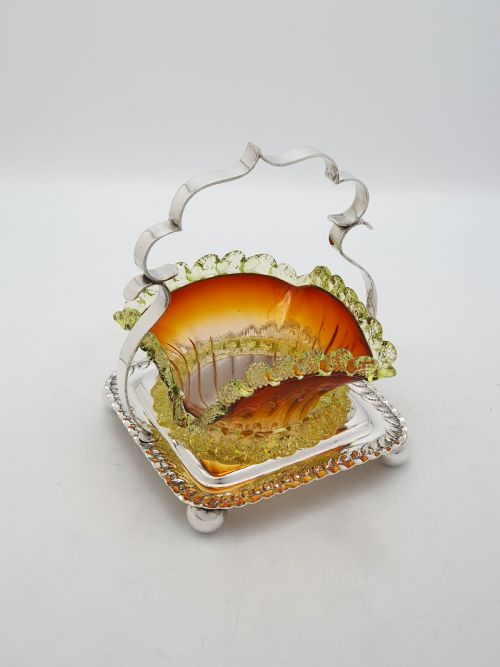
Certain Victorian variations introduce coloured glass inserts, notably cranberry glass, held within pierced or solid silver plated metalwork frames. Production techniques range from early Sheffield plating methods to later electroplating processes.
Some sugar bowls come paired with cranberry glass liners designed to make afternoon tea look distinctly appetizing.
What varies in quality
Quality rests upon the crispness of decorative chasing and the integrity of the underlying metal. Pieces displaying maker marks from established firms often exhibit superior weight and balance compared to unmarked wares.
The condition of the silver plating itself determines the visual appeal, as heavy wear reveals the warm copper substrate beneath. Surviving interior gilding and intact glass liners elevate the desirability of individual vessels.
Elkington and Co·WMF
The Silver Plated Sugar Bowl Glossary
- Silver Plate
- A thin layer of silver bonded to a base metal, commonly copper. This technique allowed makers to produce domestic wares that achieved the appearance of solid silver at a lower cost.
- Sheffield Plating
- An early method of fusing a sheet of silver to a copper ingot before rolling them into plates. This process creates a distinctive edge where the underlying copper occasionally shows through.
- Edwardian
- Pertaining to the reign of King Edward the Seventh, spanning from nineteen hundred to nineteen ten. Items from this era often feature lighter, more delicate decorative motifs than their Victorian predecessors.
- Georgian
- Relating to the reigns of the Hanoverian kings from seventeen fourteen to eighteen thirty. Surviving teaware from this period displays classic proportions and restrained ornamentation.
Frequently Asked Questions
How do I date a silver plated sugar bowl?
Dating relies on stylistic clues, manufacturing techniques, and any accompanying maker marks stamped into the metal base. Georgian and Edwardian pieces exhibit distinct handle shapes and decorative motifs characteristic of their respective eras.
Examining whether the item was created using early Sheffield plating methods or later electroplating helps narrow down the production period.
Were these bowls used alone?
While some sugar bowls were made as standalone vessels, many were originally produced as part of matching tea sets or cream and sugar sets. Surviving pieces frequently show evidence of being paired with matching cream jugs and teapots.
Complete sets often feature uniform decorative styles and shared maker marks across all component pieces.
How should I clean silver plated sugar bowls?
Cleaning requires a mild silver polish applied gently with a soft cloth to avoid wearing through the thin silver layer to the base copper beneath. Regular dusting and careful handling prevent unnecessary scratching of the polished surface.
Harsh chemical dips should be avoided, particularly on pieces with applied gold gilt or fitted glass inserts.
What materials accompany the silver plate?
Many sugar bowls incorporate contrasting materials such as copper substrates, interior gold gilt washes, and fitted bone elements on handles or knobs. Victorian examples also frequently feature removable cranberry glass liners held within pierced metal frames.
These secondary materials provide important clues regarding the period of manufacture and the original intended function of the piece.