


Silver Plate Cream Jug
A silver plate cream jug is a practical table essential that brings period shine to daily tea, spanning styles from Georgian to Art Deco.
Silver Plate Cream Jug
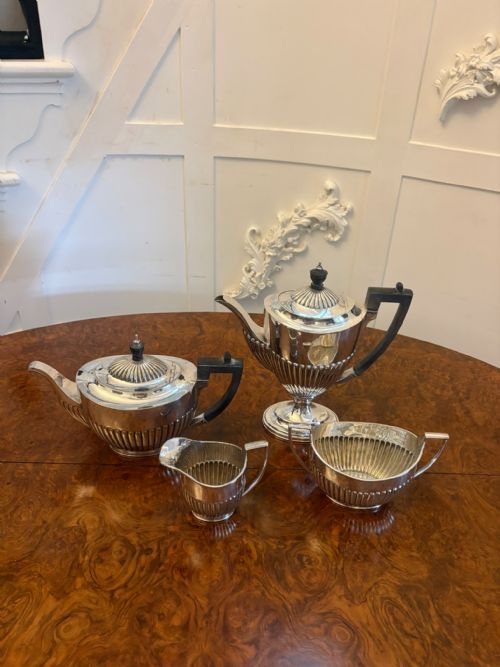
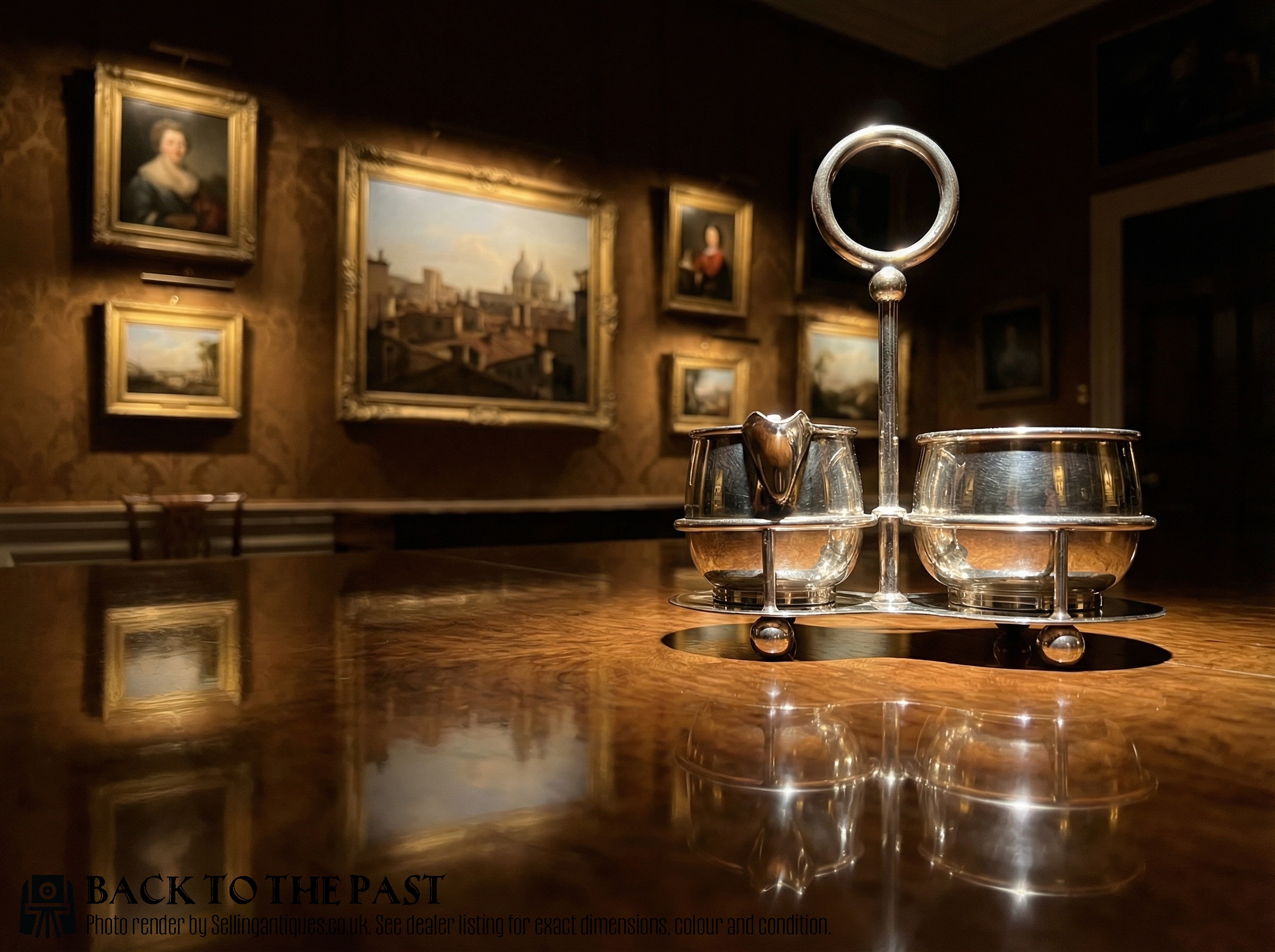
When you search for a silver plate cream jug, you encounter domestic vessels designed to pour milk or cream alongside tea and coffee, appearing as single pieces or as part of larger tea services and sets.
The versions you meet on this page originate across several periods including Georgian, Victorian, Edwardian, and Art Deco, reflecting shifting domestic tastes in tableware.
Many examples emerge alongside matching sugar bowls or within complete tea and coffee sets, while others survive independently as standalone items of tableware.
What varies in quality
The distinction between standard domestic items and finer pieces rests on the weight of the metal, the crispness of decorative detailing such as grapevine motifs, and the reputation of the maker.
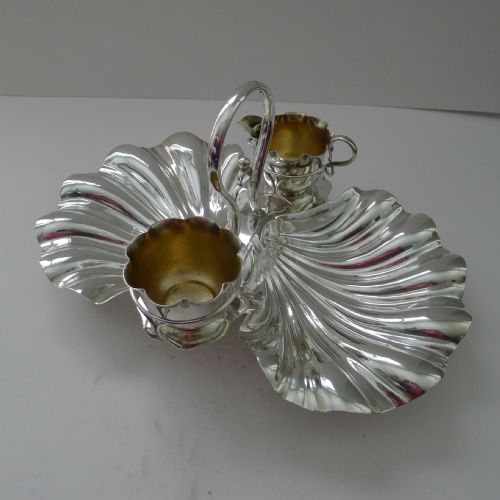
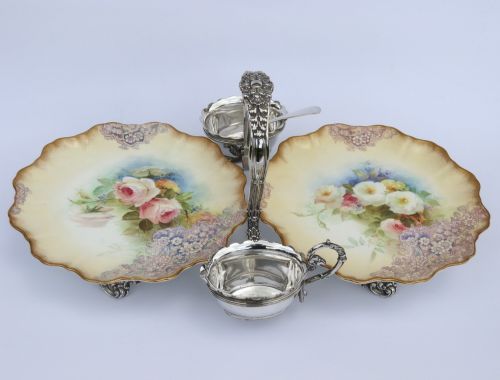
Subtleties in handle construction, the application of internal gold wash, and the integration of mixed materials like porcelain or opaline glass elevate certain examples above basic production.
Certain twentieth-century iterations take the form of novelty cow creamers, bringing a playful bovine presence directly to the afternoon tea table.
Daniel Arter·Walker and Hall·Doulton Burslem·Mappin & Webb·WMF·Elkington
The Silver Plate Cream Jug Glossary
- Silver Plate
- A base metal coated with a layer of silver. This technique allowed domestic tableware to achieve the appearance of solid silver at a lower cost.
- Electroplated Nickel Silver
- Often abbreviated as EPNS, this refers to a nickel, copper and zinc alloy coated with silver through an electrical process. It provided a durable foundation for Victorian and Edwardian tea services.
- Gold Wash
- A thin layer of gold applied to the interior of a jug or sugar bowl. This protected the metal from the corrosive effects of dairy and sugar.
- Sheffield Plate
- An earlier method of fusing a thin sheet of silver to a copper core before electroplating was invented. Pieces from this tradition often date to the Georgian period.
- Novelty Creamer
- A vessel shaped to resemble an animal, such as a cow. These figural pieces served a decorative as well as functional purpose on the tea table.
Silver Plate Cream Jug: Frequently Asked Questions
Are these jugs made of solid silver?
Most items listed under this phrase consist of silver plate or electroplated nickel silver over a base metal rather than solid precious metal.
Manufacturers used these plated techniques to produce durable domestic tableware for the dining table during the nineteenth and twentieth centuries.
Did these come with matching sugar bowls?
Many cream jugs appear alongside matching sugar bowls, either as small two piece sets or as components of larger tea and coffee services.
Other examples survive entirely on their own as individual tabletop pieces separated from their original service over time.
How do I identify the period of a jug?
Design details such as ornate grapevine motifs point towards specific eras like the Edwardian period or the Victorian era.
Maker marks and stylistic cues from Georgian, Victorian, Edwardian, and Art Deco traditions help narrow down the date of manufacture.
Can I use them for daily tea service?
These vessels were originally built for daily domestic use in serving cream or milk with tea and coffee.
Careful cleaning helps preserve the plated surface and any interior gold wash during modern use on the table.