
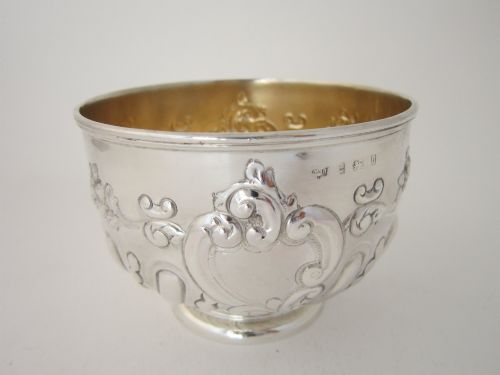


Gilt Interior Silver Bowl
A gilt interior silver bowl catches the light with a rich golden layer inside cool silver, bringing warmth to the table.
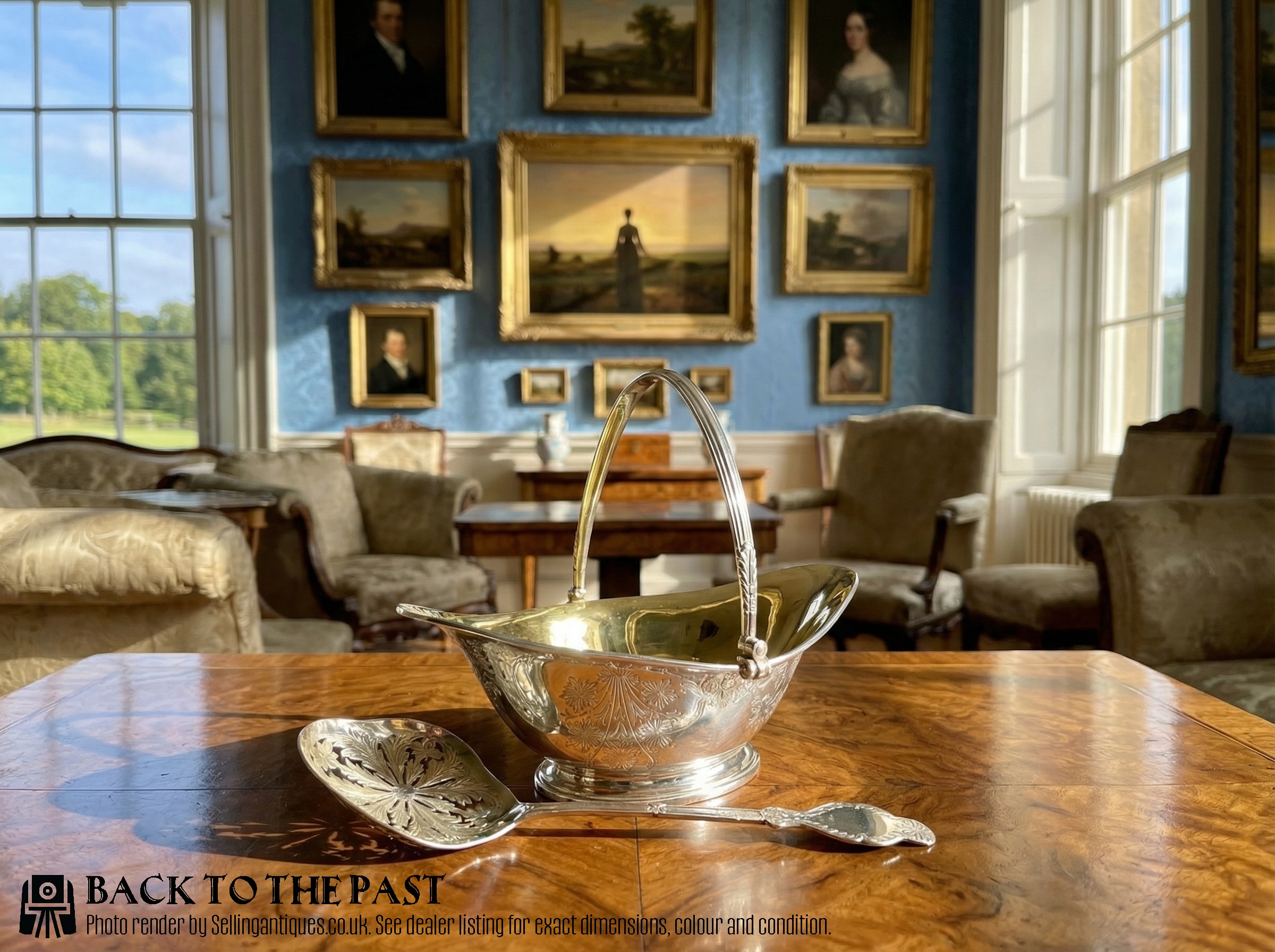
Gilt Interior Silver Bowl
A gilt interior silver bowl forms part of the tableware and decorative bowls found across Georgian, Victorian, and Edwardian periods. These pieces appear as sugar bowls, salt cellars, sweetmeat baskets, and pedestal dishes.
Most examples on this page date from the eighteenth and nineteenth centuries, including specific years from the reigns of George II, William IV, and Edwardian decades. Buyers find individual bowls alongside pairs and matching tea and coffee services.
The primary forms include open sugar bowls and salt cellars designed to hold contents safely against the reactive metal of the bowl. Silver plate and sterling silver both provide the main body for these vessels.
How they were made
Silversmiths shaped sterling silver or copper covered in old Sheffield plate into bowls, salts, and pedestal dishes. Workers applied gold gilt, vermeil, or a gold wash to the interior surfaces.
Gilding protected the silver or base metal from the corrosive effects of contents like salt and sugar. Craftsmen brushed or fired the gold layer onto the inner walls of the bowl.
Early diners trusted gold to guard their silver from aggressive grains of salt.
What varies in quality
The thickness and retention of the gold wash or gilt interior separate standard examples from finer pieces. Wear on the interior gold reveals the underlying silver or copper base.
Design complexity ranges from plain Georgian pedestal dishes to elaborately worked Edwardian baskets and Victorian salt cellars. Maker marks and clear hallmarking anchor the origin of the piece.
Joseph Craddock·John Kincard·Thomas Smily·Edward Wood
The Gilt Interior Silver Bowl Glossary
- Gilt interior
- A gold coating applied to the inside of a silver or plated vessel. This finish protects the metal from reactive substances.
- Sterling silver
- An alloy containing a high proportion of pure silver mixed with small amounts of other metals for strength. This material forms the body of many bowls.
- Old Sheffield plate
- A fused composite material made by melting a layer of silver to a thicker copper base. It appears on eighteenth and nineteenth-century tableware.
- Pedestal dish
- A vessel raised on a foot or stem. These pieces lift the bowl above the surface of the table.
- Sweetmeat basket
- An open vessel used for small sugary confections or nuts. These often feature swing handles and pierced metalwork.
Gilt Interior Silver Bowl: Frequently Asked Questions
Why did they gild the inside?
Gilding protected the silver or copper bowl from the corrosive properties of salt and sugar stored within them. Salt eats away at unprotected silver over time.
The gold layer created a barrier that preserved the metal while adding a striking visual contrast of gold against silver.
How do I date these bowls?
Hallmarks stamped onto sterling silver pieces record the city of assay and the year of manufacture. Stylistic clues such as Georgian pedestal forms or Edwardian shapes also point to the era.
Sheffield plate items rely on construction methods and decorative styles to narrow down their decade of production.
Are these bowls dishwasher safe?
Antique silver and old Sheffield plate require hand washing with mild soap and warm water. Harsh detergents strip the delicate gilt interior and damage the surface.
Soft cloths dry the metal thoroughly to prevent water spots and tarnishing.
What is the difference between silver gilt and vermeil?
Silver gilt describes any silver object coated with a layer of gold. Vermeil specifically refers to a thick layer of gold applied over sterling silver.
Both terms describe the golden interior finish seen in these bowls and salts.