




Victorian Silver Basin
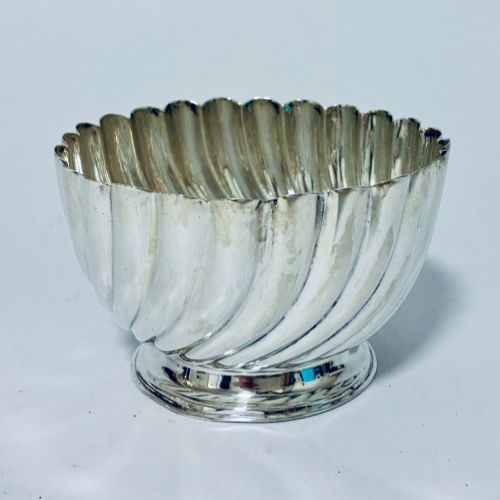
These victorian silver basin and bowl forms bring unmistakable dining table elegance, offering sturdy nineteenth-century utility paired with intricate decorative craftsmanship.
Victorian Silver Basin
A victorian silver basin or related bowl encompasses an array of nineteenth-century tableware, primarily focusing on sugar baskets, footed bowls, and punch bowls designed for formal dining. These items emerge from various decades within the Victorian era and extend into the Edwardian period, capturing changing tastes in domestic silver and glass.
The objects frequently appear in sterling silver or silver plate, sometimes accompanied by colourful glass liners or specialised utensils like sifter spoons. Formats range from simple flared profiles to elaborate repousse designs and swing-handled baskets.
Buyers encounter regional and stylistic variations, including Austro-Hungarian and Mamluk Revival pieces alongside standard British Victorian work. This diversity reflects the broad manufacturing output of the period, from modest domestic sugar basins to large punch bowls.
How they were made
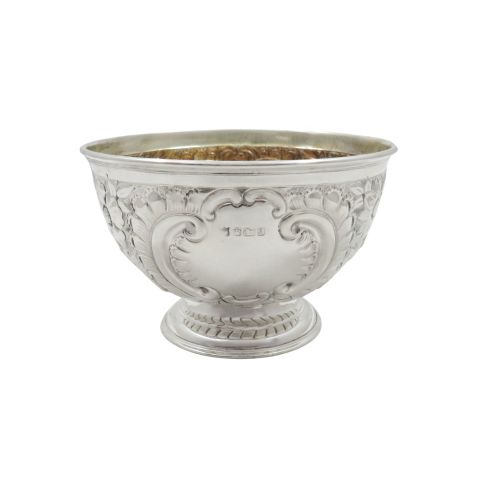
Silversmiths utilised sterling silver and silver plate as the foundational metals, shaping vessels through hammering, spinning, or casting. Many pieces incorporate decorative techniques such as piercing, repousse work, and gilding to create textured, light-catching surfaces.
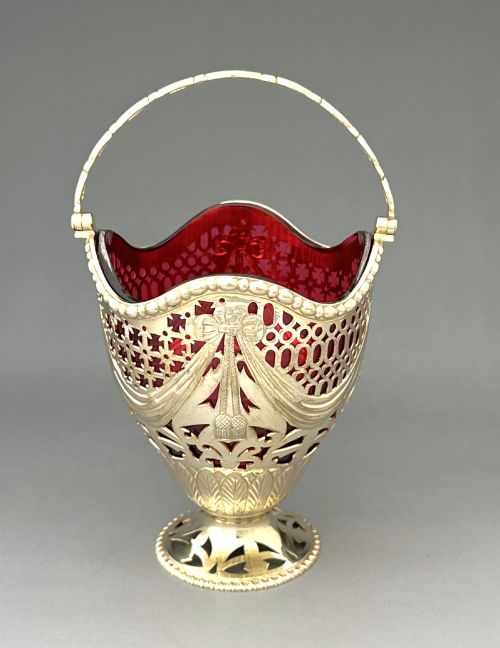
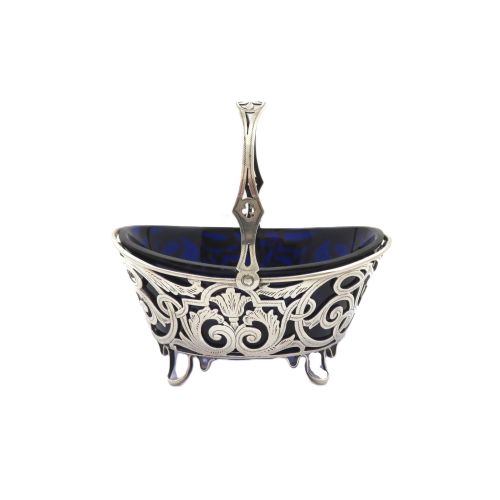
Glass elements, particularly cranberry glass liners and biscuit barrels, were produced separately before being fitted into pierced metal baskets or frames. Mixed metal work and brass ornamentation also appear in specific revival styles, demonstrating varied workshop capabilities.
Listings span the Victorian and Edwardian periods, incorporating sterling silver, silver plate, cranberry glass, brass, velvet, leather, and gilt.
What varies in quality
The standard of execution in chasing, repousse work, and cast handle attachments dictates the visual hierarchy of these items. Crisp detail in floral motifs and substantial metal gauge separate superior examples from lighter, mass-produced counterparts.
The integrity of associated components, such as matching cranberry glass inserts and original sifter spoons, influences the overall coherence of a set. Maker attribution and well-struck hallmarks provide further distinction among surviving nineteenth-century tableware.
Daniel Arter·Doulton Burslem·Elkington·George Fox·Robert Hennell
The Victorian Silver Basin Glossary
- Sterling silver
- A silver alloy containing 92.5 percent pure silver and 7.5 percent other metals, usually copper, ensuring durability for tableware.
- Silver plate
- A base metal substrate coated with a thin layer of pure silver, offering the appearance of solid silver at a lower production cost.
- Cranberry glass
- A rich red-pink glass coloured with gold chloride, frequently utilised for liners within openwork silver baskets.
- Repousse
- A metalworking technique where the artisan pushes the design out from the reverse side by hammering, creating low relief ornamentation on the exterior.
- Silver gilt
- Sterling silver that has been coated with a thin layer of gold on its surface, producing a warm yellow sheen.
Victorian Silver Basin: Frequently Asked Questions
How were silver basins and bowls used?
These vessels served primarily on dining tables for holding sugar, fruit, or punch during formal nineteenth-century meals. Many were designed as companion pieces to tea and dessert services.
Smaller basins often held loose sugar accompanied by sifter spoons, while larger bowls functioned as punch vessels or decorative table centerpieces.
What is cranberry glass?
Cranberry glass is a distinctively coloured transparent red glass produced by adding gold salts to the molten batch during manufacturing.
Victorian makers frequently paired this vibrant glass with pierced silver baskets to create striking visual contrast on the dining table.
How do I care for silver and glass?
Regular, gentle cleaning with a soft cloth helps maintain the polished surface of sterling silver and silver plate without wearing down thin plating. Avoid harsh abrasive dips that can strip away authentic patination.
Glass liners should be washed by hand in warm soapy water and dried thoroughly before being returned to their metal frames.
How can I tell the period?
Hallmarks stamped directly onto silver components provide the most reliable indication of date and origin, revealing assay office symbols and date letters.
Stylistic cues, such as the heavy floral ornamentation of Victorian rococo revival or the cleaner lines of Edwardian pieces, also help determine when an item was made.